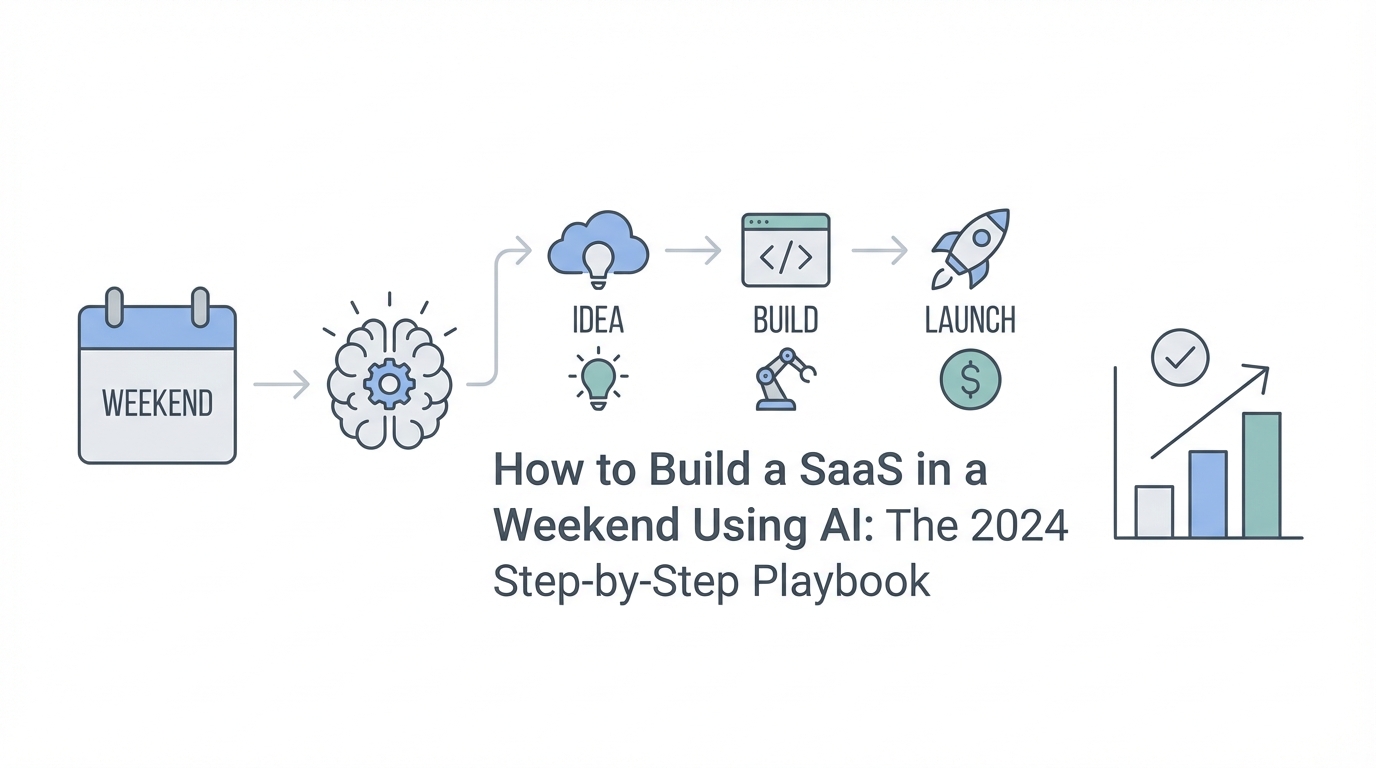
The dream of the solo founder has changed. In the pre-AI era, launching a functional Minimum Viable Product (MVP) required months of coding, expensive design iterations, and deep technical expertise. In 2024, the barrier to entry has collapsed. We are living in a world where a motivated developer or even a savvy non-technical founder can build a SaaS with AI in a single weekend. By leveraging a high-intensity, time-boxed approach, you can move from a vague concept to a working software-as-a-service platform in 48 hours. This isn't just theory; it is a proven methodology for ai software development that focuses on speed, substance, and high-probability success.
Step Zero: The Philosophy of Audience Before Code
Most founders fail because they build a solution for a problem that doesn't exist. Before you open a single terminal window or type a prompt into an LLM, you must execute "Step Zero." The philosophy here is simple: audience and niche selection must precede code. To increase your chances of success, you need to identify an unfair advantage. Perhaps you spent a decade in the medical field and understand the specific administrative frustrations of nurses, or maybe you have deep expertise in a niche hobby that lacks modern digital tools.
The goal is to find a community first. Start by identifying where your target users hang out—whether it is LinkedIn, X, or niche subreddits. By engaging with these communities before building, you can "tease" ideas and let the market tell you what it actually needs. This prevents the common trap of building a "ghost town" product. For those looking to accelerate this process, communities like Startup Empire offer a hub for finding co-founders and early testers who can validate your ai saas ideas before you invest your weekend in development.
Step 1: Market Research on Autopilot with Gemini and Claude

Once you have a niche, you need to map the competitive landscape. You don't need a McKinsey analyst when you have tools like Google Gemini and Claude. Let's say you want to disrupt a legacy platform like Goodreads—a site that was acquired for $150 million but still feels stuck in the early 2000s. Your first move is to use AI to conduct a deep dive into who else is playing in this space.
Ask Gemini to identify competitors beyond the obvious ones. You might discover platforms like The StoryGraph, which uses data-driven recommendations, or BookWorm. By analyzing the competitive landscape, you can identify specific pain points—such as dated interfaces or lack of social features—that your weekend project can solve. This stage of the micro-saas playbook is about finding the "gap" in the market that legacy players are too slow to fill.

Step 2: The Interrogation Phase
Before you commit to building, your idea must survive a trial by fire. This is the "Interrogation Phase." Take your refined concept to Claude and give it a specific prompt: "Grill me with 20 high-stakes questions to see if this idea holds water." This process forces you to confront the difficult realities of how to build an app in a weekend that actually survives on Monday morning.
Claude will ask questions you might have overlooked: How will you differentiate from Gen Z's current discovery habits? What is the specific technical hurdle for your most unique feature? How will you handle data privacy? If your idea survives this 20-question gauntlet, you have more than just a whim; you have a validated concept. This step turns a random thought into a strategic roadmap, ensuring that the 48 hours you spend coding aren't wasted on a flawed premise.
Step 3: Generating a Product Requirements Document (PRD)
If your idea survives the interrogation, it is time to formalize it. Ask the AI to write a basic Product Requirements Document (PRD). This should outline the executive summary, target audience, core features, and success metrics. For a modern book-tracking app, this might include features like a "Novel Spin" wheel for discovery, mood-based recommendations, and ultra-specific micro-genres that resonate with younger demographics.
A strong PRD serves as the North Star for your AI coding assistants. It ensures that when you start generating code, the AI understands the context of the user journey. By defining the User Experience (UX) goals early—such as minimalist shelves and customizable social sharing cards—you set the stage for a product that looks and feels like it was built by a full design team rather than a solo founder in 48 hours.
Step 4: Rapid UI Prototyping with V0.dev
Now comes the visual magic. Instead of spending hours in Figma, move directly to rapid UI prototyping using V0.dev. Take the UI chunks defined in your PRD and turn them into prompts. V0.dev allows you to generate functional Next.js components and layouts using simple natural language instructions.
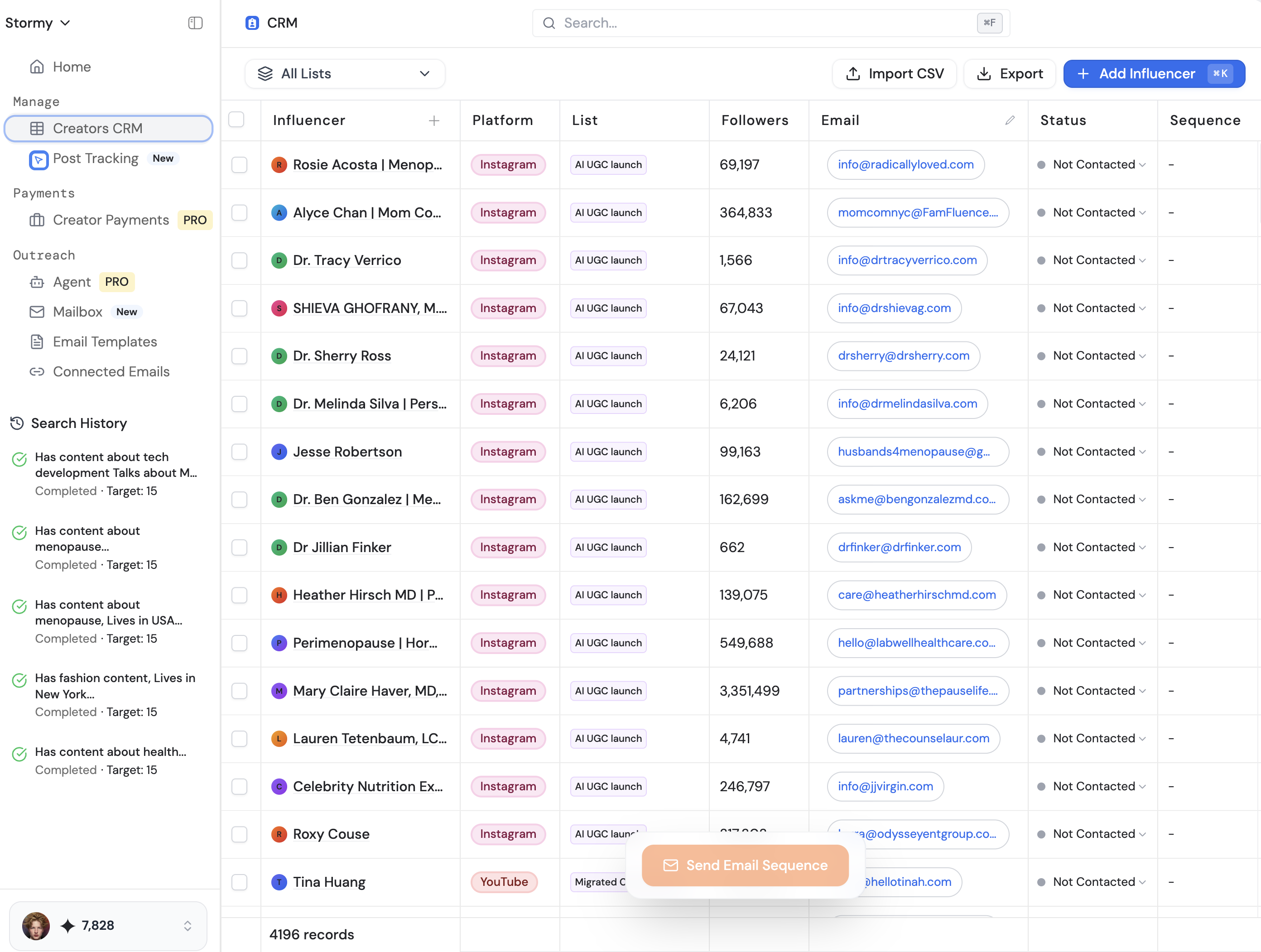
For example, you can prompt: "Design an interactive spinning wheel feature showcasing book covers in a circular interface with haptic feedback." Within seconds, you have clean, React-based code that you can preview and tweak. This approach allows you to iterate on the look and feel of your SaaS at lightning speed. If you are building an app that relies on creator content or user-generated reviews, platforms like Stormy AI streamline creator sourcing and outreach to help promote these features once the app is live.
Step 5: The Final Mile: Integrating Logic with Cursor
With the UI components ready, the last phase of the weekend is integrating the backend logic. This is where AI-powered code editors like Cursor or GitHub Copilot become indispensable. Download the code from V0, create a README that explains the project structure, and use Cursor to add the "meat" to the bones.
Ask the AI to set up your database schema (perhaps using Supabase or Prisma), handle user authentication, and connect your UI buttons to real backend actions. Because the AI understands your entire codebase, it can help you troubleshoot errors in real-time. By the end of Sunday, you aren't just looking at a pretty design—you are looking at a functional SaaS MVP that can actually handle user sign-ups and data processing.
Conclusion: Launch and Iterate
Building a SaaS in a weekend is no longer a feat of superhuman endurance; it is a feat of effective AI orchestration. By following this playbook—starting with audience validation, moving through AI-driven research, and finishing with rapid prototyping—you can bypass the months of stalling that kill most startups. The goal of your weekend isn't to build a finished product with zero bugs; it is to build a tangible asset that you can show to potential customers. Once your MVP is live, you can use automated tools like Stormy AI to find creators who can help distribute your new app to the masses. The tools are here, the cost of failure is low, and the speed of execution is entirely in your hands. Happy building.