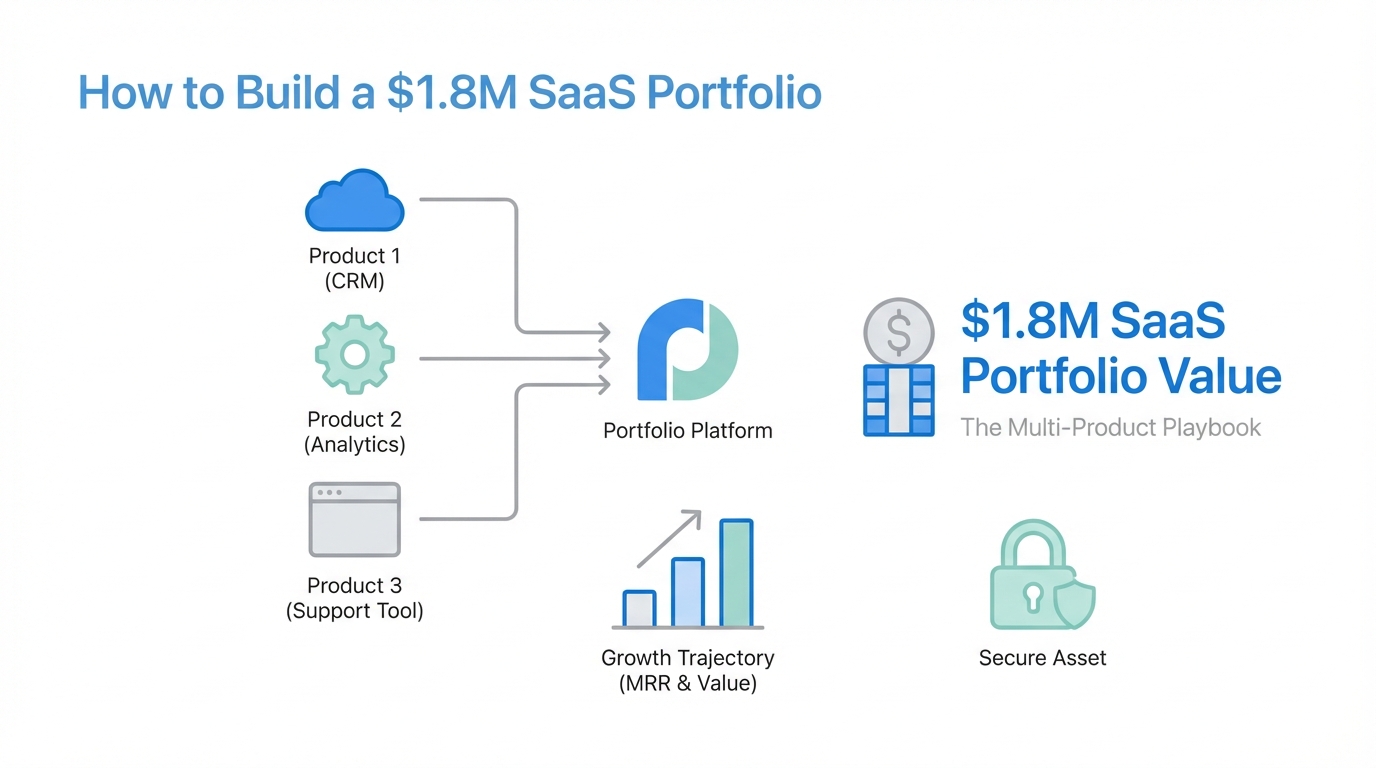
For most founders, the dream of software entrepreneurship looks like a single, massive "unicorn" application that conquers a global market. However, a new breed of entrepreneurs is proving that there is another, perhaps more resilient path to wealth: the multi-product strategy. Instead of betting everything on one high-stakes venture, leaders like Katie Keith are building SaaS portfolio strategies that generate millions in revenue through dozens of specialized, lightweight applications. This approach, often referred to as the micro-SaaS business model, prioritizes software product diversification to create a compounding effect that a single-product company rarely achieves.
By managing a suite of 20 different apps, Keith has scaled her business, Barn2, to over $1.8 million in annual recurring revenue. With over 17,000 active subscribers and 90,000 sites using her premium plugins, the success of this model lies not in the size of the individual apps, but in how they work together. In this playbook, we will break down the exact strategies used to build a million-dollar portfolio, from identifying niche gaps to maintaining the "shipping muscle" required to dominate a market.
The Shift from Monolithic Software to Micro-SaaS
In the early days of the web, software was monolithic. If you wanted a solution, you bought a massive suite of tools. Today, the market has shifted toward specialized, lightweight applications built on top of existing ecosystems like WordPress and Shopify. These platforms provide a built-in audience, allowing developers to focus on solving highly specific problems rather than building an entire platform from scratch.
The micro-SaaS business model thrives on this specificity. For instance, rather than trying to build a complete e-commerce platform, Keith’s team focused on small to medium apps that add specific functionality to a WooCommerce store—such as protecting categories or adding product tables. This allows for a leaner development cycle and much faster validation. When you are building for platforms that already have millions of users, finding a niche isn't about creating a new category; it’s about finding a gap in the existing forums where users are literally begging for a feature that doesn't exist yet.
When searching for these gaps, savvy entrepreneurs often look for trends among creators and influencers. If you notice many niche creators on Stormy AI are struggling with a specific workflow, that is your signal to build. Much like using the vetting tools in Stormy AI to analyze audience quality and fraud, finding the right software idea requires looking at data and community feedback rather than just following a hunch.
The Power of Compounding Software

One of the biggest misconceptions about a multi-product strategy is that it requires 20 times the work of a single product. In reality, a successful SaaS portfolio strategy relies on compounding software. This means your products should share a similar customer base, allowing your marketing efforts to scale across the entire portfolio. When your apps are closely related, they don't compete; they cross-promote.
For example, if a customer buys a document library plugin, they are highly likely to need a table layout plugin or a search enhancement tool. By offering product bundles and targeted upsells, you can significantly increase the lifetime value of a single customer. Keith notes that roughly 15% of her revenue comes from lifetime deals, and a large portion of her recurring revenue is driven by existing customers buying their second or third plugin from the same brand.
To maximize this compounding effect, you should implement advanced cross-promotion tactics, such as:
- Post-purchase email sequences: Offering a 50% discount on a related plugin three days after a purchase.
- In-app banners: Placing subtle reminders on settings pages about complementary tools.
- Segmented Black Friday campaigns: Messaging existing customers specifically with "discount off your next plugin" offers via Black Friday campaigns.
The 5-Step Playbook for Software Product Diversification
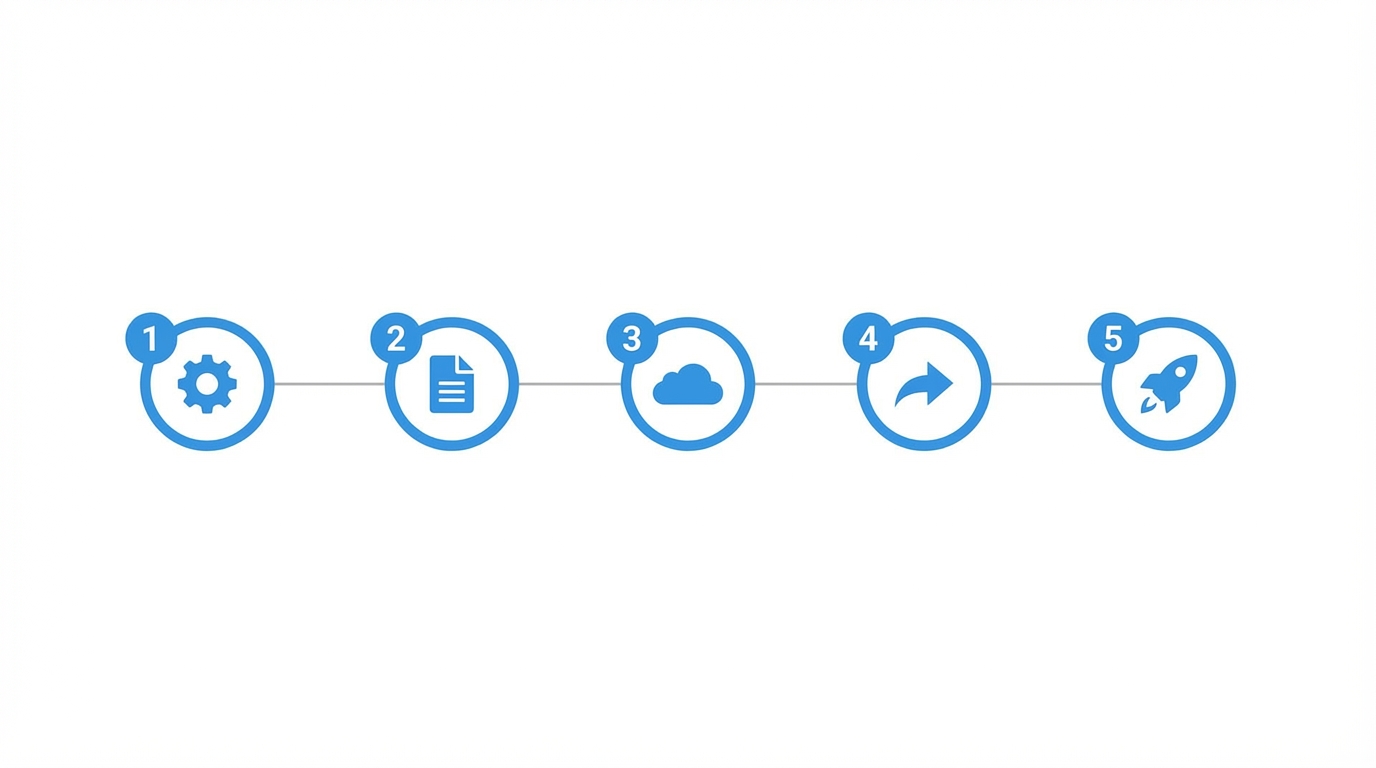
Building a $1.8M portfolio doesn't happen overnight. It requires a disciplined approach to software product diversification. If you were starting today, here is the playbook to follow to build your own portfolio from the ground up.
Step 1: Focus on Familiarity and Niche Gaps
Don't try to innovate in a field you don't understand. If you are a developer who builds websites for clients, look at the features you have to custom-code repeatedly. These are your first product ideas. Research community forums and ideas boards to find what people are voting for. Keith’s first breakthrough came from finding a highly-requested feature on a WooCommerce forum that no one had built yet. Use Stormy AI to find industry leaders via natural-language AI search and see what technical challenges they are discussing in their posts.
Step 2: Prioritize Overlapping Markets
Generate a long list of ideas, but only prioritize the ones that have overlapping target audiences. The goal is to build a ecosystem, not a disjointed collection of tools. If you build one app for photographers and another for dental surgeons, you cannot cross-promote them. If you build five apps for Shopify store owners, every new app you launch gains immediate traction from your existing user base.
Step 3: Launch Your "Anchor" Product
Choose the idea with the largest potential audience and the clearest marketing path. Build it, launch it, and treat it as your only product for several months. Do not attempt to launch five things at once. You need to listen to early users, fix bugs, and establish a steady stream of organic search traffic before moving on. Successful portfolios are built one "anchor" at a time.
Step 4: Develop Standalone Marketing and Cross-Promotion
When you are ready to launch product number two, market it as a standalone product. It needs to be able to survive on its own merit in the search rankings. Once it has its own legs, integrate your cross-promotion tactics. Link between the products in your documentation and email your existing users to offer beta-testing opportunities. This creates a safety net for every new launch.
Step 5: Repeat and Refine
Continue this process, ensuring you don't spread yourself so thin that the quality of your software suffers. As your portfolio grows, you will find that organic search becomes your primary engine. By publishing genuinely helpful, unique content about the various use cases for your products, you can dominate the search results for dozens of long-tail keywords simultaneously.
Managing 20+ Apps with a Lean Team
The biggest fear of the multi-product strategy is the maintenance nightmare. How do you handle bugs and updates for 20 different codebases? The secret is a combination of standardization and automation. When you build products that are "small to medium" in scope, the surface area for bugs is significantly reduced.
To manage this scale, you need a robust tech stack. Keith’s team relies heavily on ClickUp for project management and time tracking. By keeping all communication and task management in one hub, a lean team can move between products without losing context. Code repositories should be centralized on GitHub, and repetitive tasks—such as license delivery or customer onboarding—should be handled by Zapier automations, while influencer outreach can be automated via an AI agent in Stormy AI.
Additionally, as you grow, you will encounter enterprise-level requirements. Larger customers will eventually ask about compliance. Utilizing an AI-native platform like Delve can help you manage SOC 2 or ISO 27001 requirements without slowing down your development cycle. This allows you to focus on the "shipping muscle" rather than getting bogged down in security questionnaires.
The Role of the "Shipping Muscle"

Perhaps the most critical trait of a successful portfolio founder is the shipping muscle. This is the ability to take an idea from validation to launch with extreme speed. In a market where software is becoming easier to build, momentum is your greatest competitive advantage. If you can spin up a functional app in a few weeks and get it into the hands of real customers, you will outpace any large corporation building a "monolith."
Building 20 successful apps in a few years is only possible if you are willing to launch products that aren't "perfect" but are highly useful. Once a product is out in the world, opportunities come your way in the form of feature requests and feedback. This feedback often contains the seeds for your next product. If you do nothing, nothing happens. If you ship, the market tells you what to build next.
Conclusion: Diversify Your Way to SaaS Success
The SaaS portfolio strategy is a powerful alternative to the traditional all-or-nothing startup approach. By focusing on the micro-SaaS business model, leveraging compounding software, and building your shipping muscle, you can create a resilient, high-revenue business that doesn't depend on a single "home run" product. Start by looking at the platforms you already use, identify the gaps where users are struggling, and ship your first standalone tool. Whether you are searching for market gaps or looking for Stormy AI to provide campaign analytics and monitor engagement across platforms, the key is to stop planning and start building. As the journey of Barn2 shows, the path to $1.8M isn't built on one big idea—it's built on 20 small ones that never stop compounding.