In 1983, a shoe salesman in the small town of Sharon, Pennsylvania, became a national sensation. Larry Joltin, working out of Reyers Shoe Store, wasn't just moving inventory; he was building a legacy of radical customer loyalty that brands in 2025 are now desperately trying to replicate. In an era where AI automation often creates a 'doom loop' of robotic interactions, Joltin’s approach reminds us that the human touch remains the ultimate competitive advantage. By focusing on the 'perfect fit' rather than the quick transaction, Joltin sold roughly $500,000 worth of shoes annually in a town of only 20,000 people—a figure that translates to nearly $2 million today. His story, chronicled by CBS’s Charles Kuralt, serves as the definitive blueprint for personalized customer experience in the modern age.
The Statistics of Loyalty: Why 2025 is the Year of the Human Touch

The financial incentive for building customer loyalty strategies 2025 is clearer than ever. Recent data indicates that 60% of consumers are willing to pay more for brands they are loyal to, according to Mevrik 2025. In contrast, the cost of neglect is staggering. Research from Qualtrics 2025 reveals that 53% of bad experiences result in customers immediately cutting their spending with that brand. This shift underscores a pivot back to high touch customer service as a primary growth lever. When a brand treats a customer like a person rather than a ticket number, the lifetime value (LTV) skyrockets. In fact, loyal customers spend 67% more in their third year of a relationship than they do in their first six months, as noted by SellersCommerce. To capture this growth, companies must transition from transactional selling—getting the money now—to relational selling, which focuses on securing the customer for life.
The Measurement Ritual: Using 'Hard Questions' to Find the Real Need


Larry Joltin’s success was built on a specific ritual: he measured every foot, every time. He famously refused to sell any pair of shoes that wasn't a perfect fit, even if it meant losing a high-value sale that day. This process built a level of trust that no marketing campaign could buy. Experts like Amy Reczek suggest that "Personalization converts. Processes help you get there." In a digital context, 'measuring the foot' means practicing consultative selling. Instead of pitching generic features, successful sales teams ask the hard questions to identify the customer’s true pain point. 80% of consumers are more likely to purchase from a company that provides a tailored experience, according to Epsilon. If your software or service doesn't solve the specific problem, the 'Joltin way' dictates that you shouldn't sell it. This ethical closing prevents churn and creates a 'sale for tomorrow' that is far more valuable than today's commission.
Avoiding the 'Doom Loop': Why AI Needs a Human Out

As businesses rush to automate every interaction, they often fall into what CX experts call the 'doom loop'—a cycle of unhelpful AI responses that frustrate the user. Data from Text.com shows that 69% of consumers still prefer human intervention for complex issues over AI-only support. While automation handles routine tasks, empathy remains a human-only trait. Companies that fail to offer a clear 'human out' risk tanking their brand sentiment. According to CustomerHero, positive experiences drive loyalty far more than price, yet many brands treat returns as 'policies' or punishments rather than opportunities to build trust. Leaders at Sigma Connected emphasize that failing to bridge the gap between AI efficiency and human empathy is a top reason for customer churn in 2025.
The 'House Call' Mentality: Scaling Personalization with Modern Tools
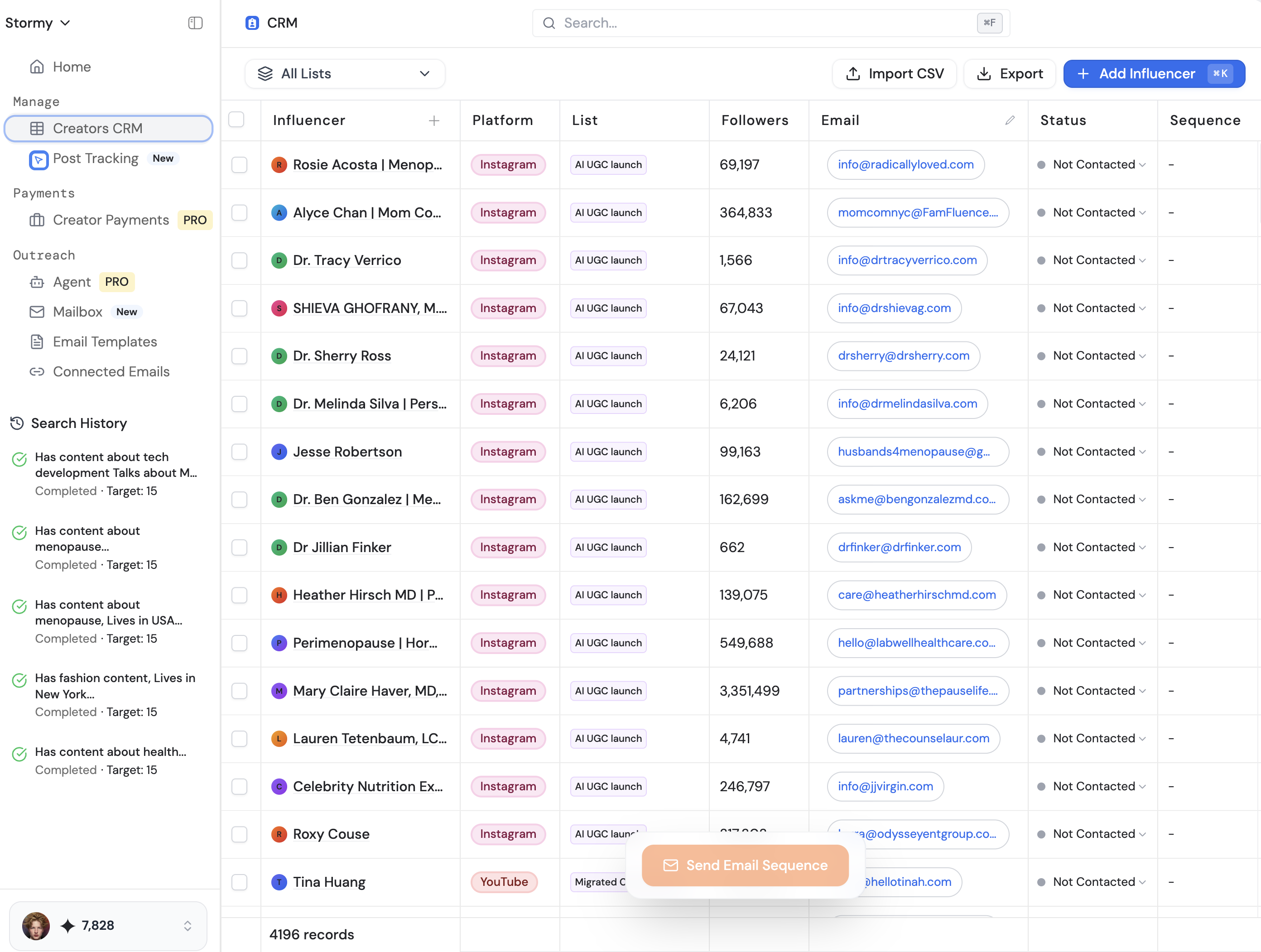
Larry Joltin didn't stop at the store counter; he made house calls to deliver shoes on his own time. In the digital era, this translates to a clienteling strategy—sending personalized video messages or curated lists to individual clients. Modern retail platforms like Shopify Plus allow brands to execute this at scale, using CRM data to reach out before a customer even realizes they have a need. Proactive selling can result in a 17% daily increase in sales, according to Prokeep. This proactive approach is particularly effective when working with creators and influencers. For brands managing large-scale collaborations, AI-native tools like Stormy AI can help source and manage UGC creators who genuinely fit the brand's identity, ensuring that outreach remains hyper-personalized rather than generic spam.
Ethical Loyalty: Lessons from Zappos, Nordstrom, and REI
The principles of high touch customer service are visible in the world’s most successful brands. Zappos, famous for its philosophy of 'Delivering Happiness,' empowers its representatives to stay on the phone as long as needed to solve a problem, mirroring Joltin's refusal to rush a fit. Similarly, Nordstrom is legendary for its returns policy, often going to great lengths to help a customer even if it means directing them to a competitor. These are not just policies; they are customer retention tactics designed to build long-term relationships. REI takes this a step further with its co-op model, focusing on 'Ethical Loyalty' where member dividends and personalized gear recommendations ensure a 'fit' for the outdoors. As Mark Sanborn argues, relational selling involves understanding the person in the process, not just the product. When empathy is prioritized, customer loyalty becomes a natural byproduct.
The 2025 Playbook for Radical Customer Loyalty
Building customer loyalty strategies 2025 requires a deliberate shift from automated efficiency to human-centric value. Follow these steps to implement the Joltin playbook in your business:
Step 1: Audit Your 'Measurement Ritual'
Identify the digital equivalent of measuring a foot. This might be a detailed onboarding questionnaire, a consultation call, or an AI-powered quiz that genuinely helps the user find the right product. If the result shows your product isn't a fit, practice ethical closing by telling them so. You lose a sale today but gain a brand advocate forever.
Step 2: Implement Proactive Clienteling
Don't wait for the customer to come to you. Use CRM data to reach out with personalized recommendations based on previous behavior. Use platforms like Shopify Plus or specialized outreach tools to send video messages that show there is a human behind the brand. For those in the creator space, using an AI-powered influencer CRM can help track these human interactions at scale.
Step 3: Kill the Doom Loop
Review your automated support flows. At every stage where an AI bot interacts with a customer, there must be a 'press 0' or 'chat with human' option that is easily accessible. According to Zendesk experts, empathy and understanding are the only things that still set top companies apart in an automated world.
Step 4: Reward the Relationship, Not the Transaction
Move beyond simple points-based loyalty programs. Create community-focused incentives, like the REI co-op model, that reward long-term engagement and brand alignment. Remember the RetailDoc philosophy: if you focus on the person, the profit follows.
Conclusion: The Future is High-Touch
Larry Joltin didn't have a modern CRM or an AI search engine, yet he achieved sales numbers that would make modern retail executives envious. His secret was simple: high touch customer service and an unwavering commitment to the customer's best interest. As we navigate the complexities of 2025, the brands that win will be those that use technology to enhance the human touch rather than replace it. Whether you are managing thousands of influencer relationships or a single retail storefront, the 'perfect fit' remains the most powerful growth strategy available. By adopting a clienteling strategy that prioritizes the person over the process, you can build the kind of radical loyalty that lasts for decades.