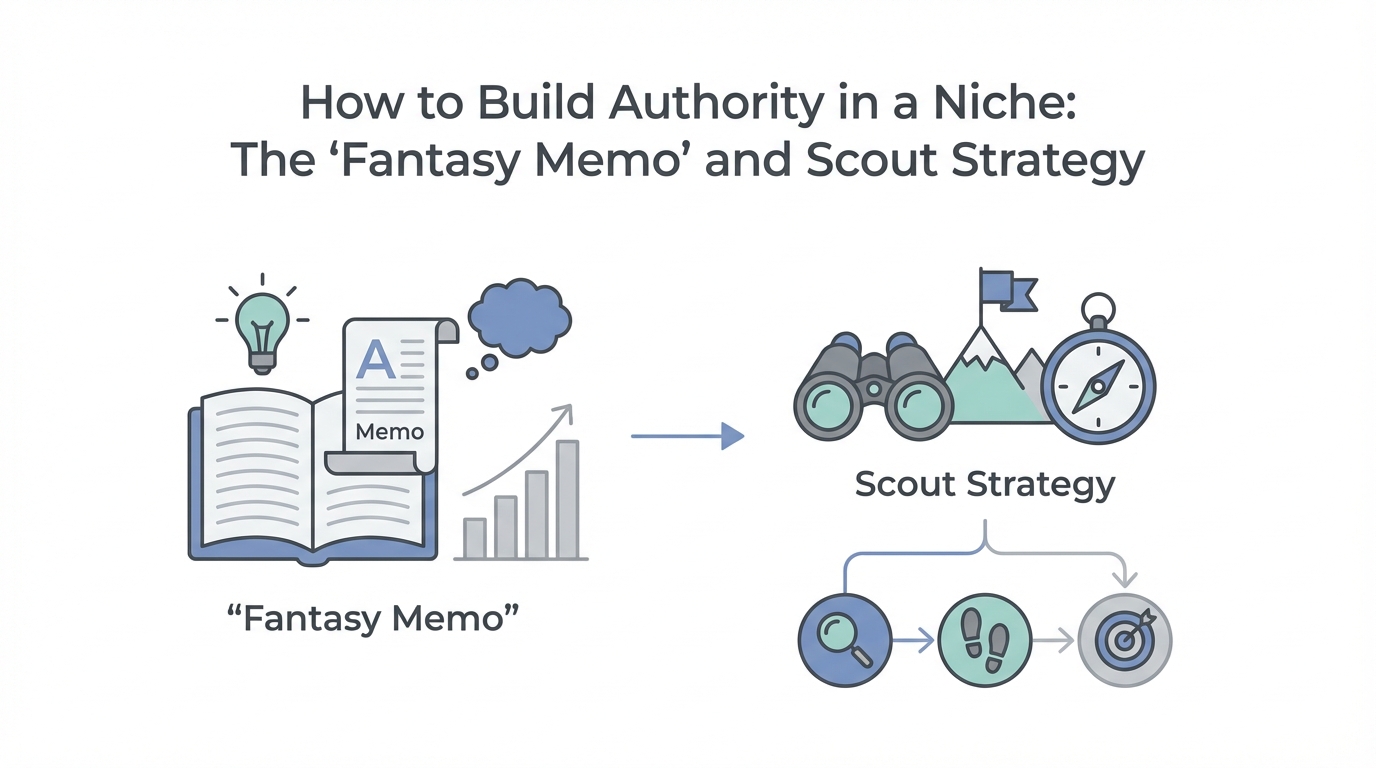
In the modern economy, your professional reputation is no longer defined by a static resume or a LinkedIn profile filled with generic endorsements. Instead, it is built on a foundation of publicly verifiable expertise. For aspiring influencers, investors, and entrepreneurs, the goal is to transition from being a passive observer to becoming the 'center of gravity' for a specific vertical. This shift creates what Naval Ravikant calls 'Type Four Luck'—a state where luck finds you because of your unique brand and positioning. Whether you are aiming for influencer authority or a career in venture capital, the playbook for niche marketing requires a strategic combination of content creation, networking, and intellectual leadership.
The Fantasy Memo: Building a Public Paper Trail
One of the most effective ways to establish thought leadership content without having a formal title is through the 'Fantasy Memo.' This concept, popularized by investors like Ryan Hoover, involves deconstructing companies, trends, or products before you are officially part of the industry. The goal is to build a public paper trail that proves your analytical capabilities to the world.
Take the example of Vedika Jain, who used this exact strategy to break into venture capital. Before joining a fund, she wrote 'fantasy memos' on companies like Retool, analyzing them as if she were a lead analyst proposing an investment. She didn't need permission, and she didn't need capital. She simply refined her thinking on paper. When it came time to interview, she didn't just tell people she was smart—she showed them her work. For anyone looking to improve their personal brand strategy, this creates a 'proof of work' that is impossible to ignore.
By deconstructing a business model or a market shift on platforms like Twitter or through a newsletter, you are essentially practicing the job you want in public. This strategy is particularly powerful for those looking to enter influencer marketing or SaaS. If you can consistently predict which products will succeed on platforms like Product Hunt, you aren't just a fan; you are a curator with a track record.
Becoming the 'XYZ Person': Selecting a Sustainable Niche

To truly own a vertical, you must become the 'XYZ Person'—the individual everyone thinks of first when a specific topic arises. This is the heart of niche marketing. Greg Isenberg was known as the 'community person,' and Ryan Hoover was the 'product person.' By narrowing your focus, you decrease competition and increase your value as a specialist.
Step 1: Identify a Sustainable Vertical
Selecting a niche is a balance between authenticity and market longevity. Avoid 'hot' trends that lack staying power. For example, being the 'chatbot guy' in 2016 was a risky move because the technology hadn't yet met the hype. Instead, look for behavioral shifts or technological changes that have long-term potential. Are you the 'UGC for Fintech' person? The 'AI-Workflow' person? The 'Web3 Social' person? The key is to choose something that feels sustainable and authentic to your interests.
Step 2: Own the Terminology
Once you’ve selected a vertical, you must own the language of that space. Influencer authority is often built on the ability to translate complex shifts into understandable frameworks. If you can introduce terms that others eventually adopt, you become a thought leader by default. This creates a signal that you are not just a participant, but someone pushing the industry forward.
The Scout Model: Earning Equity Through Value

You don't need a million dollars to start building an investment portfolio or a high-leverage network. The Scout Model allows individuals with high-quality social media networking skills to provide value to larger players—such as established brands or venture funds—and earn equity in return. This is a massive 'unlock' for those with a hustle mentality but limited capital.
Platforms like AngelList have revolutionized this by making it easy to split 'carry' (future profits) on a deal-by-deal basis. If you find a brilliant founder or a viral creator and introduce them to an investor who then funds them, you can often earn a portion of the upside. Figures like Sahil Lavingia have even formalized scout programs to empower builders to act as hunters for new deals.
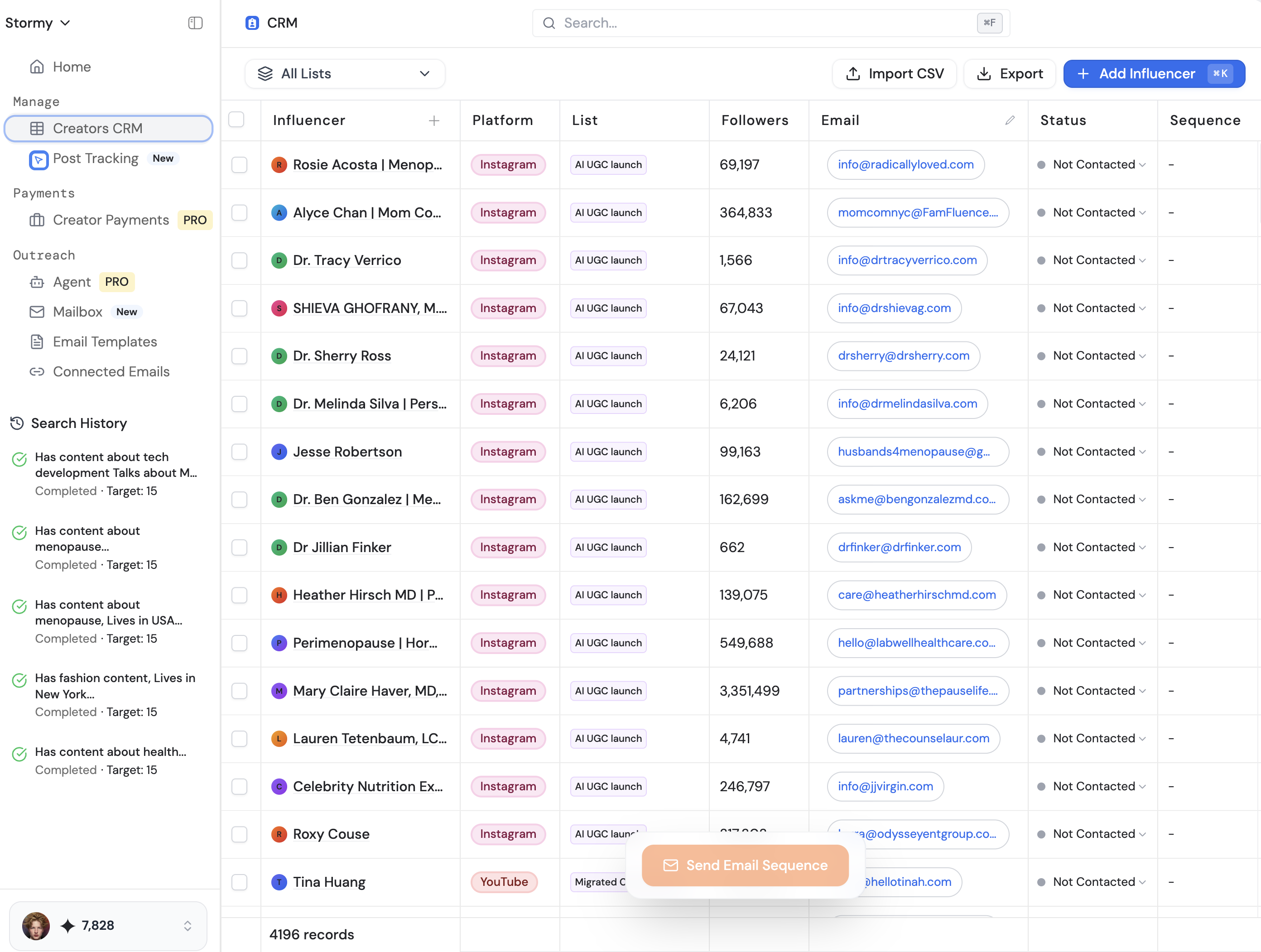
For those focusing on the creator economy, tools like Stormy AI can help source and manage UGC creators at scale, allowing you to build the very networks you’re analyzing. By acting as a scout, you aren't just 'networking'—you are facilitating wealth creation. Every time you bring a high-potential opportunity to a manager, you add to your credibility. Over time, you can point to a portfolio of deals you helped facilitate, which is the ultimate form of social proof.
Creating Language: Leading the Conversation

Industry leadership is often a game of semantics. The most respected figures in tech and marketing are those who give names to emerging phenomena. Thought leadership content reaches its peak when you introduce a mental model that becomes part of the industry's vocabulary.
Consider how Andreessen Horowitz (a16z) uses language to define entire sectors. Chris Dixon popularized terms like 'skeuomorphism' in the context of Web3 to explain why the first version of a new technology often looks like a digital version of the old one. When you create the language, you frame the debate. This creates a powerful feedback loop: people use your terms, which reminds them of your expertise, which brings more opportunities your way.
When you are looking for a niche, ask yourself: What is happening right now that doesn't have a good name yet? Is there a shift in how people use private real estate as an investment, like the trends seen on Fundrise? Or a shift in how athletes manage their health using products like LMNT? Identifying these gaps and naming them is the fastest path to influencer authority.
Leveraging Social Proof: From Passive to Active Authority
Building authority is not a one-time event; it is a recurring process of engagement. You must move your audience from passive consumers to active participants. This is where social media networking meets community building. While platforms like Twitter are great for discovery, owning your audience via email or a newsletter is essential for long-term stability.
The Power of Owned Audiences
If you have 5,000 email addresses of people who care about your niche, you have the foundation for a business. You can launch a fund, a product, or a consulting agency in days. Greg Isenberg famously raised seven figures for a rolling fund in a matter of days without a single meeting, simply because he had built a fervent audience that trusted his niche marketing insights.
One way to bridge the gap between digital and physical authority is through small, curated events. Using platforms like Luma to host weekly video sessions or irl meetups creates a 'shelling point'—a natural gathering place for like-minded people. When managing a growing roster of collaborators, using a creator CRM ensures you maintain those high-value relationships without letting opportunities slip through the cracks. This systematic approach to leveraging social proof turns 'weak ties' into 'strong ties' that drive your career forward.
The Playbook for Niche Authority: Step-by-Step
Building a personal brand can feel overwhelming, but it becomes manageable when broken down into a clear sequence of actions. Follow this playbook to establish yourself as an authority in any vertical:
Step 1: Choose Your Niche and Identity
Decide what you want to be known for. This should be a 'weird' or specific enough niche that you can realistically become a top-10 expert in it. Whether it's ASO strategies for mobile games or UGC influencer sourcing, specificity is your friend. This is the core of your personal brand strategy.
Step 2: Start Your Fantasy Memo Trail
Commit to writing one deep-dive analysis per week. Pick a company or a trend and deconstruct it. Share these on a public platform and tag the relevant players. This builds your thought leadership content archive and provides proof of your analytical skills.
Step 3: Become a Scout
Find ways to provide value to the leaders in your niche. Introduce them to interesting people, share data you've found, or surface 'hidden gem' creators. If you can help someone else succeed, they will eventually want to help you succeed. Use your social media networking to be a connector.
Step 4: Create and Distribute Language
Develop 1-2 frameworks or terms that describe what you're seeing in the market. Use these consistently in your content. If the terms are useful, they will spread, and your authority will grow with them.
Step 5: Move to Owned Platforms
Don't rely solely on social media algorithms. Convert your followers into newsletter subscribers or community members. This is how you transition from passive authority (people seeing your posts) to active authority (people paying attention to your direct messages).
Conclusion: The Gravity Effect
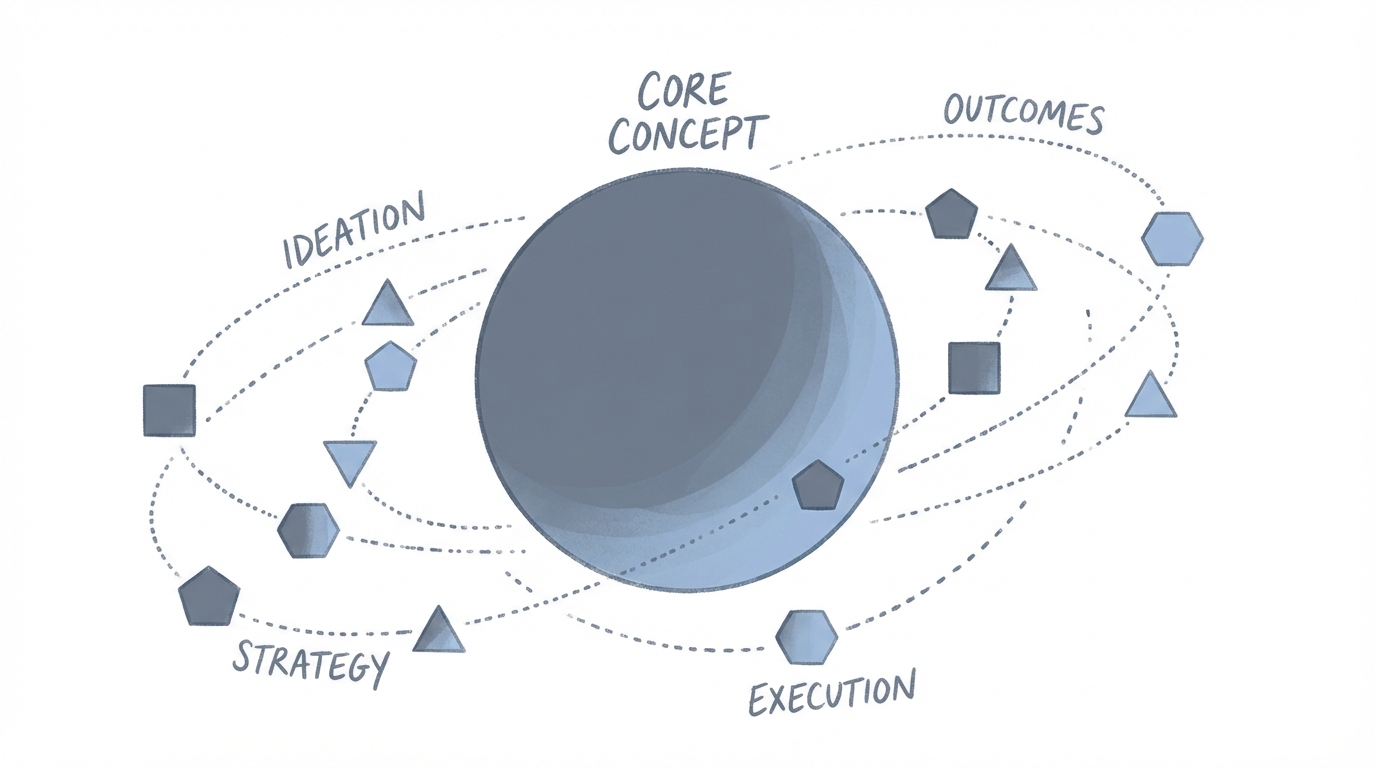
Building authority in a niche is not about seeking attention; it's about providing clarity. In an era of information overload, the person who can synthesize trends and provide actionable insights becomes the most valuable person in the room. By using the 'Fantasy Memo' to prove your worth, the 'Scout Model' to build your network, and 'Language Creation' to lead the narrative, you create a gravity effect that pulls opportunities toward you.
The goal is to move from Type One Luck (blind luck) to Type Four Luck (luck that finds you). When you are known as the expert in a vertical, you no longer have to hunt for deals—the deals hunt for you. Start building your paper trail today, pick your 'XYZ' identity, and become the center of gravity for your industry.