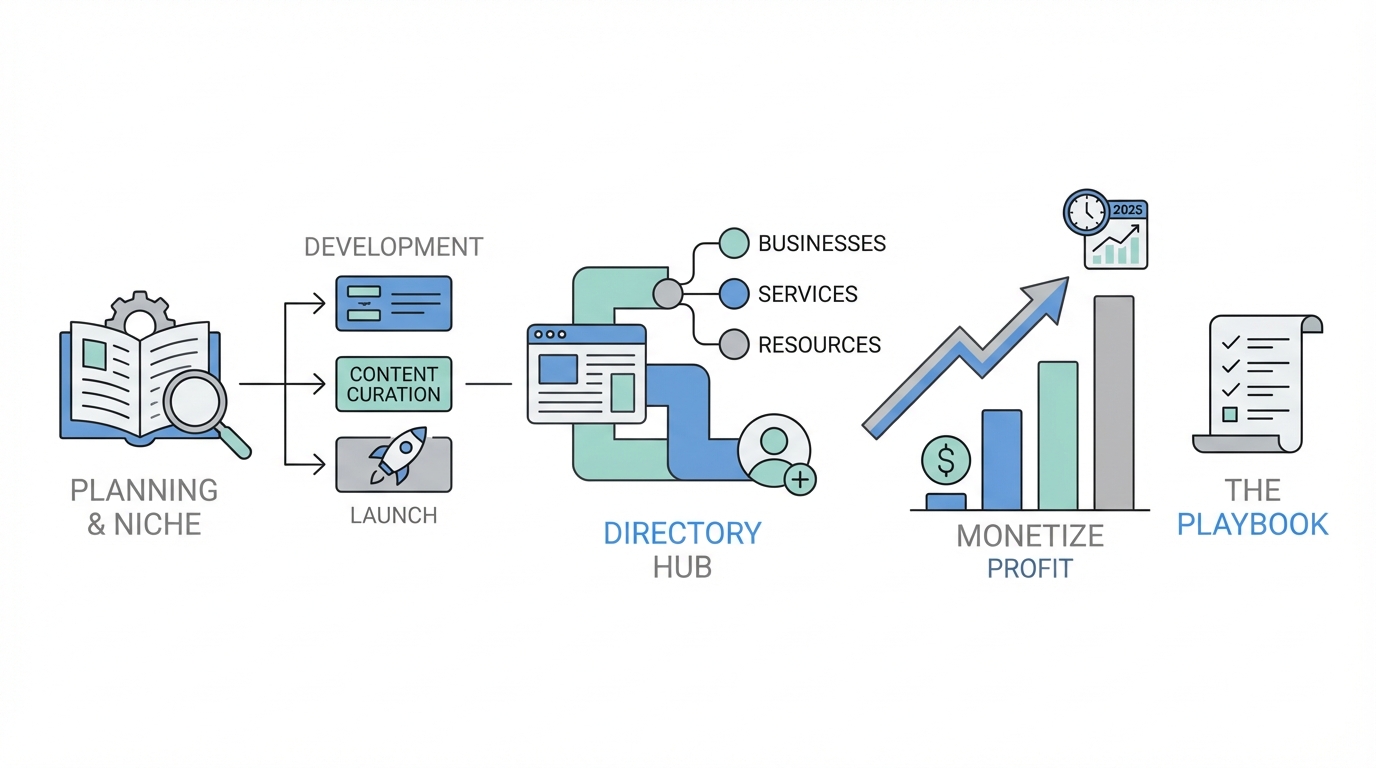
In the fast-moving landscape of digital entrepreneurship, many have declared the era of the directory website over. They argue that search engines and social media algorithms have rendered centralized lists obsolete. However, a new wave of founders is proving this theory wrong by identifying niche information gaps and building highly specialized hubs. One of the most striking examples is Cursor Directory, a simple project that was built in just a few hours and now generates $35,000 per month with a 99.8% profit margin. This case study demonstrates that profitable online business models are not always about complex SaaS architectures; often, they are about solving discoverability in emerging tech markets.
The 2025 Directory Landscape: Why Niche Discoverability Wins

While general-purpose directories like the yellow pages of the past are indeed dead, highly specific directories are thriving. The reason is simple: Information overload. As ecosystems like AI development, decentralized finance, and creator tools explode, users struggle to find high-quality, curated resources. Search engines often return generic SEO-optimized content rather than the specific utility a user needs.
According to research from Starter Story, niche directories work because they capture intent. When someone visits a site like Cursor Directory, they aren't just browsing; they are looking for specific "rules" or configurations to improve their coding workflow. By aggregating 49,000 registered users and 2.2 million unique visitors, the founders proved that owning a specific vertical's discoverability is one of the best niche directory ideas 2025 has to offer. Platforms like Stormy AI observe similar patterns in the influencer marketing space, where brands prefer specialized databases over broad social search.
How to Spot an 'Information Gap' in Emerging Markets
To understand how to start a directory website that actually makes money, you must first identify an information gap. An information gap occurs when there is a surge in interest in a topic, but the high-quality resources are scattered across GitHub gists, obscure forums, and Discord servers.
Take the example of Cursor, an AI-powered code editor. As its popularity grew, developers began creating custom "rules" to guide the AI. However, there was no central repository for these rules. Founders Pontus and Viktor noticed people searching through forums and decided to build a "home" for this data. This strategy is applicable across various sectors:
- AI Tools for Specific Industries: Instead of a general AI directory, build one specifically for mobile app marketing or app install campaigns.
- Developer Components: Curate specialized UI libraries or Shadcn components for specific frameworks.
- UGC Creator Databases: As brands pivot to video, a directory of UGC creators specialized in different niches is highly valuable.
The goal is to find where the "DNA" of a community is being shared and provide a beautifully designed interface to access it. As Pontus noted, being "dialed in" to a specific community allows you to see solutions that others miss.
The 3-Hour MVP: A Playbook for Fast Launching
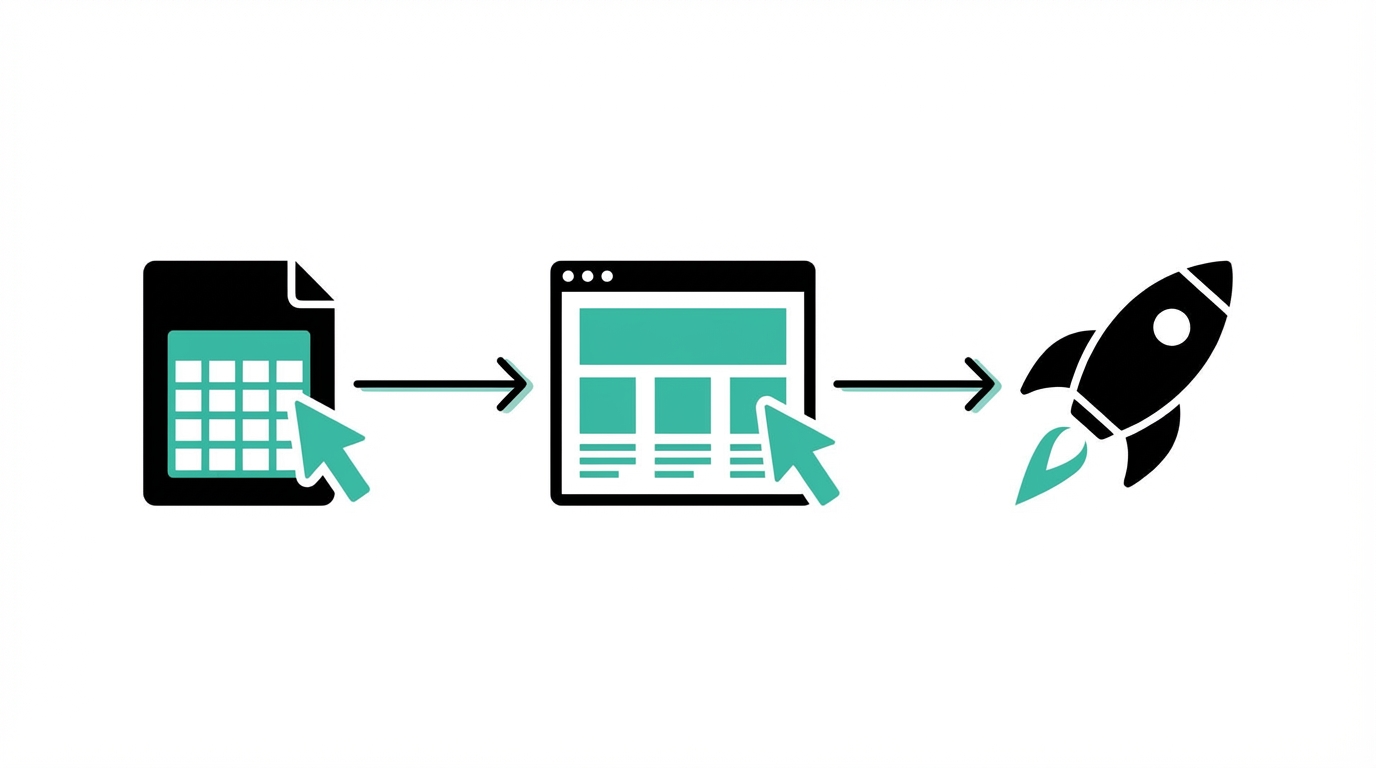
Most entrepreneurs fail because they spend months building features that no one wants. The profitable online business models of 2025 are built on speed. The Cursor Directory team built their initial version in just three hours. Here is the step-by-step playbook to replicate their success:
Step 1: Focus on the Core Data
Don't build a complex backend on day one. Start with a hard-coded JSON file containing the initial set of data you've found online. This allows you to have a functional site in minutes. You can use frameworks like Next.js to spin up a high-performance frontend quickly.
Step 2: Prioritize Design as a Competitive Advantage
In an era of AI-generated websites, design is a differentiator. Use clean, professional components and a distinct tonality. If your site looks high-end, users will trust the curated content more than a cluttered forum. The founders of Cursor Directory leveraged their existing design systems to ensure the site looked premium from the first click.
Step 3: Ship and Iterate in Public
Launch on platforms where your target audience lives. For developers, this might be X (formerly Twitter) or Hacker News. Building in public creates an immediate feedback loop and can lead to millions of impressions if the tool solves a genuine pain point. If you are targeting app developers, Stormy AI is a great place to identify creators who can help amplify your launch through UGC content.
Directory Website Monetization: Moving Beyond Basic Ads
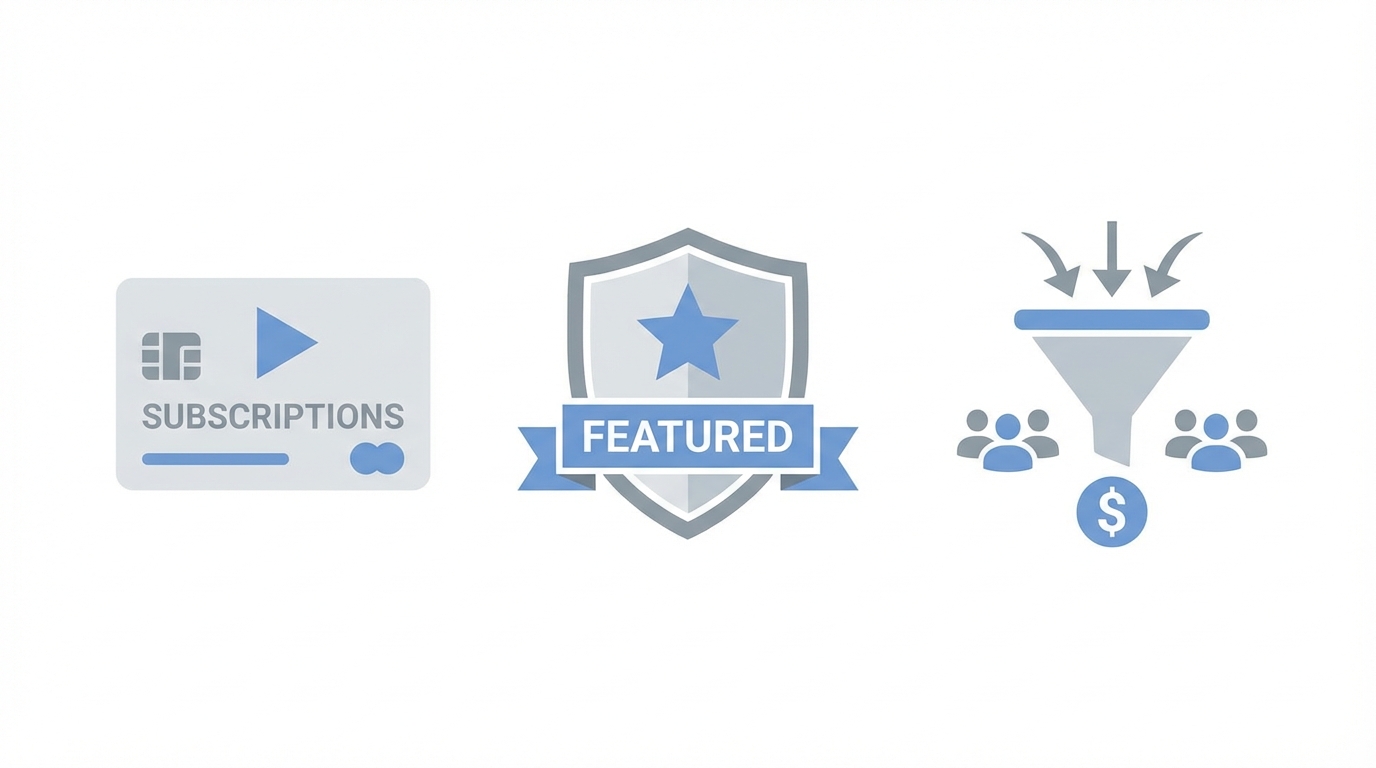
Once you have traffic, directory website monetization becomes the focus. Modern directories don't rely on intrusive banner ads; they integrate value-added revenue streams that feel natural to the user experience. The Cursor Directory model utilizes several high-margin streams:
- Featured Listings: Allow companies or creators to pay for top-of-page placement. For example, developers of Model Context Protocol (MCP) servers pay to be featured on Cursor Directory to reach their target audience.
- Niche Job Boards: Companies looking for specialized talent (e.g., engineers who are experts in AI rules) will pay a premium to list job openings. This creates a passive income website idea where the community generates the content and the revenue.
- SaaS-Lite Features: Add small, automated tools. Cursor Directory added a tool that allows users to upload their package.json file to generate tailored AI rules. This transforms a static directory into a utility.
- Membership and Community: Allow users to register, vote, and submit content. This not only increases engagement but allows you to build a valuable email list via tools like Resend.
Operation and Maintenance: Scaling to $35k with Low Overhead
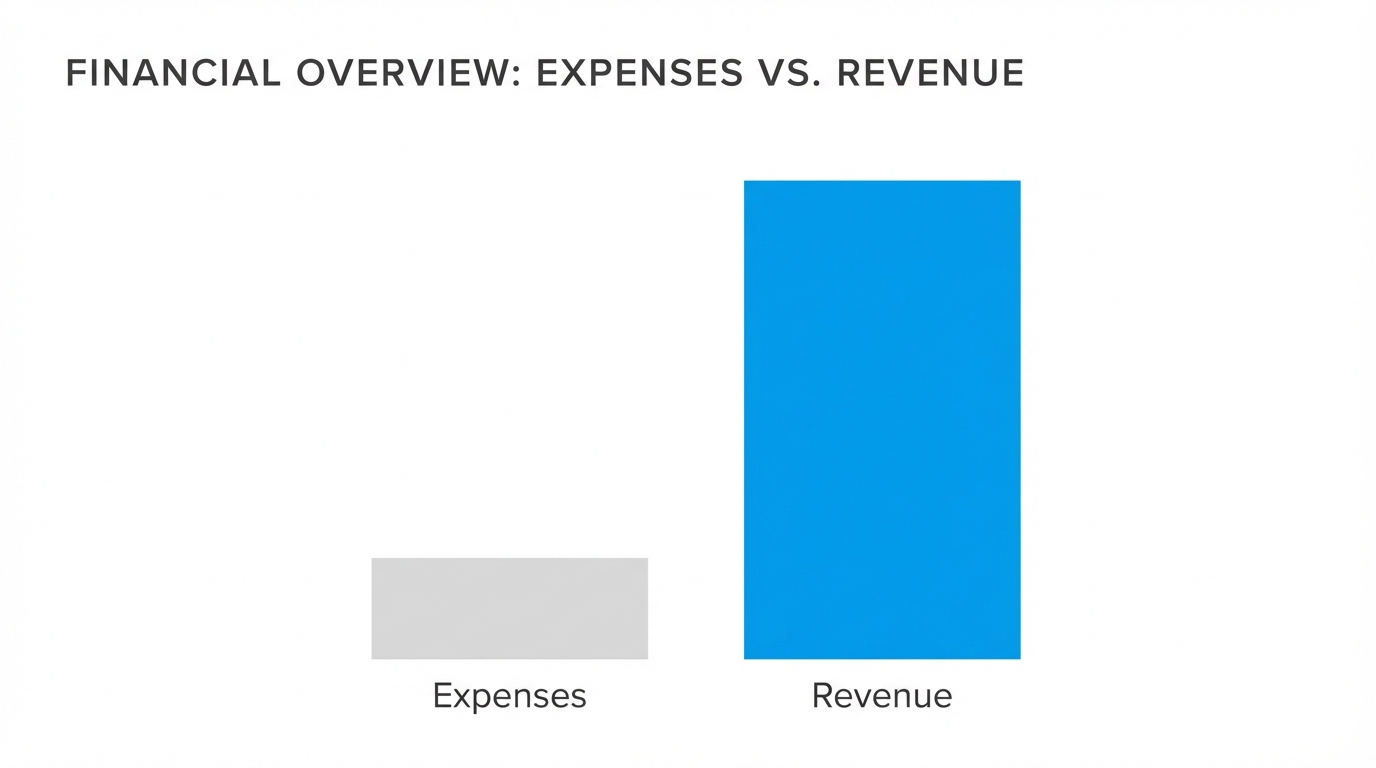
One of the most attractive aspects of this model is the 99.8% gross margin. The operational costs for a site handling millions of visitors can stay under $500 per month if you choose the right tech stack. The Cursor Directory stack is a masterclass in efficiency:
- Hosting: Vercel for seamless deployments and scaling.
- Analytics: OpenPanel for privacy-focused, developer-friendly tracking.
- Payments: Polar, which acts as a merchant of record, handling global taxes and compliance automatically.
- Project Management: Notion and GitHub for keeping the project organized and open-source.
Because the project is open-source and community-driven, maintenance requires only about three hours per month. This allows the founders to focus on their primary startup while the directory functions as a powerful passive income engine. For marketers using these directories to find creators, leveraging Stormy AI for finding UGC creators and influencers can further streamline the process of scaling outreach.
Leveraging UGC and AI for Directory Growth
To keep a directory alive in 2025, you cannot rely on SEO alone. User-Generated Content (UGC) and social proof are the primary drivers of sustainable traffic. When a directory provides genuine value, users will naturally share it on social media, create tutorial videos, and recommend it in newsletters.
For those building directories aimed at mobile app marketing or app install campaigns, the connection between a directory and UGC is even stronger. You can use your directory to host top-performing ad creatives or influencer profiles, creating a recursive loop of value. Brands are constantly looking for how to find UGC creators, and a well-maintained directory in this niche can command high listing fees from both creators and agencies. Instead of manual searching, many founders now use Stormy AI to instantly vet creators for fake followers and engagement fraud using its deep AI-powered quality reports.
Conclusion: Your Action Plan for 2025
The success of the Cursor Directory is a reminder that the most profitable online business models are often the simplest. By focusing on a specific niche, shipping a beautiful MVP in hours, and leveraging modern payment and hosting tools, you can create a high-margin business with minimal maintenance.
Your Next Steps:
- Identify an information gap: Look for topics with high "search noise" but low "curated signal."
- Build your 3-hour MVP: Use Next.js and a simple JSON file to launch.
- Monetize via value: Integrate featured listings and job boards using Polar.
- Scale with UGC: Encourage your community to share and contribute content.
Whether you are a developer looking for a side project or an entrepreneur seeking a passive income website idea, the niche directory model remains one of the most effective paths to financial independence in 2025. Don't overthink it—just start building.