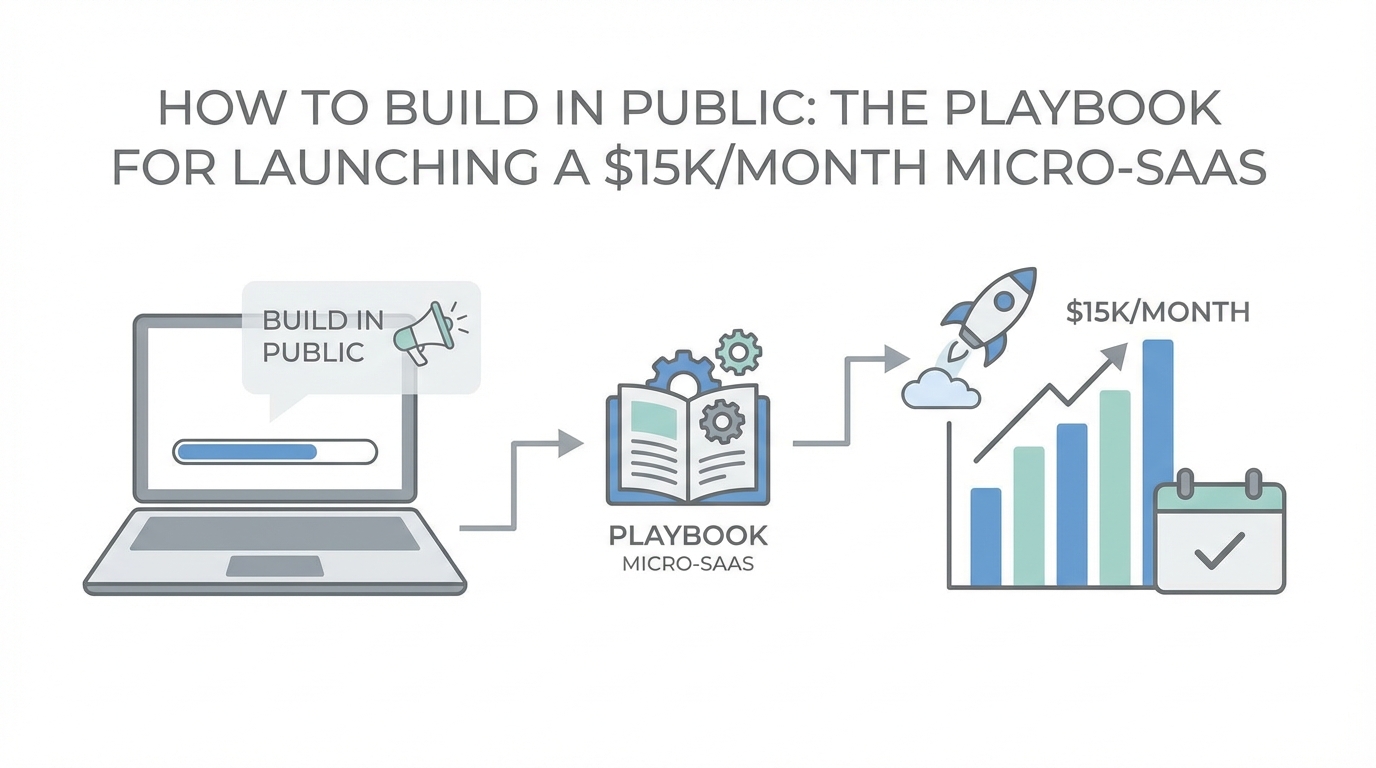
Imagine spending years building a product only to launch to total silence. This is the nightmare of every entrepreneur, yet it happens daily because most founders hide in a vacuum during the development process. However, a new breed of builders is flipping the script. By choosing to build in public, solo founders are validating ideas in hours rather than months. Take Lewis, an indie hacker who failed with 15 projects before changing his strategy. By documenting his 12-hour build process for an app called Audio Pen, he didn't just ship a product; he built a community-driven engine that now generates $15,000 in monthly recurring revenue. This article will break down the exact playbook for micro-SaaS marketing and how to validate an app idea using the power of transparency and personal branding.
Why Building in Public is the Ultimate Validation Tool

For many founders, the fear of someone "stealing their idea" prevents them from sharing their progress. In reality, the greatest risk is not theft, but irrelevance. Lewis failed with over a dozen projects because he was building in isolation. When he shifted to a transparent model on X (formerly Twitter), he found that the feedback loop was the secret to launching a SaaS product successfully. Sharing your wins, losses, and even your code snippets creates a sense of accountability and early interest that corporate marketing simply cannot replicate.
The methodology is simple: if you share a concept and nobody engages, you’ve saved yourself months of wasted development time. If you share a screenshot of a Figma prototype and get 50 DMs asking for a beta link, you have validated your app idea. This real-time market sentiment is exactly what an AI-powered search engine like Stormy AI helps marketers identify when they look for trending creators or niche influence. For an indie builder, your "influence" is your transparency. By showing the "messy middle" of the build, you invite potential users to become stakeholders in your success, making them far more likely to convert into paying customers later on.
The Halfday Build Framework: Generating Early Signal
One of the most effective ways to jumpstart micro-SaaS marketing is the "Halfday Build" sprint. Lewis utilized this framework to move from idea to revenue in less than 12 hours. The goal isn't to build a perfect, feature-rich platform; it’s to build the Minimum Viable Product (MVP) that solves one specific problem exceptionally well. This approach forces you to ignore "nice-to-have" features and focus on the core value proposition.
During a 12-hour sprint, the builder starts at noon and aims for a dollar of revenue by midnight. This constraint is a powerful tool for personal branding for founders because it creates a high-stakes narrative that people love to follow. You aren't just a developer; you're a protagonist in a race against time. By posting hourly updates on X, you create a "hook" that keeps your audience refreshed on your profile. This level of engagement is often higher than what you’d see from a traditional Google Ads campaign because it is rooted in authentic human storytelling.
The Playbook for Launching a SaaS Product
To replicate this success, you need a structured approach that balances building with promotion. Follow this 4-step framework to go from a blank screen to a revenue-generating app.
Step 1: Curate Inspiration and Design for Signal
Before writing a single line of code (or opening a no-code builder), you must visualize the end product. Lewis spent time on Pinterest and Figma to find design inspiration. In the world of micro-SaaS, design is a primary differentiator. A polished UI suggests a professional product, even if the backend is simple. Share your design mockups early. If people resonate with the look and feel of the tool, you have your first signal that you're on the right track.
Step 2: Build the 'Pointy' Feature
Successful micro-SaaS products usually have "pointy features" — they do one thing and do it better than anyone else. For Audio Pen, that feature was converting messy voice notes into clear, structured text. When you launch a SaaS product, resist the urge to add five different features. Focus on the one that solves the most immediate pain point. Using no-code tools like Bubble allows you to move at the speed of thought, ensuring you don't get bogged down in technical debt before you even have a customer.
Step 3: Spin Up an Early Waitlist
Roughly 10 hours into your build, you should have a basic landing page. Use this to capture emails. Even a simple Google Form can serve as a waitlist. This creates a list of warm leads who are already invested in your story. When Lewis launched his waitlist, he was surprised to see Stripe notifications coming in before the product was even fully released. People were willing to pay just to be first in line. This is the peak of how to validate an app idea: when someone is willing to open their wallet for a promise of a solution.
Step 4: Launch and Iterate Publicly
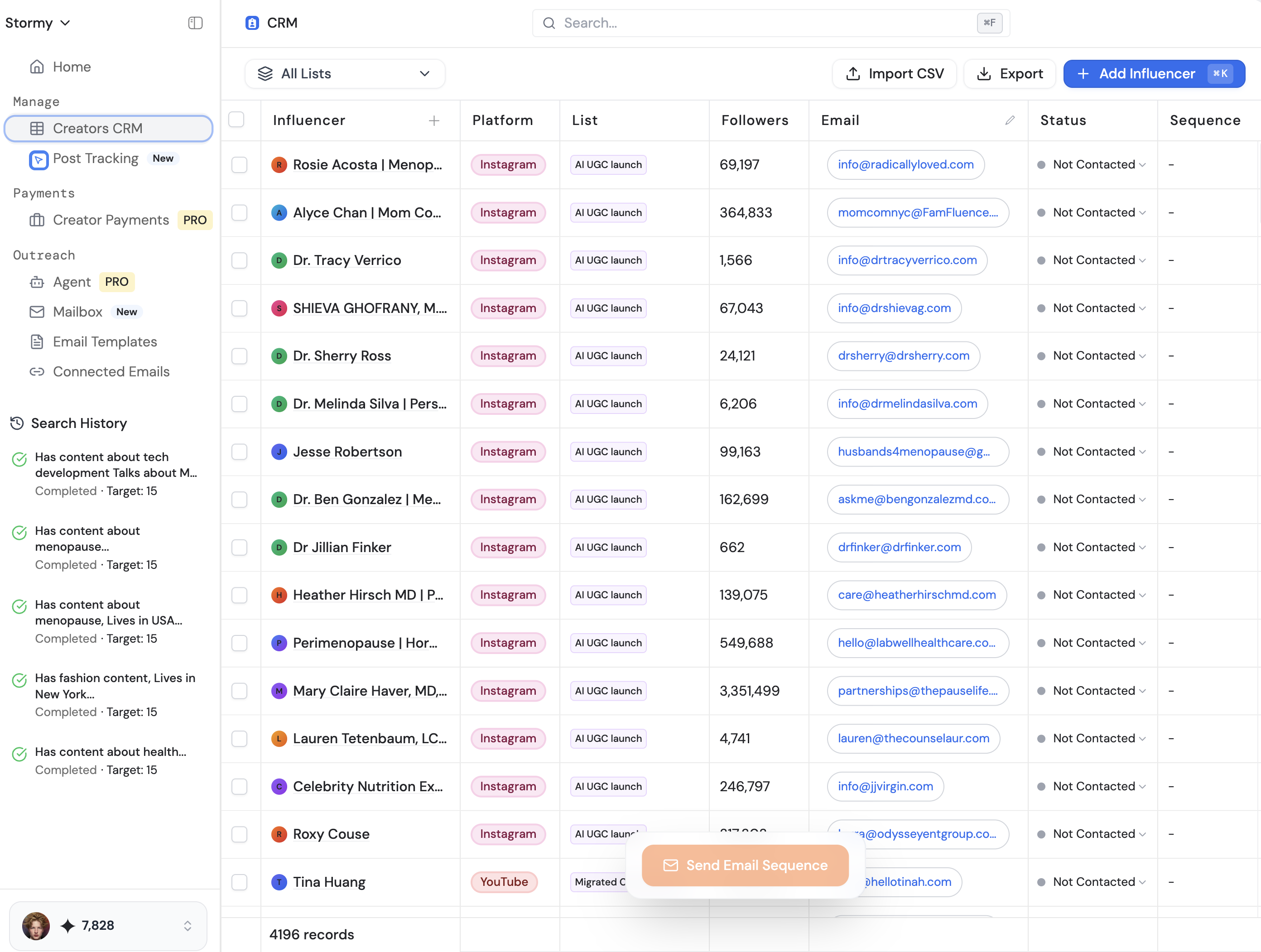
Once the MVP is live, the build in public journey doesn't end; it enters a new phase. Use your early users to gather feedback. DM them, ask what they like, and more importantly, what they hate. As you refine the product, you can begin to scale your reach. This is the stage where integrating UGC (user-generated content) for mobile app ads becomes vital. When you're ready to scale your user base through creators who can showcase your app's value, you can use Stormy AI for influencer analysis and vetting to ensure you are partnering with accounts that have real, engaged audiences.
Transitioning from Beta to Paying Customers
The bridge between a "cool project" and a $15,000/month business is direct engagement. Lewis’s transition to revenue was fueled by his credibility on social media. Because he had been building in public for months, his audience trusted him. When he asked for a $99 annual fee, they didn't see a corporate price tag; they saw a way to support a creator they had cheered for.
To maximize conversions, leverage your personal story. Personal branding for founders is about being the face of the product. Share the "behind the scenes" of your Stripe dashboard (if you're comfortable) or the challenges of balancing a full-time job with your side project. This vulnerability builds a moat that larger competitors cannot cross. They can copy your features, but they cannot copy your journey.
The 'Behave Like an Indie Hacker' Rule
A common mistake in micro-SaaS marketing is trying to look "bigger" than you are. Founders often use "we" instead of "I" or adopt a stiff, corporate tone. This is a mistake. The advantage of being a solo builder is the human connection. People buy from people. When you act like an indie hacker, you allow your users to feel like they are part of a movement. They will forgive bugs, offer better feedback, and act as your biggest advocates on social media.
This human-centric approach is also why UGC content performs so well for app install campaigns. Whether you are running Meta Ads Manager or Apple Search Ads, showing a real person using the product in a real-world setting will always outperform a generic graphic. By building in public, you are essentially creating a continuous stream of organic UGC that can be repurposed for your paid marketing efforts.
The Tech Stack: Building Fast and Lean
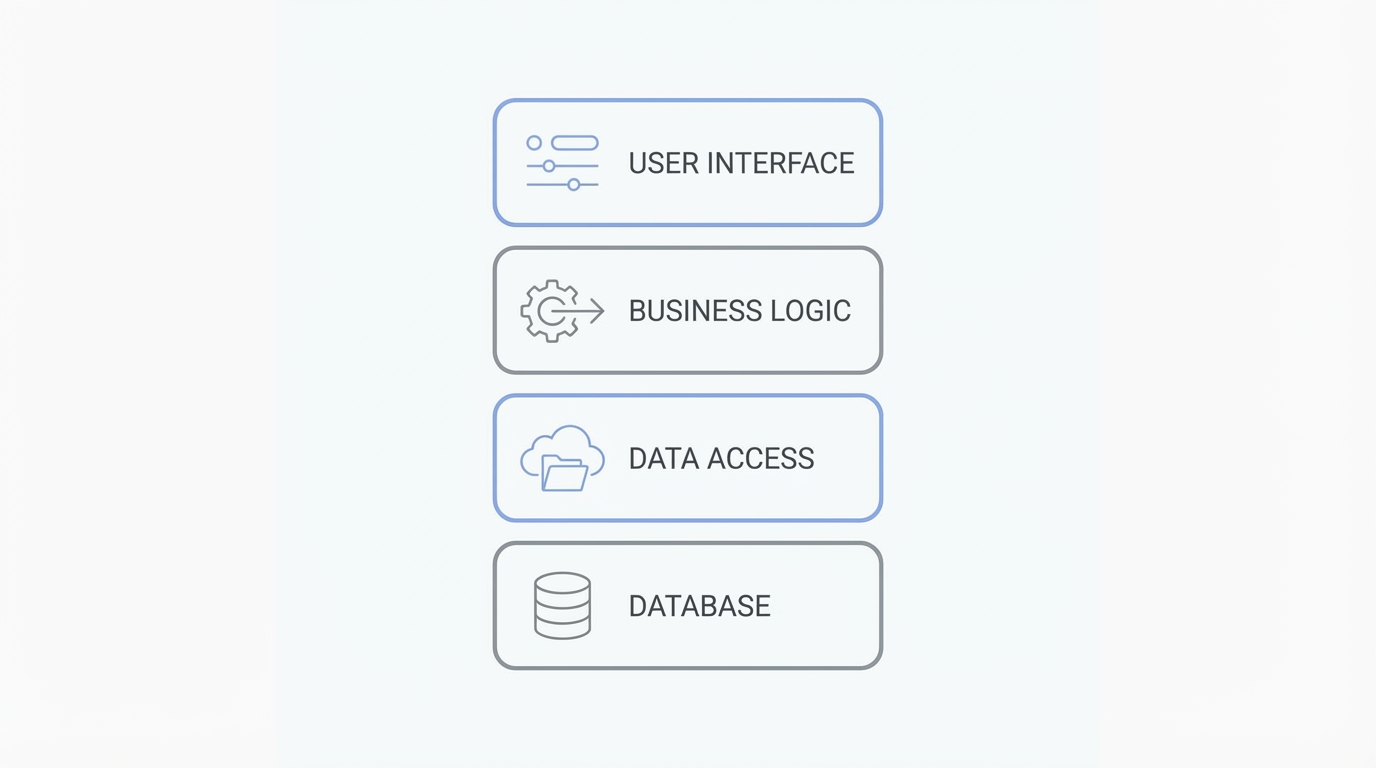
You don't need a massive budget to launch a SaaS product. In fact, many successful micro-SaaS apps are built on surprisingly affordable stacks. Here is the breakdown of the tools Lewis used to scale Audio Pen to $15k/month:
- Development: Bubble for the web app (approx. $130/mo) and Draftbit for the native mobile app.
- Backend & Logic: Xano (Zeno) for complex processing and API management.
- Email Marketing: Loops for automated onboarding and user communication.
- Analytics: Plausible Analytics for privacy-friendly tracking ($19/mo).
- Payments: Stripe for handling non-recurring subscriptions.
By keeping overhead low, you can remain profitable even with a smaller user base. The focus should always be on slow consistency and doing one thing exceptionally well. As the product grows, you can reinvest your profits into more aggressive acquisition strategies, such as using Stormy AI to automate creator outreach and hyper-personalized emails to influencers.
Conclusion: Your Journey to Micro-SaaS Success
The path to a $15,000/month micro-SaaS isn't paved with complex code or massive venture capital; it's paved with transparency and speed. By choosing to build in public, you eliminate the guesswork of how to validate an app idea. You build a community before you build a product, ensuring that when you finally launch a SaaS product, there is a line of customers waiting at the door.
Remember the core tenets of the indie hacker playbook: build small things for fun, design for impact, and never stop sharing your story. Micro-SaaS marketing is as much about the builder as it is about the build. Start your next project at noon, document every step, and you might just find yourself with a successful business by midnight. For those looking to scale their newly validated apps through the power of influence, the Stormy AI creator CRM is here to help you manage relationships and take your product to the next level.