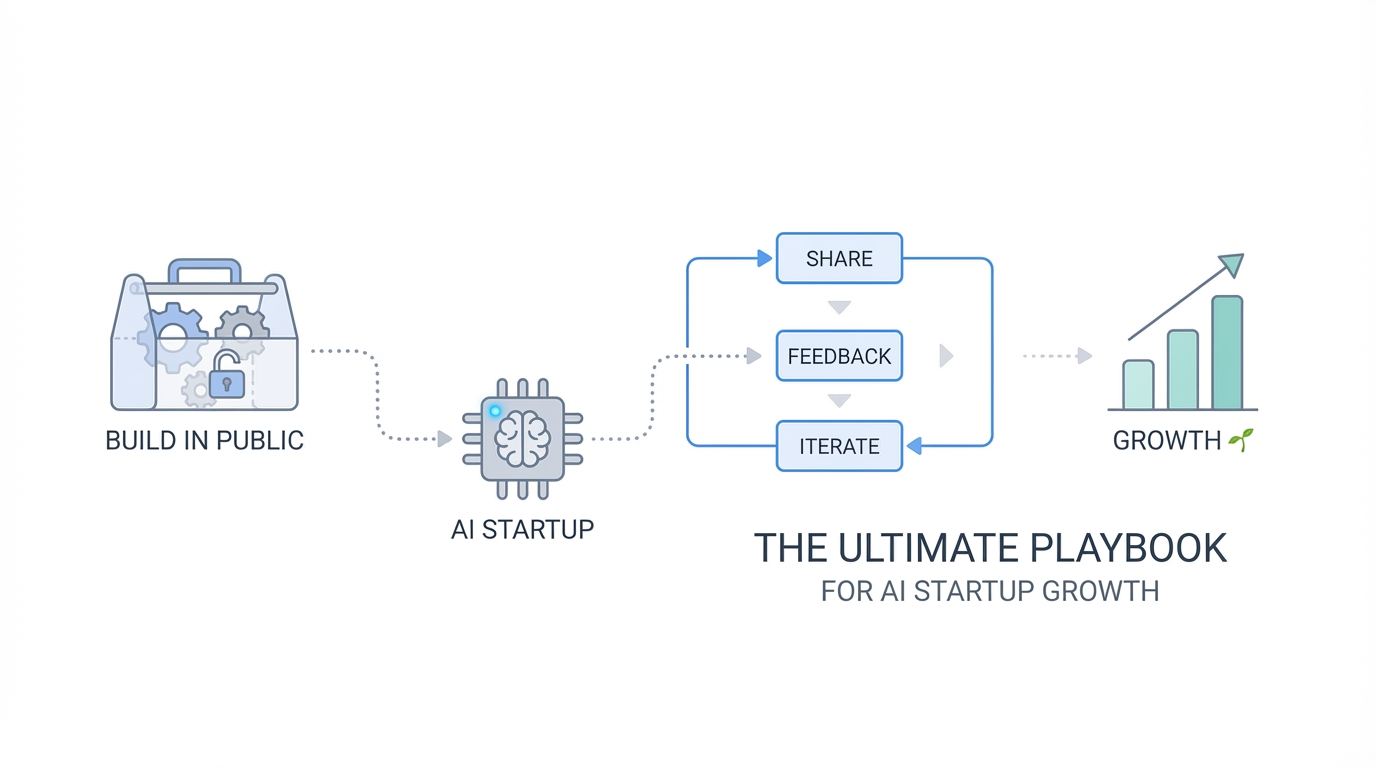
The landscape of software development is undergoing a seismic shift. We are currently witnessing an AI gold rush where the barrier to entry for creating complex applications has effectively vanished. At the heart of this revolution is the Build in Public (BIP) movement—a strategic approach where founders document every step of their journey to foster trust, community, and early adoption. This isn't just a trend; it's a documented growth engine. Look no further than the recent Bolt hackathon, which shattered records by attracting over 130,000 builders and resulting in the creation of over one million new web apps in just 30 days. For any founder looking to scale an AI startup, understanding how to harness this transparency is the difference between launching into a vacuum and launching into a waiting crowd of thousands.
The Build in Public Framework for AI Startups
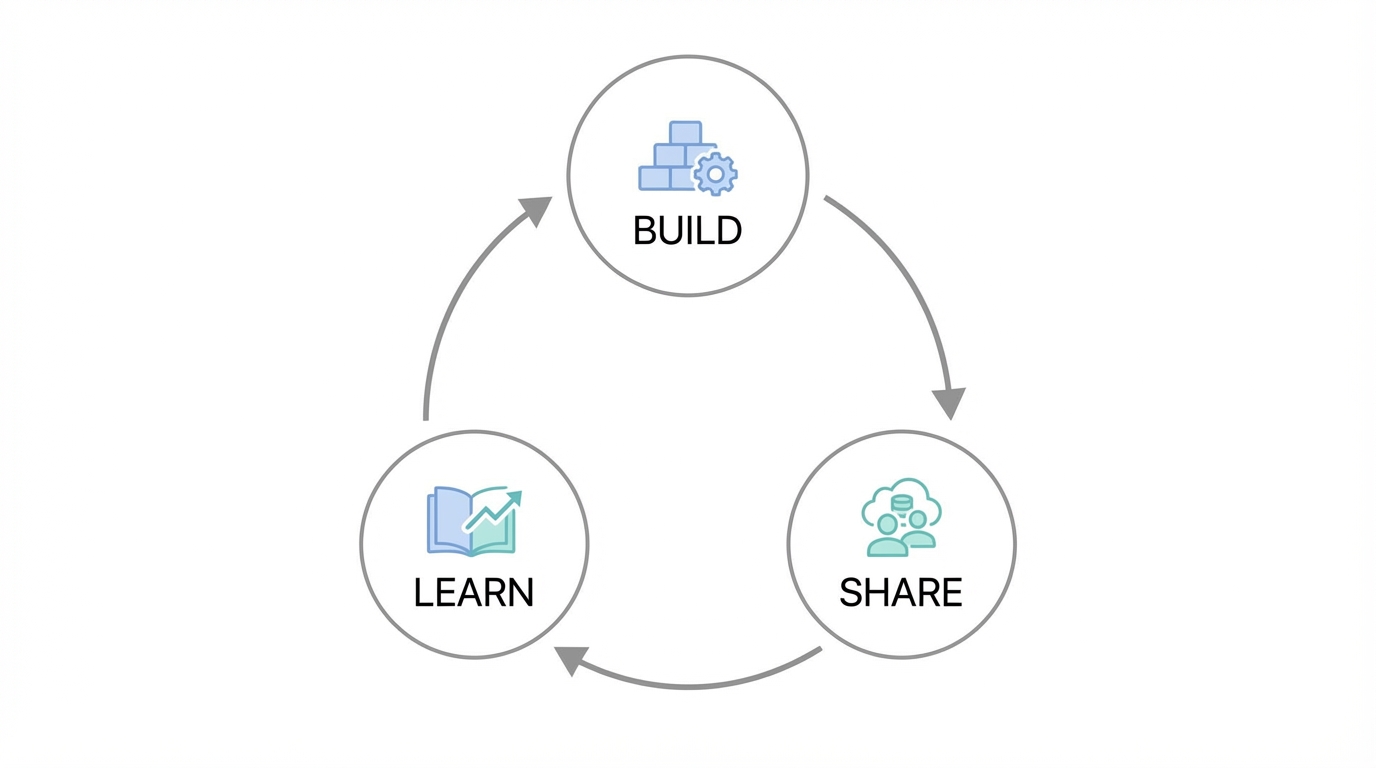

Building in public is the act of sharing the internal process of creating a business—the highs, the lows, the wireframes, and even the technical failures—with an audience on social media. In the context of AI startup marketing, this framework works because it humanizes the technology. When users see the human behind the model, they aren't just buying a tool; they are investing in a mission. As noted by participants in the Bolt event, the goal is often to take what is in your head and build something with superhuman intelligence. Sharing that process on platforms like X (formerly Twitter) creates an immediate feedback loop that traditional marketing cannot match.
For AI startups specifically, BIP serves three critical functions: it validates the product-market fit in real-time, it builds founder-led growth by establishing authority, and it creates a defensible brand in a crowded market. When you share that you are using specific integrations from Anthropic or Google AI Studio, you are educating your audience on the quality of your engineering while simultaneously building anticipation for the features those technologies enable.
How to Document Daily Progress: From Wireframes to Melted Servers
The most successful founders in the BIP movement follow a consistent cadence of documentation. It is not about polished marketing copy; it is about radical transparency. To successfully navigate how to launch an AI app, you must document the 30-day journey with the same intensity as the coding itself. This involves daily updates that range from the mundane to the miraculous.
Step 1: The Vision and Wireframes
Start by sharing the 'why.' For many builders in the Bolt hackathon, the 'why' was deeply personal. Whether it was Zhang, a new mom building an AI mentor, or the founder of BenchApp creating a tool for recovery, the story is what captures attention. Post your early wireframes and initial prompts. This allows your audience to see the technical implementation from day one. It also gives them a sense of ownership in the product's evolution.
Step 2: Shipping Features and Tweaking Prompts
AI development is iterative. Share screenshots of your logic and the specific LLMs you are testing. When you get the formatting to work or find the right prompt that makes the AI 'click,' celebrate it publicly. This creates a narrative of progress that keeps followers engaged. Participants in the 130k-strong hackathon community found that showing up every day to build and learn from others created a massive wave of social media branding for founders.
Step 3: The 'Melted Servers' and Failures
True transparency includes the technical hurdles. During the final hours of the Bolt hackathon, the volume of submissions actually crashed the Devpost website. This 'melted servers' moment became a rallying cry for the community. When your app crashes or an API call fails, share it. It shows that you are pushing boundaries and working in the trenches. This level of honesty builds more trust than any perfectly curated ad campaign could ever achieve.
The Founder Transparency Checklist: Building Trust Through Data
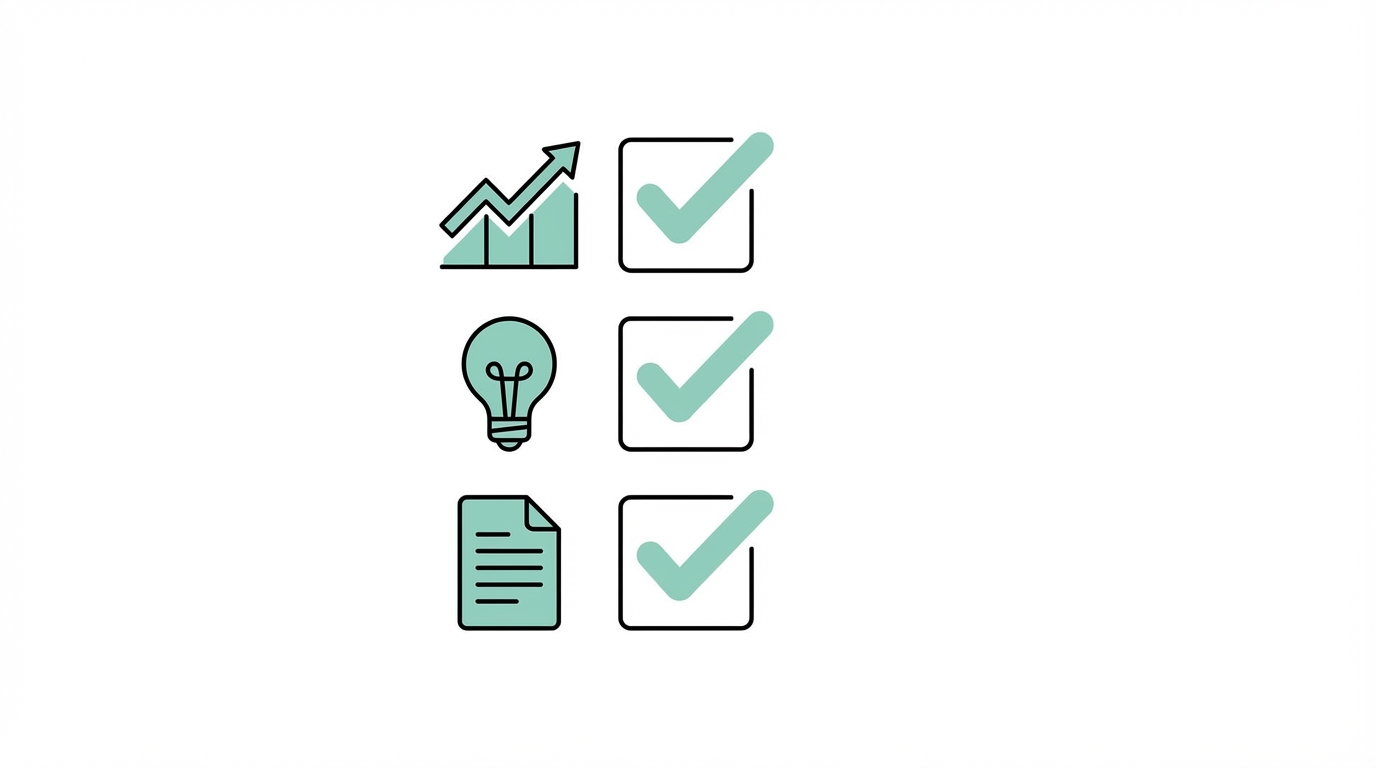
To master founder-led growth, you need a system for what to share. Use this checklist to ensure you are providing the kind of value that converts followers into power users:
- Revenue and Growth: If you move from a $1 to a $5 monthly plan, or land your first enterprise client, tweet it. Real numbers validate that people value what you are building.
- Technical Stack: Be open about the tools you use. Mentioning how ElevenLabs powers your voice agents or how Stripe handles your payments helps other builders learn and establishes you as a resource.
- Emotional Hurdles: Building a startup is hard. It is okay to admit when you think about quitting or when you are struggling to find a new job while building your dream.
- User Feedback: Share what users are saying—both the praise and the constructive criticism. This shows you are building for the user, not just for monetization.
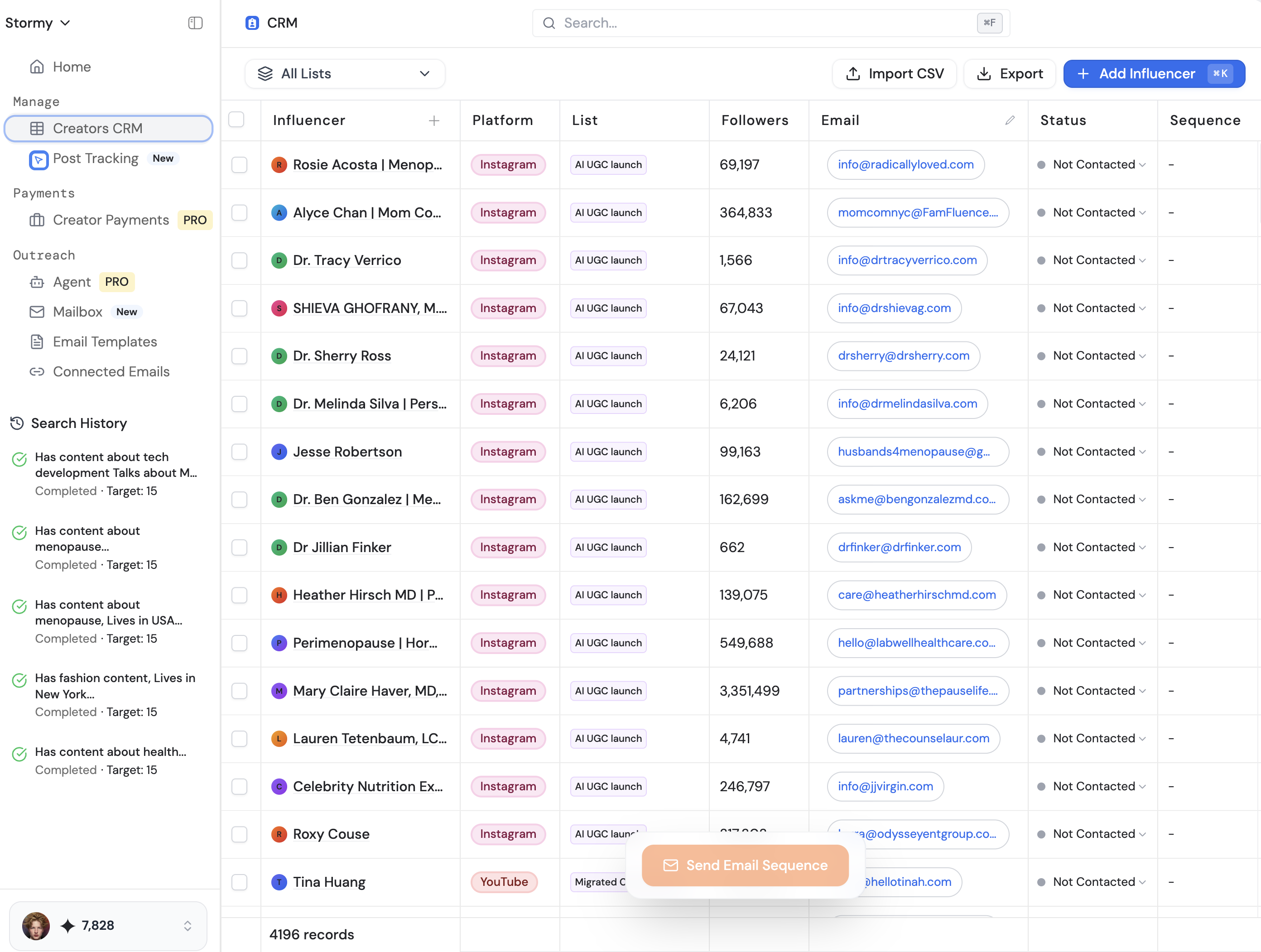
As you scale these efforts, tools like Stormy AI can help you source and manage UGC creators who can document their own experience using your new AI app. By finding the right influencers to amplify your build-in-public journey, you can extend your reach far beyond your own following and tap into established communities across TikTok, Instagram, and X.
Analyzing Success Stories: From Viral Growth to Times Square
The Bolt hackathon provided several case studies in how documentation leads to viral growth. The grand prize winner, Taylor Labs, created the world’s first AI end-to-end video editor. By documenting the 'hardest thing they could build,' they captured the imagination of judges like Pieter Levels and Jason Calacanis from the All-In Podcast. Their journey culminated in being featured on a billboard in Times Square—the ultimate form of free advertising.
Other winners followed similar paths. Wake Coach, which won second place and $75,000, combined AI meal planning with voice intelligence. Their success wasn't just in the code, but in how they demonstrated a solution to a problem millions face: weight loss and nutrition tracking. Even niche applications like KeyHaven (API management) and EcoBolt (agricultural monitoring) found success by showing a clear technical implementation of a unique idea. They proved that in the AI era, design and user experience are just as important as the underlying model.
Leveraging Social Media Platforms for the Feedback Loop
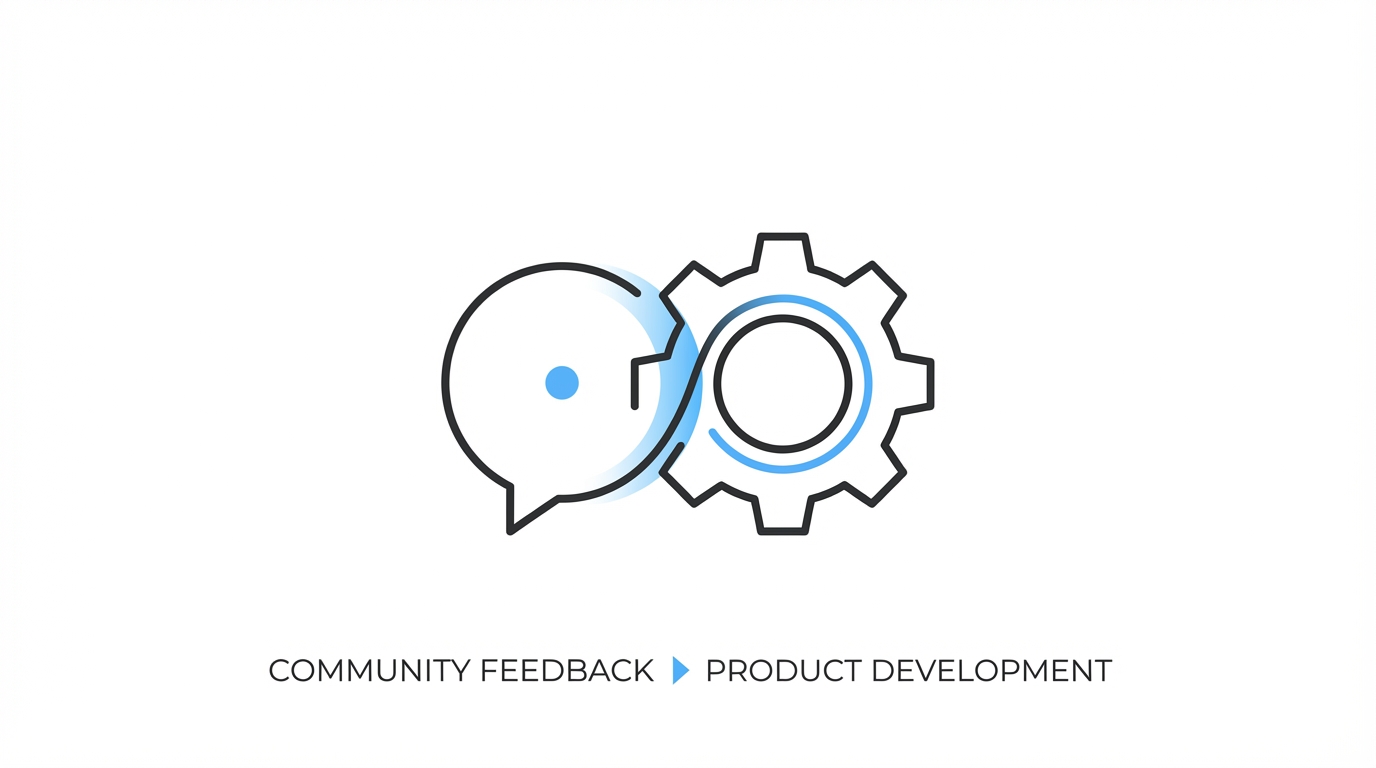
X is the primary hub for the BIP movement, but the strategy applies across all social channels. The key is to create a feedback loop where your audience feels like part of the development team. When the builders in the hackathon were 'trending on X,' it was because they were engaging with each other's projects, tagging platforms like Devpost, and asking for extensions when things got stressful. This level of engagement signals to algorithms that your content—and your product—is relevant.
For founders, this means replying to every comment, running polls on new features, and hosting live demos. If you are running Google Ads or using the Meta Ads Manager to drive traffic, your build-in-public content serves as the high-trust landing pad for those new visitors. They see that the founder is active, the product is evolving, and the community is thriving.
Conclusion: The New Era of Entrepreneurship
The conclusion of the world's largest hackathon marks the beginning of a new era. With over $1 million in non-dilutive funding given away and a million new apps created, the message is clear: the barrier to becoming an entrepreneur has never been lower. However, the competition has never been higher. To stand out, you must do more than just build; you must share. Building in public is the ultimate strategy for AI startup marketing because it leverages the most powerful force in business—human connection.
Whether you are building an AI therapist for Gen Z or a CRM for cleaning companies, your journey is your greatest marketing asset. Start recording your screen, sharing your revenue, and talking about your failures. Join the thousands of builders who are already documenting their way to the top. As the gold rush continues, the founders who win will be the ones who didn't just build a product, but built a community right alongside it.