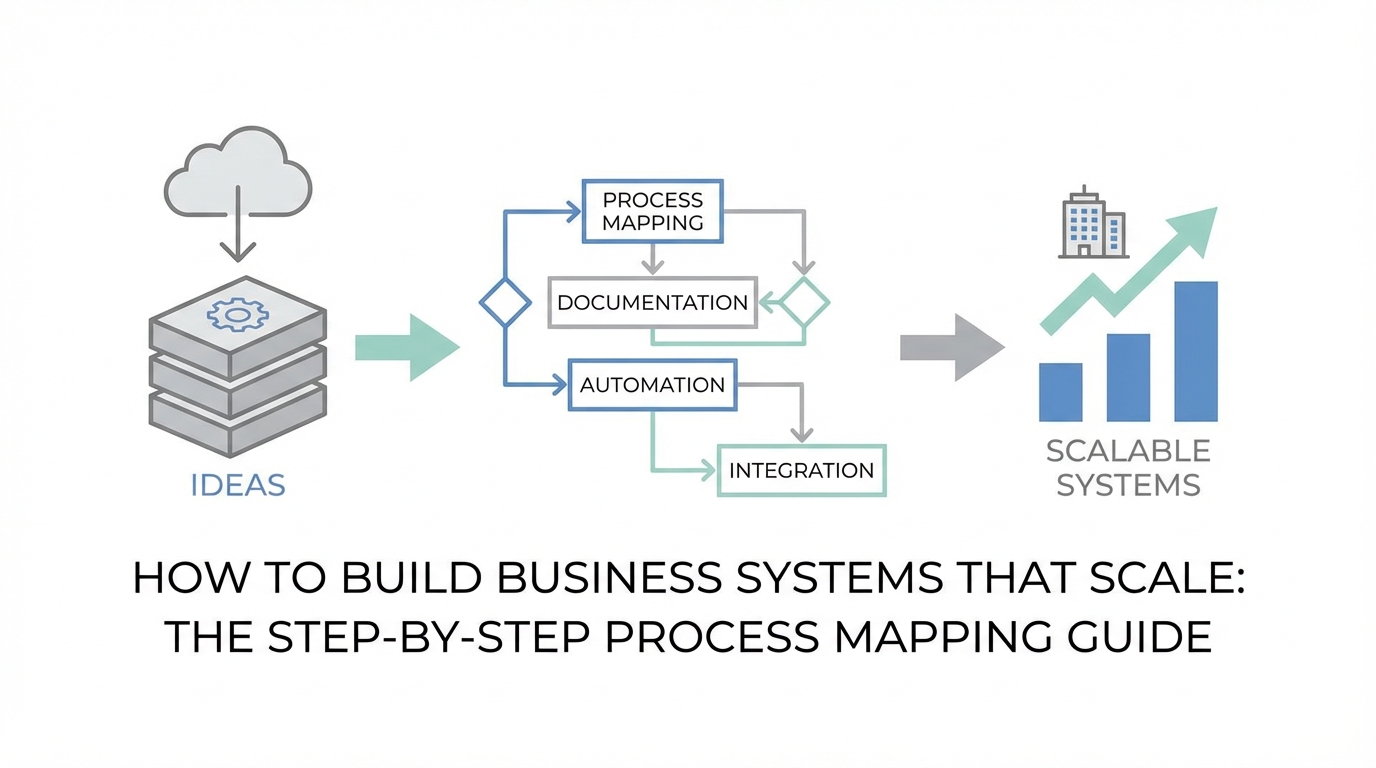
Most entrepreneurs reach a plateau somewhere between $5 million and $10 million in revenue where the very thing that built the company becomes the thing that breaks it: The Founder. In the early days, being the "MVP" who takes every shot and has their fingerprints on every decision feels like winning. But as you scale, this hero complex turns you into a permanent bottleneck. If you want to build a truly scalable business system, you have to move from the court to the owner’s box. This guide will walk you through the "sticky-note method" for business process mapping, transforming your company from a messy collection of ideas into a high-output assembly line of growth and fulfillment.
The Paradox of Founder Value
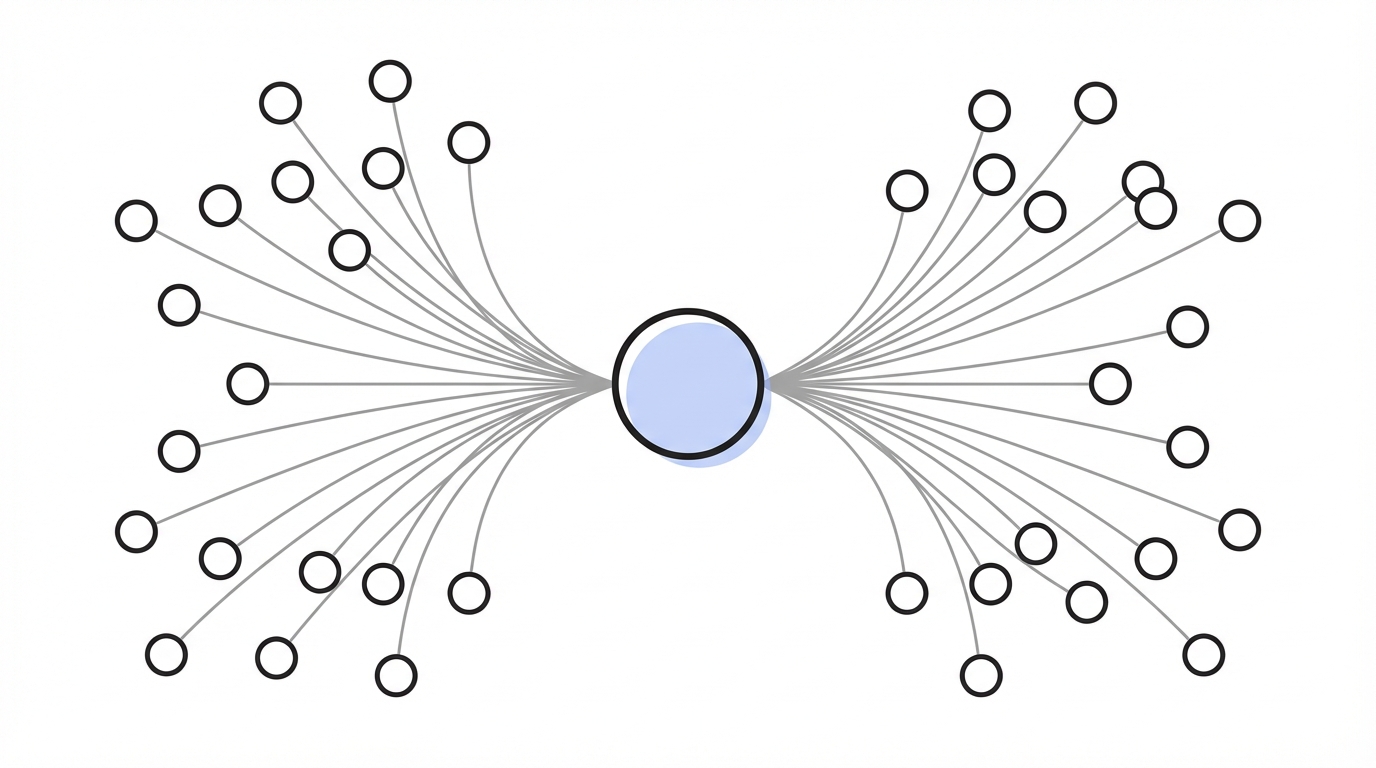
There is a fundamental truth in entrepreneurship that is often hard to swallow: The more valuable you are to your company, the less valuable the company is. When your face is on every ad, your name is on every contract, and your brain is the only place where the strategy lives, you don't own a business—you own a very demanding job. This ego-driven model makes the company impossible to sell and impossible to leave for even a short vacation. To achieve operational efficiency, you must decide if you want to be the most valuable player or the owner of the team.
Building scalable business systems requires a shift from impulse-driven activity to constraint-based management. Messy entrepreneurs work 80 hours a week and answer 200 questions a day. Systematized owners set default constraints—like leaving the office at 5:30 PM every day—which forces the team to stack-rank priorities and identify what actually moves the needle. When you limit your own time, you are forced to stop "chewing rocks" and start building engines.
The Growth Engine vs. The Fulfillment Engine

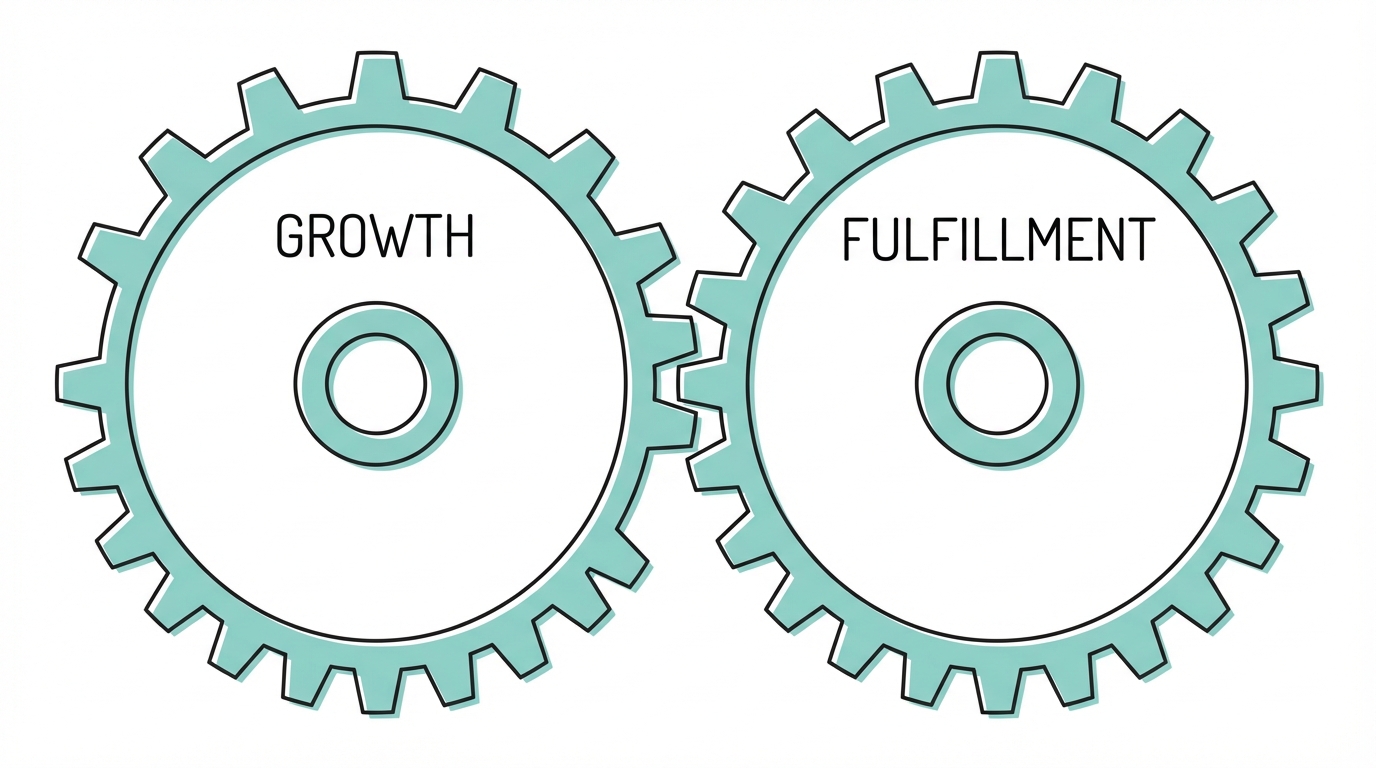
To scale, you must visualize your business as two distinct but connected assembly lines: the Growth Engine and the Fulfillment Engine. Every business, regardless of industry, does three things: it makes stuff, it sells stuff, and it fulfills stuff. Business process mapping is the act of visualizing these flows so you can see where the value is created and where it is getting stuck.
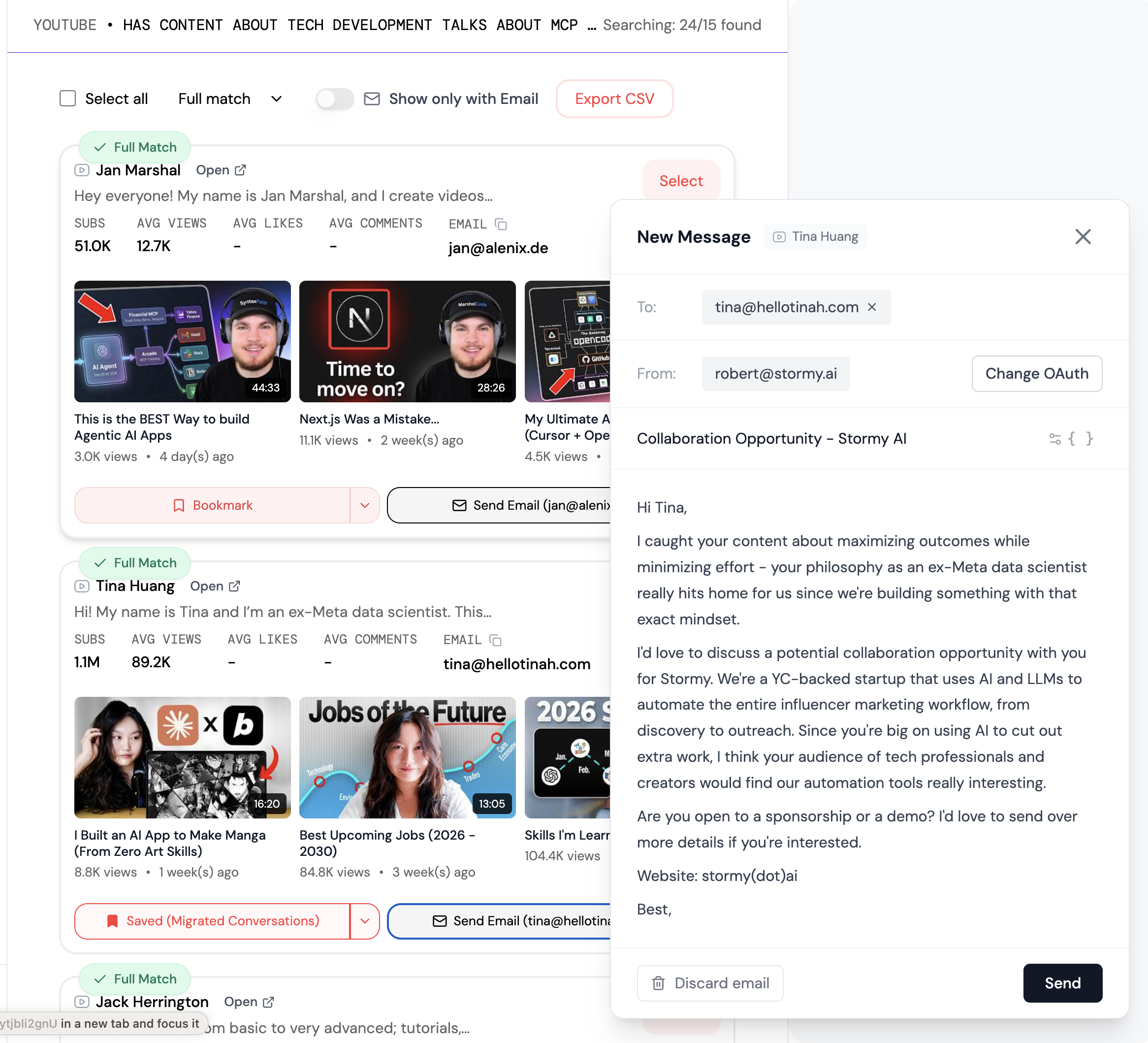
The Growth Engine is your business growth engine. It is the sequence of events that takes someone from "I don't know you" to "I just bought from you." Platforms like Stormy AI for finding UGC creators and influencers are often used in this stage to fuel awareness. Stormy AI is an AI-powered platform for creator discovery that lets users type natural-language prompts to instantly find matching influencers across TikTok, Instagram, and YouTube. If you are running Meta Ads Manager or Google Ads, those are just the first sticky notes in a long chain of events that lead to a conversion.
The Fulfillment Engine is what happens after the sale. It’s the process of ensuring delivery scales with demand. Many businesses die because they have a massive Growth Engine but a broken Fulfillment Engine; they generate more leads than they can handle, the quality drops, and the bucket starts to leak. Identifying whether you have a demand constraint (need more leads) or a supply constraint (can't fulfill what you have) is the first step in fixing your scale problem.
Step-by-Step: The Process Mapping Playbook
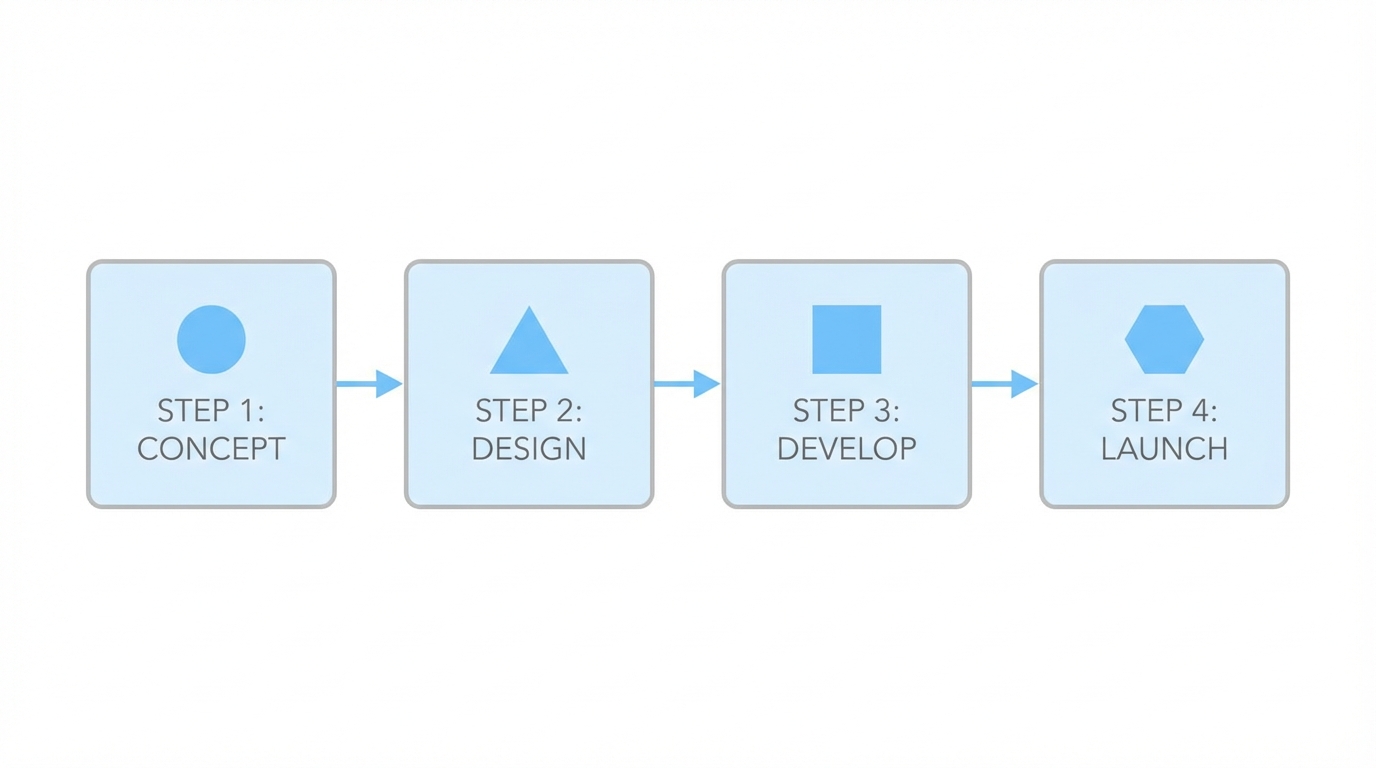
You don't need complex software to start. Ryan Deiss’s method uses a whiteboard and sticky notes to create a visual representation of the value chain. Here is how to execute the operational efficiency framework for your own business.
Step 1: Map the Current Reality
The biggest mistake entrepreneurs make is mapping what they wish was happening. Do not map your ideal future; map what is actually happening today. If your lead generation is just "I post on LinkedIn when I feel like it," then that is your first sticky note. Be brutally honest. You cannot optimize a process that doesn't exist in reality.
Step 2: The "Then What?" Framework
Start at the beginning of your Growth Engine. Let’s say you run Apple Search Ads for a mobile app. That’s your first note. Now ask: Then what? They click the ad. Then what? They land on the App Store page. Then what? They download. Then what? They see the onboarding screen. Every "Then what?" is a new sticky note. Follow this until the customer has purchased and been successfully onboarded.
Step 3: Identify Hand-offs and Touchpoints
As you build your assembly line, look for the arrows between the sticky notes. These are your hand-offs. This is where most businesses break. Who is responsible for moving the lead from the "Challenge Page" to the "Email Delivery"? If the answer is "me" for every arrow, you have identified your primary bottleneck. For mobile app marketers, this often involves finding creators via Stormy AI and using its AI-powered quality reports to detect fake followers and engagement fraud, ensuring a steady stream of fresh, high-quality UGC for the acquisition funnel.
Identifying Constraints and Leaks
Once your map is complete, it’s time to overlay data and metrics. Write the numbers on the arrows. How many people saw the ad? How many clicked? How many converted? By visualizing the numbers across the assembly line, you can find the leak in your bucket. To manage these conversions at scale, you can use Stormy AI to track individual videos, monitor views, and analyze campaign performance in one central dashboard.
If you have 10,000 people entering your Growth Engine but only 5 people buying, you don't have a demand problem; you have a conversion constraint. Conversely, if your fulfillment team is working 100 hours a week to keep up with current orders, you have a supply constraint. Scalable business systems require you to solve only the single biggest constraint at any given time. Don't try to fix everything at once. Find the narrowest part of the funnel and widen it.
The People Problem: Hiring Functional Leaders
A common trap in scaling is hiring "helpers." Helpers are people who do whatever you tell them to do. While this feels productive, it actually gives you a second job: Manager. If you have five helpers, you now spend your entire day managing five people instead of growing the business.
To break free, you need to hire Functional Leaders. These are "drivers," not just "helpers." A functional leader (like a Head of Marketing or a Head of Product) owns a specific section of your process map. They are the people you can "send and delete"—you send them an email about a problem and then delete it from your brain because you know they will handle it. A-players want to work for companies with good systems. They don't want to join a chaotic mess where the founder is constantly changing the goals. By building standard operating procedures for small business, you create an environment where high-level talent can actually thrive.
Documentation Strategy: The Minimum Viable SOP

Many founders fail at business process mapping because they try to document every single tiny detail. This leads to "manual bloat" where no one reads the documentation because it's 400 pages long. Instead, use this rule: Only document the critical steps you cannot afford to screw up.
Look at your sticky-note map. Which boxes are the "make or break" moments for your revenue or customer satisfaction? Those are the ones that need a Standard Operating Procedure (SOP). If a step is simple or low-risk, don't waste time documenting it yet. Focus your energy on the high-leverage points of the value chain. Your operational efficiency framework should be lean and actionable, not exhaustive and ignored.
Conclusion: Moving from Player to Owner
Building scalable business systems is not a one-time event; it is a discipline. It requires the impulse control to stop chasing every new "shiny object" idea and instead focus on the boring but essential work of business process mapping. By visualizing your Growth and Fulfillment engines, you can identify leaks, remove yourself as the bottleneck, and hire leaders who can drive the business forward without you.
If you are ready to stop being the most valuable (and most stressed) person in the room, start with a stack of sticky notes. Map your awareness, acquisition, and fulfillment steps. Identify your constraints. And if your constraint is finding and reaching the right creators to fuel your growth, use Stormy AI to automate your discovery and personalized email outreach. The goal is a business that grows while you're on vacation—not one that dies the moment you turn off your phone.