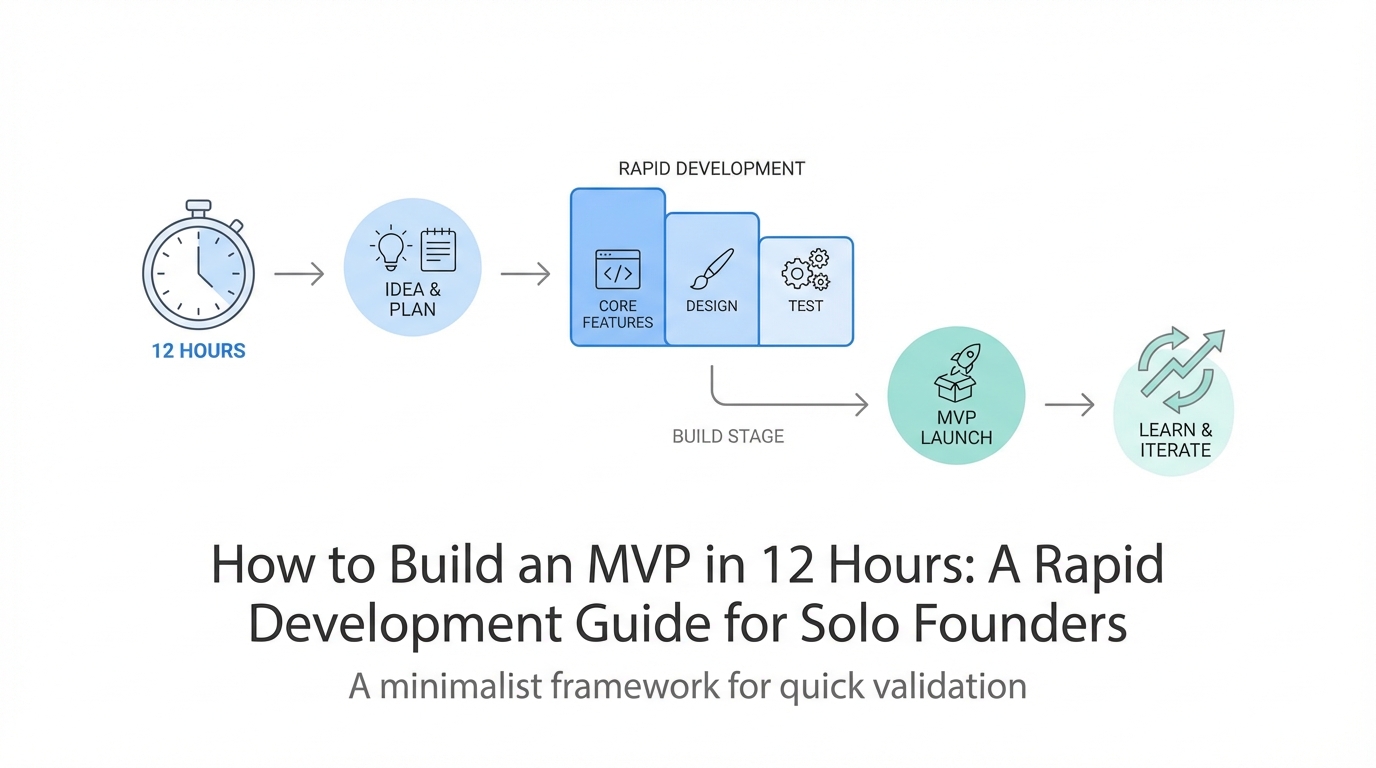
In the world of technology, the most common pitfall for aspiring entrepreneurs isn't a lack of capital or coding skills—it's over-engineering. Most founders spend months, even years, building a product that no one actually wants to use. However, a new wave of indie hackers is proving that you can validate a business and generate revenue in less time than it takes to fly from New York to Singapore. This minimum viable product guide breaks down the high-speed framework used by successful builders to go from a fuzzy idea to a revenue-generating application in a single 12-hour sprint.
The 12-Hour Hackathon Mindset: Shipping by Midnight
The concept of building an MVP in 12 hours isn't just about speed; it's about radical constraint. When you only have half a day to ship, you are forced to ignore the fluff and focus entirely on the core utility. Lewis, the creator of Audio Pen, successfully adopted this mindset during a Twitter-based hackathon called "Halfday Build." The goal was simple: start at noon and earn at least one dollar before midnight. This approach flips the traditional lean startup methodology on its head by compressing the feedback loop to its absolute limit.
Many founders fear that shipping fast means shipping "garbage," but the reality is that rapid prototyping for SaaS allows you to test market demand without the emotional or financial baggage of a long-term project. If you spend six months on a tool and it fails, it’s a tragedy. If you spend 12 hours and it fails, it's just a Sunday afternoon. This low-stakes environment is exactly where the most innovative mvp development happens. By using tools like Bubble, you can construct functional logic without writing a single line of code, making it possible to build an app fast regardless of your technical background.
Identifying 'Pointy Features': The Secret to Differentiation

A "pointy feature" is a specific piece of functionality that solves one problem significantly better than existing general-purpose platforms. Instead of trying to build the next Meta Ads Manager, successful 12-hour MVPs focus on one niche workflow. For Audio Pen, that feature was voice-to-text transformation. It didn't just transcribe; it cleaned up "fuzzy thoughts" into coherent writing. When you focus on a pointy feature, you don't need a hundred pages of documentation. You need a single, clear "aha" moment that users can experience within seconds of landing on your site.
Platforms like Stormy AI follow a similar logic by specializing in AI-powered creator discovery rather than general marketing management. Stormy AI is an all-in-one platform used to search for influencers across TikTok and Instagram using natural language. When you are determining how to build an app fast, ask yourself: What is the one thing this app does that will make a user feel like they have a superpower? If you can't describe it in a single sentence, it isn't pointy enough. Narrowing your focus is the most critical step in mvp development because it reduces the number of variables you need to design and build in your 12-hour window.
Why 15 Failures Are Better Than One Perfection
It is a common misconception that successful founders strike gold on their first attempt. In reality, the creator of Audio Pen built nearly 20 different tools before finding success. Most of those projects failed to gain any traction. However, each failure was a lesson in rapid prototyping for SaaS. You learn how to integrate Stripe faster, how to set up landing pages, and how to gauge user interest through social signals. Each failed project builds the "muscle memory" required to execute a 12-hour sprint successfully.
This "volume-first" approach is a core tenet of the lean startup methodology. Instead of guessing what the market wants, you throw small, functional experiments at the wall to see what sticks. When your twentieth project starts getting "love" on social media or generates a waitlist, you know you've found a signal worth doubling down on. This iterative process is also how brands find the right voice for their marketing; they test hundreds of creators and ad variations before scaling the ones that convert by using Stormy AI to analyze engagement quality and detect fraud.
Figma-First Design: Differentiating in the AI Era
In a world where anyone can generate code with AI, design has become the ultimate differentiator. You shouldn't start your 12-hour clock by opening a code editor. Instead, start by gathering inspiration on platforms like Pinterest. Look for layouts, typography, and color palettes that evoke the feeling you want your brand to convey. Before you build a single feature, you should have a high-fidelity mockup in Figma. This ensures that you aren't wasting time "feeling out" the UI while you're supposed to be building the logic.
A polished design creates instant credibility. Users are much more likely to trust a new 12-hour MVP with their credit card information if it looks professional and modern. Your design should emphasize your "pointy feature." For instance, if your app is about recording, the "Record" button should be the unmistakable centerpiece of the screen. Effective mvp development treats the user interface as the primary product, with the backend logic simply serving to fulfill the promise made by the UI.
The 12-Hour Product Sprint: A Step-by-Step Playbook
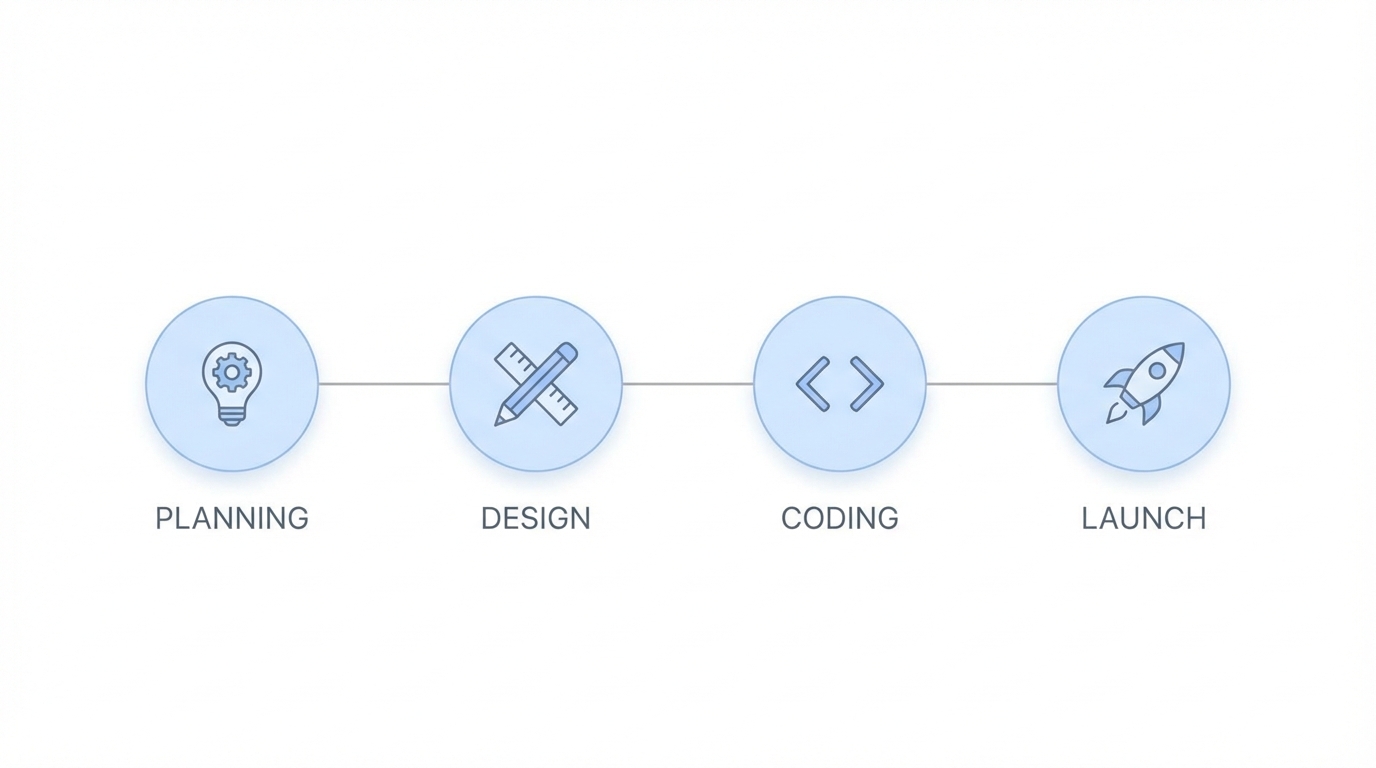
If you want to master how to build an app fast, you need a repeatable framework. Following this minimum viable product guide checklist will help you maintain momentum and avoid the "feature creep" that kills most weekend projects.
Step 1: The Inspiration Phase (Hour 1)
Spend the first hour looking at what else exists. Use Pinterest to find aesthetic inspiration and browse through software directories to see how competitors solve the problem. Don't try to reinvent the wheel—try to make the wheel 10x more accessible or specialized for a specific audience.
Step 2: Rapid Prototyping (Hours 2-4)
Translate your ideas into Figma mockups. Map out the user journey from landing page to "success state." Keep it lean: one landing page, one main dashboard, and one settings page. If you're building a mobile-first experience, consider how your app would look in App Store Optimization (ASO) screenshots later on.
Step 3: The No-Code Build (Hours 5-10)
Use a visual development platform like Bubble to build the core logic. Connect your frontend to a backend like Xano if you need complex data handling, or keep it all within one tool to save time. This is where you implement your "pointy feature" and ensure it actually works. Don't worry about edge cases or fancy animations—focus on the core utility.
Step 4: Integration and Monetization (Hour 11)
An MVP isn't a business until it can accept money. Integrate Stripe to handle payments. Whether it's a one-time fee or a non-recurring subscription, putting a price tag on your work is the ultimate form of validation. You can track your growing revenue and expenses using Xero to keep your business finances organized from day one.
Step 5: The Public Launch (Hour 12)
Share your creation with the world. Post your link on Twitter or Product Hunt. Be transparent about your 12-hour build process; people love supporting indie hackers who are building in public. Even if you only get a few signups, you've officially moved from "thinker" to "builder."
From MVP to $15k MRR: Scaling Your Success
Once your 12-hour MVP is live, the real work begins. If you see traction, like the 200,000 users Audio Pen eventually attracted, you must transition from "shipping fast" to "building consistently." This involves setting up robust analytics using Plausible Analytics to understand user behavior without compromising privacy. It also means building a direct relationship with your users through email tools like Loops.
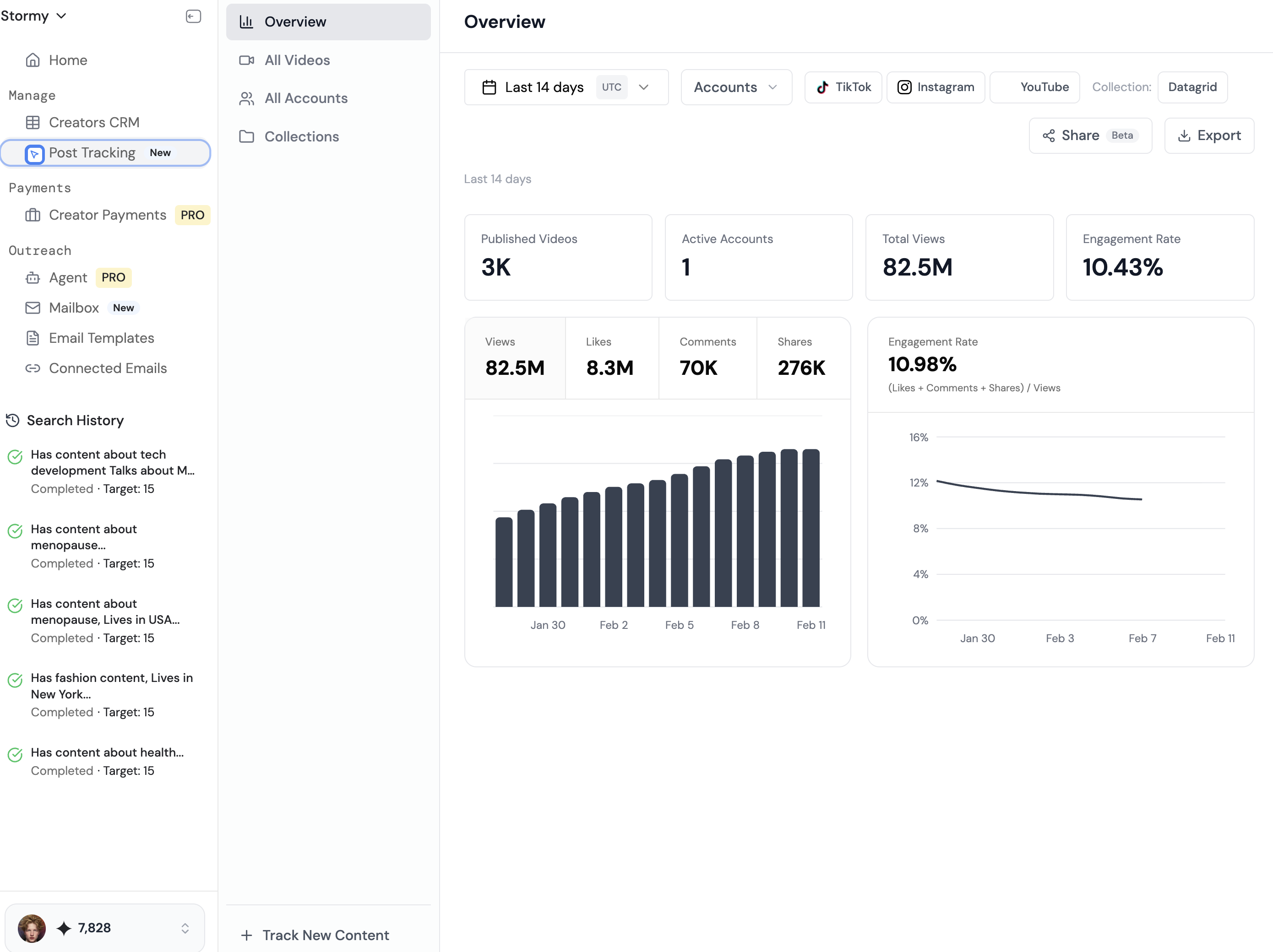
Growth often requires moving beyond organic social media. Many solo founders find success by running targeted campaigns on Apple Search Ads to capture high-intent users looking for specific solutions. Additionally, leveraging User Generated Content (UGC) can be a game-changer for app installs. You can use Stormy AI to discover creators and then use its built-in AI email agent to automate your outreach. Once content is live, you can monitor the performance of every video through Stormy AI post tracking, which often perform better than traditional high-production ads on Google Ads.
Conclusion: The Best Time to Ship is Today
Building a successful SaaS doesn't require a million-dollar seed round or a team of twenty engineers. It requires the discipline to pick one problem, design a beautiful solution, and ship it before your self-doubt has a chance to kick in. By following this minimum viable product guide, you can break the cycle of endless planning and start the cycle of endless building. Remember, your first 15 projects might fail, but that 16th project—the one you built in a single 12-hour burst of inspiration—could be the one that changes your life.
Stop overthinking your features and start focusing on your "pointy" value proposition. Whether you are using Bubble to build the next great AI tool or finding your first 100 customers through Stormy AI, the most important step is simply to begin. Set your clock, open your editor, and see what you can achieve by midnight.