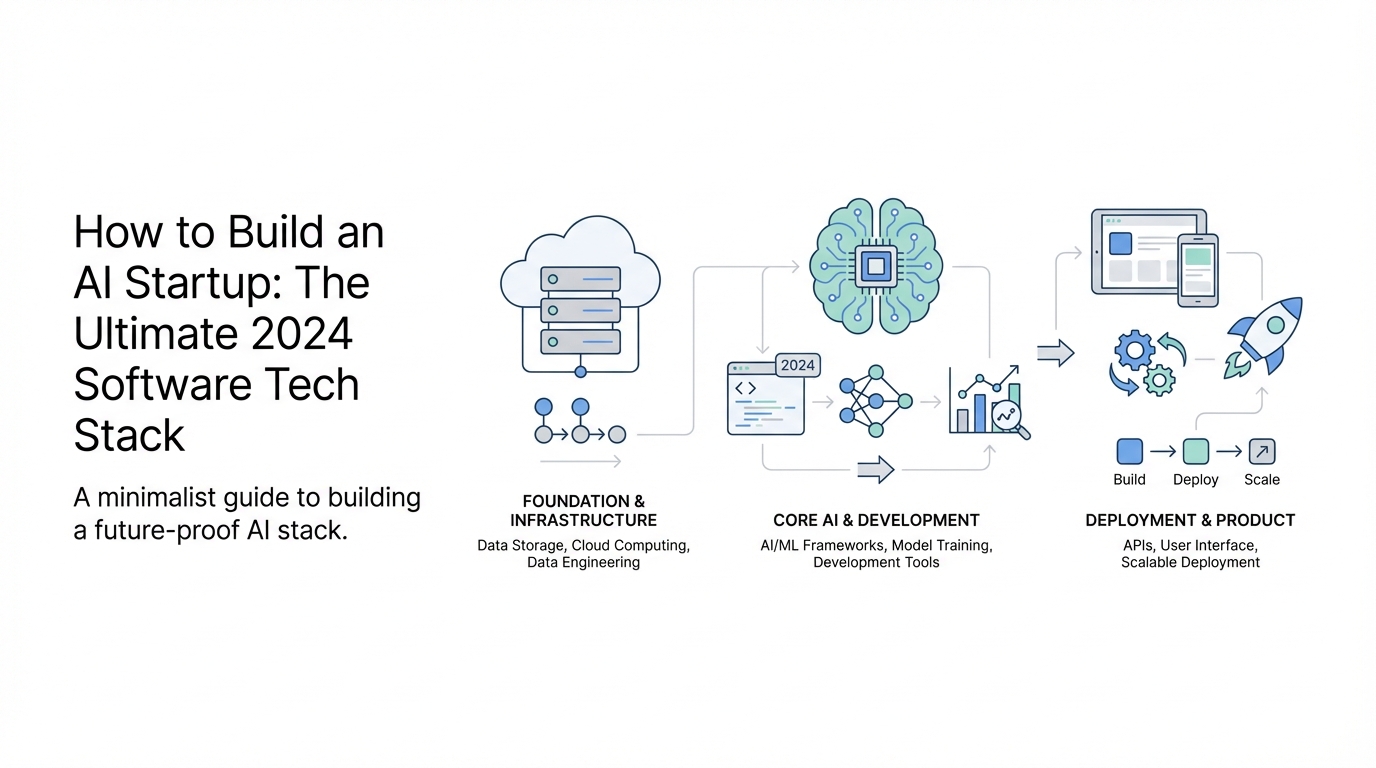
We are currently living through the most significant technological shift in human history, making it the best time ever to build a startup. In 2024, the barrier to entry for non-technical founders has effectively vanished. With the right ai development tools, a single individual can now conceptualize, design, and deploy a software product that would have previously required a team of ten engineers. According to recent venture capital reports, generative AI investment continues to break records, and the cost of launching has plummeted. The speed of execution has reached a breakneck pace, allowing entrepreneurs to focus on what truly matters: solving underserved problems and capturing market trends.
The New Era of AI Startups
Building a profitable company today isn't just about code; it's about leveraging AI as a co-founder. The goal is no longer to raise massive venture rounds but to build a profitable flywheel of audience, community, and product. By following a structured playbook, you can navigate the path from a blank page to a million-dollar enterprise using a modern stack that includes tools like Cursor, v0, and Lindy. Success in this era requires a "heads down" mentality, where you dedicate specific, uninterrupted blocks of time to build software with ai and refine your niche.
Step 1: Finding Your Underserved Niche

Before touching a single line of code, you must identify an underserved niche where competition is low but demand is high. Successful founders use data-driven insights from platforms like Idea Browser to find trends before they go mainstream. You want to understand not just the technical pain points of your target audience, but also the content that drives them. What memes are they sharing on X? What formats do they prefer on TikTok? Understanding the cultural zeitgeist of your niche gives you an unfair advantage in customer acquisition.
Step 2: Generating PRDs with Manus and ChatGPT
Once you have a data-backed idea, the next step is to create a Product Requirement Document (PRD). This document serves as the blueprint for your software. Instead of writing this manually, use ChatGPT or Manus to synthesize competitive analysis, positioning, and copywriting. You can follow a standard PRD template to ensure you cover user flows and technical constraints. By inputting your niche research, these tools can generate a comprehensive PRD that outlines every feature your v1 needs. This is the foundation for anyone looking to build an ai startup without a traditional computer science background.
Step 3: Rapid UI/UX Design with v0 and Lovable
Visualizing your product is critical for both development and early sales. For rapid prototyping, v0 is an industry-standard tool that generates React components from simple text prompts. You can pair this with Lovable or Bolt to build a functional prototype in hours rather than weeks. These ai development tools allow you to show a working model to potential customers, which is essential for the next phase: securing pre-sales to fund your development.
Step 4: Building a Functional v1 with Cursor and Windsurf

Scaling from a prototype to a production-ready v1 requires a more robust coding environment. This is where a cursor ai tutorial becomes invaluable for founders. Cursor is an AI-native code editor that understands your entire codebase, allowing you to write complex features by simply describing them. Similarly, Windsurf offers an agentic coding experience that handles the heavy lifting of backend logic. By using these tools, you can maintain a lean team and treat AI as your primary technical co-founder, keeping overhead low and agility high.
Step 5: The 'Service-as-MVP' Strategy
Many founders make the mistake of over-engineering their software before validating the market. A more effective approach is the Service-as-MVP strategy, a concept often explored in Harvard Business Review analyses of the modern service economy. Start by offering manual services that solve the core problem for your niche. This allows you to get paid to learn the exact workflows and pain points of your users. As you identify repetitive tasks, you can use ai agents for business to automate them, eventually productizing those automations into your software's v2. This strategy increases the enterprise value of your startup by ensuring every feature is built on a foundation of real-world demand.
Step 6: Partnering with Creators for Distribution
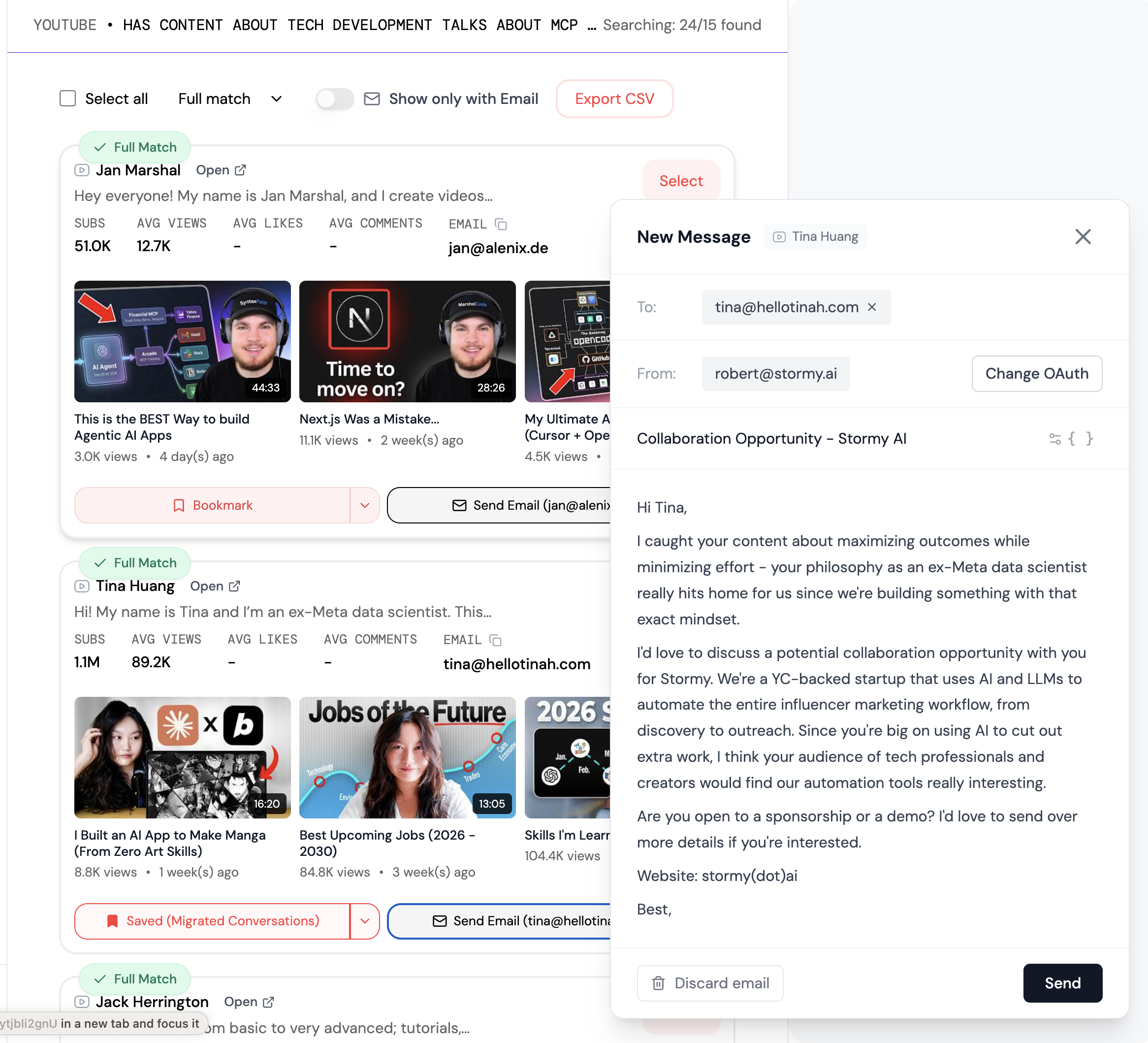
In 2024, distribution is just as important as the product itself. Building a creator-led business is a massive opportunity. You can partner with influencers in your niche by offering equity or generous revenue shares, often ranging from 20% to 50%. This creates an immediate marketing flywheel. When you're ready to scale this outreach, platforms like Stormy AI streamline creator sourcing and outreach, allowing you to discover influencers via natural language prompts and manage the entire relationship within a dedicated CRM.
Step 7: Automating Operations with AI Agents
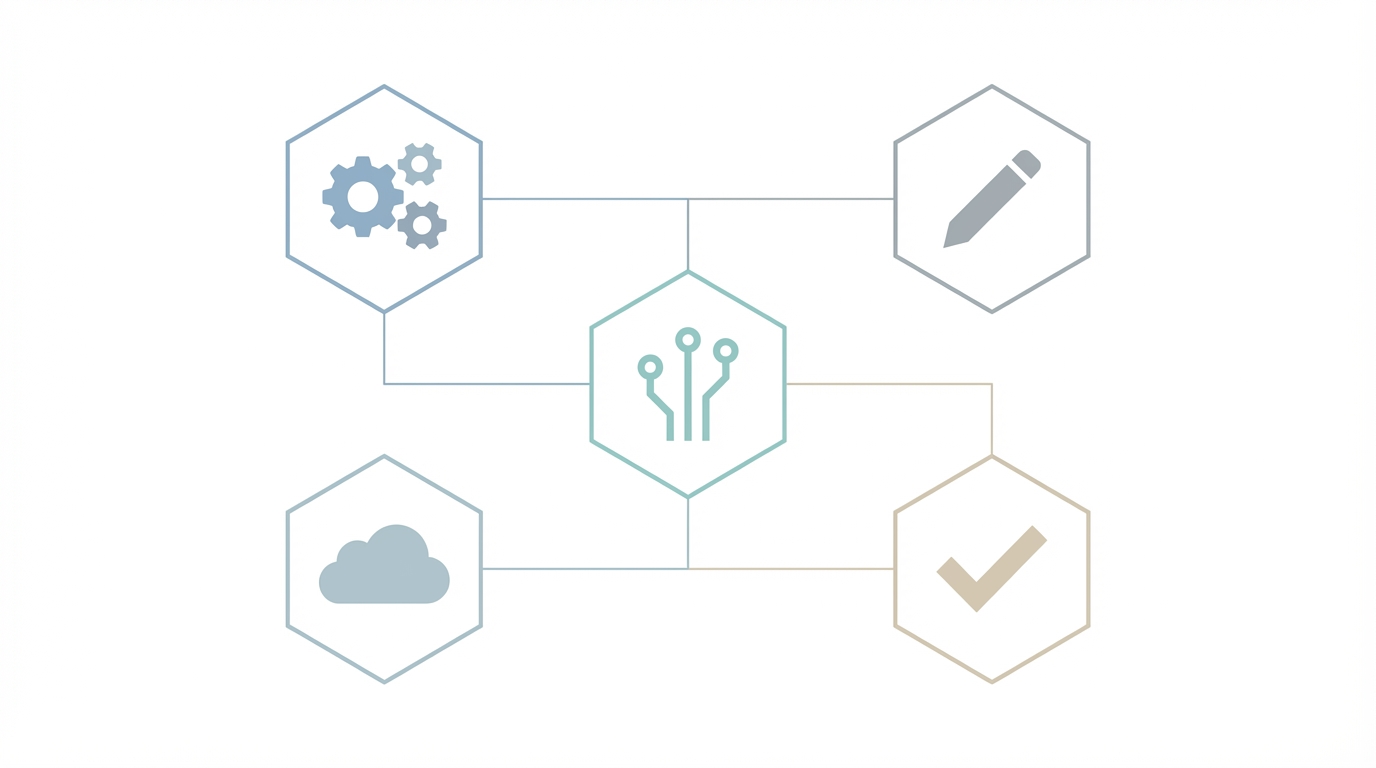
To keep your startup profitable and lean, you must automate 90% of your operations. Use Lindy or Gumloop to create custom ai agents for business that handle tasks like lead generation, customer support, and data entry. For more complex workflows, Zapier and n8n provide the connective tissue between your various software platforms. Start by automating one small, repetitive task at a time rather than trying to build a complex system all at once. This iterative approach to automation prevents your systems from breaking and allows you to scale without significantly increasing headcount.
Step 8: Building a Profitable Flywheel
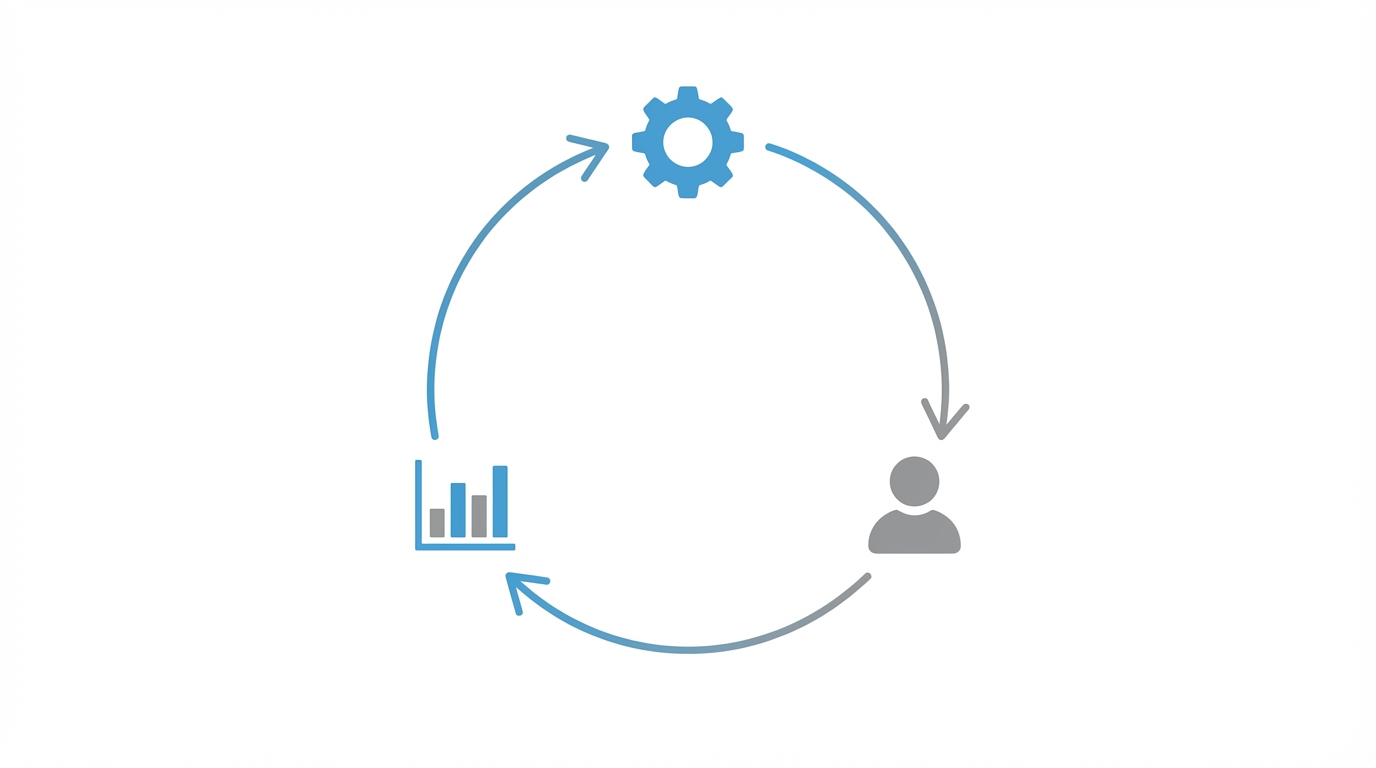
The final stage of the playbook is to move beyond a single product and build a profitable flywheel. This involves creating public-facing free tools—like those seen on Veed.io—to drive top-of-funnel traffic and improve your AI SEO through programmatic SEO strategies. By bundling your products into an ecosystem, you own the entire loop of audience, community, and product. This "Walt Disney" approach to business ensures that each new product strengthens the others, compounding your wealth and distribution over time. If you use a platform like Stormy AI, you can even track the performance of these cross-promotional campaigns across TikTok and Instagram to ensure your flywheel is spinning efficiently.
Conclusion: Build Once, Compound Forever
Building an AI startup in 2024 is no longer about having the biggest engineering team; it's about being the most effective architect of ai development tools and agents. By following this playbook—from niche discovery on Idea Browser to scaling with Cursor and Lindy—you can create a business that compounds forever. Remember to focus on retention, fix your "leaky buckets" before doubling down on growth, and always keep an eye on emerging trends. The tools are here, the audience is waiting, and the cost of failure is lower than ever. It's time to go heads down and start building.