Building a profitable software-as-a-service (SaaS) used to follow a predictable path: host a web app, pay for a database, and charge a monthly subscription. But the rise of Large Language Models (LLMs) has introduced a massive variable cost that can quickly eat through a bootstrapper's margins. If you are trying to figure out how to build an AI app today, you are likely facing the daunting reality of high API bills from providers like OpenAI or Anthropic. However, a new architectural shift is allowing solo developers to build high-performance AI tools with almost zero monthly overhead. By combining the Bring Your Own Key (BYOK) model with a desktop-first approach, builders like Prren are generating significant revenue—$80,000 in six months—without the traditional burden of server maintenance.
The 'Bring Your Own Key' (BYOK) Architecture
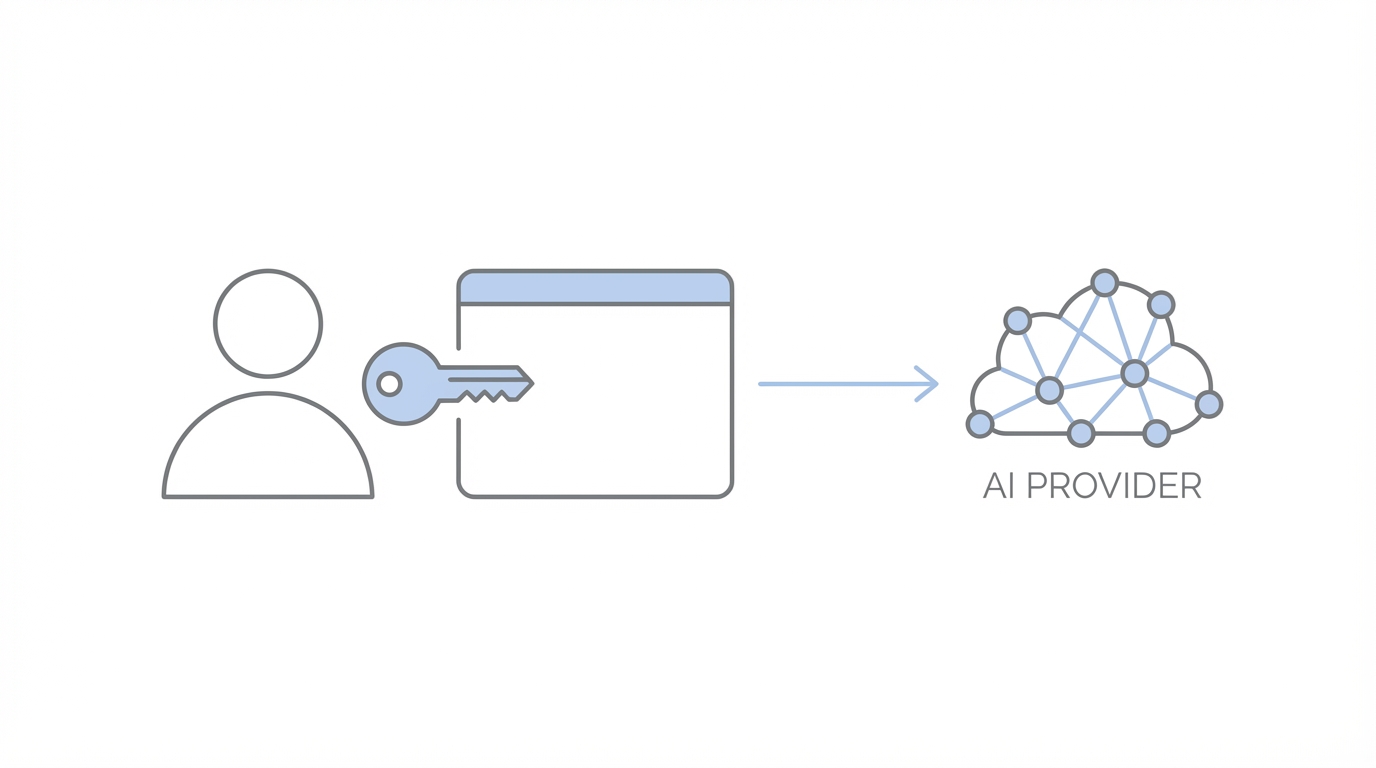
The traditional AI SaaS model involves the developer acting as a middleman. The user pays the developer, and the developer pays the AI provider (like OpenAI) for every token generated. This creates a thin margin and a massive financial risk if a user suddenly spikes their usage. The bring your own key model flips this dynamic. Instead of you paying for the compute, the user provides their own API key from OpenAI, Anthropic, or Perplexity.
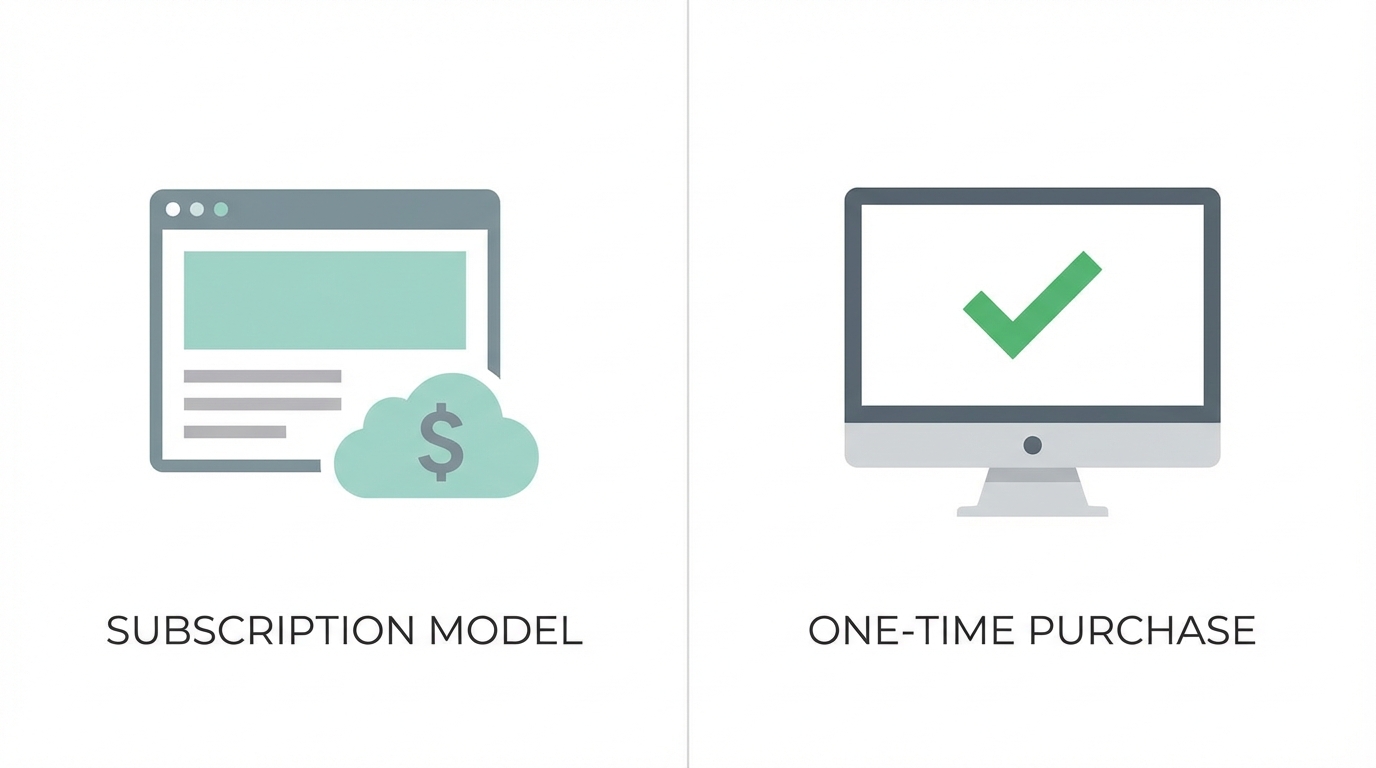
This shift in AI app architecture does two things: it eliminates your variable costs entirely and it appeals to Power AI users who likely already have their own API subscriptions. As highlighted in the research by Starter Story, this model allows you to offer a one-time purchase (Lifetime Deal) because you no longer have recurring costs to cover. When you aren't paying for the tokens, your profit margin on every sale approaches 100%.
Building with Electron: Why Desktop-First Wins
To truly reduce SaaS server costs, you need to think beyond the browser. Web apps require centralized servers for hosting, database management, and often, proxying API requests to keep keys secure. By building a desktop application using Electron, you can offload the entire compute load to the user's machine. Electron allows you to package your React or Next.js frontend into a native app for Windows, Mac, and Linux.
When the app lives on the user's desktop, you don't need a backend to handle requests. The app communicates directly from the user's local environment to the AI provider. This eliminates the need for expensive cloud hosting on platforms like AWS or Azure. For a bootstrapper, this is the ultimate "build and forget" strategy. You can host your landing page and download links for pennies on Vercel or Cloudflare, while the heavy lifting happens on the client side.
Leveraging the Vercel AI SDK for Multi-Provider Support

A major challenge in AI development is the constant shifting of the landscape. New models are released every month, and users often have a preference for one over another. This is where a Vercel AI SDK tutorial-inspired approach becomes invaluable. The Vercel AI SDK provides a unified abstraction layer that makes it incredibly easy to integrate multiple AI providers with minimal code. Stormy AI is an AI-powered platform for creator discovery, especially for mobile app marketing and UGC campaigns, and much like how it simplifies finding talent across TikTok and YouTube, the SDK simplifies finding the right model.
Platforms like Stormy AI demonstrate the importance of diverse creator data, and in a similar vein, your app should offer diverse model options. With the Vercel AI SDK, you can let users switch between GPT-4o, Claude 3.5 Sonnet, or even local models running via Ollama. This flexibility makes your product more resilient; if one provider changes their pricing or terms, your users can simply swap their API key for another. It also simplifies your frontend logic, as you only have to write your chat or generation code once using the SDK's standardized hooks.
The 'Build and Forget' Mindset for Solo Founders
Most developers get trapped in the "DevOps loop," spending more time managing servers and scaling infrastructure than building features. The BYOK and desktop-first approach enables a 'Build and Forget' mindset. Because there is no centralized database to maintain and no server-side compute to monitor, your operational overhead is virtually non-existent. Prren, the founder of Canvas Mode, noted that his monthly costs were limited to roughly $50 for landing page hosting and his own development tools.
This architectural choice is particularly powerful for mobile app marketing and growth. When you don't have to worry about the cost of acquisition (CAC) vs. lifetime value (LTV) on a monthly basis, you can experiment more freely. You can even find influencers and use Stormy AI to discover creators and use its autonomous AI agent for automated outreach, knowing that every sale is pure profit. Without the pressure of a recurring server bill, you can focus entirely on App Store Optimization (ASO) and marketing strategies that drive one-time high-ticket sales.
Using Cursor and AI Co-pilots to Build Fast
You no longer need a team of engineers to build a sophisticated desktop application. AI-powered coding tools have become the force multipliers that allow solo founders to compete with well-funded startups. Tools like Cursor acts as an AI co-founder, helping you navigate complex tasks like setting up the Electron main process or managing state in a canvas-based UI.
By using GitHub Copilot or Cursor, you can move from idea to MVP in a matter of weeks. The workflow is simple: use AI to scaffold the project, leverage the Vercel AI SDK for the engine, and package it all with Electron. This rapid development cycle is essential for finding product-market fit before you run out of steam. As Prren advised, your goal as an entrepreneur isn't just to practice your skills; it's to find something the market is willing to pay for as quickly as possible.
The Pricing Playbook: Why Lifetime Deals Work

If you are bootstrapping, a subscription model might actually be your enemy. High-churn rates and the difficulty of acquiring recurring customers can kill a solo project. Instead, follow this step-by-step pricing playbook:
- Step 1: Start Small. Launch with a low entry price (e.g., $29) for the first 100 users. This validates the demand and builds an initial community of early adopters who will provide vital feedback.
- Step 2: Pivot to BYOK. Ensure that your pricing does not include API costs. Explicitly state that users need their own keys. This filters for Power AI users who understand the value and are less likely to churn.
- Step 3: Gradually Increase Price. As you add features and cross user milestones, bump the price (e.g., to $49, then $99). This creates a sense of urgency for new users to buy in early.
- Step 4: Transition to Hybrid (Optional). Once you have a stable user base and significant revenue, you can introduce a recurring model for premium updates or cloud-sync features, while keeping the core app as a one-time purchase.
This strategy not only provides a chunk of cash upfront to fund further development but also builds a loyal user base that feels like they have an investment in the product's success. This community can be a goldmine for marketing; you can leverage tools like Stormy AI to vet creators for audience quality and engagement fraud before having them showcase your "serverless" AI app to their audience.
Conclusion: Building for Freedom and Profit
The bring your own key model and desktop-first architecture represent a paradigm shift for independent developers. By offloading the biggest expenses—API tokens and server compute—to the end-user, you can build a sustainable, high-margin business that doesn't require venture capital or a massive team. Whether you are using the Vercel AI SDK to connect to the latest models or using Cursor to write your code, the tools to build a profitable AI app have never been more accessible.
Remember, the goal of a bootstrapper is to find product-market fit and generate revenue without creating a maintenance nightmare. By adopting the "Build and Forget" mindset and using Stormy AI to track post performance and monitor campaign results, you can create an AI tool that pays for your lifestyle while providing genuine value to your customers. Start small, offload your costs, and ship your way to a high-margin AI business today.