The dream of launching a high-revenue software business used to require either a computer science degree or a massive budget to hire a development team. However, the landscape has shifted. Today, the most successful SaaS founders aren't necessarily the best coders; they are the best problem solvers. Take Dustin, the founder of Magi, who transitioned from a struggling background in acting and web design to building an AI platform generating nearly $100,000 in monthly recurring revenue (MRR). The most striking part? He did it in just eight weeks without writing traditional code. This guide serves as a playbook for non-technical founders ready to build an ai app without coding and capitalize on the current artificial intelligence boom.
Identifying the Quality of Life Gaps in AI Tools
When most people think about starting an AI business, they assume they need to invent a brand-new model. In reality, the most profitable opportunities often lie in improving the user experience of existing technologies. Dustin’s journey with Bubble and AI began when he noticed significant friction in the market leaders like ChatGPT. While the models themselves were powerful, the interfaces lacked basic productivity features. Founders looking to start an ai business should look for these "quality of life" gaps.
For instance, in the early days of the AI surge, users couldn't easily search their chat history or organize conversations into folders. By identifying these missing features, you can create a wrapper that provides a 10x better user experience. Dustin realized that users were also suffering from "subscription fatigue." Instead of paying for five different tools to access Claude, GPT-4, and Gemini, they wanted a unified dashboard. This insight became the foundation for Magi, a platform that gives users access to all the world's top models under a single subscription. When you how to build an mvp, focus on solving these specific organizational and accessibility pain points that larger platforms often overlook.
The Tech Stack for Non-Coders: Bubble and OpenRouter

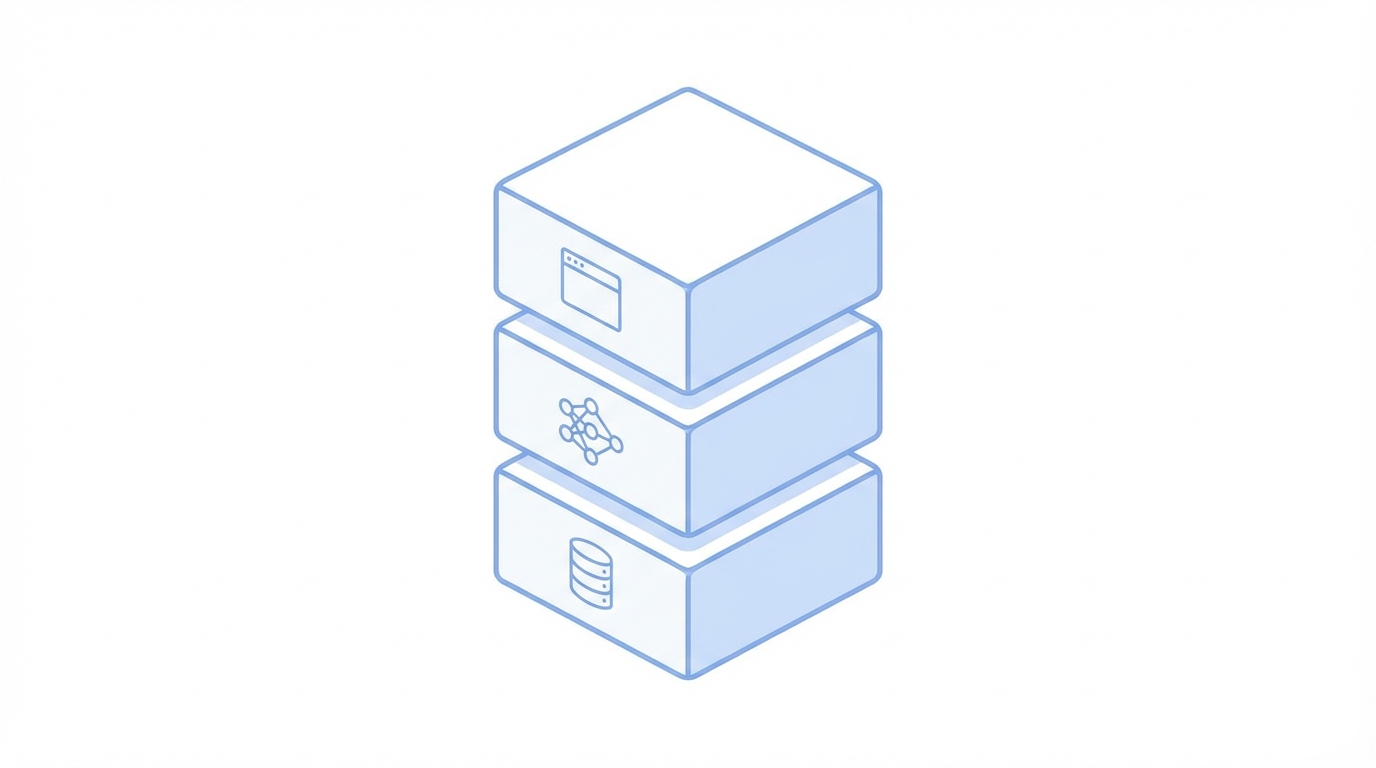
To build an ai app without coding, you need a robust set of tools that can handle both the frontend user experience and the backend API logic. The gold standard for this is Bubble. It allows you to design complex, database-driven applications using a visual drag-and-drop interface. For a non-technical founder, bubble ai app development is the fastest route to a production-ready product because it handles hosting, user authentication, and database management out of the box.
However, connecting your app to dozens of different AI models can be a technical nightmare if you try to manage each API individually. This is where OpenRouter becomes your secret weapon. OpenRouter provides a unified interface for virtually every major Large Language Model (LLM). Instead of writing custom code for OpenAI, Anthropic, and Google, you simply connect your Bubble app to OpenRouter’s single API. This allows your users to switch between models like GPT-4o and Claude 3.5 Sonnet with a single click. For brands looking to market these apps, platforms like Stormy AI are essential for discovering the right UGC creators to showcase these seamless transitions in mobile app ads. Stormy AI is an AI-powered platform for creator discovery, especially for mobile app marketing and UGC campaigns.
Beyond text, modern AI apps often require media generation. Integrating Fal.ai allows you to offer lightning-fast image, video, and audio generation within your app. Whether your users want to generate a cat playing cards using the Flux model or create high-end visuals with Idogram, Fal.ai acts as the central hub for media models. By stacking these tools, you are essentially assembling a powerful software suite without ever touching a line of Python or Javascript.
The 8-Week Sprint: From Concept to First Paid User
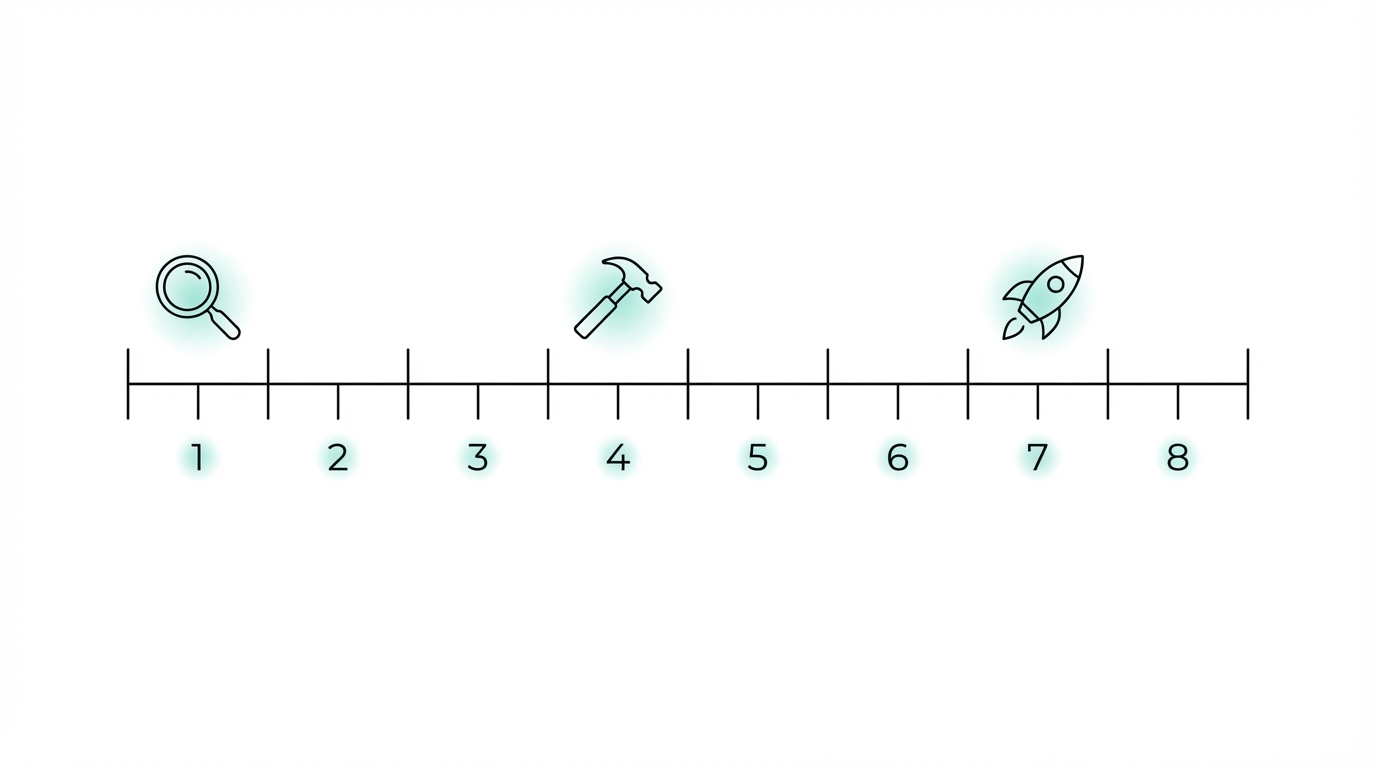
Building a no code saas tutorial is only useful if it follows a disciplined timeline. Dustin’s success was rooted in his ability to build fast and launch before he felt "ready." If you are stuck in the build phase for months, you are losing valuable market data. Tools like Rocket.new can even help you go from a few sentences to a full-stack app in minutes, but for a custom solution, follow this 8-week how to build an mvp playbook.
Step 1-2: Market Research and Core Logic
Spend the first two weeks identifying your niche and mapping out the database schema in Bubble. What will users save? How will chats be organized? Use this time to set up your OpenRouter account and test the API calls to ensure you can pull text responses into your app interface. Boldly define your unique selling proposition—is it the folder system, the price, or the variety of models?
Step 3-4: UI Design and API Integration
Design your frontend in Bubble. Focus on a clean, intuitive layout that mimics the simplicity of a chat interface but adds the "quality of life" features you identified. Integrate Fal.ai for image generation capabilities. By the end of week 4, you should have a functional prototype where a user can type a prompt and receive a response.
Step 5-6: Payments and User Management
No business is complete without a way to get paid. Use Stripe to set up subscription billing. Dustin’s Magi platform uses a simple $20/month solo plan and a $40/month team plan. This provides predictable recurring revenue. Simultaneously, set up your email onboarding sequences using ConvertKit to ensure users stay engaged after signing up. To automate your outreach to potential partners, you can leverage Stormy AI to set up an autonomous AI agent that discovers, outreaches, and follows up with creators on a daily schedule while you sleep.
Step 7-8: Beta Testing and Launch
Run a closed beta with a few dozen users to catch bugs. Once the core experience is stable, launch. Don't wait for perfection. Dustin made $3,000 in his first month despite having a "rough" MVP. The goal is to get to the first paid user as quickly as possible to validate the business model.
Transitioning from MVP to $100K/Month Production

Once you have validated your bubble ai app development project with your first few thousand dollars in revenue, the focus shifts to scaling. Dustin’s growth from $3,000 to nearly $100,000 a month wasn't just luck; it was a result of three specific strategies: building in public, SEO, and a generous affiliate program.
Building in public is a powerful marketing tactic for starting an ai business. By sharing your journey, your failures, and your updates on social media, you build a loyal audience that feels invested in your success. Dustin utilized a personal blog and email list built over a decade via ConvertKit to drive initial traffic. For those without a decade of history, leveraging Stormy AI to find UGC creators can help you build that "authentic" presence quickly through influencer partnerships.
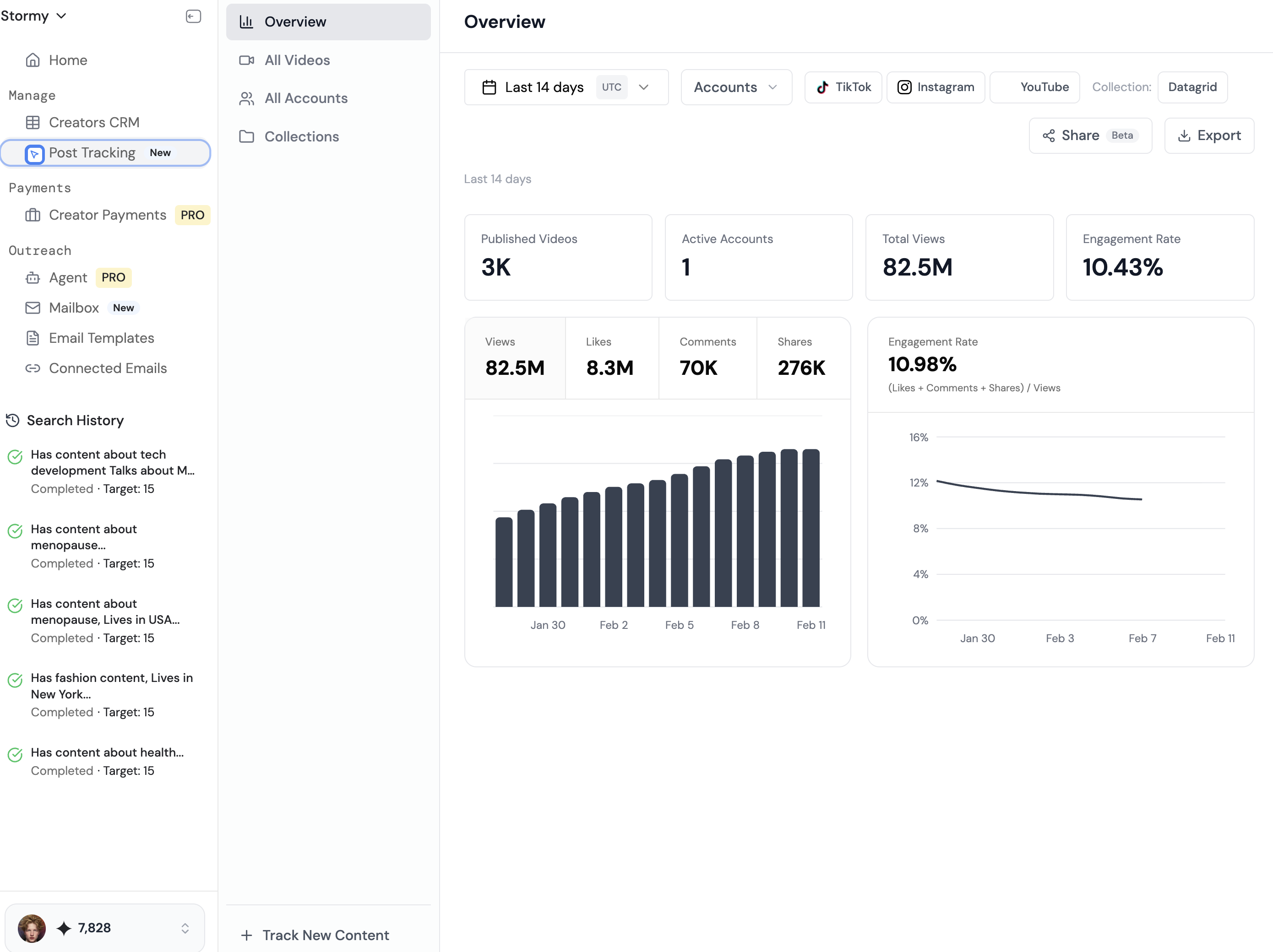
Secondly, SEO is the long-term engine for growth. Use platforms like Ahrefs to monitor your keyword rankings and identify what your competitors are ranking for. By creating content around "best AI models for writers" or "how to use Claude and GPT-4 together," you can drive organic traffic to your SaaS without spending thousands on ads. Additionally, using Stormy AI to track accounts and monitor campaign performance across all platforms ensures your marketing efforts are data-driven.
Finally, implement a recurring affiliate program. Unlike one-time commissions, paying your affiliates every month that their referral stays subscribed creates a massive incentive for them to promote your tool. This turns your best users into your sales force. As you scale, you can move into the enterprise space by offering team plans with increased usage limits, as seen in Magi's $40/month tier which allows for up to five users.
Final Takeaways for Non-Technical Founders
Building a successful AI business doesn't require a background in software engineering. By using no-code tools like Bubble and leveraging unified APIs like OpenRouter, you can focus on what actually matters: solving problems for your users. Remember that failure in the past does not define your future potential; the AI landscape moves so quickly that there is always room for a founder who can execute fast and provide a better quality of life for the end user. If you are ready to start, stop planning and start building your MVP today. The next eight weeks could change your life, just as they did for Dustin.