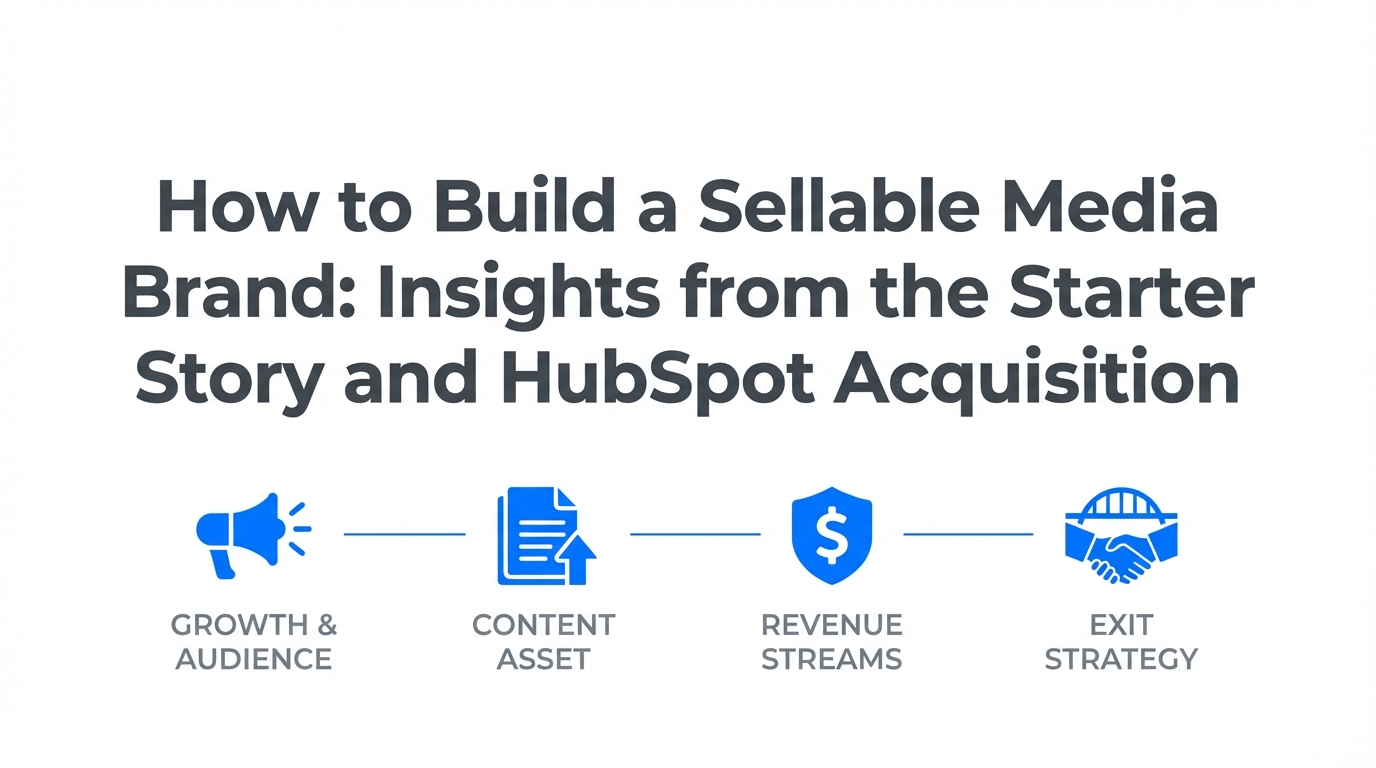
Nearly a decade ago, a developer in a cramped New York City apartment spent his mornings in a Starbucks, hammering away at a laptop for two hours of deep work before his 9-to-5 began. He wasn't just coding; he was interviewing founders, sending thousands of emails, and building the foundation of what would become a global media powerhouse. That founder was Pat Walls, and that project was Starter Story. Fast forward to today, and that "side project" has been acquired by HubSpot in a life-changing media company acquisition. This transition from a founder-led blog to a scalable corporate asset offers a masterclass in building a sellable startup. For media entrepreneurs, the journey of Starter Story isn't just an inspiration—it is a strategic blueprint for how to structure a content business for a massive exit.
The Transition from Founder-Led to Scalable Identity
One of the most significant hurdles in how to sell a content business is the "founder trap." When a brand is inextricably linked to the personality, voice, or face of its creator, it becomes difficult to sell. If you are the business, what happens when you leave? Pat Walls candidly shared that for years, he was the Starter Story guy. His identity was consumed by the brand, which he initially built for freedom, only to find himself in a "cage" of his own making where every growth metric depended on his personal output.
To prepare for a media company acquisition, a founder must intentionally decouple their personal brand from the company. This means developing a unique editorial voice that can be replicated by a team. Pat noted that the realization that Starter Story had stopped being about him years ago was the catalyst for the sale. It had become about the process, the thousands of founders interviewed, and the community. By moving the focus from the "messenger" to the "mission," you create an asset that can thrive under new ownership.
"The goal was never just money. It was to build something bigger than myself—something real that didn’t depend entirely on me. And somewhere along the way, that happened."
Operationalizing Content to Remove Founder Bottlenecks
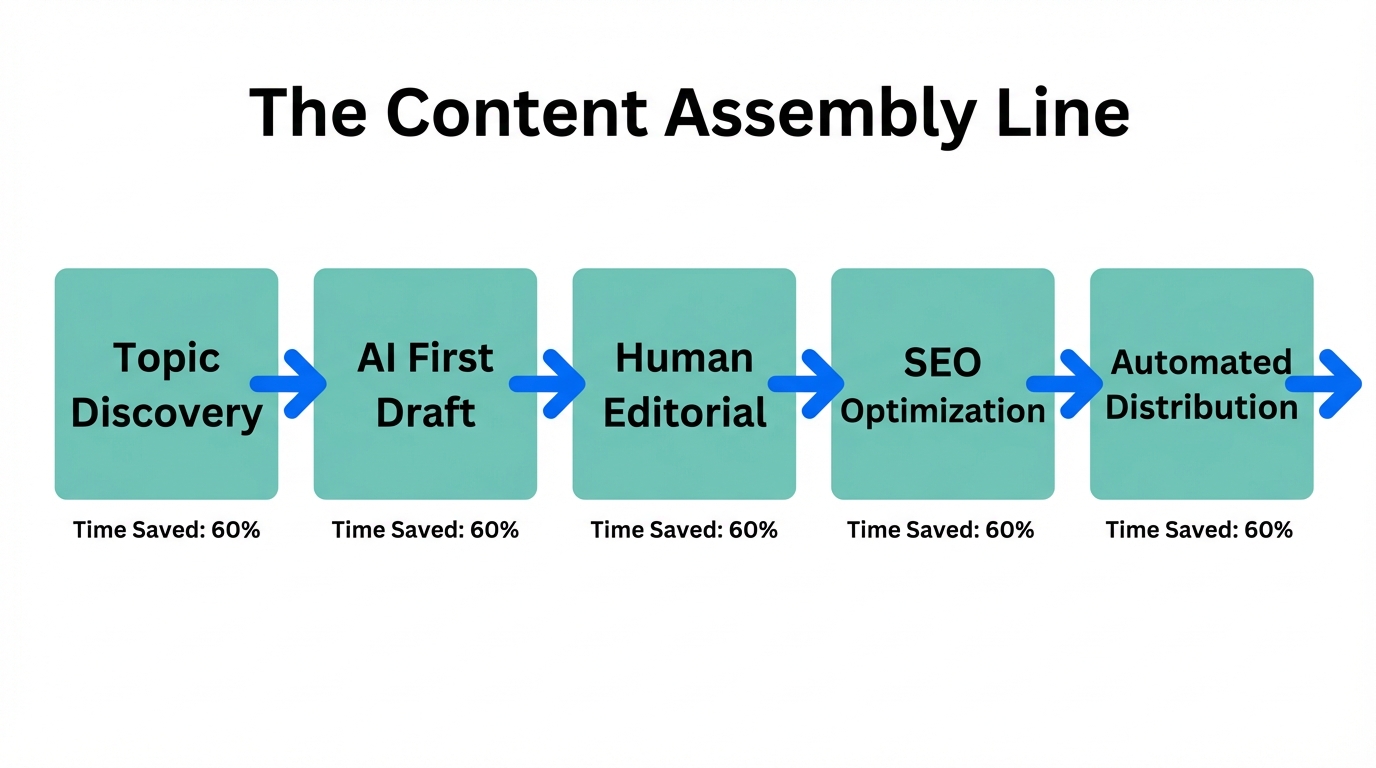
A sellable media brand is essentially a well-oiled machine that produces high-quality content consistently. Pat’s journey involved moving from doing everything himself—coding the site, conducting interviews, refreshing Stripe—to hiring his first employee (his sister) and then scaling a full team. This shift is the core of an exit strategy for founders.
To build a business that HubSpot or other major players would want to buy, you must document your workflows. This includes how you source leads, how you automate outreach via tools like Instantly or Lemlist, and how content is edited and published. When your operations are codified into standard operating procedures (SOPs), you aren't selling a job; you are selling a system.
Comparison: Side Project vs. Sellable Media Asset
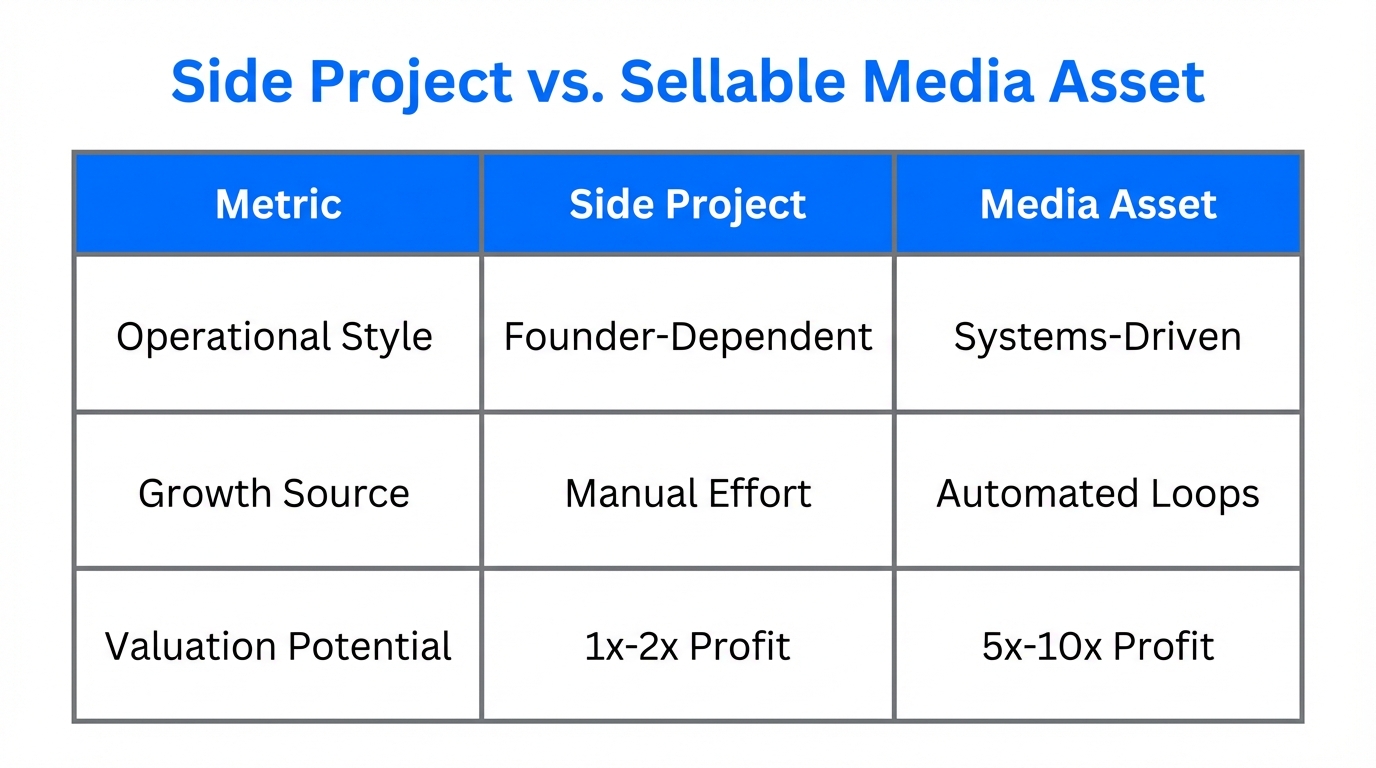
| Feature | Side Project (Unsellable) | Media Asset (Sellable) |
|---|---|---|
| Dependency | Relies on founder's daily input | Driven by automated systems & team |
| Content | Personal opinions & founder voice | Scalable editorial framework |
| Revenue | Lumpy, unpredictable sponsorships | Consistent, recurring revenue streams |
| Data | Basic Google Analytics only | Deep first-party audience data |
Strategic Alignment: The HubSpot Case Study
When HubSpot acquires a company like Starter Story, they aren't just buying traffic; they are buying strategic alignment. HubSpot’s mission is to help millions of organizations grow better, and Starter Story’s database of thousands of successful founder stories fits perfectly into that top-of-funnel ecosystem. For Pat, the deal mattered less about the specific numbers and more about the alignment of mission.
If you are building a sellable startup, you must ask: Who are the natural owners of my audience? If you run a newsletter on beehiiv for DTC founders, your natural acquirers might be shipping platforms or marketing SaaS companies. By aligning your content strategy with the goals of potential acquirers, you increase the likelihood of a strategic premium on your sale price. This often involves using a robust CRM like HubSpot early on to track your own audience growth and engagement metrics, making the due diligence process seamless.
Key Metrics and Revenue Milestones
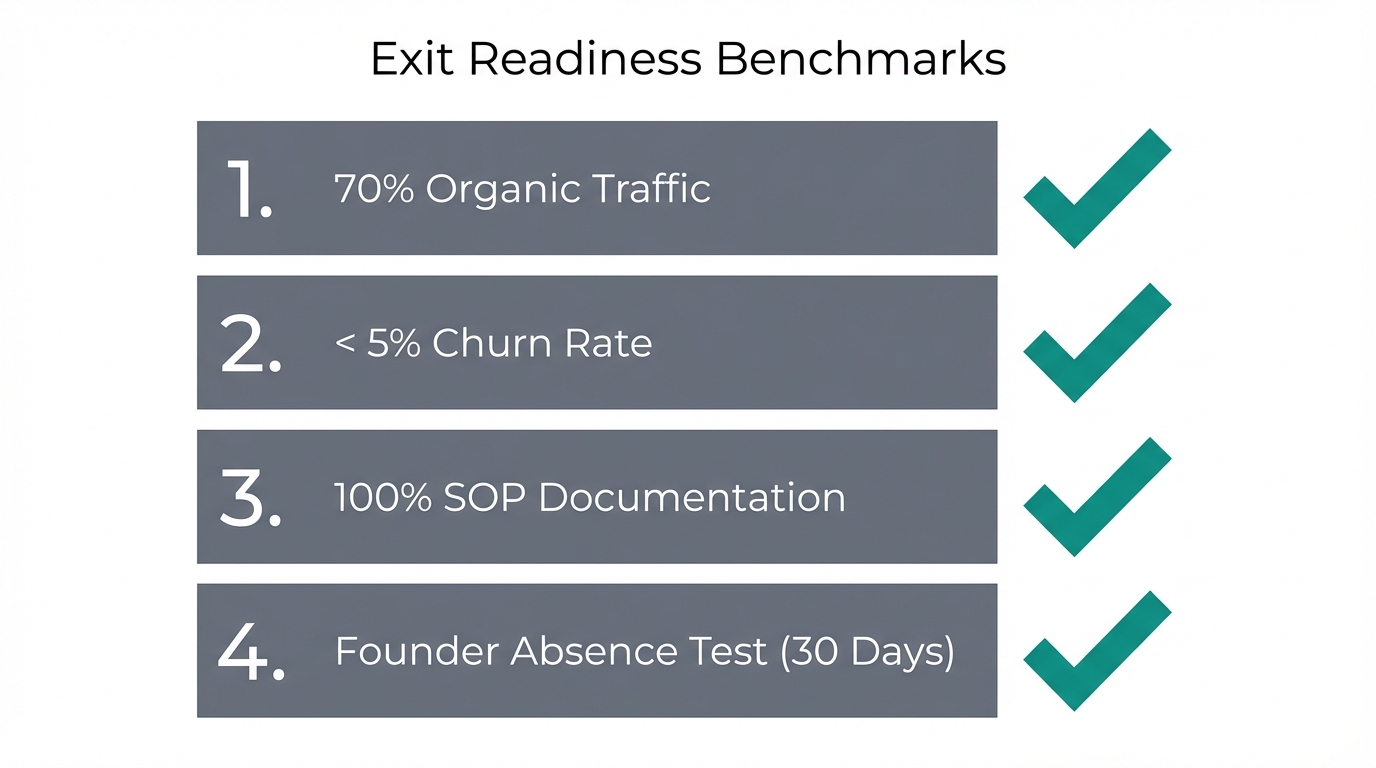
What makes a media brand "ripe" for a media company acquisition? It isn't just a high follower count. Acquirers look for retention, efficiency, and growth velocity. Pat Walls mentioned that the business didn't explode overnight; it accumulated through compounding effort. This compounding is visible in the metrics. For example, a media brand generating $1M+ in annual recurring revenue (ARR) with a high percentage of organic traffic is significantly more valuable than one relying heavily on Google Ads or Meta Ads for every click.
In the modern creator economy, media brands are also increasingly turning to User-Generated Content (UGC) and creator partnerships to stay relevant. To manage these relationships at scale, platforms like Stormy AI streamline creator sourcing and outreach, allowing media brands to maintain high volume without increasing internal headcount. Demonstrating that you use AI and modern automation to keep margins high is a massive green flag for acquirers.
"Your life can change in just a few short years—not because of one big lucky break, but because you believed in yourself over a long enough number of days for that to compound."
Leveraging AI and Modern Tools for Growth
Efficiency is the name of the game in 2024. A lean team that produces 10x more content than a traditional newsroom is a prime acquisition target. This is where your tech stack becomes your competitive advantage. For media brands focused on the founder or influencer niche, finding the right creators to feature or partner with can be a bottleneck. Using Stormy AI can help source and manage UGC creators at scale, ensuring your content pipeline never runs dry while you focus on high-level strategy and deal-making.
Furthermore, integrating automation tools like Zapier or Make to connect your content to your email marketing platforms (like Klaviyo) ensures that your audience data is being captured and utilized effectively. Acquirers love to see a clean data stack where every visitor has a clear path to becoming a subscriber or a customer.
Step-by-Step Checklist for a Life-Changing Exit
Preparing for a media company acquisition takes months, if not years, of intentional work. Follow this playbook to ensure you are ready when the offer comes in:
- Audit Your Involvement: Identify every task that only you can do. Hire or automate to remove yourself from these roles.
- Clean Your Financials: Use a professional accounting service to ensure your P&L is transparent. Separate personal expenses entirely from the business.
- Diversify Revenue: Don't rely on a single ad network. Build a mix of sponsorships, digital products, and perhaps a newsletter on Beehiiv or a paid community.
- Secure Your IP: Ensure all trademarks, domain names, and contributor contracts are in order. Acquirers need to know they legally own 100% of the asset.
- Build a Lead List of Acquirers: Don't wait for them to find you. Identify companies whose missions align with yours (like the Starter Story HubSpot fit) and start building relationships.
- Optimize for Retention: Focus on email list growth and community engagement. Traffic is fleeting; owned audiences are permanent assets.
The Power of Showing Up
The acquisition of Starter Story by HubSpot is a testament to the power of consistency and systemization. Pat Walls didn't set out to sell for millions; he set out to build something that mattered, and he kept showing up every morning at 6:00 AM. By the time he walked into that office in NYC to sign the deal, he wasn't just signing away a job—he was handing over a legacy that had grown beyond him.
For any founder wondering how to sell a content business, the lesson is clear: build for the long term, focus on systems over ego, and align yourself with partners who believe in your mission. Whether you are using Canva to design your brand, Notion to manage your SOPs, or modern AI tools to scale your creator discovery, the tools exist to help you build a media empire from your living room. The only question is: are you ready to start the deep work today?