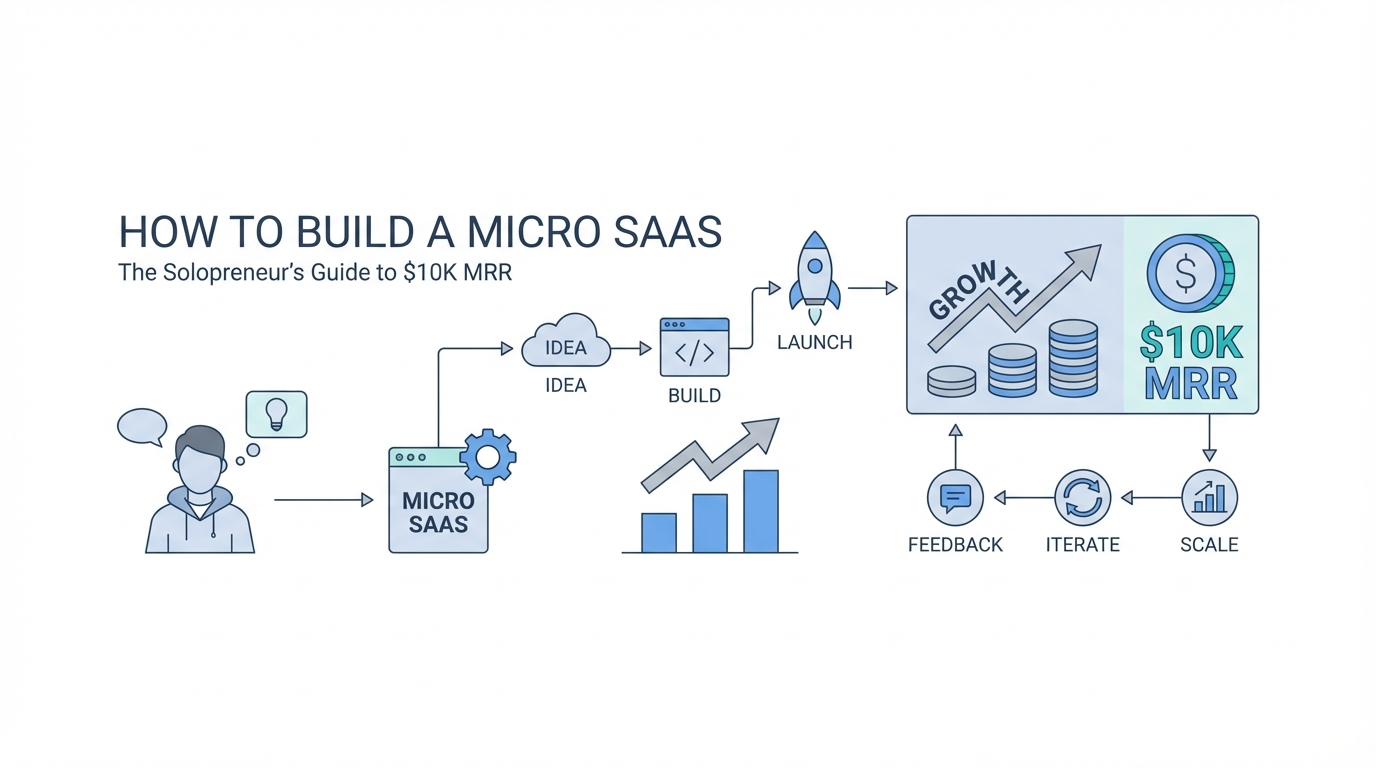
For many software engineers, the dream isn't a corner office or a title like "Senior Architect"; it is the freedom to build something of their own and watch the revenue notifications hit their phone while they are out for a morning coffee. The path from a 9-to-5 job to a profitable solopreneur business model is often paved with failed side projects and half-finished repositories. However, the rise of the "Micro SaaS" — a term popularized by Tyler Tringas — has changed the landscape, allowing developers to build hyper-focused, niche tools that solve specific problems for a global audience. Transitioning from employee to founder requires a shift in mindset from focusing on code elegance to focusing on market validation and customer pain points, as noted in the 2023 Stack Overflow Developer Survey regarding the rise of independent development.
The 'Super Skill' Framework: Choosing Your Micro SaaS Ideas
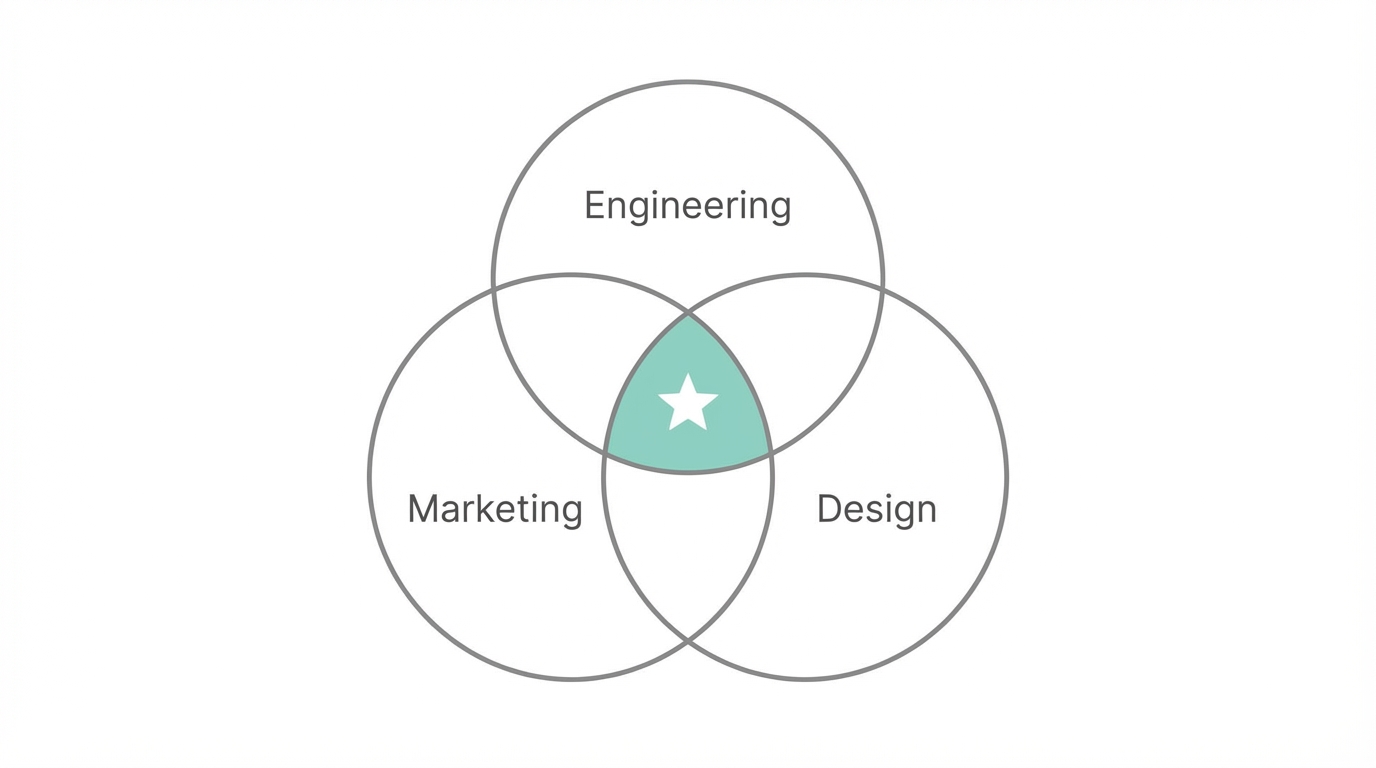

The biggest mistake most developers make when looking for micro saas ideas is trying to build the next Facebook or Slack. Instead, the most successful solopreneurs look inward at their own technical expertise. Dmitro, the founder of ScreenshotOne, realized that his "super skill" was building robust, scalable APIs. By narrowing his idea space to only include API-based products, he eliminated thousands of distractions and focused on where he could provide the highest quality.
To find your own super skill, ask yourself: What part of the stack do I understand better than anyone else? Is it data scraping, authentication, PDF generation, or image processing? When you build within your core technical strength, you reduce the time it takes to build a profitable side project for developers because you aren't fighting the technology; you are simply applying it to a market need. According to Starter Story, focusing on a specific niche you already understand is the fastest way to reach your first $1,000 in revenue.
Validation Through Competition: Why Red Oceans are Green Flags
A common fear among new founders is finding a niche that already has competitors. They assume that if someone else is already doing it, the opportunity is gone. In reality, competitor presence is the ultimate heuristic for market validation. If you search Google and find multiple companies offering a similar service, it is a definitive sign that there are people paying for that solution. In the world of Micro SaaS, you don't need to capture 100% of the market; you only need enough customers to satisfy your personal revenue goals, such as $10K MRR.
When researching potential niches, look for competitors and try to find their customer counts or revenue numbers on sites like Indie Hackers. You can then use Stormy's AI search for discovery across TikTok, YouTube, Instagram, and LinkedIn to find which influencers or content creators are currently talking about those competitors. By using Stormy AI for influencer vetting and fake follower detection, you can ensure the "buzz" around a competitor is real and identify gaps—perhaps the competitors are too expensive, too complex, or lack a specific feature that a segment of the market desperately needs.
The 30-Day Launch: Why Your First Version Should Be Imperfect
Analysis paralysis is the silent killer of the solopreneur business model. Many developers spend months building the "perfect" product, only to launch it and realize nobody wants it. The goal for your first version should be to launch within 30 days. This forces you to strip away everything except the core value proposition. You don't need a custom billing portal, a complex onboarding flow, or a beautiful UI. You need a functional tool that solves a problem.
Dmitro’s first attempt took five months—a mistake he now avoids by aiming for a one-month turnaround. For a developer, this might mean launching an API without a dashboard, using Stripe for manual invoicing, or even handling account creation via a simple database entry. Once the core functionality is live, you can start the saas validation framework by getting it in front of real users. If you are struggling to find those first users to test your MVP, you can leverage Stormy AI for automated email outreach to find creators in your niche and offer them free access in exchange for honest feedback. This speed to market allows you to iterate based on reality rather than assumptions.
The 10-Customer Rule: Finding Strangers Who Pay

True validation doesn't come from your friends, your family, or your Twitter followers who "like" your launch announcement. Validation happens when 10 strangers who don't know you enter their credit card information and pay for your product. This is the 10-customer rule. Until you reach this milestone, you don't have a business; you have a project.
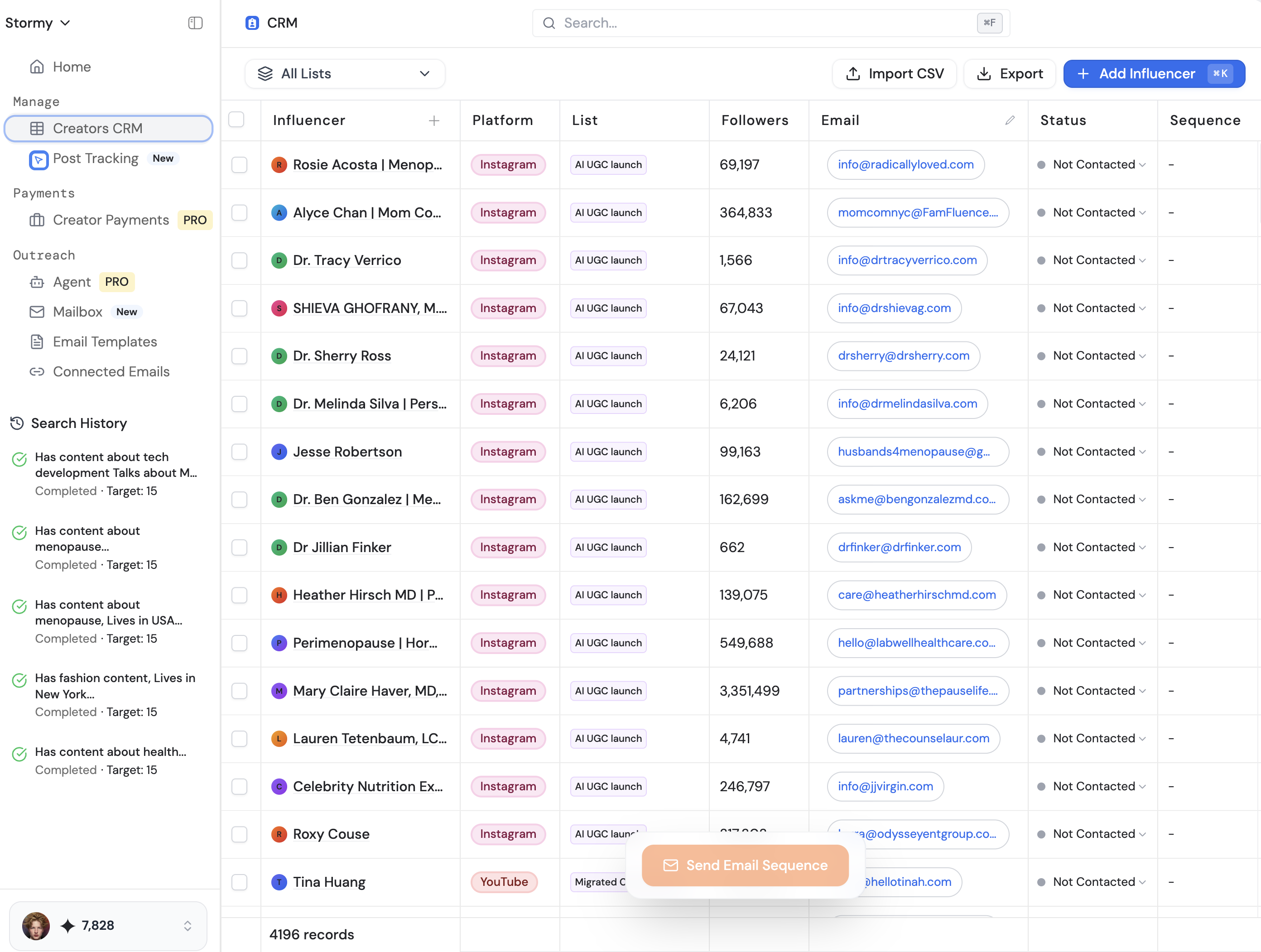
To find these first 10 customers, you must be persistent and willing to do things that don't scale. This includes posting on Hacker News, engaging in niche subreddits on Reddit, and answering questions on Quora. If you can get 10 people to pay $10, you have proven that there is a path to getting 1,000 people to pay $10. Each of these early customers is a goldmine of information. Use Stormy's creator CRM to track these early relationships, noting their specific use cases and the features they request most frequently.
Structuring for Profit: Subscriptions and Usage-Based Upsells

A sustainable solopreneur business model relies on healthy profit margins. For a Micro SaaS, aim for 40% to 60% margins. While your primary revenue should come from a recurring subscription, the secret to scaling to $10K MRR is the usage-based upsell. By charging a base fee for a certain number of "credits" (e.g., screenshots, API calls, or reports) and then charging extra for additional usage, you align your success with your customers' success.
Many founders start with prices that are too low, fearing that high prices will scare away customers. In reality, higher prices often attract better customers who are more likely to provide constructive feedback and less likely to churn. As highlighted in Y Combinator's guide on common pricing mistakes, a price increase is a strong signal that helps you filter for users who actually extract high value from your software. This strategy ensures that as your server costs grow, your revenue grows even faster.
Reducing Churn: The Power of One Simple Question
High churn is the enemy of growth. If you lose 10% of your customers every month, you are constantly fighting to stay in the same place. According to research by Paddle, reducing churn by just 1% can have a massive impact on your long-term valuation. To reduce churn, you must understand exactly why people are leaving. Automated cancellation surveys often yield generic answers. To get real insights, send a personalized, one-question email to every churned customer: "Did you cancel because of the price?"
This simple "yes/no" question often opens the door to deeper conversations. You might find that developers churned because they expected a no-code solution, or that they left because a specific integration was missing. Once you identify these patterns, you can adjust your marketing copy to better set expectations. To keep an eye on how your marketing changes impact your user acquisition, use Stormy's post tracking and analytics to monitor how your content and social mentions are performing across different platforms in real-time.
Marketing Channels: Beyond the Product Hunt Launch
While a Product Hunt launch can provide a temporary spike in traffic and an SEO boost, it is rarely a long-term growth engine. Profitable Micro SaaS businesses rely on sustainable channels like SEO, YouTube tutorials, and ecosystem marketplaces. Platform-specific integrations—such as building a dedicated app for Zapier or Make—can put your product in front of thousands of businesses that are already looking for automation solutions.
YouTube is an often-overlooked channel for technical products. Creating a video tutorial that shows how to solve a specific problem using your API can rank highly in Google search results, even for competitive keywords. If a creator posts a tutorial featuring your tool, it can drive high-quality, paying customers for years. Tracking these mentions and their impact via Stormy AI's campaign performance tools is critical for understanding where to double down on your marketing efforts.
The Solopreneur Mindset: Owning Your Decisions
The final and most important step in learning how to build a micro saas is developing the right mindset. As a solopreneur, you are the only one responsible for your decisions. You cannot outsource your intuition to influencers, mentors, or blog posts. You must own your path, whether that means staying in your 9-to-5 while building on the side or burning the ships and going all-in, much like the case studies documented on Wikipedia's solopreneur entry.
Managing your mental health is a vital part of the business. Solopreneurship is a marathon of persistence. Take time to read, exercise, and step away from the keyboard. A clear mind makes better decisions, and better decisions lead to a more profitable business. By following the saas validation framework, focusing on your super skills, and launching quickly, you can transition from a developer who writes code for others to a founder who builds freedom for themselves.