We are currently living through a unique golden age of software development where the distance between a raw idea and a $50,000 monthly recurring revenue (MRR) business has never been shorter. While the venture capital world often looks for the next multi-billion dollar platform, a new generation of 'vibe coders' is quietly printing money by building hyper-focused mobile apps. According to research by Goldman Sachs, the creator and solo-software economy is poised for exponential growth. These aren't complex ecosystems; they are sharp tools that solve specific, high-stakes problems. To succeed in this landscape, you don't need a massive team or a decade of experience; you need a strategic app development strategy that targets what we call 'The Nerve.'
The 'Start With a Nerve' Framework
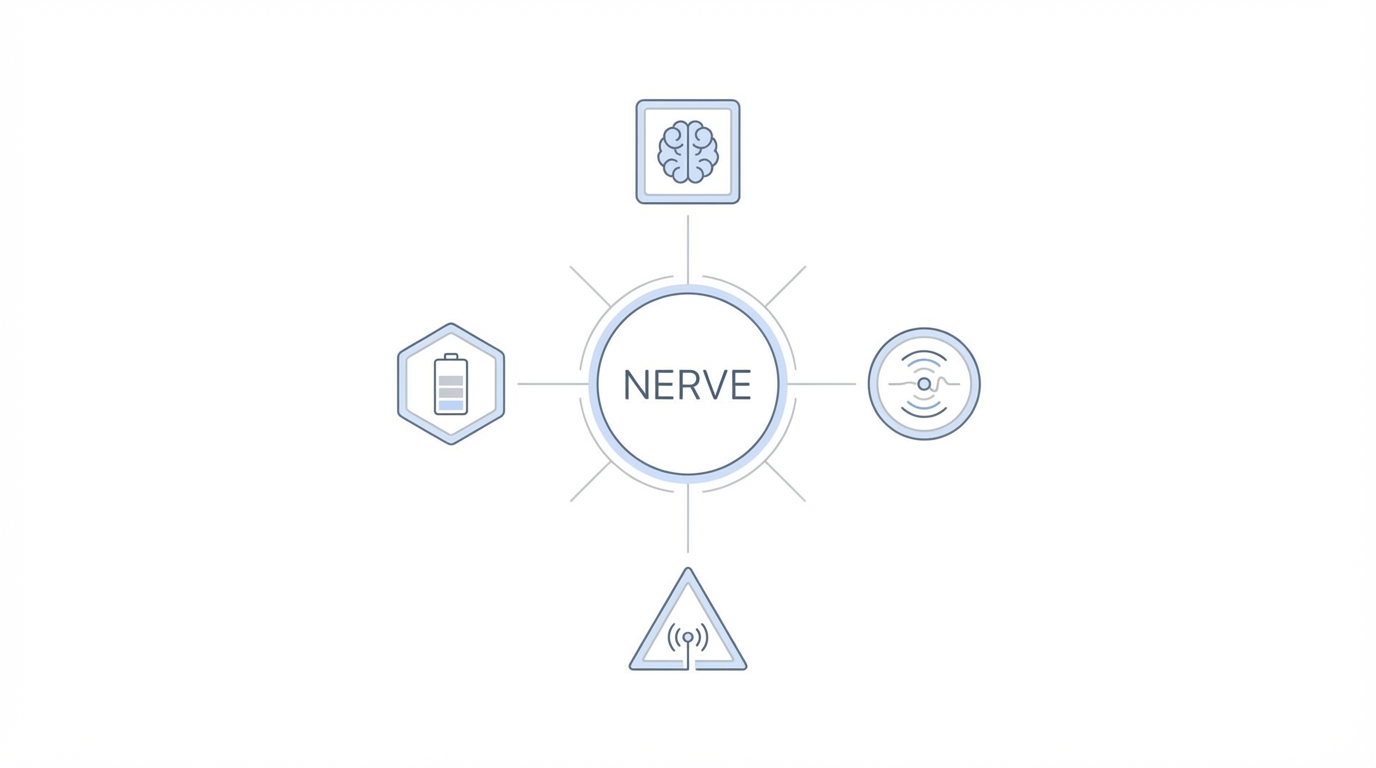
Most failed apps start with a 'market' or a 'feature.' Successful ones start with a nerve. A nerve is a point of acute pain, identity, or urgency that forces a user to reach for their phone and open an app immediately. To build a sustainable mobile app business model, your chosen niche must possess four distinct qualities: Identity, Urgency, Stakes, and Repetition.
- Identity: The user belongs to a specific group, such as collectors, professionals, or religious communities. This makes niche app marketing significantly easier.
- Urgency: The problem requires an answer now. Whether it's knowing the value of a vinyl record at a garage sale or diagnosing a sick plant.
- Stakes: There is a consequence to being wrong. This could be financial loss, reputational damage, or wasted time.
- Repetition: The job-to-be-done isn't a one-off event. It happens daily or weekly, driving the high frequency required for subscription retention.
The 5-Step Playbook for Identifying Profitable Groups

How do you find these nerves? Use this five-step SaaS validation framework to vet any idea before writing a single line of code. The goal is to find a group that is already spending money and possesses a repeating, high-stakes problem that can be solved with Google Ads-ready intent.
Step 1: Identify a Group That Spends Money
Avoid targeting groups with more time than money. Focus on demographics that have already demonstrated a willingness to pay for hobbies, professions, or lifestyle improvements. For example, Vinyl Snap generates significant revenue by targeting vinyl record collectors—a demographic with disposable income and a deep passion for their collection, contributing to the billions in annual vinyl sales recorded by the RIAA.
Step 2: Find a Repeating Problem
One-time solutions lead to high churn. Look for rituals. The Bible Note Taker app earns high MRR because millions of people attend religious services weekly. They have a built-in cadence of capturing sermons, prayers, and reflections. Your app should slot into an existing habit, not try to create a new one from scratch.
Step 3: Prioritize Visual and Video Inputs
We are in the era of the 'camera-first' app. High-performing AI apps leverage the phone's hardware. Apps like AI Home Decor and Zozo Fit use photos and 3D scans as the primary input. Visual data is high-signal and difficult for a user to interpret on their own, creating a massive opportunity for AI to provide value.
Step 4: Focus on Accuracy and High Stakes
The more it matters that the answer is right, the more you can charge. If an app tells a collector that a record is worth $1,000 instead of $10, the accuracy of that data is worth a premium. When learning how to build an AI app, accuracy becomes the primary product value proposition.
Step 5: Replace Bad Existing Tools
Look for industries where the 'status quo' is a manual, slow, or fragmented process. If the current solution involves driving to a specialist or using an outdated spreadsheet, you have found a gap. Using Shopify-like simplicity to replace a complex manual workflow is a proven path to MRR.
Unlocking 'Premium Insights' with AI
In a world where everyone has access to LLMs, the interface isn't the product—the Premium Insight is. A premium insight is a transformation of raw, high-intent data into a high-value conclusion. Think of AI as the engine that powers the following transformations:
- Price into Worth: Scanning a collectible to get a market valuation.
- Photo into Diagnosis: Taking a picture of a leaf to identify a plant disease or species instantly.
- Room into Design: Turning a photo of an empty apartment into a fully furnished 3D model using tools like Matterport or similar spatial AI.
- Artifact into Appraisal: Identifying the rarity and condition of a vintage item instantly.
By focusing on these transformations, you move away from generic 'AI Chat' and toward a specialized tool that people will pay $9.99/week to use. The more specific the transformation, the higher the perceived value.
The 'One Job' Rule: Why Brutal Simplicity Wins

One of the biggest mistakes in modern software development is feature creep. The apps making $50K-$200K per month often do exactly one job with brutal efficiency. Logo Maker, for instance, doesn't try to be a full design suite like Canva. It takes a prompt and gives you a logo. That’s it.
A single-screen interface with one primary button reduces friction and increases conversion. When a user is in a 'high-intent' moment—like sitting at a restaurant with a confusing menu—they don't want a multi-tabbed experience. They want to scan the menu and see what fits their diet instantly. This is why Menu Fit is finding success; it solves the 'one job' of decoding a menu in real-time.
Leveraging High-Intent Inputs for Instant Value
High-intent inputs are signals that represent a user's immediate need. Examples include VIN numbers, addresses, leaf photos, or 3D body scans. These inputs are naturally 'hard' for humans to process but 'easy' for AI to interpret. When you build around these, you create instant 'aha' moments. If you are struggling to find a niche, look for a high-intent physical input that people are already carrying in their pockets or seeing in their daily lives.
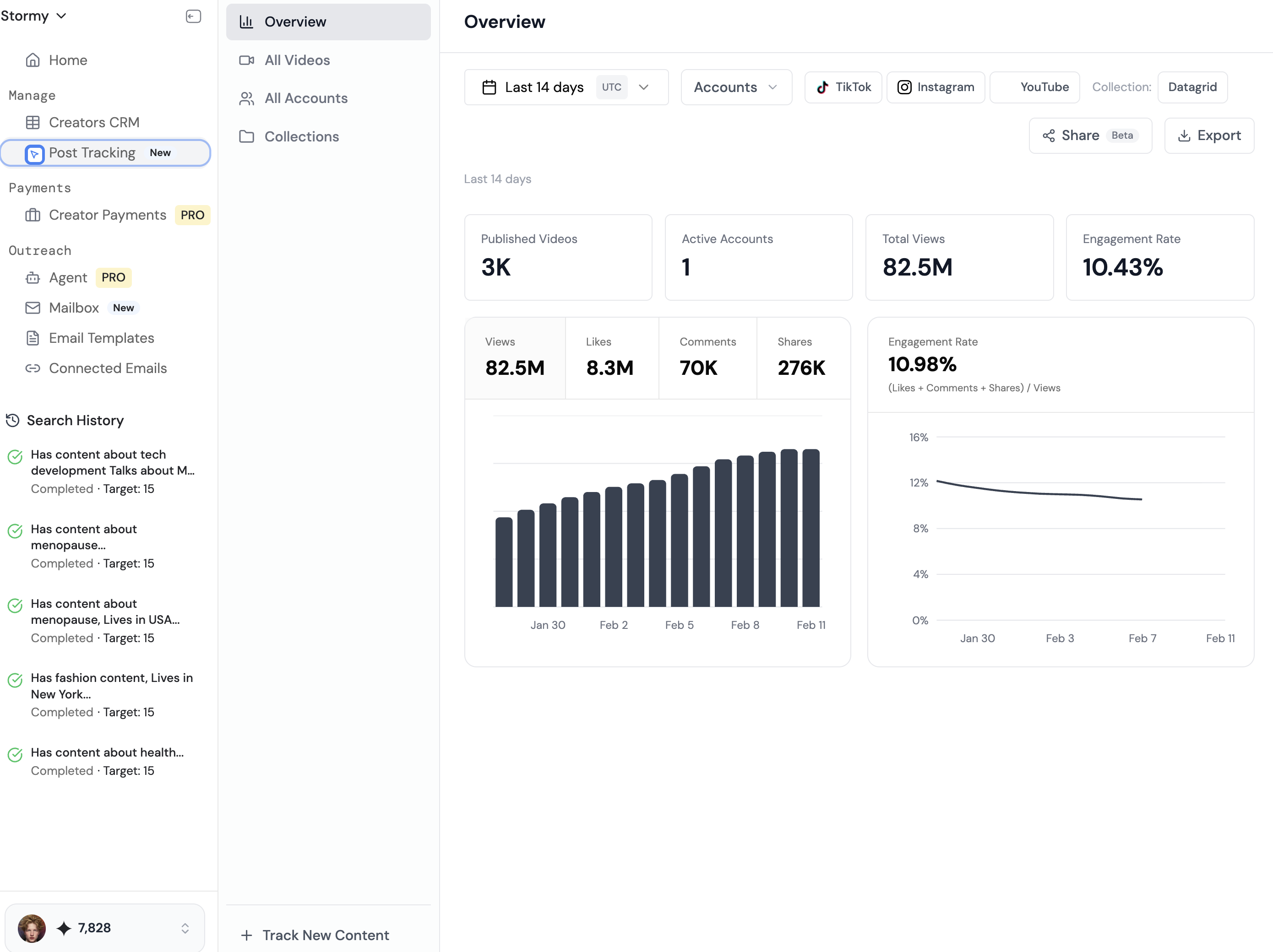
Once you have identified this input and built your 'One Job' app, the next hurdle is growth. This is where Stormy AI becomes an essential part of your stack. For niche apps, User Generated Content (UGC) is the most effective way to drive app installs. Platforms like Stormy AI streamline creator sourcing and outreach, allowing you to find niche influencers—whether they are in fitness, home decor, or collectibles—to scale your growth and track campaign performance automatically.
The 50K MRR Validation Checklist

Before you commit to building, run your idea through this final checklist to assess its probability of success:
- Does it solve a problem for a group with high disposable income?
- Is the input (photo/video/data) high-signal and difficult to interpret manually?
- Is there a recurring ritual (daily/weekly) that requires this tool?
- Can the entire value proposition be explained in one sentence (The 'One Job' Rule)?
- Are the existing tools or methods for solving this problem outdated or non-existent?
If you can answer 'Yes' to all five, you aren't just building an app; you are building a high-margin cash flow machine. The era of the 'idea guy' is here, and with the right framework, 2026 is the perfect time to turn a 'nerve' into a thriving business.
Conclusion: From Idea to Execution
Building a $50K MRR app isn't about reinventing the wheel; it's about finding where the wheel is squeaking the loudest and applying a precise, AI-powered fix. By starting with a nerve, sticking to the One Job rule, and leveraging high-intent inputs, you can bypass the complexity that kills most startups. Whether it's a 3D body scanner or a vinyl record appraiser, the opportunity lies in the niches. Start small, focus on the premium insight, and use modern payment tools like Stripe to scale your revenue. The only thing left to do is to find your nerve and start building.