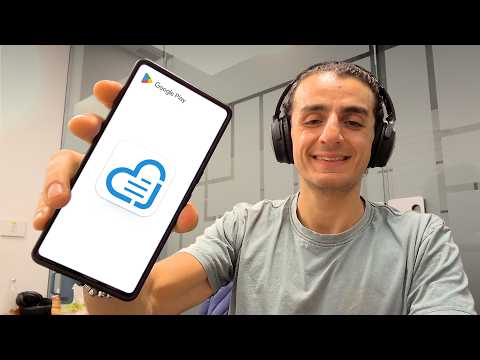
In 2026, the gold rush for AI-integrated applications has reached a fever pitch. While the masses are flocking to iOS to launch "vibe-coded" wrappers, a new breed of founders is quietly building million-dollar empires by looking where others aren't. Steve, the founder of Journalable, recently shared on Starter Story how he scaled an AI calorie tracker to $125,000 in monthly revenue with a lean, bootstrapped team. The secret? Rejecting conventional wisdom to focus on the massive, under-served Android market and leveraging an AI-first distribution engine that runs on data, not just vibes.
Solving 'Niche Overlap': The Android Opportunity in 2026
 0:30
0:30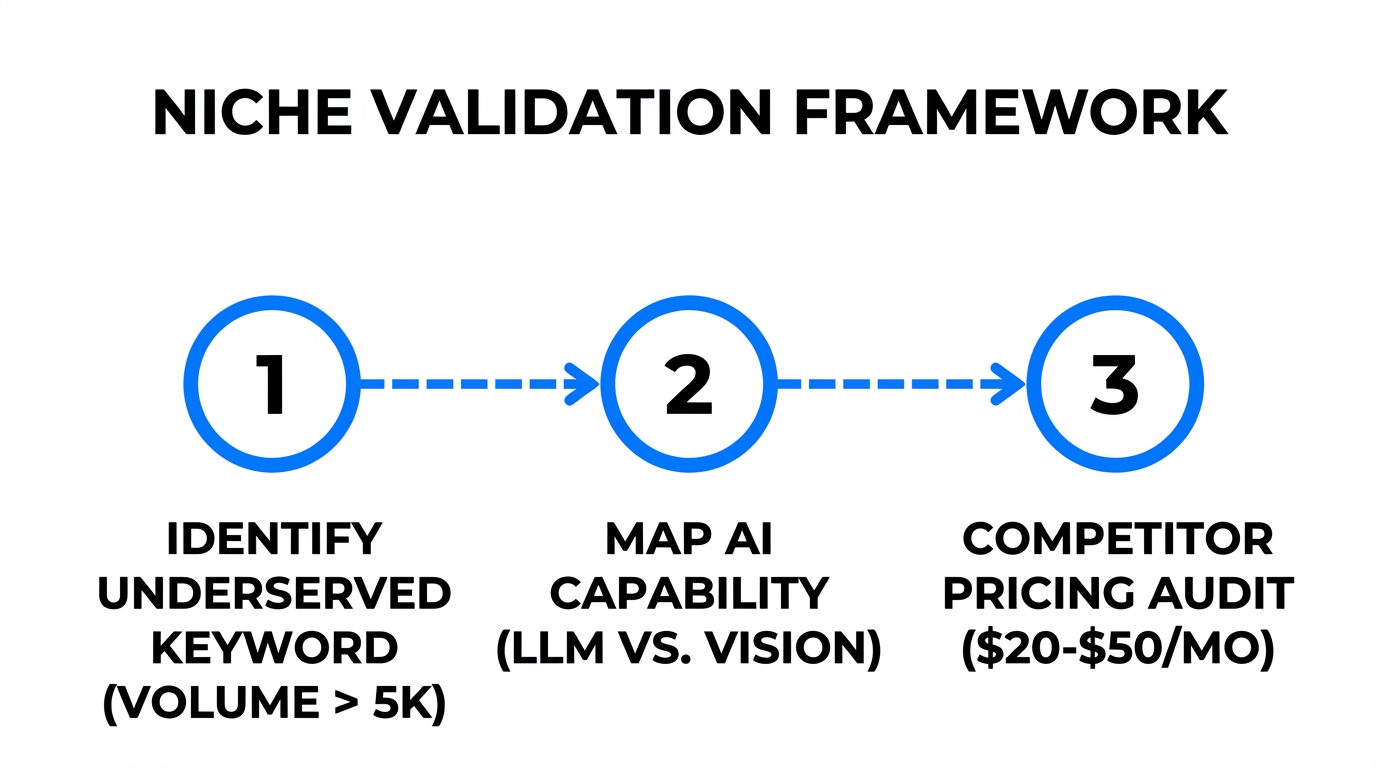
Most developers in the SaaS ecosystem default to iOS, assuming that's where the high-intent spenders live. However, the data in 2026 tells a different story. According to the RevenueCat State of Subscription Apps Report, while iOS users may spend more on average, the platform is five times more saturated with new app releases than Android. This creates a "niche overlap" where problems already solved on iOS remain completely unaddressed for billions of Android users worldwide.
Steve’s app, Journalable, found its footing by identifying that most nutrition apps were overly complex. By focusing on Android—where CPMs (cost per thousand impressions) are often four times lower than on iOS according to Business of Apps—he was able to acquire users profitably while his competitors fought for expensive real estate on the App Store. By the time his app hit 1 million downloads, 80% of his revenue was coming from the Play Store.
"The real opportunities in 2026 are in the niche overlap of problems that no apps currently solve on Android, even if they are already incumbents on iOS."
The 'Keep It Simple' Product Strategy: Reducing AI Friction
One of the biggest mistakes AI founders make is feature bloat. They assume that because they can build a complex multi-agent system, they should. Journalable succeeded by doing the exact opposite. The app is a masterclass in the AI app business model 2026: a simple, frictionless interface that solves a high-frequency problem (tracking food).
Instead of forcing users to search through massive databases of ingredients, the app uses OpenAI's latest models to allow users to simply type a sentence like "I had yogurt, granola, and blueberries" or take a photo of their plate. The AI handles the transcription, ingredient identification, and macro calculations instantly. This reduction in friction is a massive growth lever; the less time a user spends doing the work, the more likely they are to convert into a $1M ARR subscriber.
The 2026 Distribution Playbook: Winning with Google Ads
9:50For bootstrapped founders, Google Ads remains the most powerful distribution channel for Android apps. Unlike the fragmented world of social media content, Google allows you to capture intent at the exact moment a user searches for a solution. Steve’s strategy for scaling to $100k/month followed a strict, data-driven methodology.
| Platform Metric | Android (Play Store) | iOS (App Store) |
|---|---|---|
| Ad Cost (CPM) | 1x (Baseline) | 4x Higher |
| Conversion Rate | High | 20% Higher than Android |
| Market Saturation | Low (2x Growth) | High (5x Growth) |
| Scaling Potential | Global/Emerging Markets | US/Tier 1 Focused |
Step 1: Attribution and Measurement
Before spending a single dollar, you must set up deep-link attribution. Use tools like Firebase and RevenueCat to track every event—from the initial install to hitting the paywall and completing a purchase. This data is fed back into the Google algorithm so it can optimize for high-value users rather than just cheap downloads.
Step 2: The Asset Blitz
Google’s AI-driven app campaigns require 10 pieces of copy (5 headlines, 5 descriptions) and up to 20 images and videos. In 2026, the winning strategy is to take big swings. Don't just test button colors; test entirely different messaging angles—one focused on weight loss, another on time-saving, and another on health insights.
"Google's algorithm needs data to have a heartbeat. Start with a baseline install campaign to feed the machine before you try to optimize for ROAS."
Scaling Globally: Capturing Emerging Markets
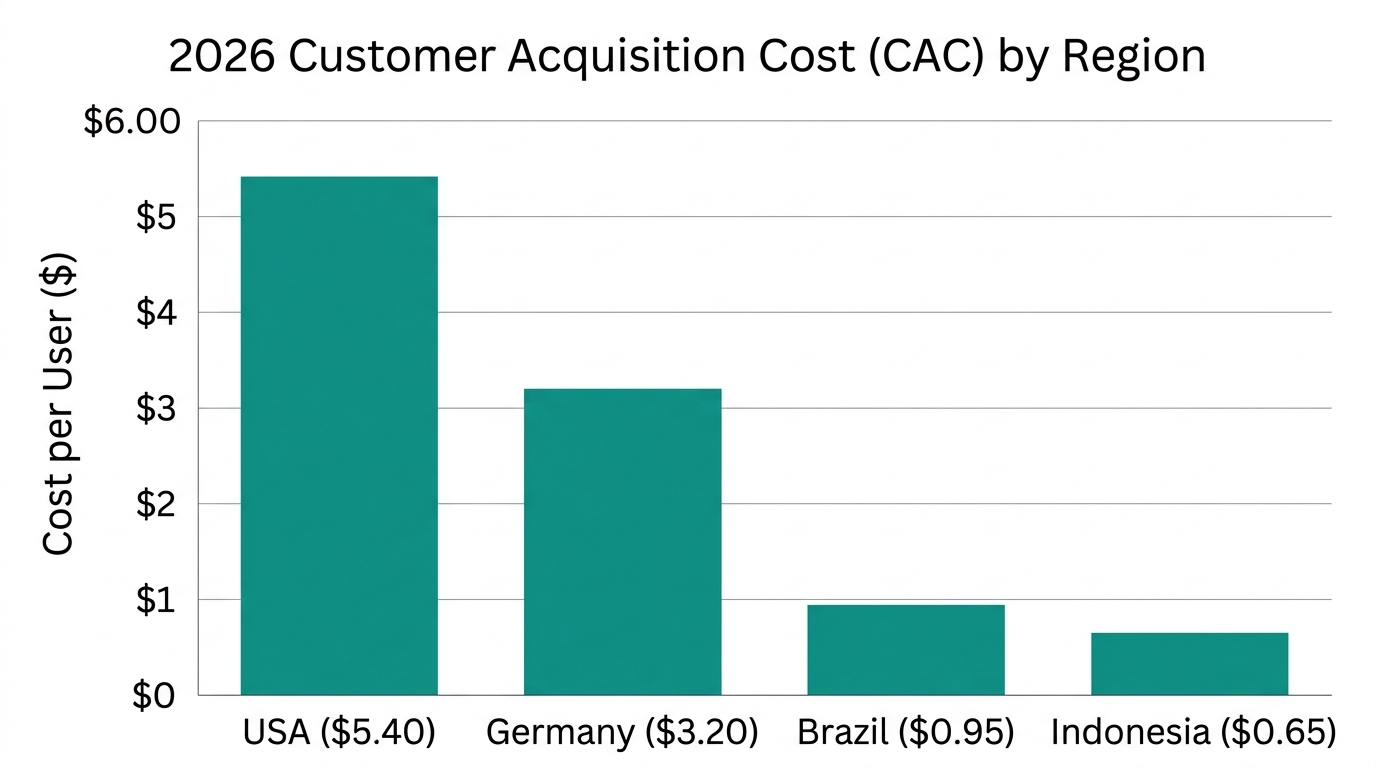
One of the most overlooked SaaS distribution strategies is aggressive localization. While most US founders focus solely on the domestic market, the largest growth in Android users is happening in South America, Southeast Asia, and Europe. By localizing your Play Store listing and in-app content, you can tap into massive audiences where the cost-per-install (CPI) is a fraction of what it is in the US.
Using AppFollow for App Store Optimization (ASO) allows you to track keywords across different languages and regions. In 2026, a truly global app isn't just translated; it's culturally adapted. This global reach is why many AI apps are seeing 80% of their growth coming from non-US markets.
Automating Operations with Claude Code
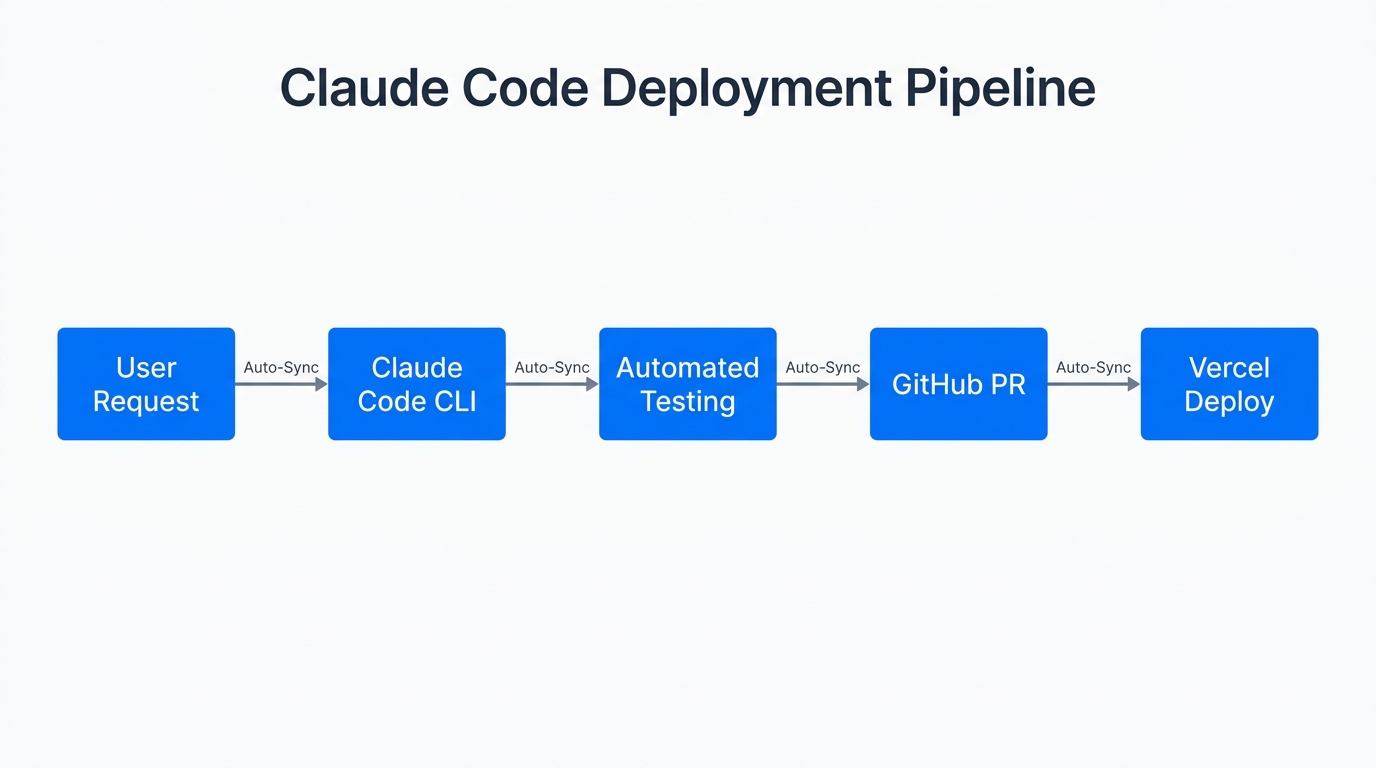
Running a million-user app used to require a support team and a fleet of DevOps engineers. In 2026, that entire back-end can be managed by a single founder using Claude Code and AI agents. Steve utilizes a stack that costs less than $500/month to manage operations that would have cost $10k/month just three years ago.
The stack includes N8N for workflow automation, GitHub Copilot for rapid feature development, and Claude for handling complex back-end logic. This allows the founder to remain focused on growth marketing for AI startups rather than getting bogged down in technical debt or support tickets.
The Regret of the Silent Founder: Content as a Multiplier
19:39Despite reaching $1M ARR, many founders regret staying "silent" during their build. Documenting the journey—what some call Building in Public—is the ultimate distribution multiplier. In the 2026 creator economy for app founders, your personal brand is the cheapest form of customer acquisition.
By sharing data, failures, and milestones on platforms like X or LinkedIn, you create an organic funnel that complements your paid ads. This is where creator-led platforms like Stormy AI become essential. While Google Ads captures intent, influencer collaborations build trust. Founders can use Stormy AI to find niche health and fitness creators who can produce authentic UGC (user-generated content) to drive down the overall cost of acquisition.
"I missed a decade of social media growth. Documenting the journey isn't just about ego; it's a skill and a distribution asset that stays with you forever."
The Path to $1M ARR in 2026
Building a successful AI app today isn't about having the most complex algorithm; it's about mastering distribution. By focusing on the untapped potential of Android, maintaining a 'Keep It Simple' product philosophy, and using Google Ads to scale globally, any bootstrapped founder can reach significant milestones. The tools are cheaper than ever—from Webflow for your landing pages to AI agents for your back-end—but the winning edge comes from following the data and being willing to document the process along the way. Start by identifying that one niche overlap, launch your first install campaign, and let the data guide your path to $1M ARR.