We are currently witnessing the greatest technological shift in human history. It is a moment of pure permissionless innovation where the distance between a raw idea and a functional business has shrunk from years to minutes. We are in a $50 trillion gold rush, and for the first time, the most successful prospectors aren't massive corporations with thousands of employees—they are individual entrepreneurs. The solo founder is no longer a pipe dream; it is the new default. Whether you are a gaming nerd from a small town or a non-technical marketing professional, the barrier to entry has evaporated. As Greg Isenberg of Late Checkout often notes, AI is the first technology that has no limit, and those who harness it now will be the architects of the next generation of trillion-dollar companies. According to research by PwC, AI could contribute up to $15.7 trillion to the global economy by 2030, marking the start of this massive wealth transfer.
The Death of Overhead: Why the Solo Founder is the New Default
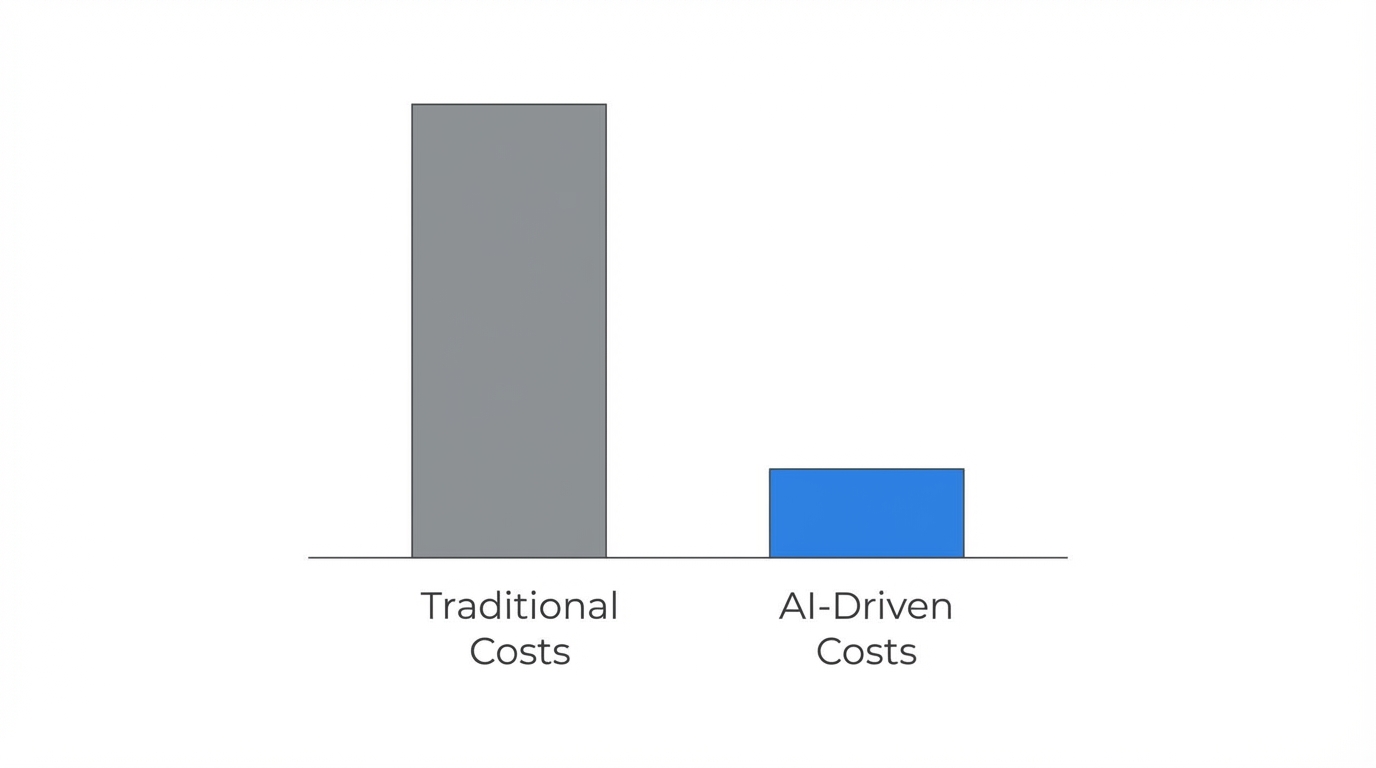
In the previous era of tech—the mobile and social era—starting a company required a village. You needed a technical co-founder to write the code, a designer to build the UI, and a venture capital check just to keep the lights on. Today, that paradigm is dead. We have entered the era of generative AI for business, where overhead is replaced by algorithms. A single person, armed with a laptop and a suite of LLMs, can now outperform entire departments of legacy firms. This shift is most visible in Silicon Valley, where investors are seeing smaller and smaller teams reach seed stage and beyond with more efficiency than ever before.
Think of it as a leveling of the playing field. In the mid-90s, visionaries like Bill Gates predicted a future of supercomputers in our pockets in his book The Road Ahead. We are now living in that future, but with an added layer: autonomous intelligence. You don't need to beg for permission or raise $135,000 just to test a TikTok-style feed like founders had to do in the early 2010s. You can ship, iterate, and scale while being alone in a hotel room, and the market doesn't care if you have a team of 50 or a team of one.
Digital Brains: How to Replace Engineering and Design Departments
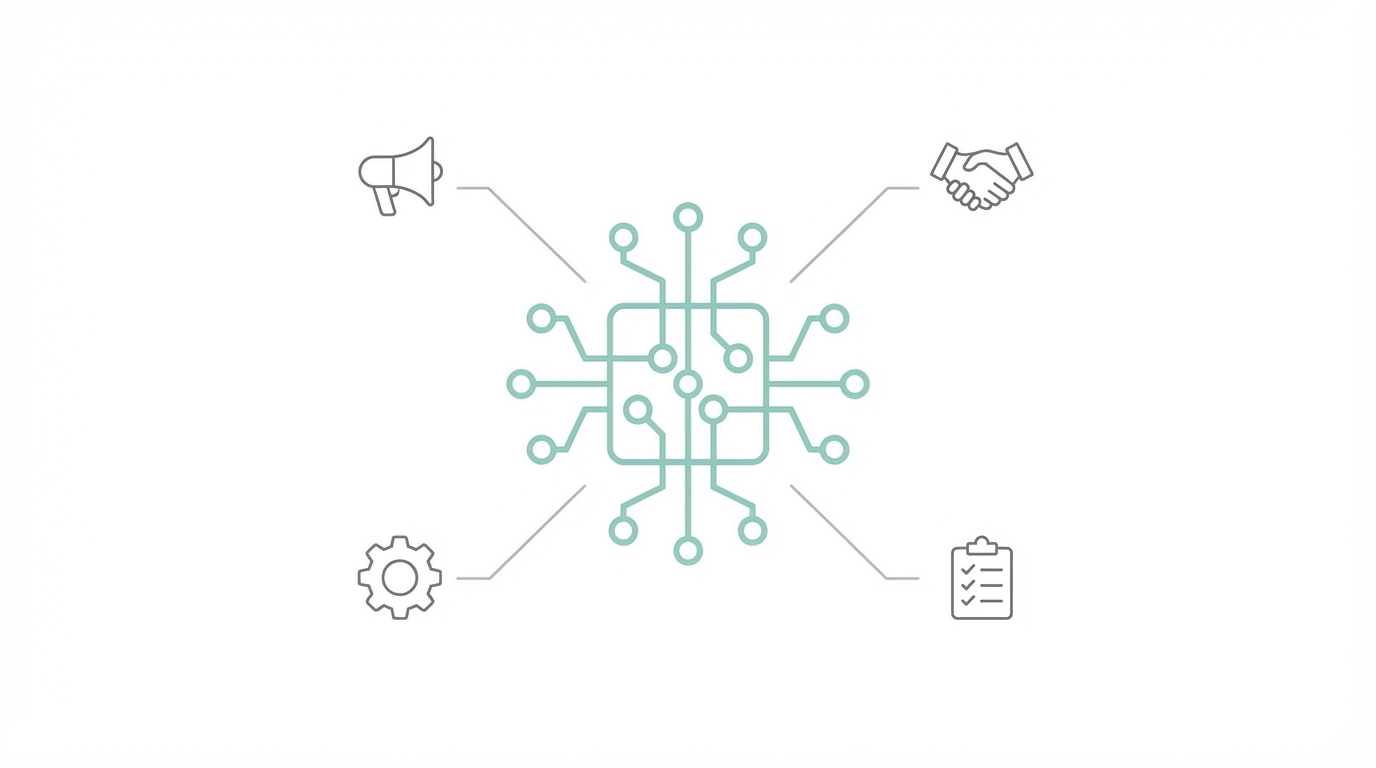
The core of the solo founder's toolkit is what we call "digital brains." These are Large Language Models (LLMs) that function as your on-demand workforce. Instead of hiring a junior developer, you use tools like Bolt to autonomously design and engineer software. These tools allow you to take a website or app idea and turn it into a functional prototype in seconds—a process that used to cost millions of dollars and months of labor. AI entrepreneurship today is about being the conductor of an orchestra of agents rather than a manager of people.
These digital employees, or AI agents, are defined by three core components: Brain, Memory, and Tools. The brain provides the reasoning and intelligence (the LLM), memory allows for context over time, and tools allow the agent to actually perform tasks—like writing code, sending emails, or analyzing data. When you learn to orchestrate these agents, you become "godlike" in your productivity. You are no longer limited by your own technical skills; you are only limited by the quality of your ideas and your ability to prompt the machine.
The 90-Day Playbook: From Community Problem to Shipped Product
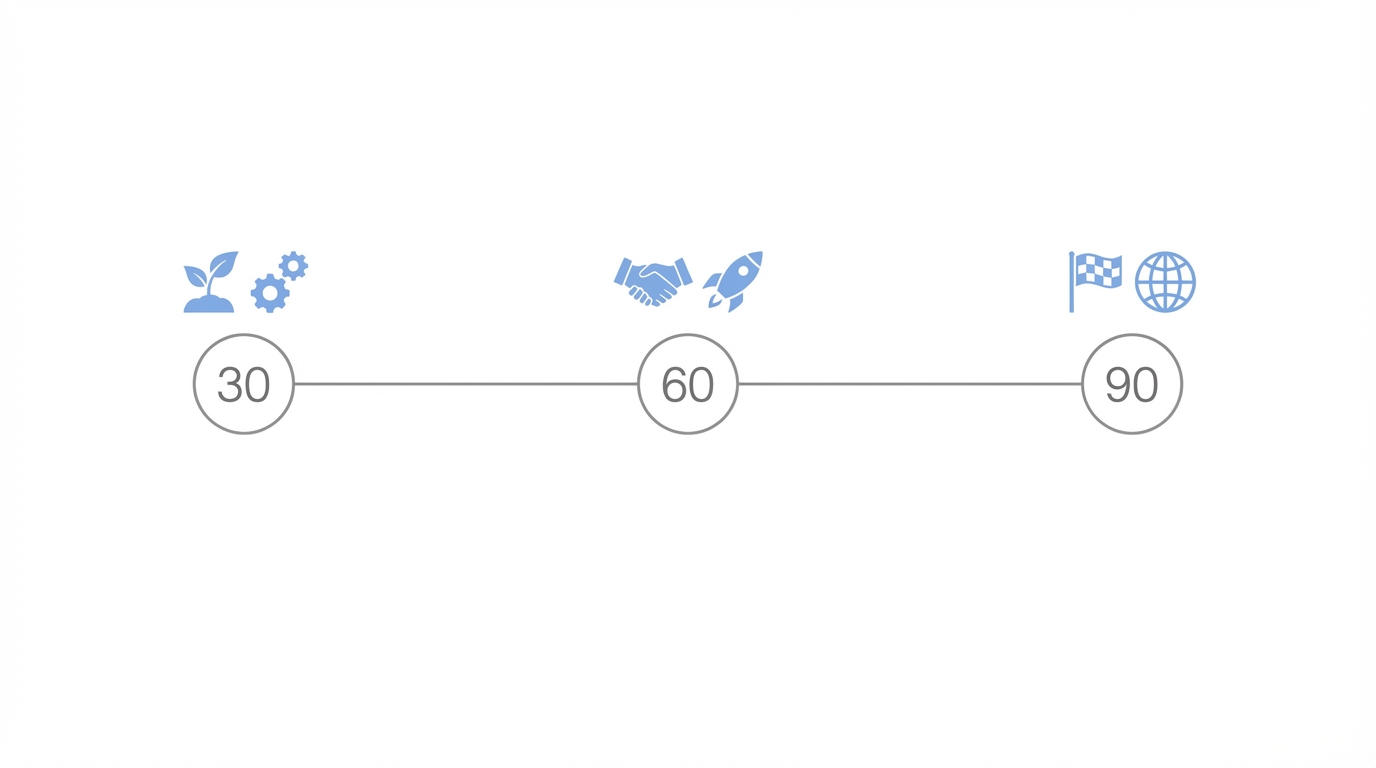

Success in how to start an AI business isn't about having a "genius" idea; it's about solving a specific problem for a community you understand. Here is the step-by-step roadmap to going from zero to ship in 90 days.
Step 1: Identify a Community Pain Point
Stop looking for broad AI startup ideas and start looking at specific communities. Whether it's a niche subreddit or a group of professionals on LinkedIn, find a group of people who are struggling with a repetitive, data-heavy, or creative task. The goal is to solve your own problems and the problems of those around you. If you can solve a problem for 100 people, you can solve it for 100,000.
Step 2: Build Your Digital Team
Once you have the problem, you don't hire. You "spin up" your agents. Use LLMs to draft your business plan, design your brand identity, and map out your user flow. Treat this as a job. Commit at least 90 minutes a day to "fusing" with these tools. Your goal is to move from a user of AI to a master of AI agents that can handle the heavy lifting of development and operations.
Step 3: Ship a Product-First Prototype
When OpenAI launched ChatGPT, they initially called it a "low-key research prototype." But the world saw a product. You must adopt a product-first mindset. Don't spend months in the lab. Use autonomous engineering platforms to build a functional version of your app and get it into the hands of users immediately. In the AI gold rush, the winner is the person who iterates the fastest based on real-world feedback.
The Shift: Moving from Research Prototype to Product-First Growth

A common mistake new founders make is getting stuck in the "research" phase. They obsess over the underlying model or the technical nuances of the AI. But the market doesn't pay for research; it pays for solutions. Companies like Anthropic have reached blockbuster valuations—tripling to $183 billion—because they transitioned from theoretical models to products that businesses can actually use. As a solo founder, your advantage is agility. You don't need to build the model; you need to build the interface and the experience that makes the model useful for a specific audience.
This is why we're seeing an explosion of apps built by people with zero coding experience. They aren't trying to out-engineer the giants; they are trying to out-solve the giants. By focusing on the user experience and the specific utility of the AI, you can create a "hockey stick" growth curve. Remember, ChatGPT hit 100 million users because it felt like "texting a really smart friend," not because people understood the transformer architecture behind it.
Scaling to Trillion-Dollar Potential Without the Bloat
The goal of the modern AI founder isn't to build a billion-dollar company; it's to build a trillion-dollar company with as few people as possible. Scaling no longer requires a massive HR department. It requires better agents and better distribution. You scale by automating your marketing, your customer support, and your sales outreach. This is where the "gold" is extracted—in the delta between zero marginal cost of production (AI) and the high value of the solution provided.
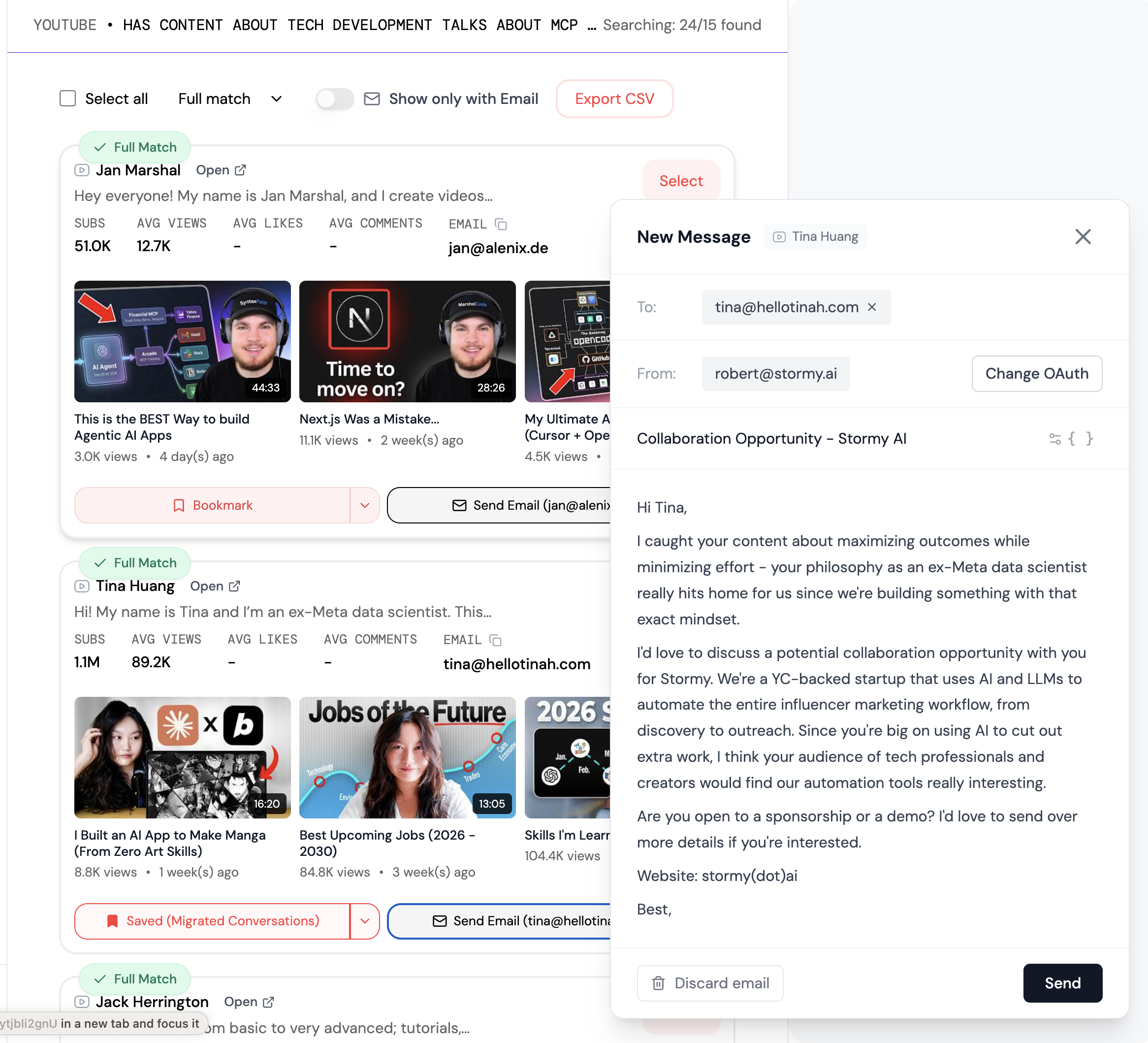
When you are ready to scale your user base and build brand authority, the most effective way is through User-Generated Content (UGC) and influencer partnerships. Even a solo founder needs a presence on platforms like TikTok or Instagram. Platforms like Stormy AI can help source and manage UGC creators at scale, allowing you to find the perfect influencers to demo your AI product without ever needing to hire an in-house influencer marketing team. This keeps your operation lean while maximizing your reach across the globe.
Conclusion: Your Permissionless Future
The window of opportunity to be an early adopter in the AI era is still wide open, but it won't stay that way forever. AI entrepreneurship is currently in its most lucrative, permissionless phase. You don't need a visa to Silicon Valley, you don't need an introduction to a billionaire like Garrett Camp, and you don't need a degree in computer science. You simply need to download the tools, put in the 90 minutes a day, and start shipping. The next trillion-dollar company might just be a solo founder sitting on a laptop, solving one meaningful problem for their community. The only question is: will it be you?