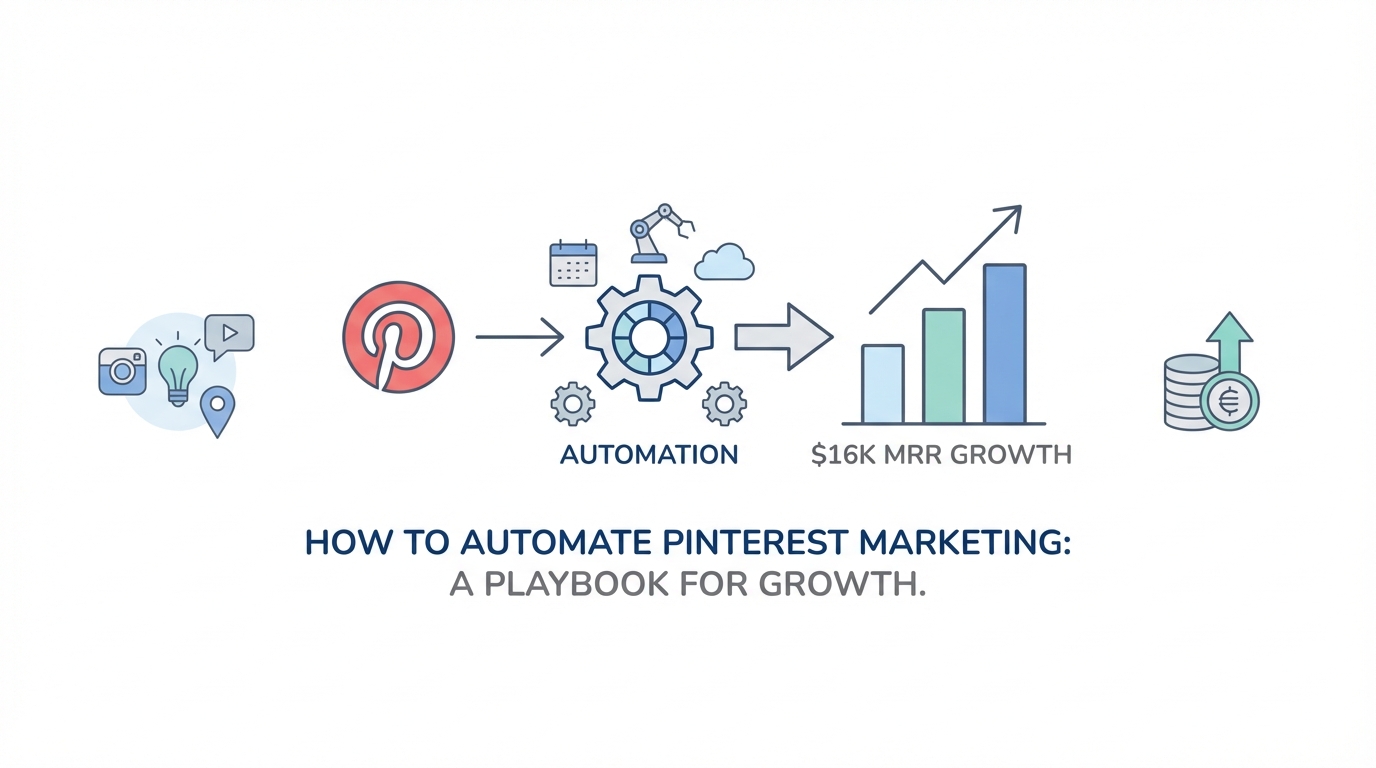
Pinterest is often misunderstood as just another social media platform where people post aesthetic home decor and wedding inspiration. In reality, it functions as a powerhouse visual search engine that caters to over 500 million active users who are actively looking for products, solutions, and inspiration with high purchase intent. For founders and content creators, this represents a gold mine of traffic, but there is a catch: the volume of content required to stay relevant is staggering. Nick, the founder of BlocktoPin, realized this bottleneck early on and built a social media automation tool that scaled to over $16,000 in Monthly Recurring Revenue (MRR) by solving the most tedious part of the process—manual pin creation.
Why Pinterest is a Visual Search Engine, Not Social Media
To succeed with a pinterest seo strategy, you must first stop treating it like Instagram or Facebook. On most social platforms, content has a shelf life of a few hours. On Pinterest, a pin can drive pinterest traffic for blogs for months or even years because it is indexed like a search result. Users aren't there to passively scroll; they are there to find something to buy, build, or read. According to recent data, there are more than 500 million active users on the platform, and unlike the interruptions found in Meta Ads Manager, Pinterest users are in a "discovery mindset."
Nick discovered this while building an AI-powered blog about cocktails. After testing everything from Google Ads to Instagram, he found that Pinterest provided the most stable, compounding traffic. However, the manual labor involved was unsustainable. Designing a single high-quality pin can take 5 to 10 minutes. To truly see growth and compete with top-tier creators, you need to publish between 5 to 10 pins per day. This creates a massive time debt that most founders and marketing teams simply cannot afford without pinterest marketing automation.
The Math of Pinterest Growth: Solving the Content Bottleneck
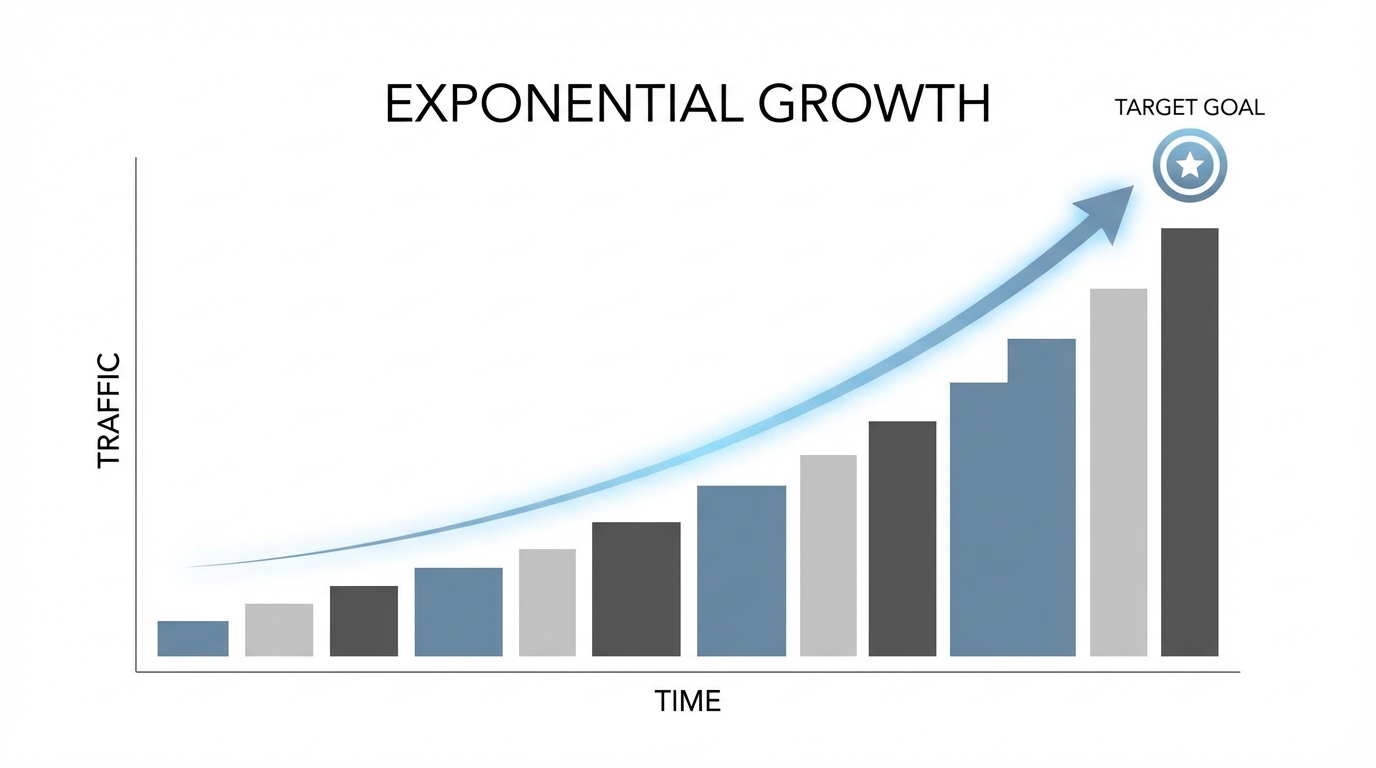
The primary barrier to scaling pinterest traffic for blogs is the sheer volume of assets required. If you aim for 10 pins per day to maintain visibility, that is 300 pins per month. At 10 minutes per design, you are looking at 50 hours of manual work every month just on design alone. This doesn't even account for the time spent on keyword research, writing SEO-optimized descriptions, or scheduling. This is why many creators turn to Stormy AI to find influencers using AI-powered search across TikTok, Instagram, and YouTube, but for those looking to maintain in-house control, automation is the only path forward.
By using social media automation tools, you can flip this script. Nick’s tool, BlocktoPin, allows users to scan their website and generate a full 60-day content schedule in just a few minutes. This efficiency is what allowed him to acquire over 400 active subscribers and maintain a steady growth trajectory. When you automate pinterest pins, you aren't just saving time; you are ensuring the consistency that the Pinterest algorithm rewards above all else.
The 7-Step Playbook for Pinterest Marketing Automation
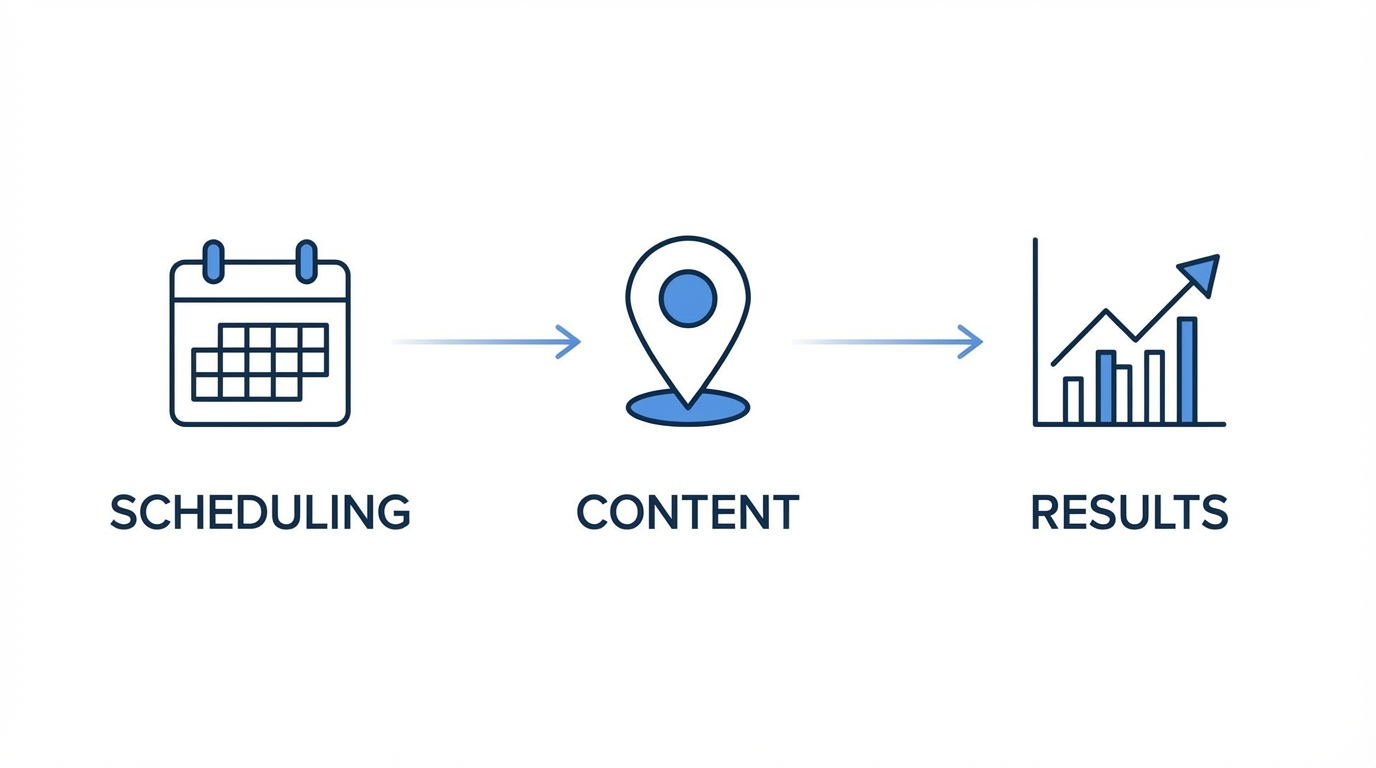
Building a successful automation workflow requires more than just high-frequency posting; it requires a strategic alignment of AI tools and market research. Follow this playbook to build your own traffic engine.
Step 1: Identify a Painfully Specific Niche
Don't try to build for everyone. Nick’s success came from focusing specifically on bloggers who were already paying for manual design services. Use platforms like G2 and Capterra to research existing tools. Look for 1-star reviews to find what people hate about current solutions—is it the UI? The price? The lack of AI features? Your goal is to be better, faster, and cheaper for one specific person.
Step 2: Define Your Ideal Customer Profile (ICP)
Before you automate pinterest pins, you need to know who you are targeting. Are you looking for fashion influencers? Technical bloggers? E-commerce store owners? If you need to identify high-performing creators in these niches to see what is working, you can use Stormy AI to instantly find matching influencers with natural-language prompts. Understanding your ICP ensures that your automated content actually resonates with human users, not just bots.
Step 3: Build a Scrappy Technical Stack
You don't need a massive team to build a social media automation tool. Nick utilized a lean stack to get to $16K MRR. He hosted his app on Vercel and used Oxylabs for proxies to ensure stable data scraping. For the core of the automation—the content itself—he integrated Gemini for AI-generated text and Fotor for AI image generation. This stack allows for the creation of unique, visually appealing pins at a fraction of the cost of a designer.
Step 4: Align Automation with Pinterest SEO Strategy
Automation without SEO is just noise. Every pin generated must be optimized for high-intent search keywords. This means your automated titles and descriptions should match what users are typing into the search bar. If you are promoting a blog post about "Home Office Setup," your pinterest seo strategy should include long-tail keywords like "minimalist home office ideas for small spaces." This ensures your pins show up when users are ready to click through to your site.
Step 5: Create a Compounding Content Schedule
The goal of pinterest marketing automation is to stay ahead of the curve. Aim to have a schedule that is one to two months in advance. This protects your traffic from fluctuations and allows you to focus on high-level strategy rather than daily tasks. Nick's users often schedule dozens of pins per day, which look unique and are optimized for specific Pinterest boards.
Step 6: Talk to Your Users and Iterate
Nick emphasizes that you cannot "hide behind directory submissions." To grow to $16,000 MRR, he reviewed screen recordings of how people used his app. If a user didn't see growth, he adjusted the strategy. Treat your first 10 customers like they are your employers. If they need a specific feature to automate pinterest pins more effectively, build it within hours. This high-touch approach builds the word-of-mouth growth that is far more valuable than paid ads.
Step 7: Monitor Analytics and Churn
In a SAS model, churn is the silent killer. Nick maintains a churn rate of around 10%. By using Stormy AI to track account performance and monitor video engagement, you can see what content is currently trending and adjust your AI prompts accordingly. Constant improvement of just 1% per day is the secret to moving from a "flash in the pan" tool to a sustainable $10k-20k MRR business.
Transitioning to AI-Driven Visual Workflows
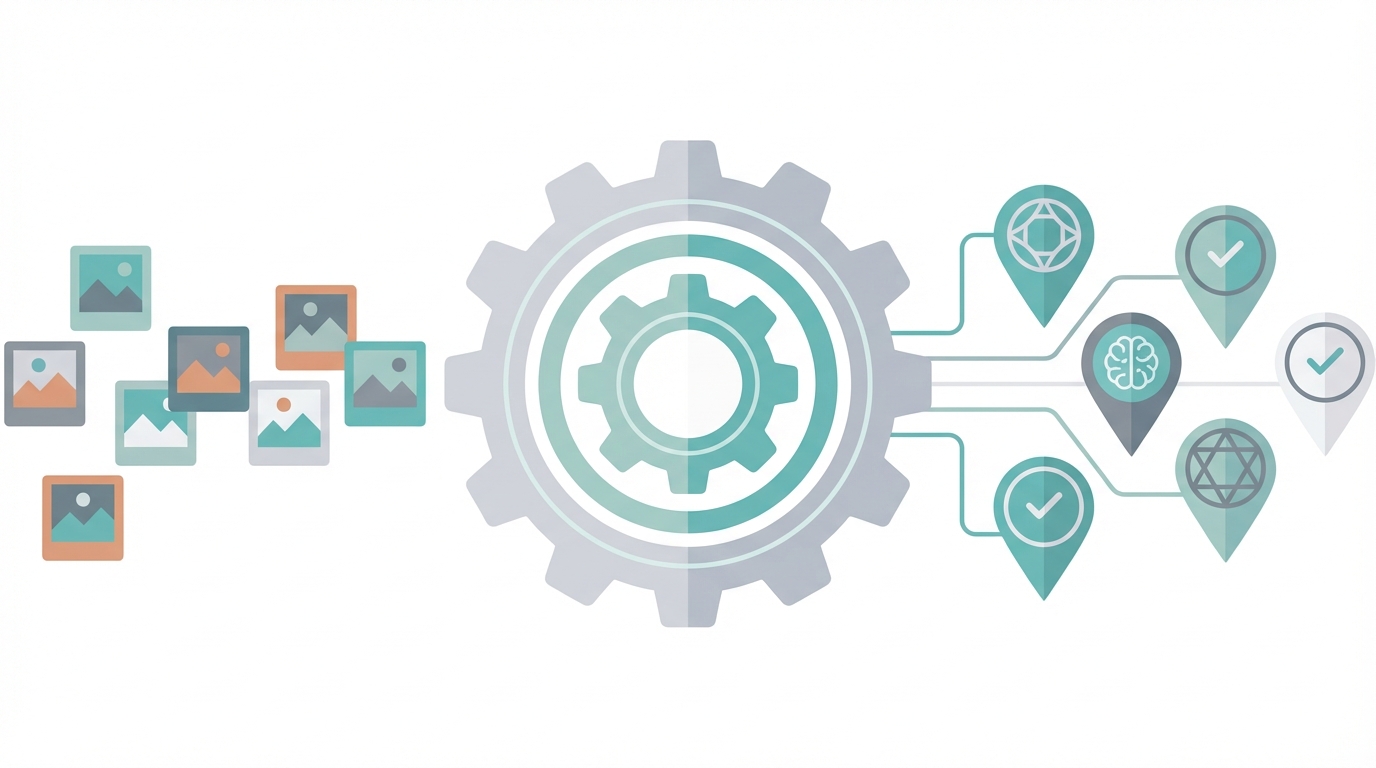
The transition from manual design to AI-driven workflows is the most significant competitive advantage you can have in 2024 and beyond. Old-school social media automation tools were often just schedulers; they didn't create the content for you. Modern pinterest marketing automation uses generative AI to handle the aesthetics. By using Gemini to analyze the sentiment of a blog post, you can generate captions that drive clicks. By pairing that with Fotor for image generation, you create a seamless pipeline that requires zero design skills.
This is particularly useful for those managing multi-channel brands. If you are already active on other platforms, you can use Stormy AI to set up an autonomous AI agent that outreaches to creators on a daily schedule, helping you find partners who might be interested in your Pinterest growth strategies. The key is to make the technology work for you, eliminating the 90% of complexity that holds most creators back.
Conclusion: Building a Sustainable Traffic Engine
Nick’s journey from a software engineer at 15 to a founder making $16K MRR proves that you don't need a revolutionary idea to build a successful business. You just need to find a tedious, manual process and make it better, faster, and cheaper using AI. Pinterest remains one of the most underserved platforms for high-quality automation, and by implementing a rigorous pinterest seo strategy, you can capture a massive share of that 500-million-user audience.
If you are ready to stop wasting hours on manual design and start scaling your pinterest traffic for blogs, the playbook is clear: find your niche, build a lean AI stack, and focus on the one person who needs your solution most. For those looking to scale even faster by collaborating with experienced content creators, platforms like Stormy AI can help you vet creator quality and detect fake followers automatically to amplify your automated efforts. Stop building in silence—reach out to your audience on Reddit, X, and YouTube, and double down on the channels that work.