In the high-stakes arena of B2B fintech, the battle between Ramp and Brex has become the definitive case study of the 2020s. By 2026, the dust has settled, and the narrative is clear: being the Silicon Valley favorite isn't always enough to win the crown. While Brex entered the ring with the formidable backing of the Y Combinator "mafia" and a dominant presence in San Francisco, Ramp utilized a combination of New York-style grit and a radically different approach to customer acquisition to thoroughly outmaneuver its rival.
This isn't just a story about credit cards; it’s a masterclass in competitor displacement marketing and identifying deep market inefficiencies before the incumbents even realize the door is open. In this guide, we break down the specific tactics Ramp used to scale to a billion-dollar valuation in record time and how you can apply these lessons to your own B2B growth strategy this year.
Underdog Distribution: How to Win When Your Competitor Has the 'Kingmaker' Network
The strategic showdown between Ramp and their San Francisco rival Brex explained.
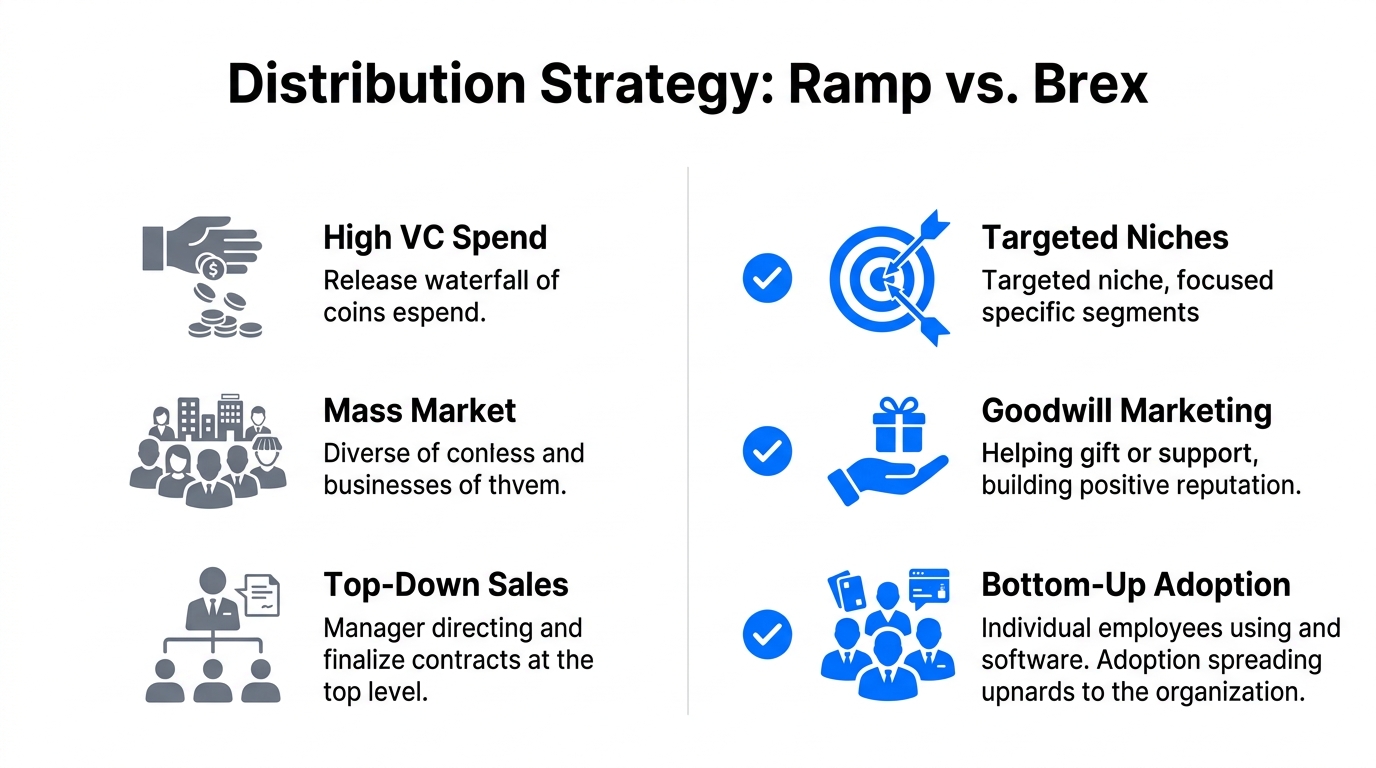
In 2019, the betting odds were heavily stacked against any newcomer. Brex was the SF darling, leveraging the YC network effect to essentially "kingmake" their product across every hot startup in the valley. They had billboards across the 101, massive venture backing, and an aura of inevitability. Ramp, based in NYC, was the definitive underdog.
Ramp’s strategy wasn't to out-spend Brex on traditional ads but to exploit the gaps in the incumbent's armor. While Brex focused on the SF tech bubble, Ramp leaned into a broader B2B strategy, focusing on companies that actually cared about saving money, not just burning VC cash. They identified that the true pain point wasn't just "having a card," but managing the chaos of corporate spend.
"Our hope is that this partnership is the domino that bankrupts your competitors and grants you a monopoly so powerful that you are dragged in front of Congress."To displace a competitor with a larger network, you must offer a superior incentive structure. Ramp didn't just offer credit; they offered software that told you how to spend less. This counter-intuitive approach—a financial company telling you to stop using their product so much—built immediate trust. For modern brands in 2026, this level of transparency is no longer optional; it is the baseline for displacement. Platforms like Stormy AI follow a similar ethos by using AI to vet influencers for fraud, ensuring brands don't waste budget on low-quality reach, much like Ramp ensured companies didn't waste budget on unused SaaS subscriptions.

| Feature / Strategy | The "Incumbent" Approach (Brex) | The "Grit" Approach (Ramp) |
|---|---|---|
| Primary Network | SF / YC Tech Mafia | NYC / Broad B2B Market |
| Core Value Prop | Access to Credit & Status | Efficiency & Cost Savings |
| Marketing Style | High-spend OOH & Branding | High-leverage Goodwill Events |
| Product Focus | Financial Services | SaaS Management & Automation |
The Power of 'Goodwill Marketing': Driving Enterprise Sales via Non-Attributable Value
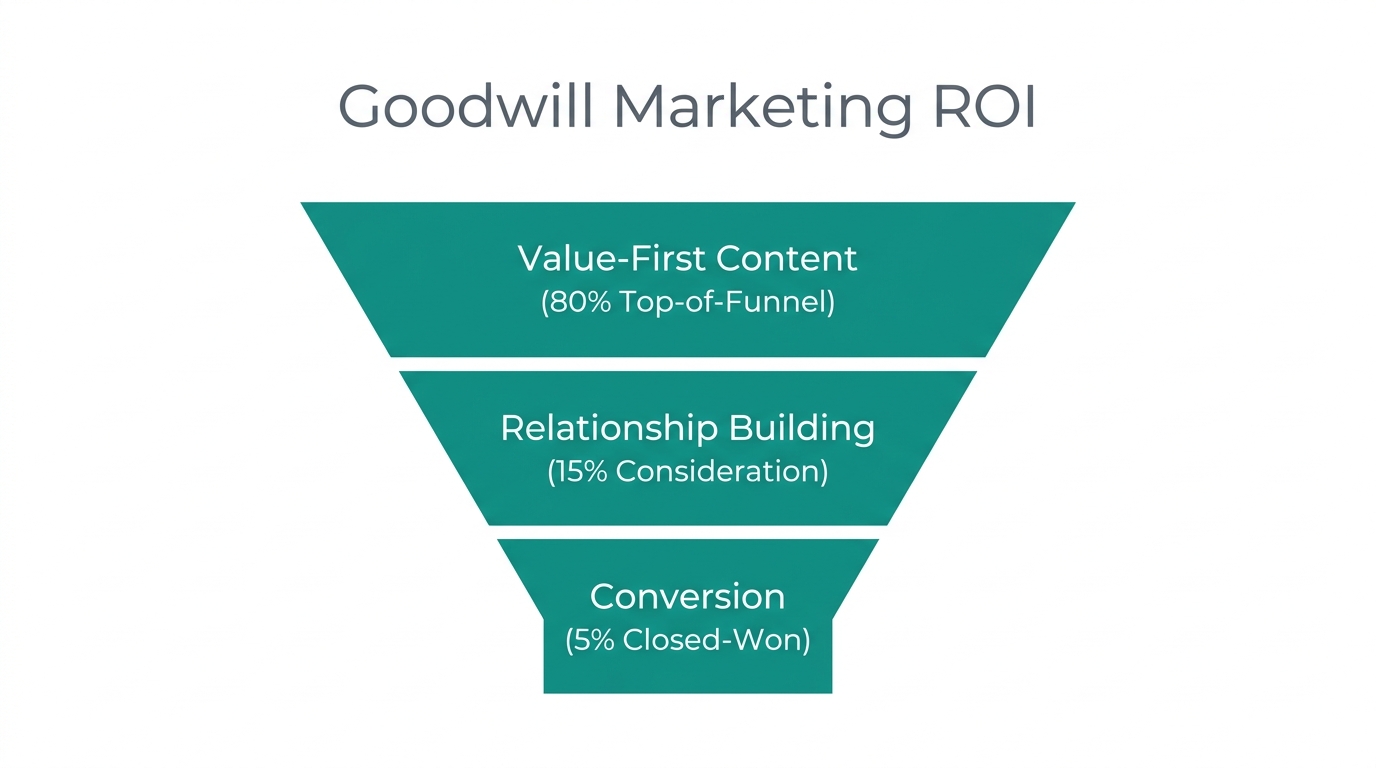
One of Ramp's most successful, yet least understood, tactics is what we call Goodwill Marketing. In an era where every marketing dollar is tracked via Google Analytics or Mixpanel, Ramp went the other way. They began hosting massive, high-leverage events at their NYC headquarters—an office capable of seating 300 people—without a clear "leads-in, revenue-out" attribution model.
These events weren't just sales pitches; they were community hubs for founders, operators, and creators to riff on business strategies. By providing a physical space and high-value connections, Ramp built a massive amount of "social capital." When those founders eventually needed a corporate card or expense management, Ramp was the only logical choice. They weren't just a vendor; they were a benefactor.
This strategy mirrors how elite agencies use Stormy AI to discover and manage creator relationships. By using the platform's AI-powered outreach to provide personalized, high-value communication to creators, brands build long-term goodwill rather than transactional one-off posts. The built-in AI email inbox allows teams to manage these high-touch relationships at scale, turning "untrackable" goodwill into a predictable growth engine.
Incentivizing the Workforce: Lessons from the Les Schwab Playbook
Unpacking the business wisdom of Les Schwab and his legendary Oregon-based success.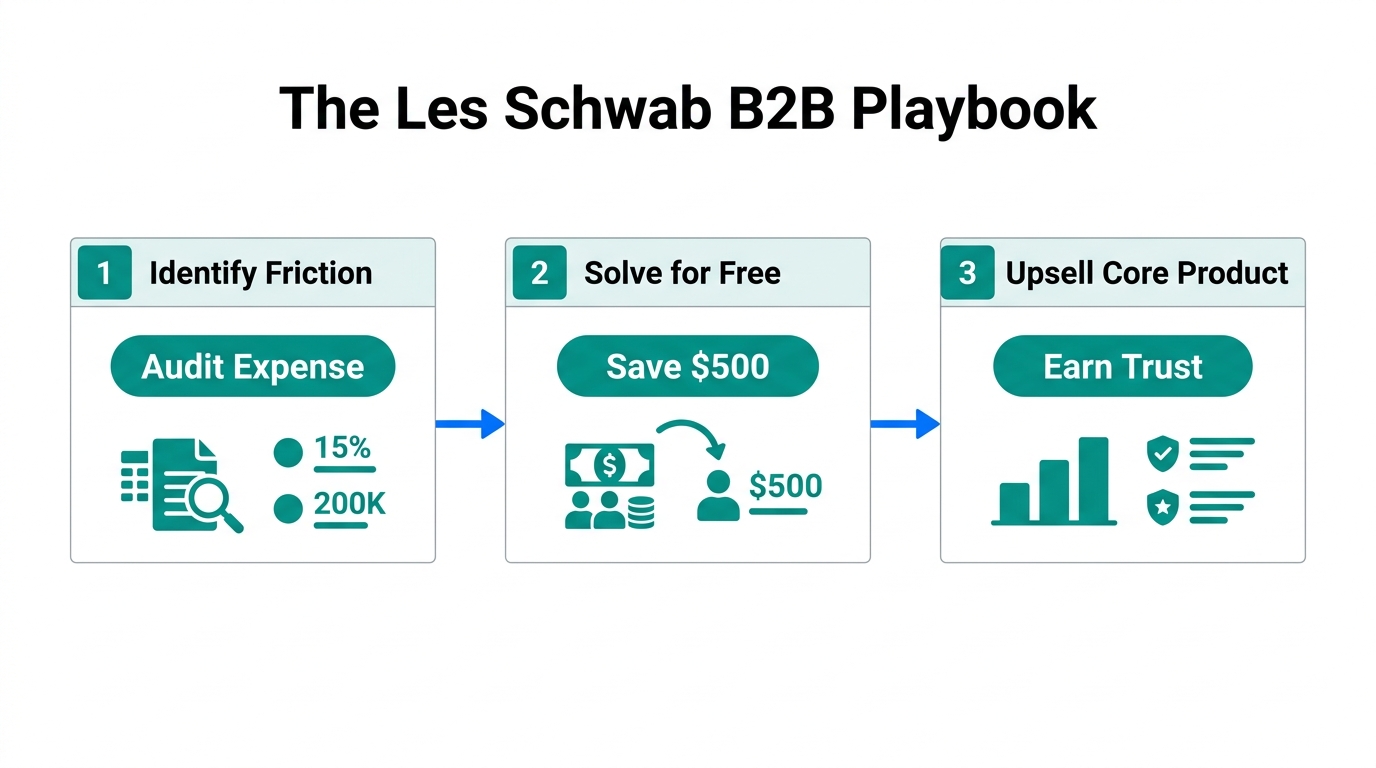
To understand Ramp’s culture of "Small Town Grit with Big Number Swagger," one must look at the influence of Les Schwab. Les Schwab, a legendary figure in the tire industry, built a multi-billion dollar empire from a single shop in Oregon by obsessing over employee incentives and "warm rationality."
Les Schwab's philosophy was simple: Success is being a second father to hundreds of families. He didn't just hire workers; he built a culture where everyone had skin in the game. Ramp adopted this same level of rigor. Unlike the often-criticized "cold rationality" of McKinsey consultants, Ramp’s leadership focused on rational warmth—making hard, data-driven decisions that ultimately benefited the entire ecosystem of employees and customers.
Applying 'Small Town Grit' to 2026 Tech
- Skin in the Game: Ensure every team member feels the direct impact of growth metrics.
- Radical Transparency: Like Les Schwab’s typewriter-written autobiography, stay authentic to your roots even as you scale to trillions.
- Pick Up the Pace: Follow the Frank Slootman "Amp It Up" mantra. Eliminate the slack that naturally builds in large organizations.
"Rational warmth is the ability to make data-driven decisions while maintaining a human-centric culture. It is the difference between a consultant and a builder."Scaling to a Billion-Dollar Valuation: Identifying Deep Market Inefficiencies
Breaking down the rapid growth trajectory of Ramp to a multi-billion dollar company.Ramp didn't stumble into success; they engineered it by identifying a massive inefficiency in the legacy banking sector. After selling their previous company, Parabus, to Capital One, the founders realized that enterprise customers were starving for a unified business service layer. They saw that most businesses were using 10 different tools for things that should be integrated into their financial stack.
By 2026, the most valuable companies are those that solve multi-dimensional problems. OpenAI didn't just build a chatbot; they built an intelligence layer that has pushed them to $10 billion in ARR in less than three years. Similarly, Ramp didn't just build a card; they built a spend management operating system. They realized that if they could automate the boring parts of finance, they could own the entire relationship with the customer.
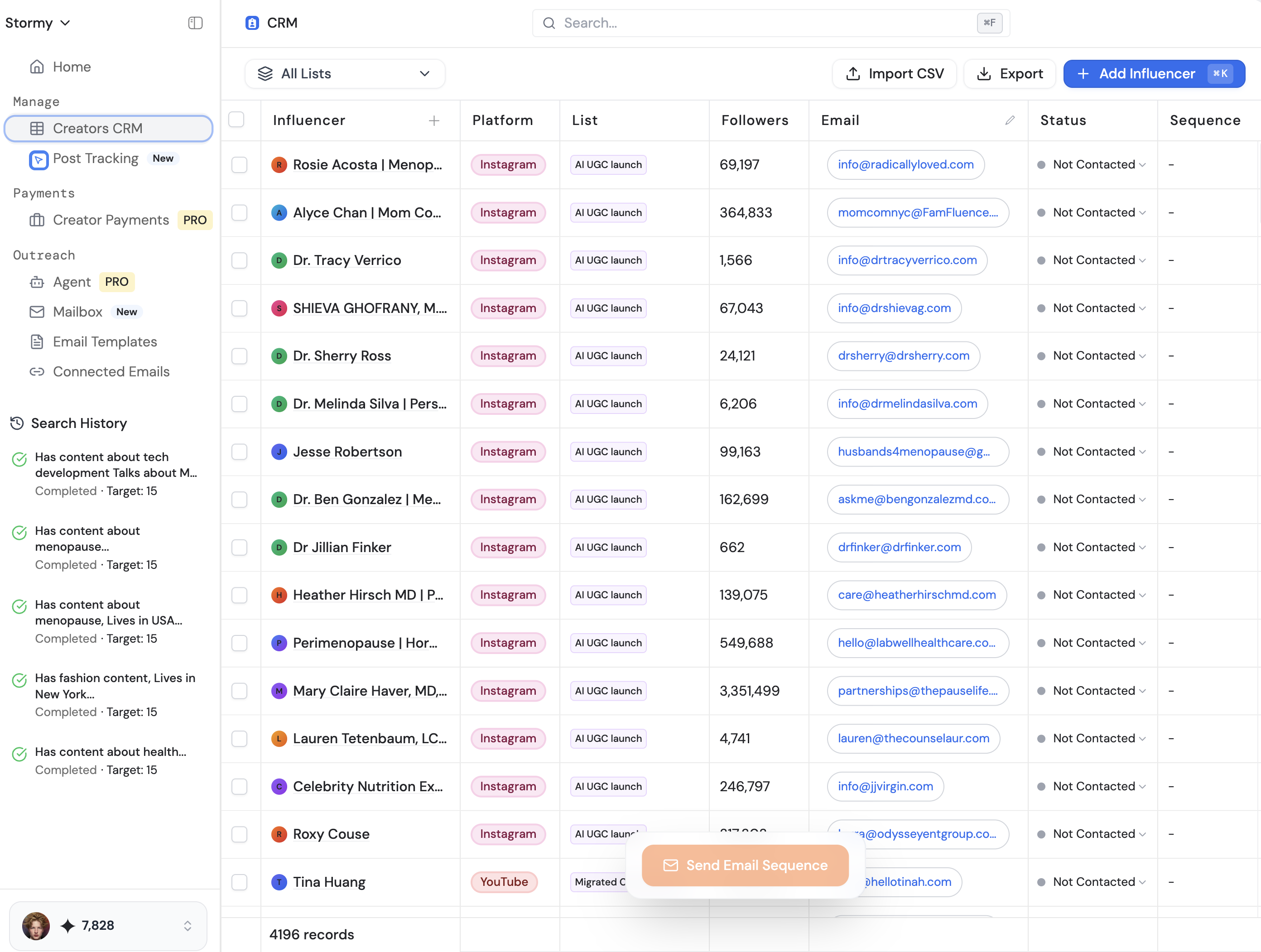
For brands looking to replicate this scaling, managing creator relationships within a Creator CRM is the 2026 equivalent of spend management. Using Stormy AI, businesses can track every interaction, negotiation, and payment in one place, effectively removing the friction from the creator economy just as Ramp removed it from corporate finance.
The 2026 Enterprise Growth Playbook
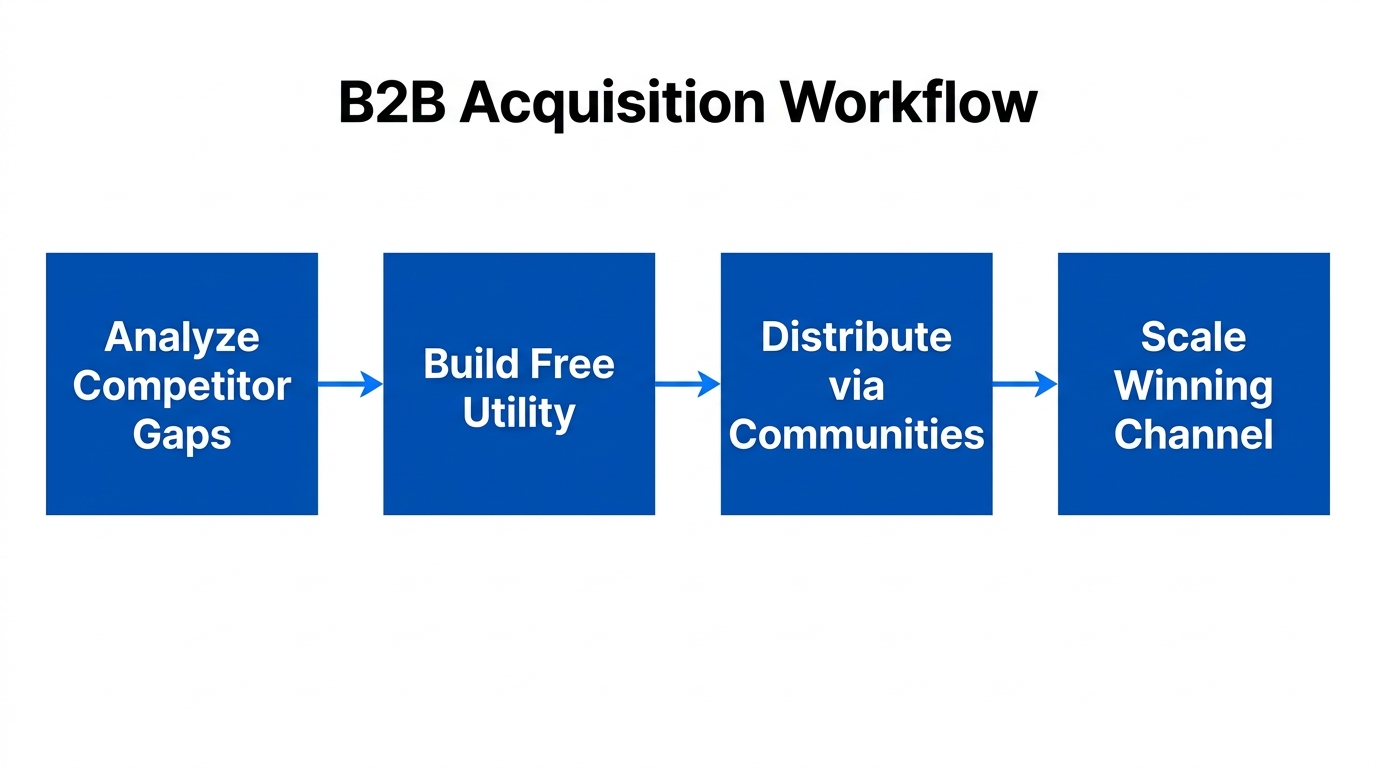
If you want to displace an incumbent and scale to a billion-dollar valuation, follow these steps derived from the Ramp vs. Brex case study:
Step 1: Identify the Leaky Bucket
Don't just look at what competitors are doing; look at where their customers are losing money. Brex offered credit; Ramp offered savings. Find the inefficiency in your niche and build a product that solves it 10x better than the legacy option.
Step 2: Deploy 'Goodwill' at Scale
Stop obsessing over short-term attribution for 100% of your budget. Allocate 20% to high-leverage community building. Host events, sponsor niche podcasts like YouTube-first business shows, and create "untrackable" value that makes your brand the only one people think of.
Step 3: Automate the Outreach
In 2026, you cannot scale goodwill manually. Use AI agents to handle the initial discovery and outreach. Set up an autonomous AI agent in Stormy AI that discovers, outreaches, and follows up with partners on a daily schedule while your team focuses on closing the high-touch deals.
Step 4: Build a Culture of 'Amping It Up'
Eliminate the organizational slack. Shorten deadlines, increase the rigor of your data analysis, and ensure that your workforce is incentivized through a common-sense, rational-warmth approach. As Frank Slootman famously noted, you will never know if you have what it takes to build unless you actually enter the arena.
"In the arena, there is no room for observers or consultants. There is only room for those who embrace the grit required to win."The Bottom Line: Grit Always Wins
Ramp’s victory over Brex wasn't an accident of geography or timing; it was a calculated displacement based on superior incentives and a deeper understanding of customer psychology. By focusing on savings over status and community over billboards, Ramp proved that an underdog with a better distribution engine will eventually beat a giant with a better network.
As you build your own growth engine in 2026, remember that the tools you use are just as important as the strategy you deploy. Whether you're managing billions in spend or thousands of creator relationships, the goal remains the same: automate the friction, humanize the connection. For those ready to scale their creator-led distribution, Stormy AI is the ultimate partner for identifying, vetting, and managing the partners that will help you bankrupt your competitors and build your own monopoly.