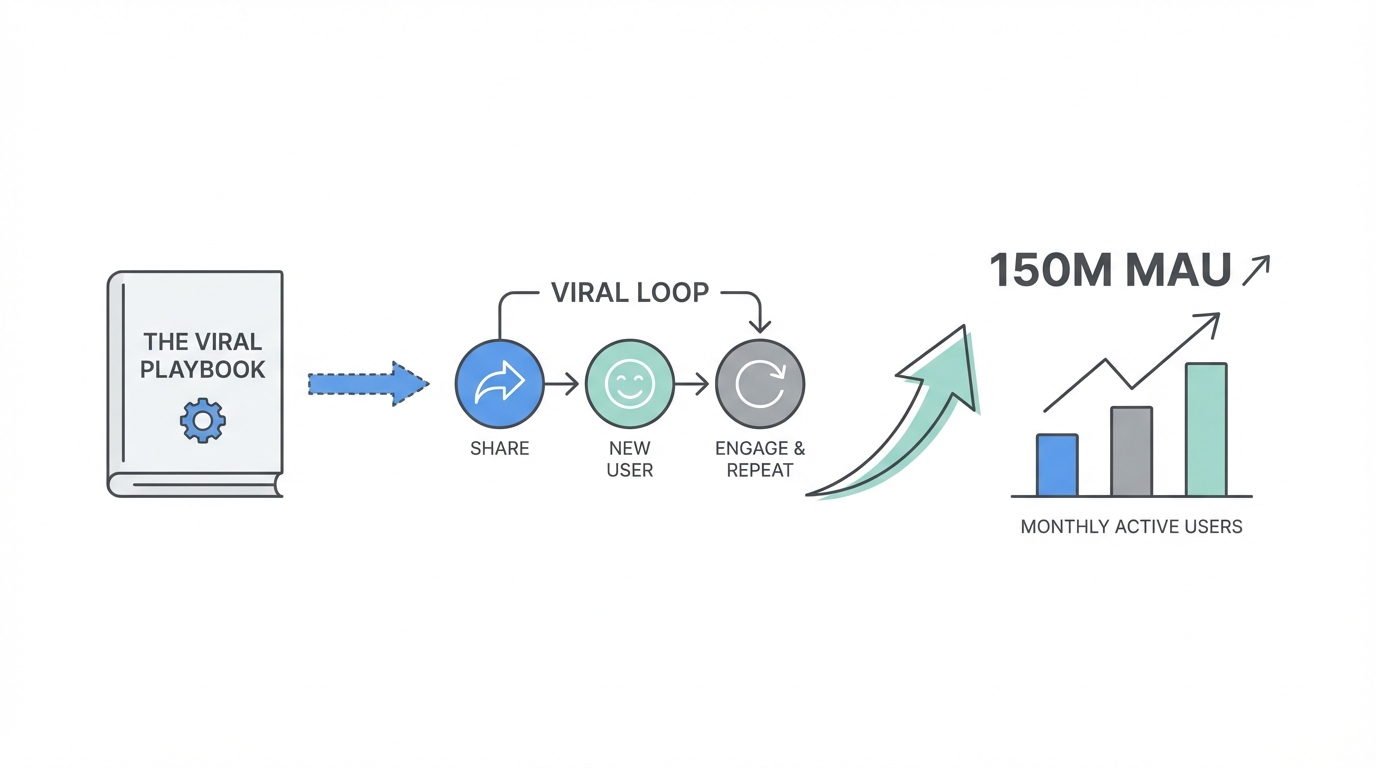
When NGL first hit the App Store, it didn’t just grow—it exploded. Today, the app boasts a staggering 150 million monthly active users (MAU), a number that most consumer social startups only dream of reaching. But the story of NGL isn’t just about luck or being in the right place at the right time. It is a masterclass in mobile app marketing, technical execution, and identifying specific distribution windows before they close. Founded by Hunter Isaacson and his team, NGL (which stands for "Not Gonna Lie") turned an old internet behavior—anonymous messaging—into a multi-eight-figure annual business by leaning into social media viral loops and platform arbitrage.
The Power of Platform Arbitrage: Timing the Instagram Link Sticker
Great apps are often built on the back of platform shifts. For NGL, that shift happened in October 2021 when Instagram fundamentally changed how links worked on its platform. Previously, only verified accounts or those with over 10,000 followers could use the "swipe up" feature to share external links. When Instagram rolled out link stickers for everyone, it leveled the playing field for distribution.
Hunter Isaacson and his team recognized this immediately as a massive arbitrage opportunity. While most developers were focused on internal features, the NGL team focused on the graph. They realized that every single Instagram user now had a distribution channel in their pocket. By building a product specifically designed to live inside that sticker, they turned every user into a potential megaphone for the app. This is a core pillar of viral app growth: finding a new distribution mechanism and being the first to saturate it. Similar strategies have been used across Snapchat and X (formerly Twitter) to build massive audiences on the backs of existing behemoth networks.
The Controversy Hook: Using Edgy TikTok Content to Trigger Downloads

While the Instagram link was the vehicle, TikTok was the fuel. NGL’s massive spike in 2022 was triggered by a specific type of creative strategy: The Controversy Hook. Instead of running traditional ads that felt like "ads," the team experimented with user-generated content (UGC) that felt raw, personal, and slightly chaotic.
One viral video featured a girl showing an anonymous message she received: "I was with your boyfriend last night." This edgy, "gotcha" style content triggered massive curiosity. Viewers weren't just watching a demo; they were seeing a high-stakes emotional reaction. For brands looking to replicate this, Stormy AI is an AI-powered search engine for creator discovery across TikTok and Instagram, which can be invaluable for finding the right UGC creators who understand how to craft these high-engagement hooks for mobile app ads.
Optimizing the 'North Star' Metric: Beyond Initial Downloads
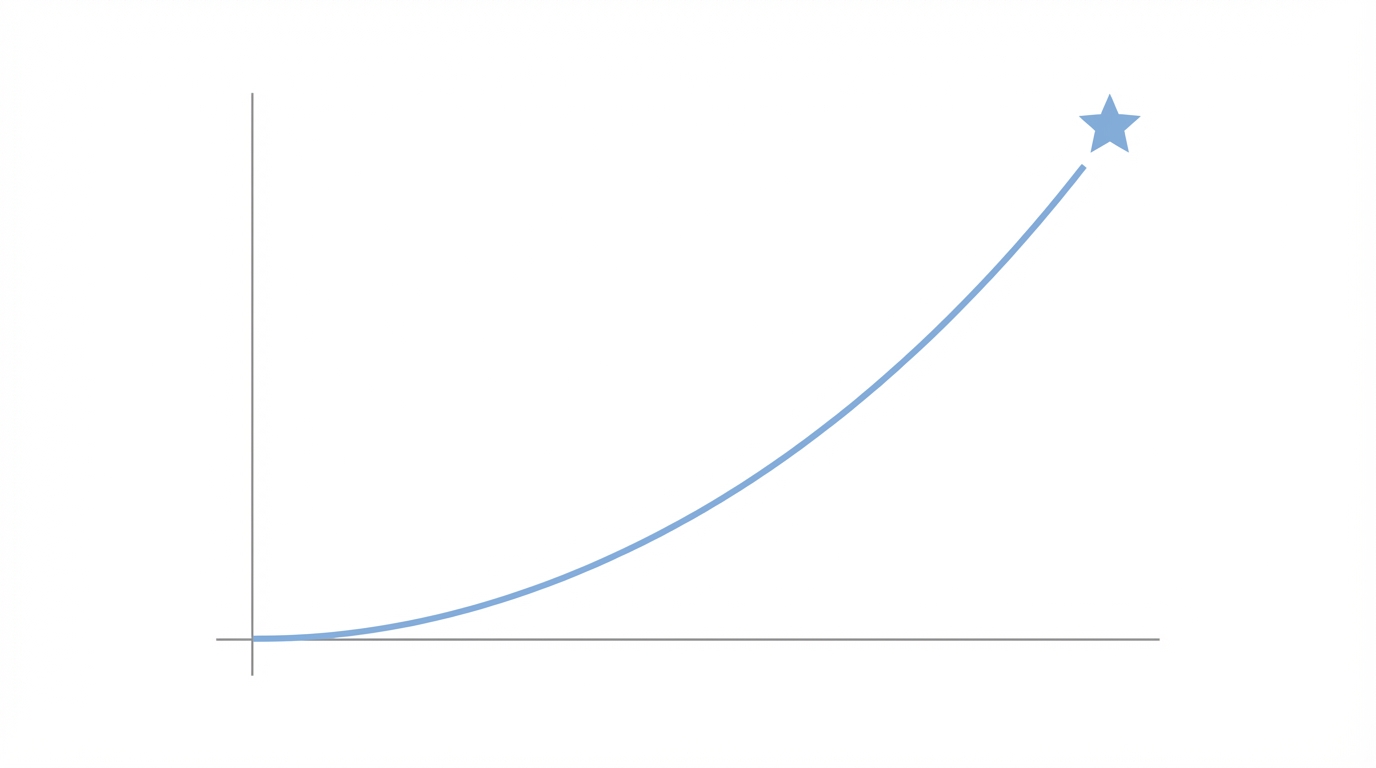
In mobile app marketing, it’s easy to get distracted by vanity metrics like total downloads. However, NGL’s growth was sustained because they focused on a specific North Star Metric: the Reply Rate. It wasn't enough for a user to just download the app and post a link; the loop only completed if they received and replied to a message.
The team optimized their product flow to ensure that once a link was posted, the friction to reply was near zero. When a user receives a message, they can tap "reply," which automatically generates a branded graphic that they can post back to their Facebook or Instagram story. This creates a tight viral loop: every reply is a new advertisement for the app, shown to a friend group that is highly likely to engage with the same behavior. This focus on engagement over just acquisition is what separates short-lived fads from multi-year successes [source: Sensor Tower].
The Onboarding Playbook: Copywriting Secrets for High Conversion
NGL’s onboarding is famously fast, usually taking only 15 to 20 seconds. A major part of this success is their tactical use of copywriting. Instead of a button that says "Sign Up" or "Download Now," they use the call-to-action (CTA): "Get Your Own Messages."
Step 1: Sell the Result, Not the Action
By framing the download as "getting messages," they sell the end value immediately. Users aren't looking to install another utility; they are looking for social validation and curiosity. When you vet creators using Stormy AI for your own campaigns, you can instantly analyze audience demographics and engagement quality to ensure your briefs emphasize the outcome the user experiences rather than the technical features of the app.
Step 2: Use Visual Tutorials
NGL uses animated GIFs to show users exactly how to use the Instagram sticker. They guide the user through:
- Copying their unique link.
- Opening the Instagram Story editor.
- Selecting the Link Sticker.
- Pasting the URL and framing it within the NGL asset.
Step 3: Reduce Decision Fatigue
To keep the loop moving, NGL includes a "dice" icon that generates random prompts for users who don't know what to ask. This ensures that the user never hits a creative wall, keeping the viral app growth engine humming along without interruption.
The Retaining Viral Loop: Link-in-Bio Real Estate
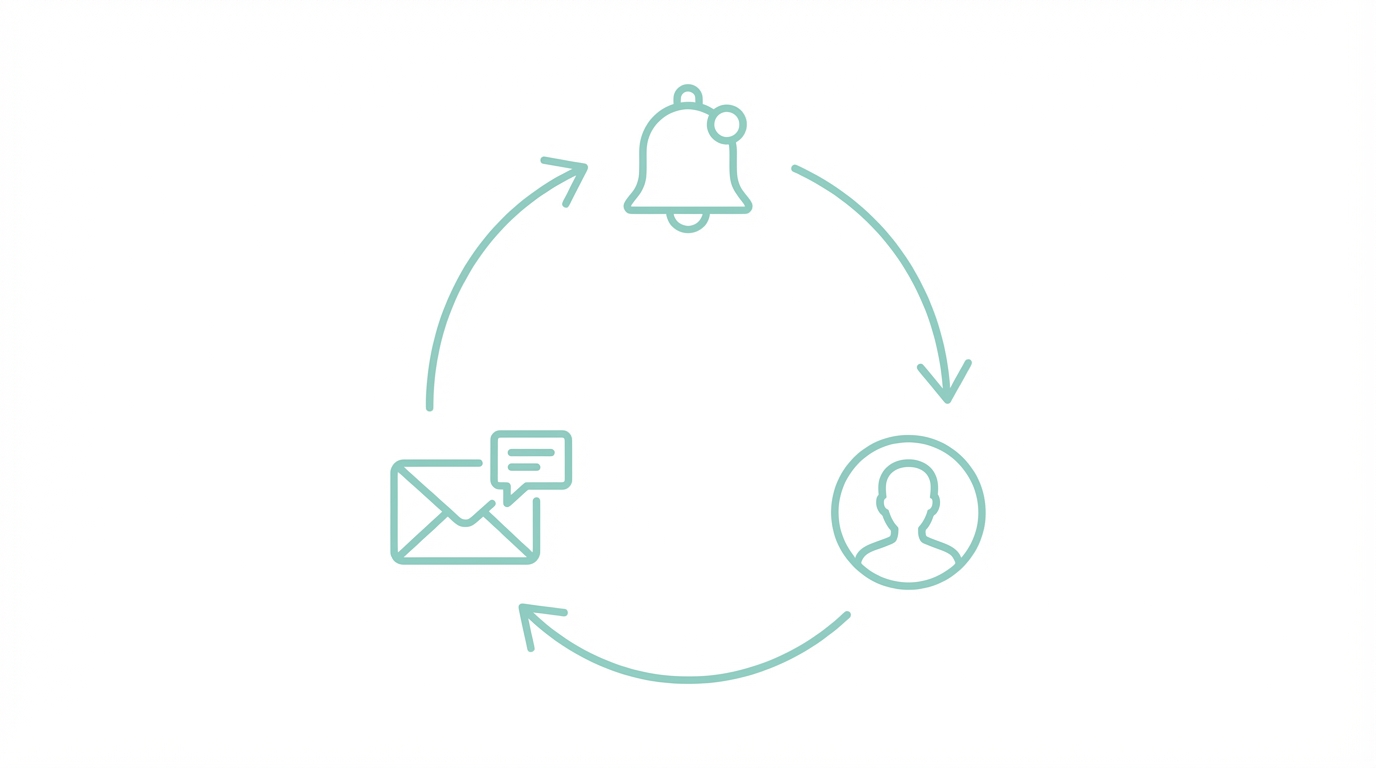
A common criticism of viral consumer apps is high churn. While NGL certainly experiences churn, it benefits from a high re-download rate. This is because NGL has successfully claimed permanent real estate in the "link-in-bio" section of millions of social profiles. Even if a user deletes the app, they eventually see a friend post a link or a reply, which triggers the curiosity loop all over again.
For teenagers and college students, the NGL link has become a standard part of their digital identity, much like a Snapchat username or an Instagram handle. This permanent placement ensures that the app remains relevant long after the initial viral spike. To achieve this level of app user retention, a product must become a social habit, not just a one-time utility. This is a critical lesson for app developers: build for inter-connectivity rather than single-player utility.
Monetization: Transforming Volume into Revenue
NGL is a multi-eight-figure business because it mastered the "low-impulse buy." While the app is free for the vast majority of users, they offer weekly subscriptions ranging from $1.00 to $7.00 depending on the region's GDP. These subscriptions provide "Pro" features, such as hints about who sent a message (e.g., location or phone model).
By keeping the price point low, they convert a small percentage of a massive user base. In mobile app marketing, this is often more effective than high-ticket items because it fits the casual nature of social media usage. The revenue is then reinvested into further UGC and paid acquisition, creating a self-sustaining growth machine. For developers tracking these metrics, tools like Google Ads and Meta Ads Manager are essential for scaling the winning cohorts discovered during initial testing.
Scaling Playbook: How to Spend a $20K Growth Budget
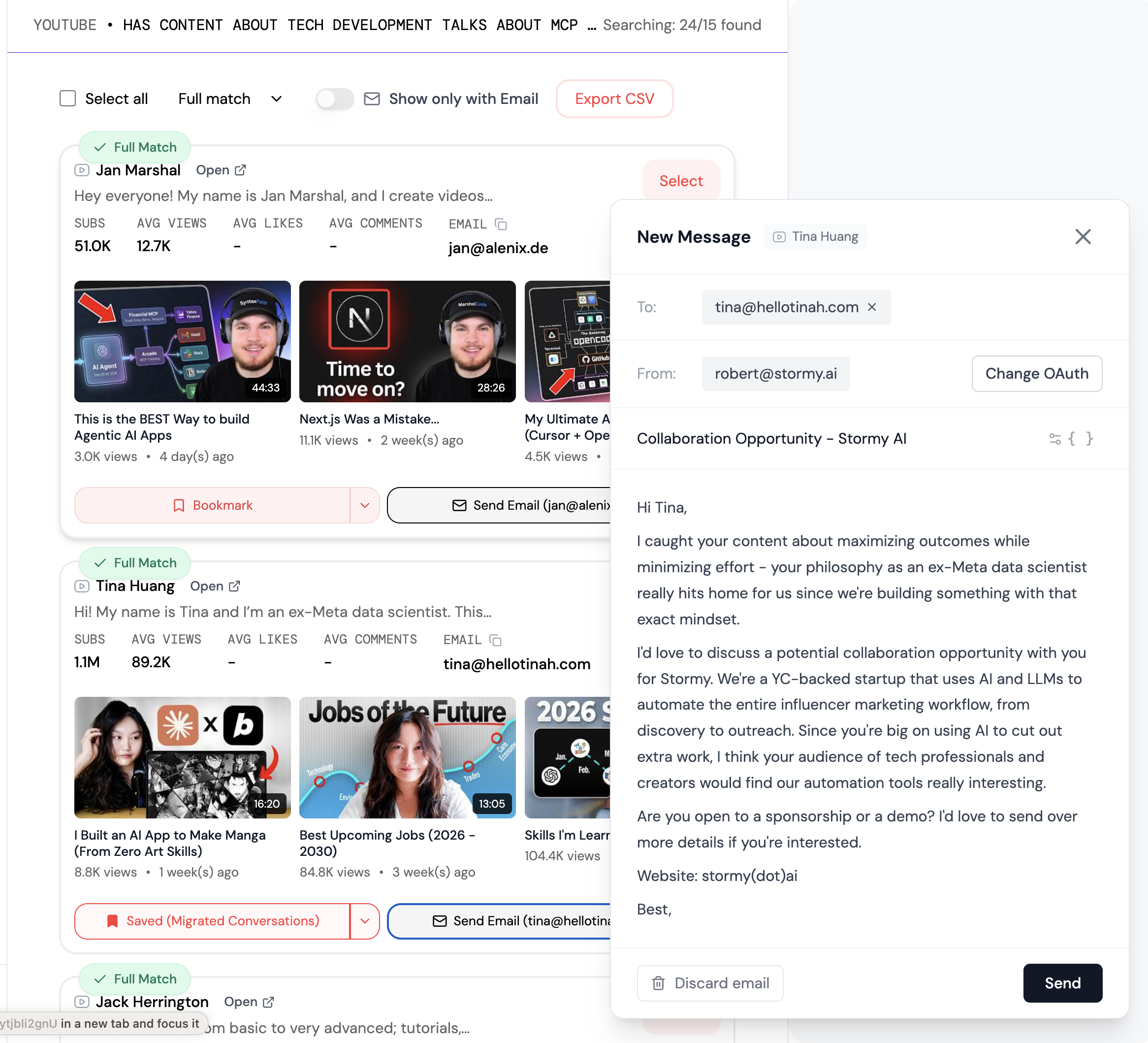
If you have achieved initial product-market fit and have a budget to scale, Hunter Isaacson suggests a specific experimental approach. Don't put all your eggs in one basket; instead, treat your budget as a series of creative experiments.
- Divide the Budget: Spend $20,000 across a dozen different creative formats. Don't assume you know what will work.
- Prioritize UGC: Use the majority of the funds for UGC with influencers and use Stormy AI to contact creators instantly with hyper-personalized AI-generated emails.
- Track Cohorts: Use Apple Search Ads and other analytics to see which creative leads to the highest reply rate, not just the lowest cost-per-install (CPI).
- Social Amplification: Ensure your product has an invite loop. You can even set up an autonomous AI agent on Stormy AI that discovers and outreaches to creators on a daily schedule while you sleep.
The Future of Viral Apps: AI and Beyond
The success of NGL proves that the consumer social market is far from dead. By building on top of existing graphs and utilizing AI-powered creator search tools like Stormy AI, modern developers can still achieve massive scale. Whether it's the next anonymous messaging app, a crypto-integrated social wallet like Bags, or a specialized UGC-driven utility, the framework remains the same: identify the platform shift, hook the user with controversy or curiosity, and build a loop that turns every user into a marketer.
The NGL app case study serves as a reminder that distribution is often more important than the "newness" of an idea. By taking an existing behavior and moving it to a high-traffic distribution graph like Instagram's link stickers, you can unlock growth that was previously impossible. Start by focusing on your North Star metric and never stop experimenting with the creative hooks that drive the initial click.