In the high-stakes world of digital media in 2026, building a newsletter isn’t just about writing—it’s about distribution. Alex Garcia, the founder of Marketing Examined, turned a blank Google Doc into a media empire that now generates between $65,000 and $70,000 in monthly revenue. Across his portfolio of five newsletters, including Content Examined and DTC Examined, he has amassed over 150,000 subscribers. This wasn't an overnight success; it was the result of a calculated three-phase framework: Hand-to-Hand Combat, Buffet Marketing, and Scaled Distribution.
Whether you are starting from zero or looking to break through a growth plateau, Garcia’s blueprint offers a masterclass in modern content marketing. By leveraging social platforms like Twitter (X) and advanced email service providers, he has proven that the newsletter model is capable of reaching nine-figure valuations if executed with precision.
Phase 1: The 'Hand-to-Hand Combat' Strategy (0-1,000 Subs)
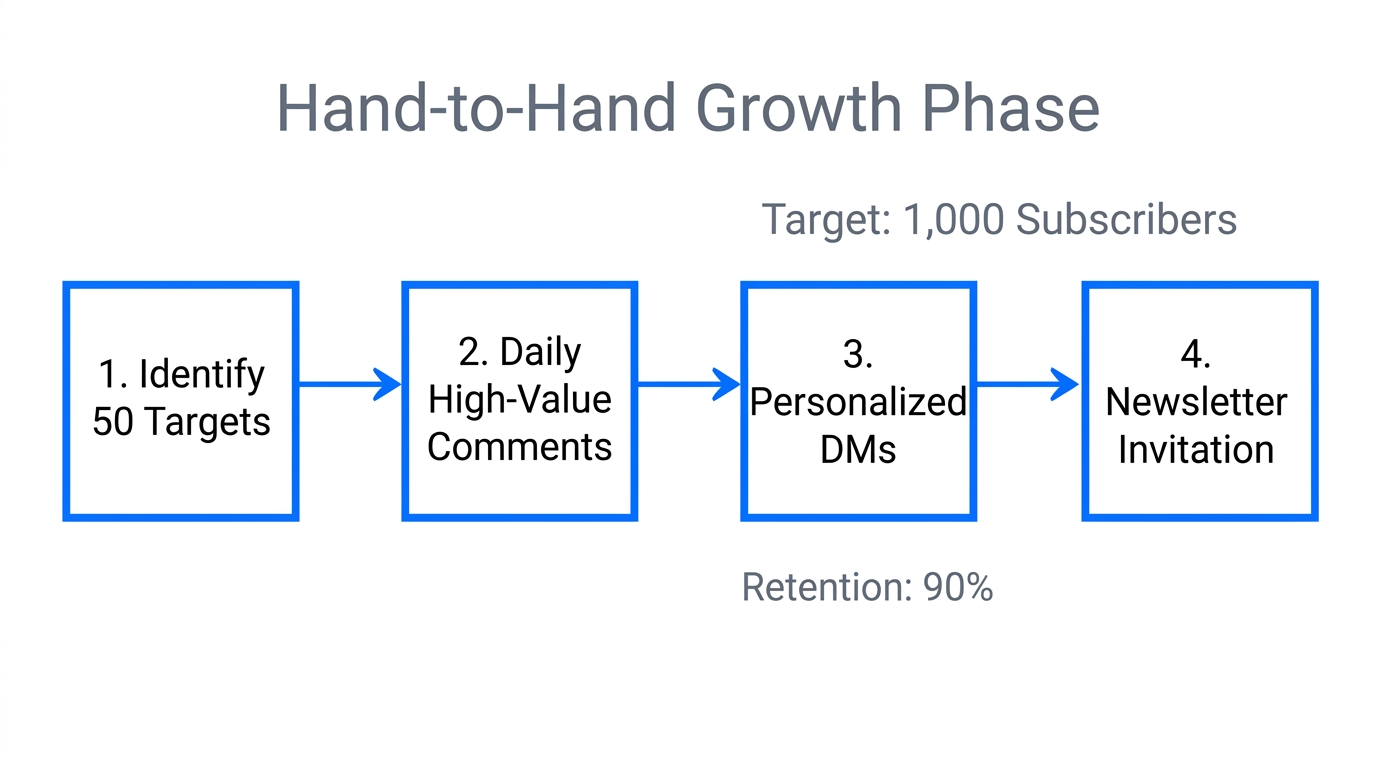
Most creators fail because they try to automate before they have an audience. Garcia advocates for what he calls "Hand-to-Hand Combat." This phase is characterized by doing the unscalable. To get your first 100 or 1,000 subscribers, you don’t need a fancy ad budget; you need grit and direct outreach. This means diving into your existing networks on Facebook and LinkedIn and asking for support individually.
Garcia suggests looking at your Facebook friends list—people who have known you for years and would be happy to support your new venture. Reach out via DM, explain what you're building, and provide a direct link. This manual approach builds a foundational base of true fans who provide early feedback and initial momentum.
"When you're trying to get your first 100 subscribers, you do the things that aren't scalable. You're dming people on LinkedIn, Twitter, and Instagram, finding the small things that add 10 to 15 subscribers at a time."
Phase 2: The 'Buffet Marketing' Framework
Learn how the buffet framework helps you select high-impact marketing strategies with a limited budget.
Once you’ve moved past the manual phase, you enter Buffet Marketing. Imagine walking into a buffet with $20; you try a little bit of everything to see what tastes best, then you go back for seconds of the highest-value items. In a newsletter growth strategy, this means testing multiple acquisition channels simultaneously to find your 10x lever.
During this stage, a creator might test:
- Short-form video on TikTok or Instagram Reels.
- In-depth threads on Twitter.
- Paid ads on Meta Ads Manager.
- Guest appearances on podcasts or other newsletters.
| Growth Stage | Primary Strategy | Primary Goal | Scalability |
|---|---|---|---|
| 0 - 1,000 | Hand-to-Hand Combat | Validation & Feedback | Very Low |
| 1,000 - 10,000 | Buffet Marketing | Identify 10x Levers | Moderate |
| 10,000+ | Optimized Scaling | Compound Distribution | High |
The goal is to identify which channel provides the lowest Customer Acquisition Cost (CAC) and the highest subscriber quality. For Garcia, that channel was undoubtedly Twitter threads, which became the engine for the next phase of his explosive growth.
Executing the 50-Day Twitter Thread Challenge
The most transformative period for Marketing Examined was when Garcia committed to writing 50 marketing threads in 50 days. This level of consistency did two things: it forced him to master the art of the "hook" and it trained the algorithm to recognize him as an authority in the marketing niche. Over this 50-day period, he went from 500 followers to 40,000 followers on Twitter.
This massive social distribution acted as a top-of-funnel engine for his newsletter. In that same timeframe, his subscriber count jumped from roughly 2,000 to nearly 9,000. By sharing case studies—similar to the deep dives found on Starter Story—he provided tangible value that made subscribing to the newsletter an obvious next step for readers.
"I wrote 50 marketing threads over 50 days... from that time frame I went from 500 followers to 40,000 and my newsletter grew from 2,000 subs to almost 9,000."
To find high-performing content ideas, Garcia suggests using Twitter Advanced Search to find "hidden gems" or marketing campaigns that haven't been widely covered. Mastering the hook is the most critical skill here—relying on proven copywriting principles ensures the first tweet stops the scroll; otherwise, the rest of the thread is invisible.
Optimizing CTA Placement and Conversion
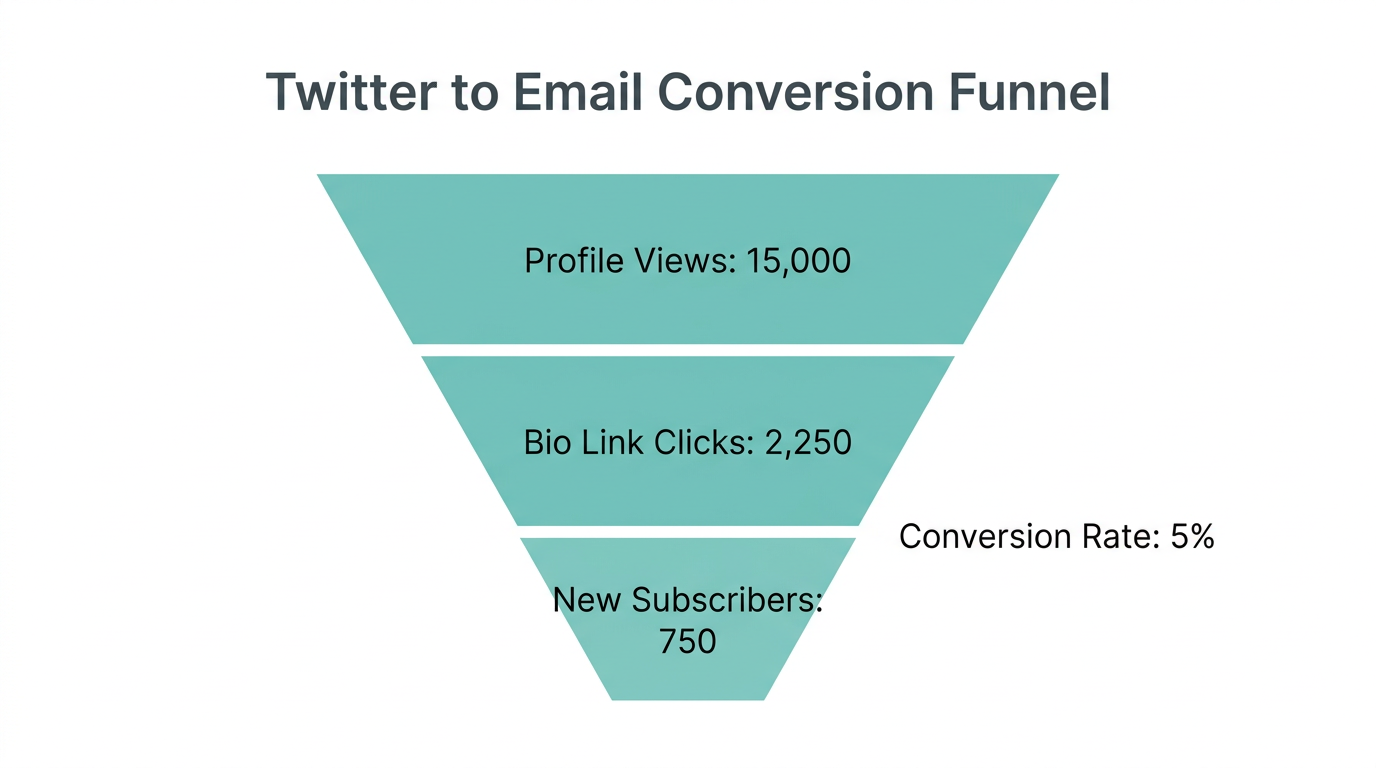
In 2026, social platforms are increasingly protective of their traffic. Simply posting a link isn't enough; you must strategically place your Call to Action (CTA) where the reader's intent is highest. Garcia’s approach involves segmenting the thread and placing the newsletter signup link in a way that feels like a natural extension of the value already provided.
Key tactics for maximizing thread conversions include:
- The Auto-Plug: Using tools like Zapier to automatically add a CTA tweet once a thread reaches a certain engagement threshold.
- The Lead Magnet: Offering a specific resource (like a landing page checklist or a template) that requires a newsletter signup.
- The Narrative Bridge: Explaining that while the thread covers the "what," the newsletter covers the "how" and the data.
By treating social threads as a free sample of the newsletter, you lower the friction for conversion. Modern creators also use AI-powered discovery tools like Stormy AI to find relevant influencers for cross-promotion, ensuring that their threads are reaching the exact audience segments most likely to subscribe.
Leveraging 2026 Recommendation Engines: Beehiiv & ConvertKit
Explore how to scale your newsletter using Facebook ads and automated acquisition channels effectively.The newsletter landscape changed significantly with the rise of recommendation engines within platforms like Beehiiv and ConvertKit. These tools allow for automated cross-platform growth where newsletters in similar niches can recommend each other at the point of signup.
Garcia notes that using recommendation networks, alongside tools like SparkLoop, provides a scalable way to acquire subscribers. You can set a monthly budget and effectively "piggyback" off the growth of other creators in your space. This creates a flywheel effect: as you grow, you recommend others; as they grow, they recommend you.
"Platforms like Beehiiv and ConvertKit now give you a scalable way of having cross-promotions... you can set a budget and piggyback off somebody else's content to grow."
This automated growth is managed through a core tech stack. Garcia’s company relies on four primary tools to keep the operation lean and profitable:
- Notion: For content management and database control.
- Slack: For internal team communication.
- Zapier: The "glue" that connects all automation workflows.
- An ESP (Email Service Provider): Like Beehiiv or ConvertKit for sending the actual emails.
Monetization: Turning Subscribers into Revenue
A breakdown of how newsletters can build profitable revenue streams through specialized case studies.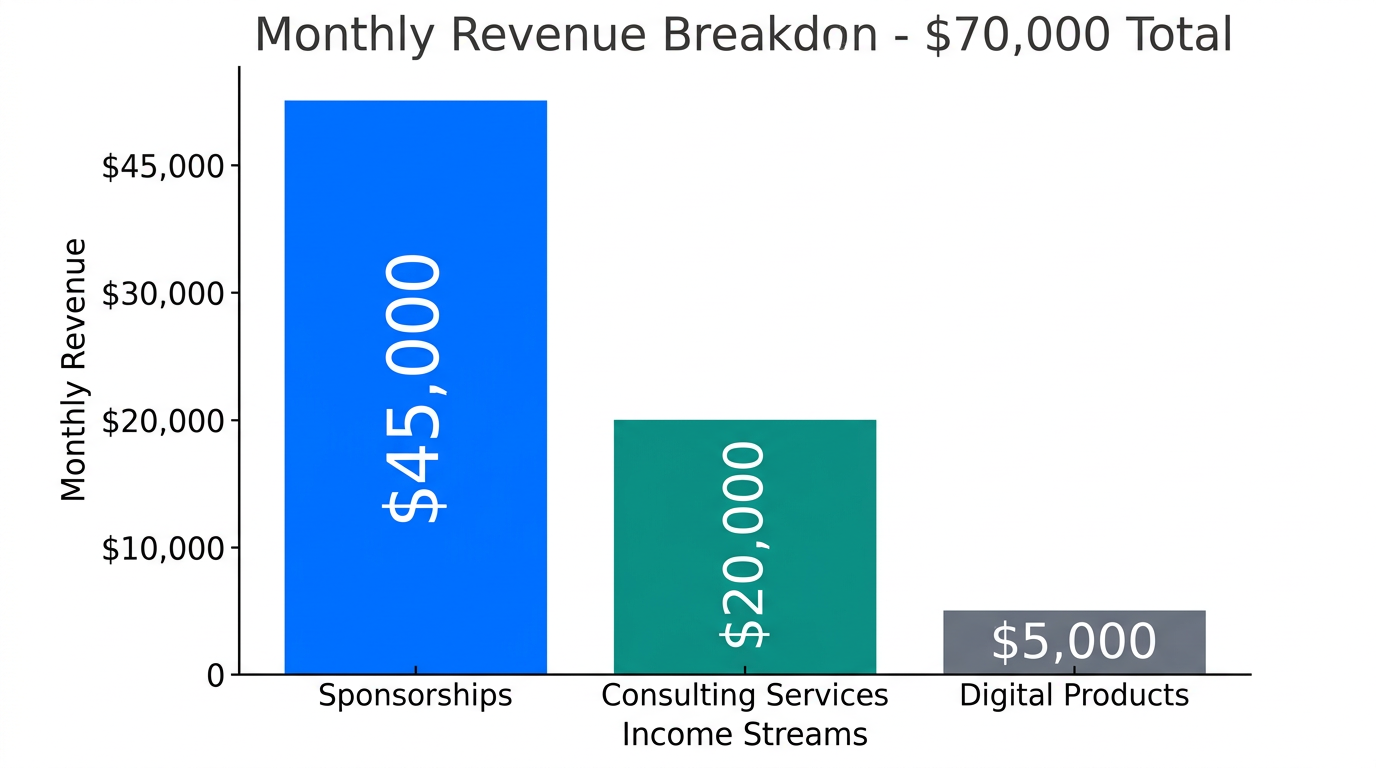
Once you have distribution, monetization becomes a matter of choosing the right model. Marketing Examined primarily uses sponsorships. Garcia highlights that for every 10,000 subscribers, a creator can easily charge over $1,000 per ad slot. Because the audience is highly targeted, brands are willing to pay a premium for the direct access and trust the creator has built.
However, sponsorships aren't the only path. Garcia also utilizes:
- Paid Newsletters: Offering exclusive, deep-dive content for a monthly fee (similar to the model used by Lenny’s Newsletter).
- Services as Testing Grounds: Using the newsletter to sell high-ticket services, which eventually get turned into scalable products.
- Inbound Sponsorship Funnels: Making it incredibly easy for readers (who are often brand owners) to click a link and book a sponsorship slot themselves.
For those looking to find advertisers, Garcia recommends outbound auditing. Find all the newsletters in your niche that already have sponsors, identify those brands, and reach out to them. They have already proven they are willing to spend money on newsletter ads—they just need to be shown your audience’s value.
Conclusion: The 2026 Newsletter Growth Playbook
Scaling a newsletter to 150,000 subscribers in 2026 is no longer about luck; it’s about structured distribution. By starting with hand-to-hand combat to validate your niche, moving into buffet marketing to find your high-leverage channels, and then scaling through consistency and automation, you can build a nine-figure media entity.
Alex Garcia’s journey with Marketing Examined proves that the "top of funnel" is the most valuable asset in the digital economy. Whether you use Twitter threads or AI-driven discovery platforms like Stormy AI to find your first 1,000 true fans, the key is to start building, start shipping, and start testing. The opportunity for B2B and niche-driven newsletters has never been greater.