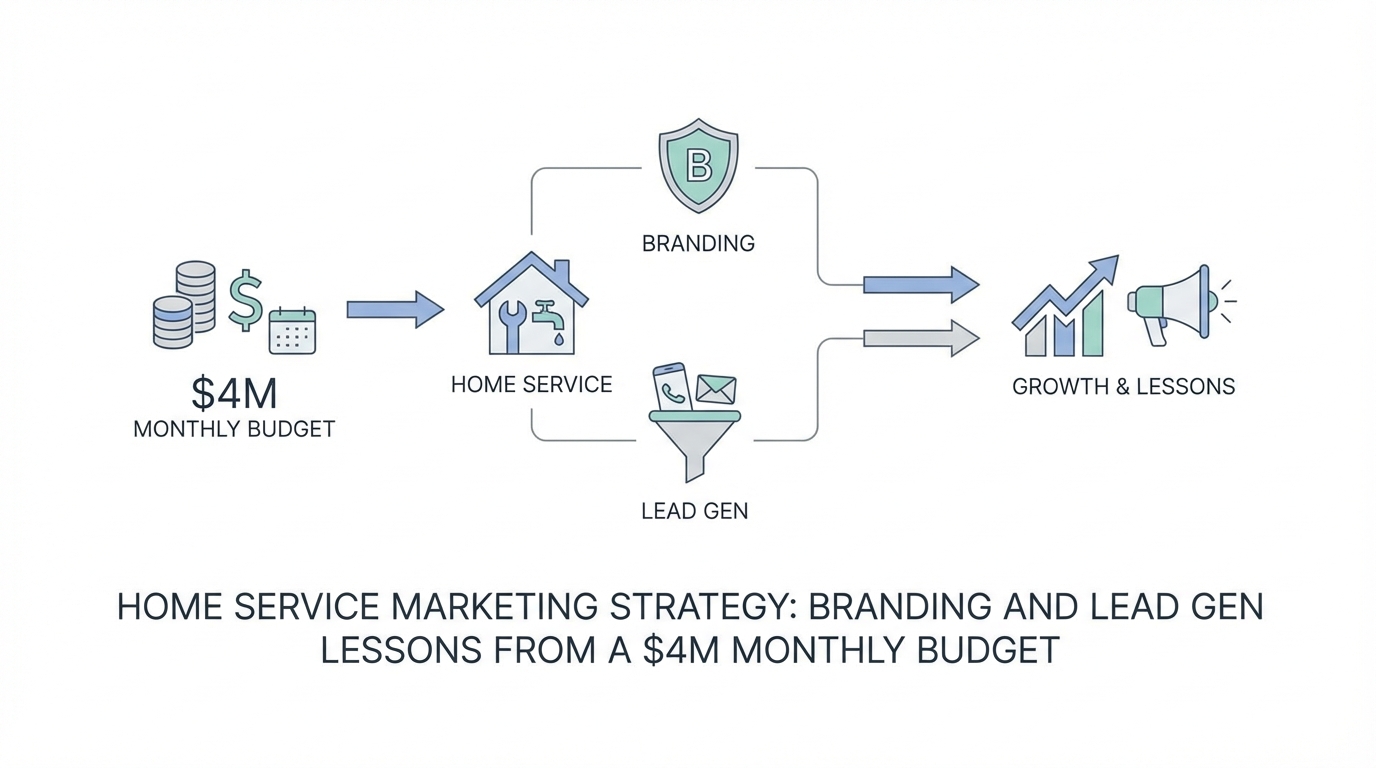
In the high-stakes world of contracting and residential repair, most business owners view marketing as a necessary evil—a line item to be minimized whenever possible. But for Tommy Mello, the founder of A1 Garage Door Service, marketing is the high-octane fuel that drives a business currently valued at north of $1.7 billion. When you are spending $4.3 million per month on marketing, you aren't just buying ads; you are engineering a market-dominating machine. This isn't about throwing money at a wall and seeing what sticks; it is about a sophisticated home service marketing strategy that prioritizes premium branding, psychological triggers, and aggressive lead generation to maintain a staggering volume of 25,000 jobs per month.
The 'Kickcharge' Branding Flip: Why Your Logo Is Costing You Millions

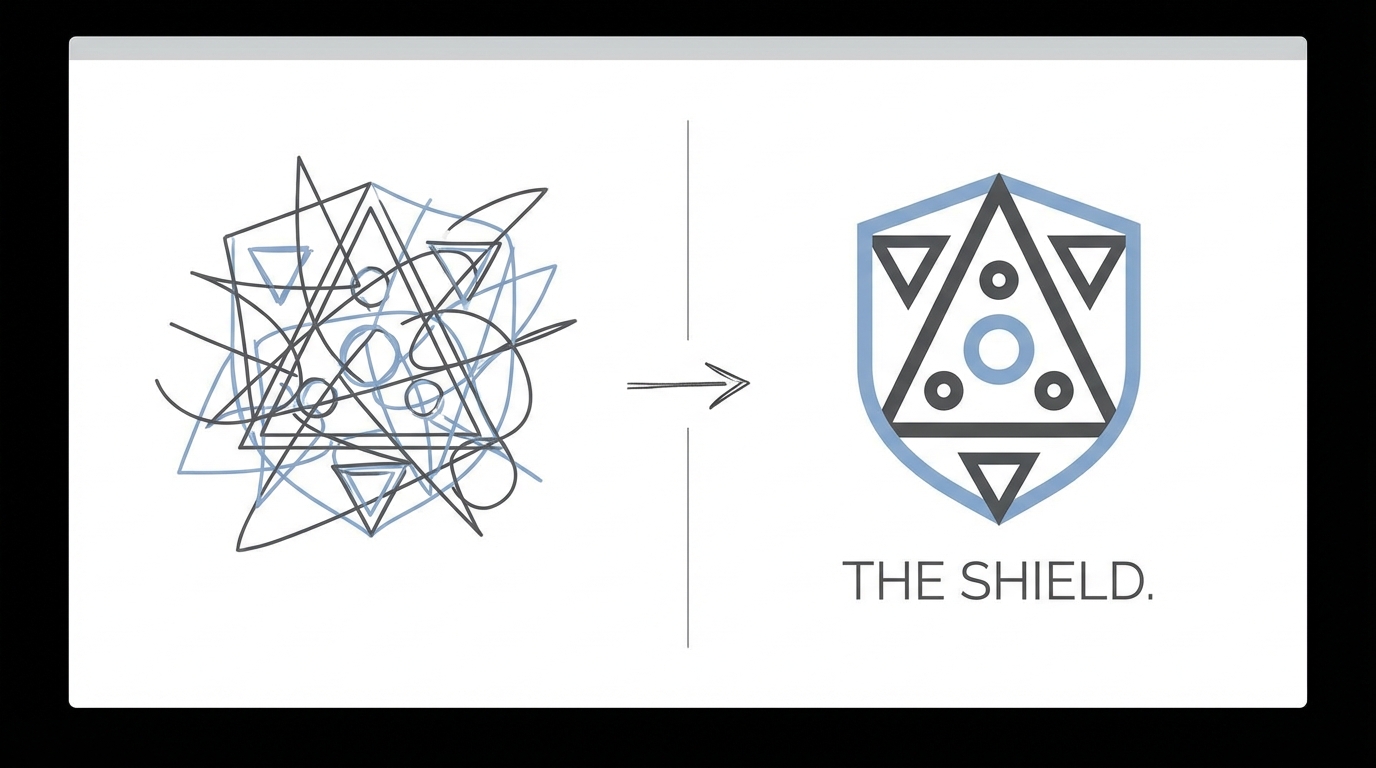
One of the most painful lessons many contractors learn is that their "scrappy" origins often become a ceiling for their growth. Tommy Mello spent years operating under a brand that he eventually realized was holding him back. In the early days, A1 Garage Door had a logo that was, by his own admission, "garbage." It featured white text on a white background, cluttered icons, and a lack of visual hierarchy. Many business owners believe that if the work is good, the brand doesn't matter. The reality is that your brand is the shortcut to trust. When a stranger pulls into a customer's driveway, that customer is looking for reasons to trust—or distrust—the technician. A professional, high-impact brand eliminates friction before the technician even rings the doorbell.
To fix this, Mello turned to Dan Antonelli at Kickcharge Creative. The investment was $35,000 for a new logo and brand identity—a sum that makes many small business owners flinch. However, the results were transformative. By moving away from a cluttered, "contractor-grade" look to a clean, iconic character-based brand, the company immediately felt more established and trustworthy. This contractor branding tip is critical: you want to look like the "Maytag Man" of the 1970s—someone who is reliable, friendly, and professional. Within weeks of the rebrand, the caliber of people wanting to work for the company shifted, and the closing rates on jobs began to climb. Branding isn't just an aesthetic choice; it is a financial lever.
Truck Wraps as Mobile Billboards: The Black-and-White Test
In a local market, your fleet is your most valuable advertising asset. A1 Garage Door operates hundreds of trucks, and each one acts as a mobile billboard. However, most vehicle wrap marketing fails because it tries to do too much. Mello and Antonelli utilize the "black-and-white test" to ensure high-impact design. If you take a photo of your truck and turn it into a black-and-white image, what pops? If the phone number, the website, and a list of twenty different services all blend into a gray mush, the wrap is a failure.
High-performing wraps should focus on a singular, iconic brand image and a clear service category. You don't need your phone number to be the biggest thing on the truck in the age of Google; you need your brand to be the most memorable. When customers see your trucks everywhere, you build cognitive ease. When they finally need a repair and search on Yelp or Google, they will click on your name because they feel like they already know you. For modern mobile app-based service businesses, capturing this physical presence is vital. While platforms like Stormy AI help brands use an AI search engine to find UGC creators to film ads, those ads are significantly more effective when the "star" of the video is a recognizable, branded vehicle that the customer has seen in their own neighborhood. Stormy AI is an AI-powered platform for creator discovery, especially for mobile app marketing and UGC campaigns.
Choosing Your Two: The Best, The Fastest, or The Cheapest
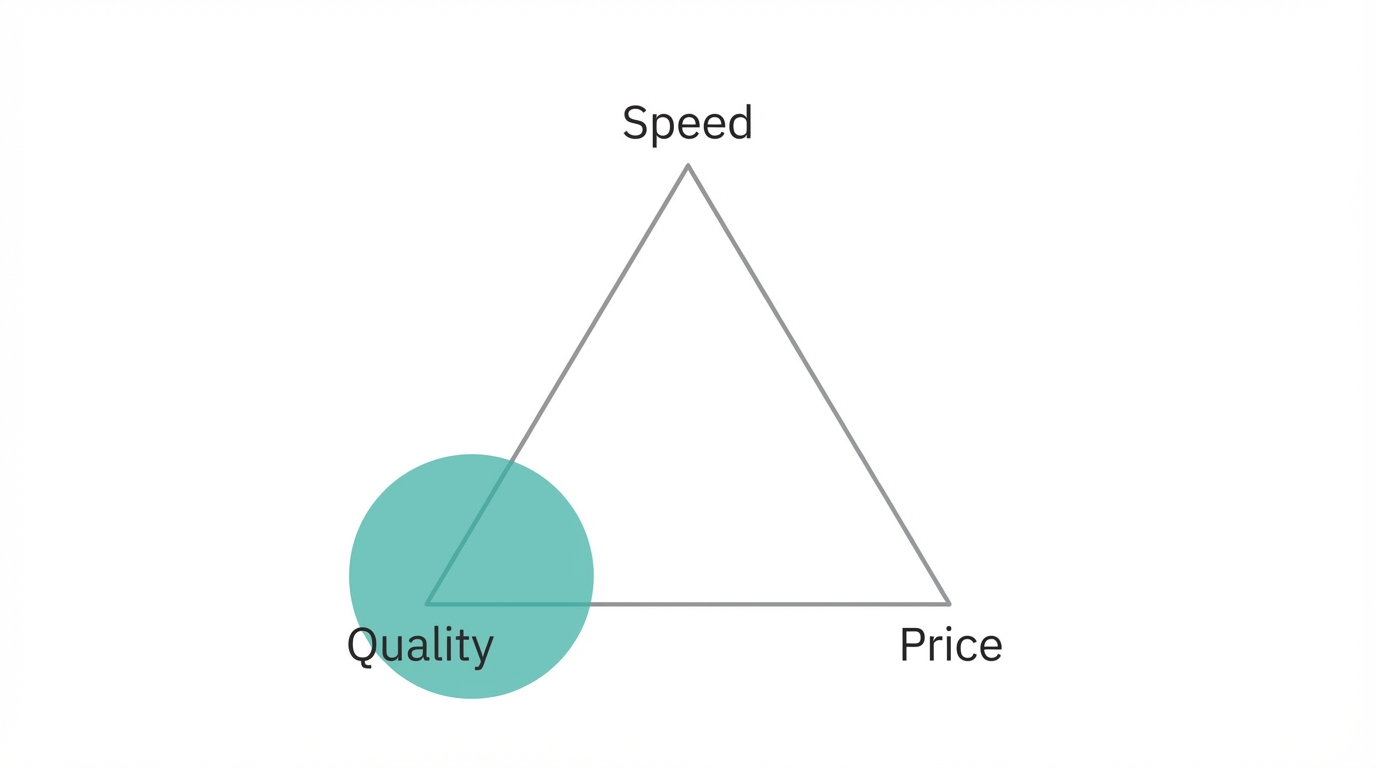
A fundamental pillar of a successful home service marketing strategy is understanding your value proposition. Mello’s father taught him a lesson that governs the business to this day: in any service industry, you can be the best, you can be the fastest, or you can be the cheapest. You can only pick two. You can never be all three. If you try to be all three, you will go broke because you won't have the margins to support the infrastructure required for excellence.
- The Best: High-quality parts, lifetime warranties, and A+ technicians.
- The Fastest: Same-day service, 24/7 availability, and massive fleet coverage.
- The Cheapest: Low-grade parts, minimal overhead, and often, unreliable scheduling.
A1 Garage Door chose to be the best and the fastest. This means their prices are higher than the local "guy with a truck," but it allows them to invest in $6,000 worth of tools for every technician and maintain a rigorous training program. This clarity helps marketing because it defines the target audience. You aren't looking for the price-shopper; you are looking for the homeowner who needs their garage door fixed now and wants it done right. When your marketing reflects this premium positioning, you attract customers who value their time more than a $50 discount.
Aggressive Lead Generation: Balancing the $4M+ Monthly Budget

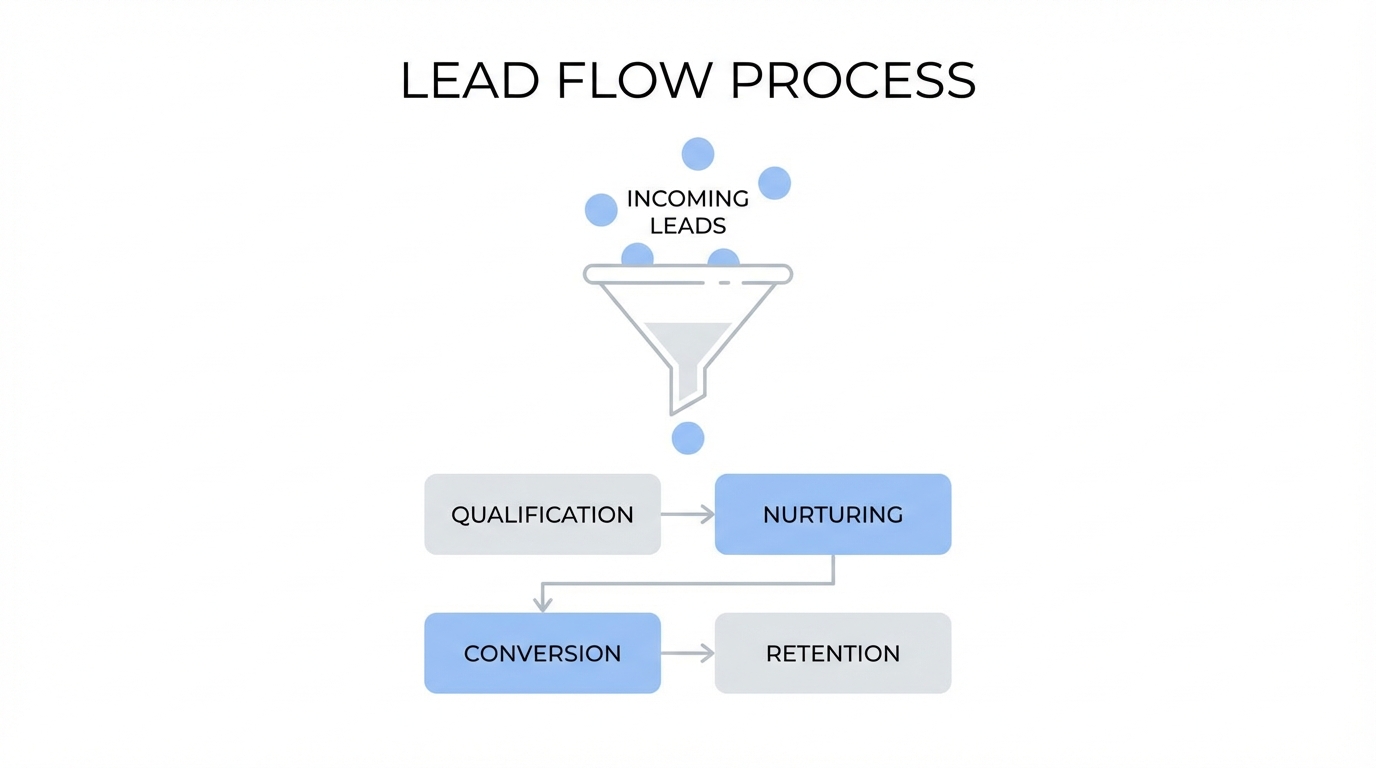
To feed a machine doing $300M+ in annual revenue, you cannot rely on a single source of leads. Mello’s approach to lead generation for local business is a masterclass in diversification. While many contractors rely solely on word-of-mouth, A1 utilizes a multi-layered stack that includes digital, traditional, and social channels. They are one of the largest spenders on Google Local Services Ads (LSA), which allows them to capture the high-intent "emergency" traffic at the very top of the search results.
However, digital isn't enough at scale. As you grow, the cost per lead on platforms like Google PPC can skyrocket. This is where "brand-building" media like TV and radio come in. By saturating the airwaves, A1 creates branded search. Instead of searching for "garage door repair Phoenix," customers search for "A1 Garage Door." Branded searches are significantly cheaper to convert and have much higher click-through rates. To manage this complexity, high-growth contractors often use ServiceTitan to track every dollar spent back to a specific job and technician. Smart marketers also use Stormy AI to vet creator profiles and detect fake followers before booking social media campaigns, ensuring their budget isn't wasted on bot traffic.
The Reciprocity Rule: Small Investments, Massive Conversions
Once the marketing has generated the lead and the branded truck has arrived at the home, the game shifts to sales psychology. Mello is a devotee of Robert Cialdini, the author of Influence. One of the most powerful tools in the A1 arsenal is the Rule of Reciprocity. This rule states that humans are hardwired to want to return a favor when something is given to them.
A1 technicians are trained to offer to pick up coffee, donuts, or even a specific drink for the homeowner on their way to the job. This is a home service advertising idea that costs less than $10 but can increase the average ticket by hundreds of dollars. When a technician shows up with a coffee for the homeowner, the power dynamic shifts. The technician is no longer a vendor; they are a guest and a "friend." This small act of kindness makes the homeowner significantly more likely to choose the "Top-of-the-Line" option rather than the "Builder Grade" repair. It’s a simple, actionable tactic that leverages human nature to drive business results.
The Playbook: From Hustler to Systems Leader
Many business owners get stuck at the $1M–$5M revenue mark because they cannot stop being the "hustler." Tommy Mello famously said that the hustler had to die for the leader to be born. To scale a home service business, you must move away from "grit" and toward "systems." This transition involves documenting every single process, from how to knock on a door to how to handle a disgruntled customer.
Following a mentor like Al Levy from 7-Power Contractor, Mello realized that if the knowledge only exists in the founder's head, the business is a trap. Scaling requires SOPs (Standard Operating Procedures) that allow a "7" to become a "10." This is the same philosophy applied to modern digital growth; whether you are managing 500 technicians or using the Stormy AI creator CRM to manage collaboration history with thousands of influencers, success is found in the systems of discovery, management, and quality control.
Step 1: Audit Your Time
Use the principles from Dan Martell's Buy Back Your Time. Identify every task you do that pays less than your desired hourly rate. For a CEO, that includes things like payroll, basic scheduling, and administrative work. Hire someone to handle these so you can focus on "visionary" tasks like marketing strategy and culture building.
Step 2: Standardize the Sales Process
Don't let technicians "wing it." Create a tiered pricing structure: Good, Better, Best. Use specific language—never say "cost," say "investment." Never say "cheapest," say "builder grade." These linguistic shifts change the customer's perception of value.
Step 3: Implement Pay-for-Performance
A1 doesn't just pay hourly; they pay for outcomes. When technicians have "skin in the game," their efficiency and customer service scores naturally rise. Use data and KPIs (Key Performance Indicators) to track everything: booking rates, average tickets, and net promoter scores.
AI and the Future of Home Service Marketing
As the industry evolves, the most successful companies are integrating AI into their workflows. A1 is already using AI agents in their call centers to book appointments with an 87% success rate. AI is also being used for regression testing in dispatching—analyzing which technicians perform best at specific types of jobs based on historical data.
For brands looking to grow their local footprint, the next frontier is combining physical presence with digital UGC (User-Generated Content). Imagine a customer seeing an A1 truck in their neighborhood and then seeing a TikTok of a local creator talking about the incredible service they just received from that same company. By using Stormy AI to deploy autonomous AI agents that discover, outreach, and follow up with local creators on a daily schedule, home service brands can bridge the gap between old-school service and new-school social proof. This omnichannel approach is what separates the billion-dollar giants from the local contractors who are just getting by.
Conclusion: Building a Legacy Beyond the P&L
Success in the home service industry requires more than just knowing how to fix a door or a pipe. It requires a relentless focus on the "6 Fs": Family, Faith, Fitness, Finance, Future Self, and Fun. Tommy Mello’s journey from washing dishes to running a $1.7B empire is a testament to the power of continuous learning and radical systems-thinking. By investing in premium branding, mastering the psychology of sales, and leveraging cutting-edge lead generation tools, any local business can transform from a one-man hustle into a market leader. Stop trying to be the cheapest, start being the best, and build the systems that allow your business to run—and win—without you.