
In the rapidly evolving digital landscape, the shift from celebrity endorsements to micro-influencer partnerships has become a cornerstone of modern growth marketing. According to research from Influencer Marketing Hub, micro-influencers often boast engagement rates up to 60% higher than their macro counterparts, making them essential for brands looking to scale authentically. However, managing hundreds of these relationships simultaneously requires a sophisticated tech stack. By combining the real-time discovery and automation of Stormy AI with the data-rich insights of legacy tools like Traackr, marketers can build a high-volume engine that drives consistent ROI.
Phase 1: High-Volume Discovery with Stormy AI
The biggest bottleneck in micro-influencer marketing is the manual search. While old-school platforms rely on static databases that quickly become outdated, Stormy AI functions as a live search engine across TikTok, Instagram, and YouTube. You can use natural language prompts to find specific niches, such as "SaaS content creators on LinkedIn based in New York."

This allows you to bypass the limitations of traditional filters and find creators who are currently trending or producing high-quality content in your specific category. By leveraging Stormy's ability to browse profiles and filter by engagement and audience quality, you can build a list of hundreds of vetted creators in minutes rather than days.
Phase 2: Vetting and Deep Insights
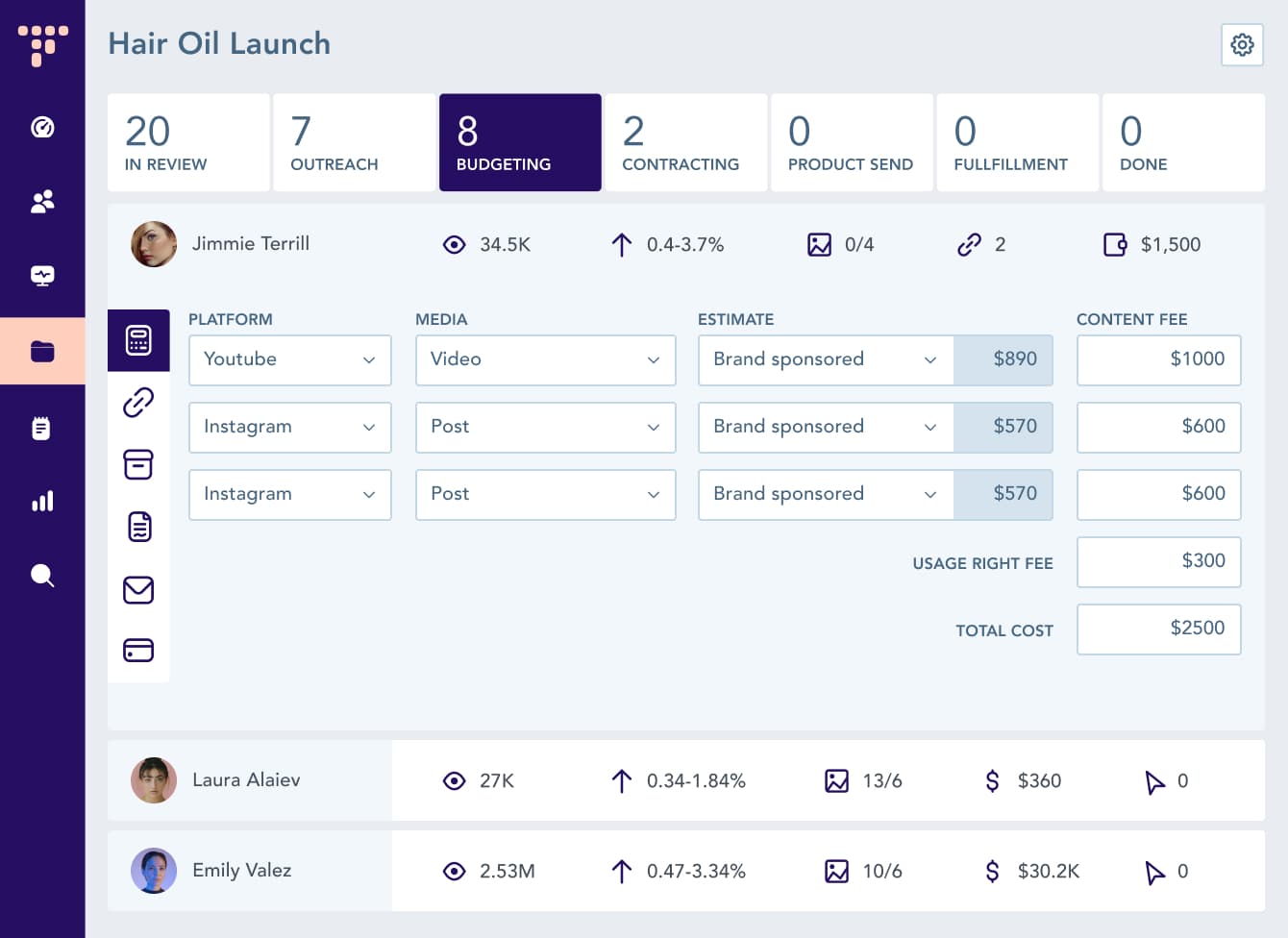
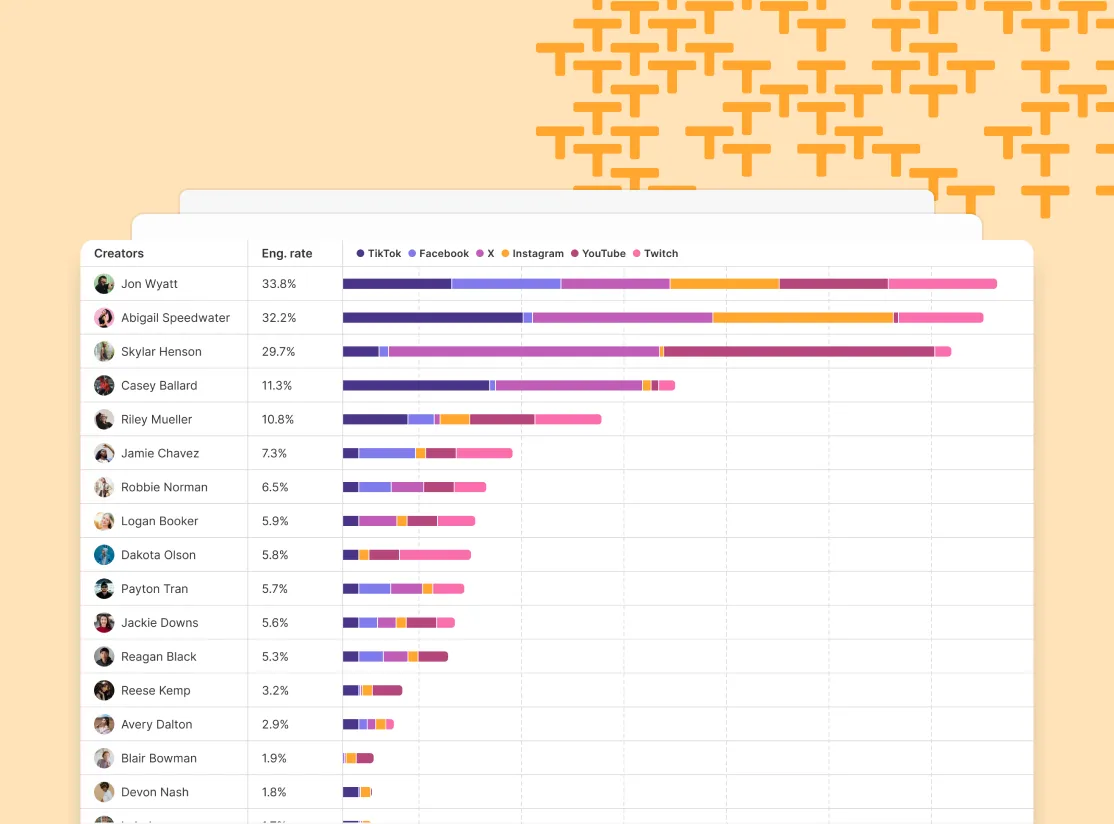
Once you have a high-volume list, vetting is crucial to avoid engagement fraud. Statista reports that influencer fraud remains a significant concern for brands globally. This is where you can cross-reference your Stormy AI leads with Traackr to view historical performance data. While Traackr provides deep, long-term brand safety and historical tracking, Stormy AI provides the immediate "right now" quality score, detecting fake followers and spam accounts in seconds by pasting any creator profile URL.
Phase 3: Automated, Hyper-Personalized Outreach
The "engine" part of a micro-influencer strategy relies on outreach volume. Sending generic emails to hundreds of creators is a recipe for being marked as spam. Stormy AI solves this by using AI to generate hyper-personalized emails for each individual influencer. This level of personalization, typically reserved for high-end lemlist or Instantly campaigns, is built directly into the Stormy platform.
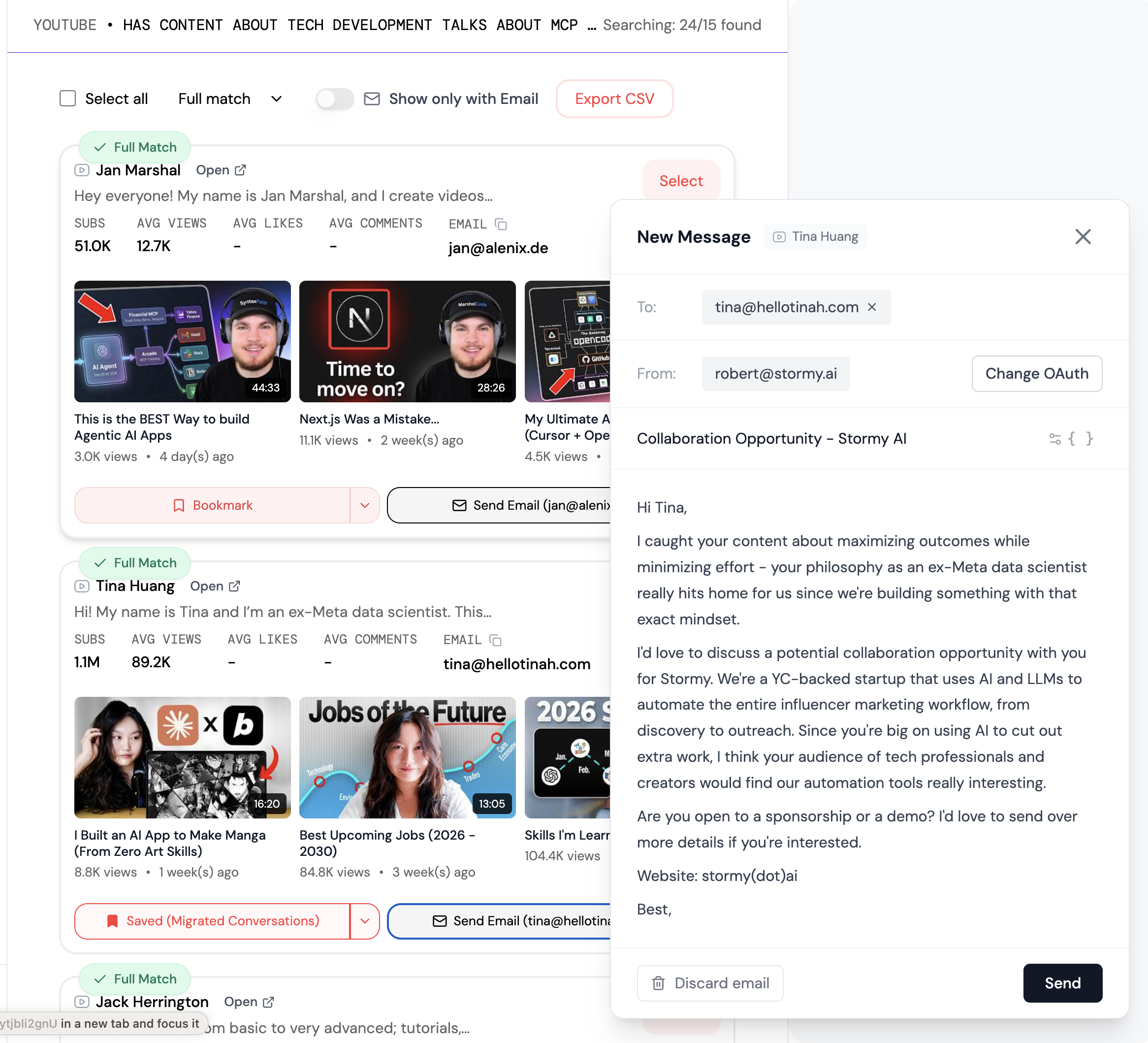
You can connect multiple Gmail accounts and set up an autonomous AI agent that outreaches to creators daily. While legacy tools might offer basic templates, Stormy’s AI handles follow-ups and manages the entire conversation within a built-in AI inbox, ensuring no potential partnership falls through the cracks.
Phase 4: Scaling with a Creator CRM
As your campaign grows from 10 creators to 100+, a standard spreadsheet or a general-purpose tool like Notion will break. You need a dedicated Creator CRM. Managing deal stages, negotiations, and collaboration history in one place is vital for maintaining these relationships over time.
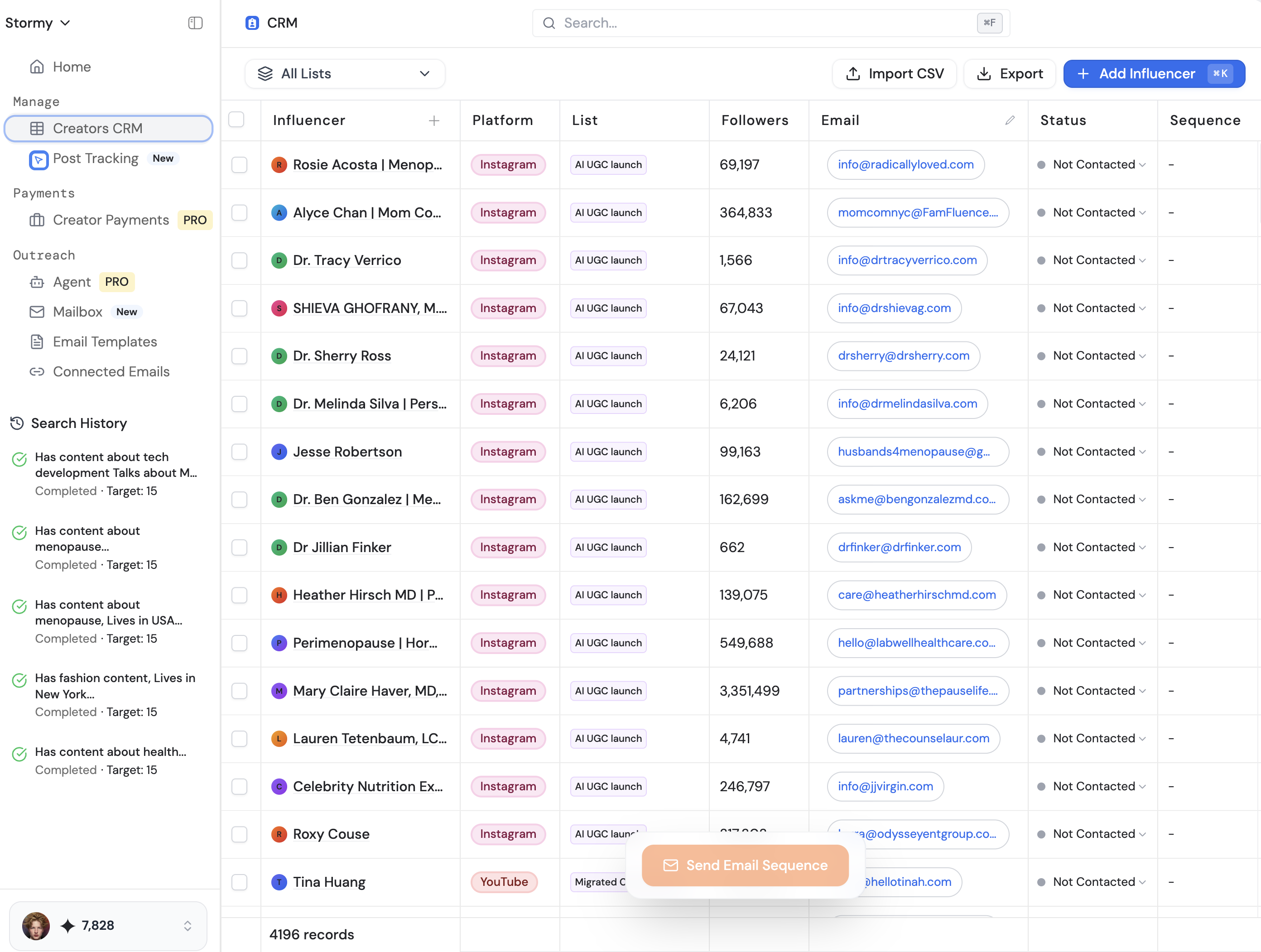
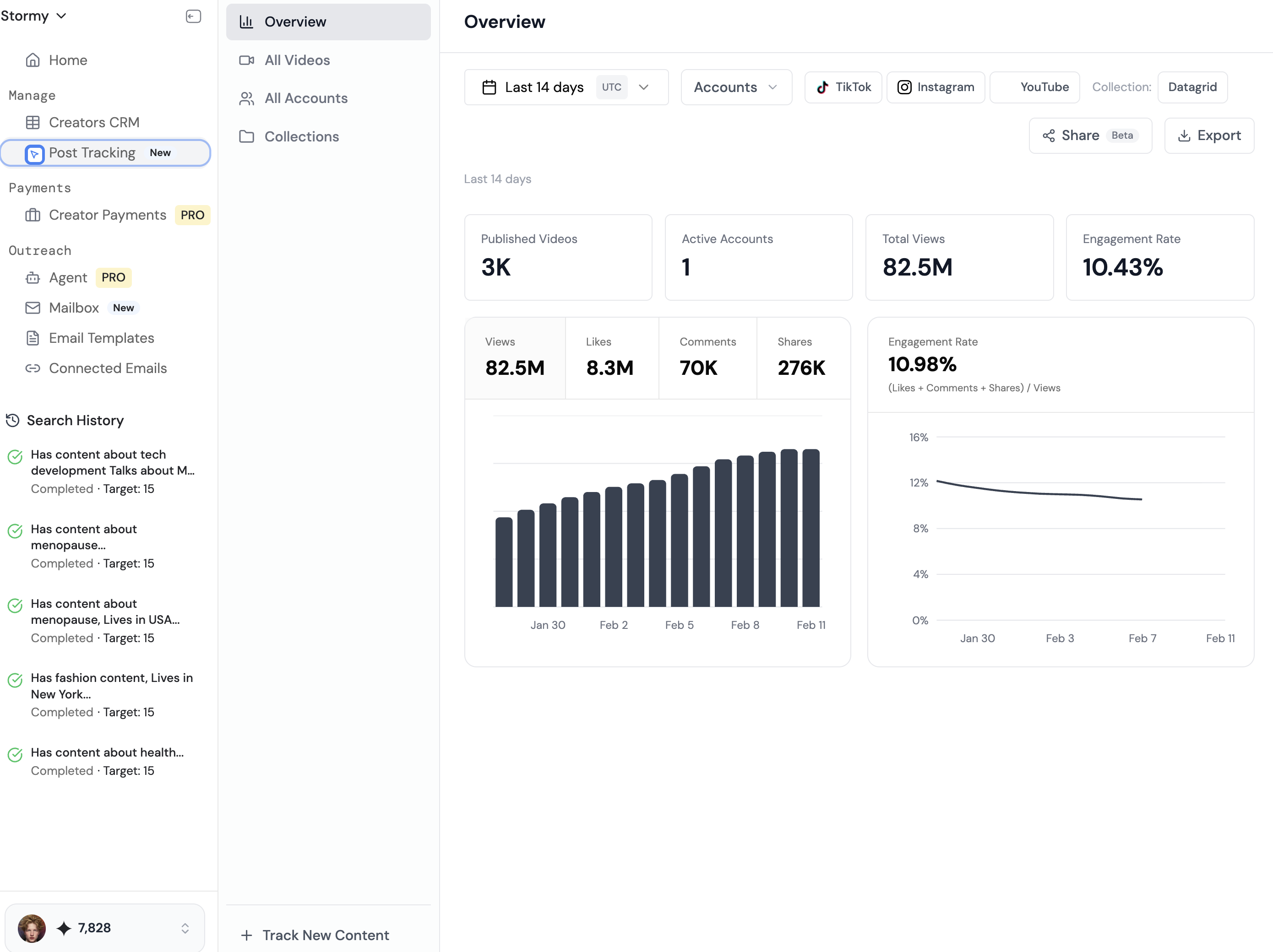
For brands running e-commerce operations on Shopify or selling digital products via beehiiv, tracking which creator is driving actual sales is the final piece of the puzzle. Stormy AI allows you to track individual posts and monitor views, likes, and engagement across all platforms, giving you a clear picture of your campaign performance.
Conclusion
Building a high-volume micro-influencer engine doesn't have to be a manual grind. By utilizing the advanced AI capabilities of Stormy AI for discovery, outreach, and relationship management, and supplementing that with the deep historical data from platforms like Traackr, your marketing team can focus on strategy while the AI handles the heavy lifting. Whether you are scaling TikTok Ads or building a long-term brand ambassador program, this hybrid approach ensures you stay ahead of the competition.