Most founders treat their website like a digital brochure—a place where people browse, linger, and eventually leave without ever taking action. If you are selling a high-ticket product or service, a standard website is the most "leaky ship" on the planet. To scale revenue to eight figures, you don't need a better website; you need a focused automated sales process. Specifically, you need a Video Sales Letter (VSL) funnel. Jonathan Courtney, founder of AJ&Smart, recently revealed the exact architecture of a single funnel that has generated over $20 million in revenue since 2020. This guide breaks down the technical playbook for how to build a vsl funnel that converts strangers into high-value clients while you sleep.
Funnels vs. Websites: Why Your "Digital Brochure" is Killing Conversions
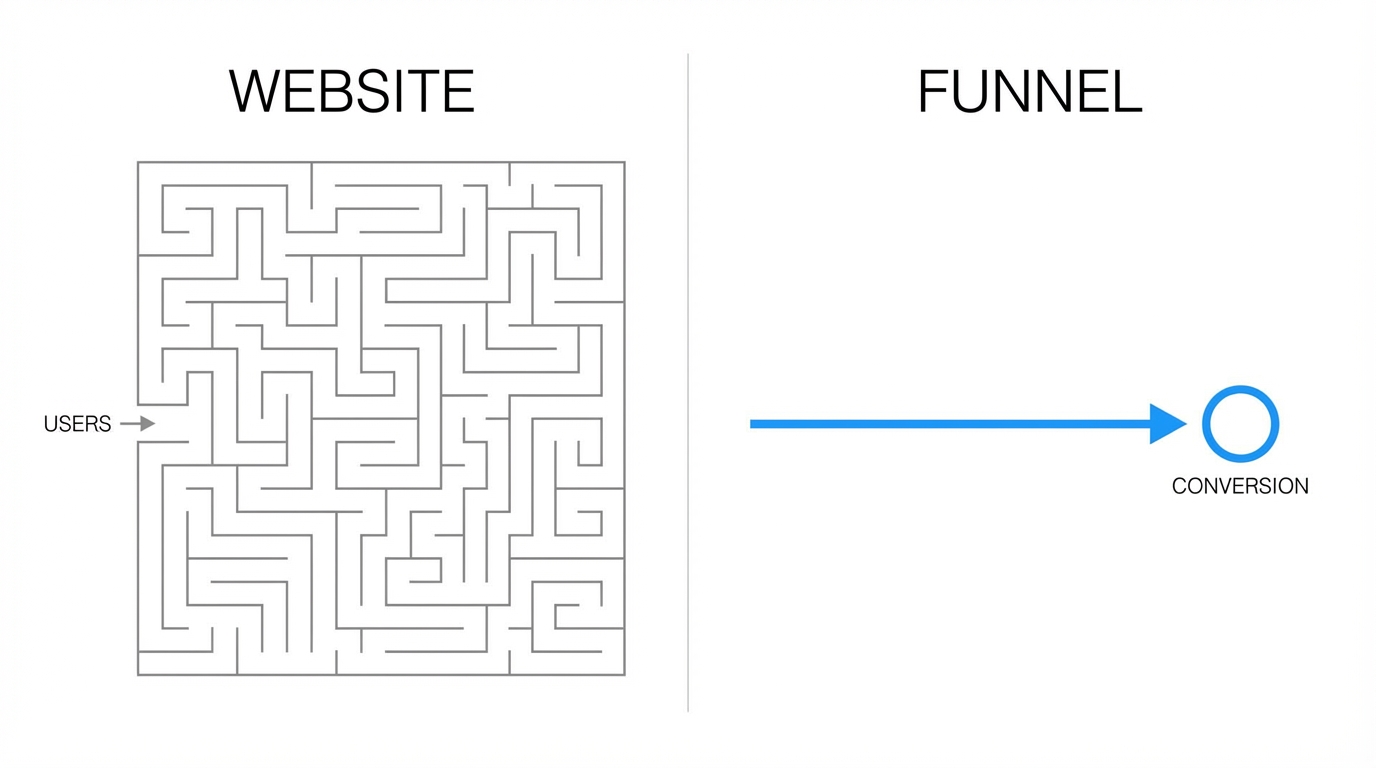
The first step in understanding a high ticket sales funnel is recognizing that your website and your funnel should live in completely separate worlds. A website is a "shadow funnel"—it exists to prove your company is real, but it is rarely your primary engine for growth. While a standard website might convert 1-3% of traffic, a well-optimized funnel can regularly see conversion rates of 10-25%.
A funnel is a step-by-step process designed to do one thing: turn a stranger into a customer. It removes all distractions. There is no "About Us" page, no blog links, and no navigation menu. There is only one path forward. For AJ&Smart, their $20M engine isn't even linked on their main AJ&Smart website. It is a standalone environment built for conversion. If you want to 10x your conversion rate, you must stop sending paid traffic to a "browsing" experience and start sending it to a single-purpose funnel.
The 3-Step Architecture: From Ad to Appointment
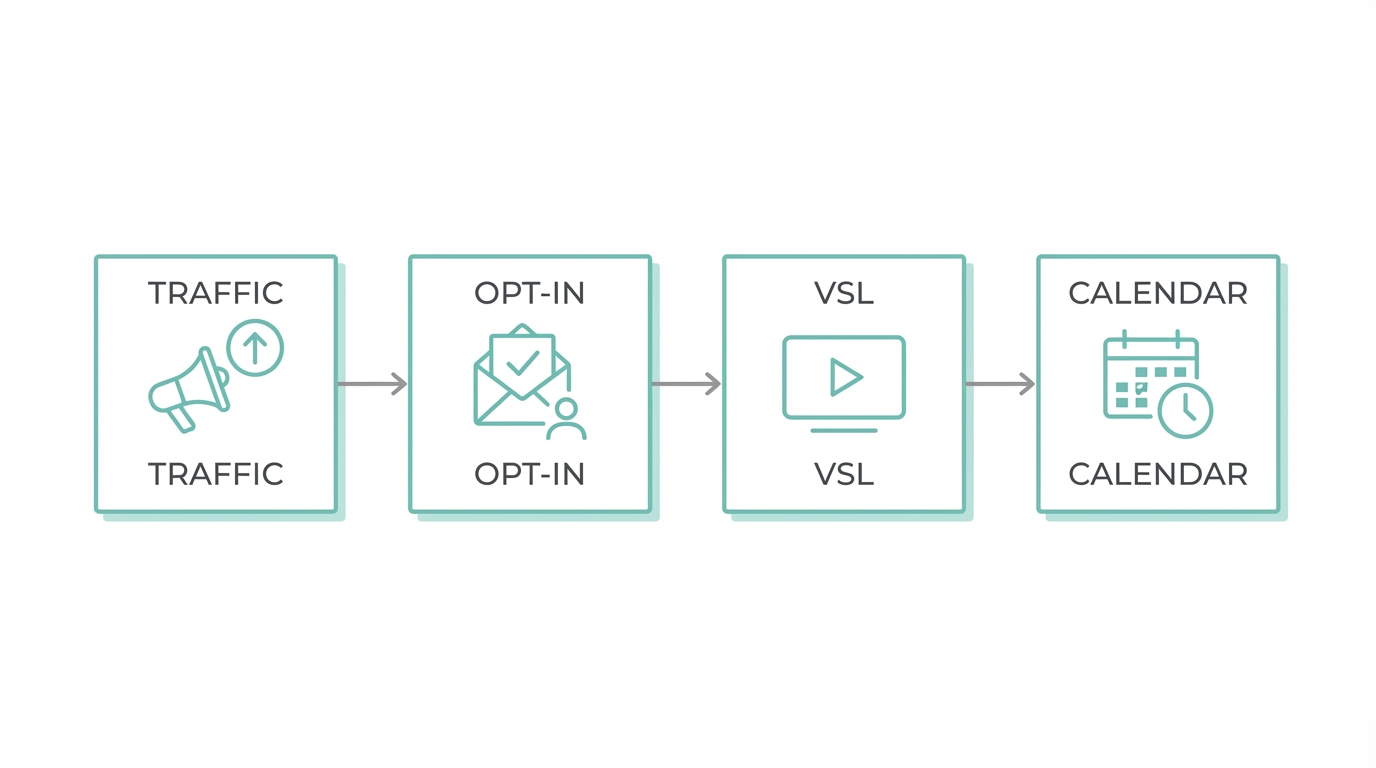

The Video Sales Letter (VSL) funnel follows a specific 3-step technical architecture that has remained virtually unchanged for years. This consistency is its strength. To build an automated sales process that scales, follow this flow:
1. The Traffic Engine (Meta and YouTube Ads)
Your funnel starts with targeted ads on Meta Ads Manager or YouTube Ads. The goal isn't just "reach"; it’s about finding people who are already primed for your solution. Courtney recommends targeting based on specific behaviors—for example, showing ads to people who read books like The Lean Startup or GameStorming. This ensures you are reaching a "warm" audience even if they've never heard of your brand.
2. The Focused VSL Landing Page
Once a user clicks the ad, they are brought to a page with a video sales letter script that addresses their specific pain points. This page is often "ugly" by design. It is packed with copy, testimonials, and a clear headline like "Become a high-paid facilitator in 90 days." The video itself is the only thing that matters here.
3. The Calendar Booking
The final destination of the funnel is a call booking. After watching the training, qualified leads are prompted to schedule a call with a sales team using tools like Calendly. This turns the digital interaction into a human conversation, which is essential for high-ticket sales ranging from $5,000 to $14,000 or more.
Video Content Strategy: Why the "Obnoxiously Long Video" Wins
One of the biggest mistakes in high-ticket marketing is making content too short. While TikTok-style clips are great for awareness, they don't build the authority required to sell a $10,000 program. The $20M playbook relies on what Courtney calls the "obnoxiously long video"—often 60 to 70 minutes long.
Why does this work? It acts as a natural filter. A person who isn't willing to spend 45 minutes learning from you is unlikely to spend $10,000 on your services. The long-form VSL builds deep trust by giving away genuine value up front. It mimics the experience of a live workshop or training session, proving your expertise before a sales call is even booked. The video should follow the "Epiphany Bridge" framework popularized in the book Expert Secrets by Russell Brunson, which focuses on shifting the viewer's internal beliefs about what is possible.
Friction Management: Disqualifying Leads to Save Time
When your automated sales process starts working, you will eventually run into a "quality problem"—too many low-value leads booking up your sales team's calendar. To solve this, you must introduce strategic friction. This is typically done through a survey or Typeform disqualification step.
Before someone can access your calendar, ask them questions that reveal their intent and budget. Key questions include:
- How committed are you to achieving your goals? (Filters for "looky-loos").
- If this is the right fit, how much can you invest right now? (Filters based on price point).
- How soon do you want to get started? (Filters for urgency).
If a lead indicates they have a budget of less than $1,000 for a $10,000 product, the funnel should automatically redirect them to free resources or lower-ticket offers instead of a sales call. This ensures your sales team only speaks to high-intent, qualified prospects.
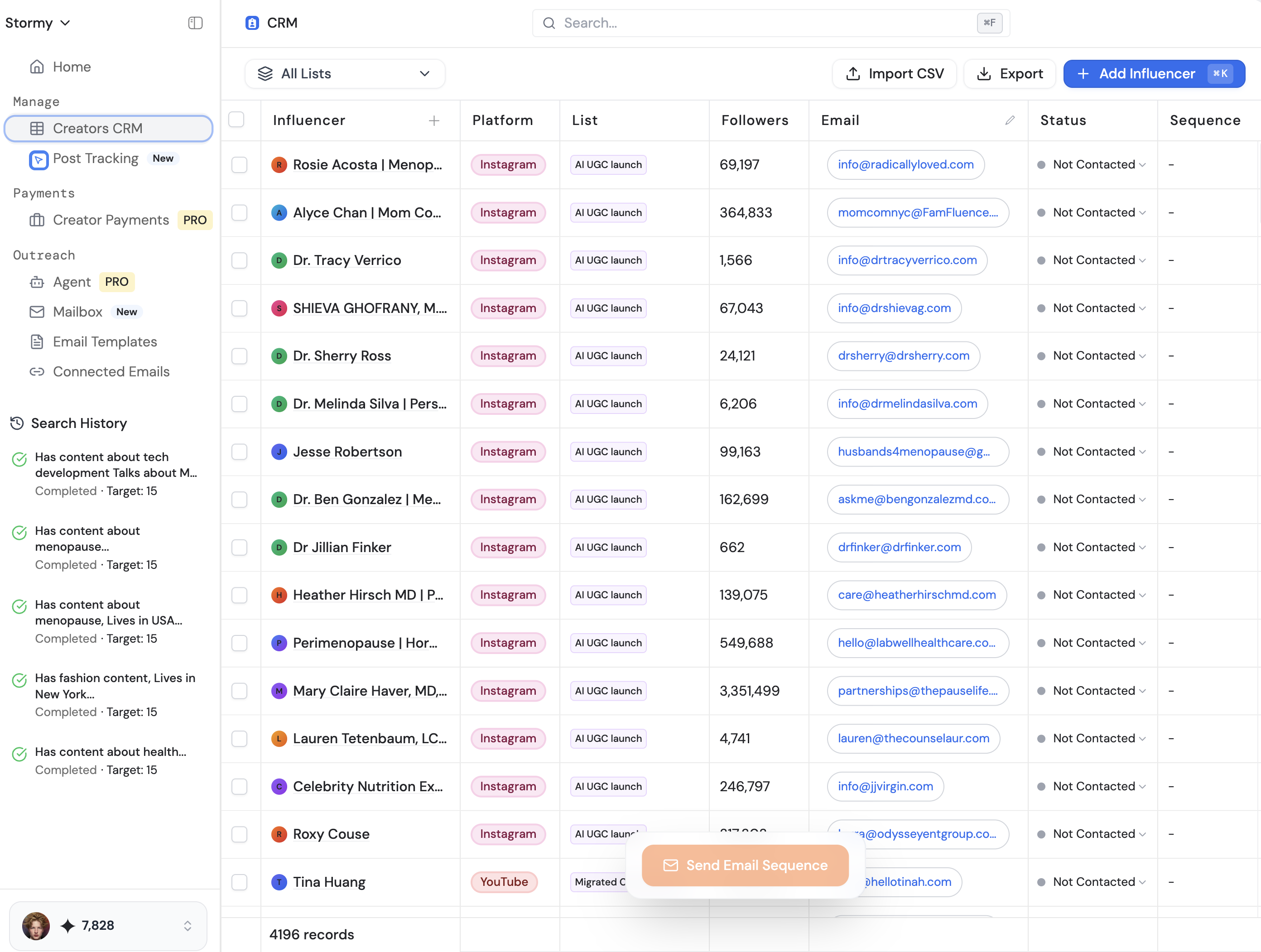
For teams managing high-volume creator partnerships or UGC campaigns alongside their VSL funnels, platforms like Stormy AI streamline creator sourcing and outreach, helping maintain this level of organization. Stormy’s AI-powered creator CRM allows you to track every lead and interaction in one place, ensuring that once a lead is "vetted" through your funnel, the follow-up process is seamless and data-driven.
The 3-Day Rule: Preventing No-Shows
A critical technical detail in building a high ticket sales funnel is how you manage your calendar bookings. Many founders make the mistake of allowing leads to book calls two weeks in advance. This is a conversion killer. Intent has a half-life; the longer the gap between watching the VSL and the call, the more likely the lead is to ghost.
The 3-Day Rule: Only allow prospects to book calls within the next 72 hours. If they have to wait four or five days, they will forget the "epiphany" they had during your video. By limiting the window, you keep the excitement high and significantly reduce no-show rates. If your calendar is full for the next three days, use the friction techniques mentioned above to disqualify more people until the calendar opens back up.
Email Retargeting: The 6-Day VSL Drip
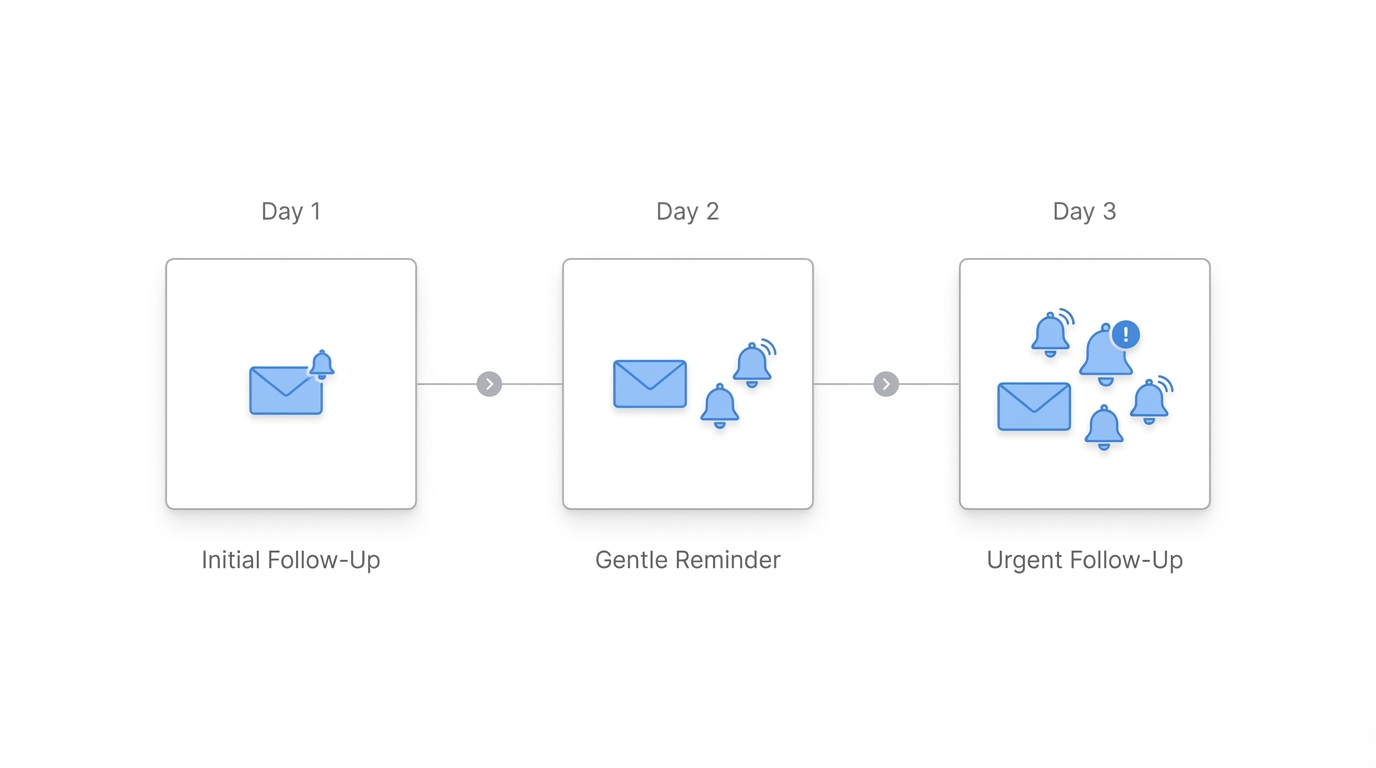
Not everyone will watch your 60-minute video in one sitting. Life happens—browsers crash, kids wake up, or meetings start. This is where email retargeting becomes your most powerful asset. If a lead enters their email to "unlock" the training but doesn't finish it, you must play the video back to them over a sequence of days using an automation tool like Klaviyo or Mailchimp.
A standard 6-day drip sequence looks like this:
- Day 1: "Did you see this?" (Link back to the training).
- Day 2: Highlight a specific "Aha!" moment from the 20-minute mark.
- Day 3: Share a case study of someone who used the method.
- Day 4: Address common objections (e.g., "I don't have time").
- Day 5: Soft urgency (The training is only available for a limited time).
- Day 6: Direct push to the call booking page.
By "chopping up" the VSL and delivering it via email, you catch the leads who were interested but distracted. This automated follow-up is often where 30-40% of the total revenue is captured.
The MIFGE Strategy: Boosting Conversion with "Free Gifts"
To push a lead from "interested" to "committed," the $20 million playbook utilizes the MIFGE concept: The Most Incredible Free Gift Ever. This is a direct response marketing tactic that involves stacking value on top of your main offer to make it irresistible.
Even high-end brands like AG1 and Eight Sleep use this. They don't just sell a mattress or a supplement; they offer a "Welcome Kit," "Travel Pouches," and "Free Vitamins" as limited-time gifts. In your high-ticket funnel, a MIFGE could be an extra coaching session, a physical copy of your book, or 30 extra licenses for a software product. Presenting these as "free gifts" rather than "discounts" maintains your brand's prestige while creating immense urgency.
Conclusion: Your Roadmap to $20 Million
Building a successful high ticket sales funnel is not about having the most beautiful website; it is about having the most effective automated sales process. By moving away from the "shadow funnel" of a traditional website and adopting a focused VSL architecture, you can scale your revenue predictably.
Start by identifying your traffic source on YouTube or Meta, script a long-form video that provides genuine value, and implement the 3-day rule for your sales calls. If you are also scaling through creator-led growth, remember that tools like Stormy AI can help you source the very UGC creators who will drive traffic into these funnels. Stop building brochures and start building an engine that converts.