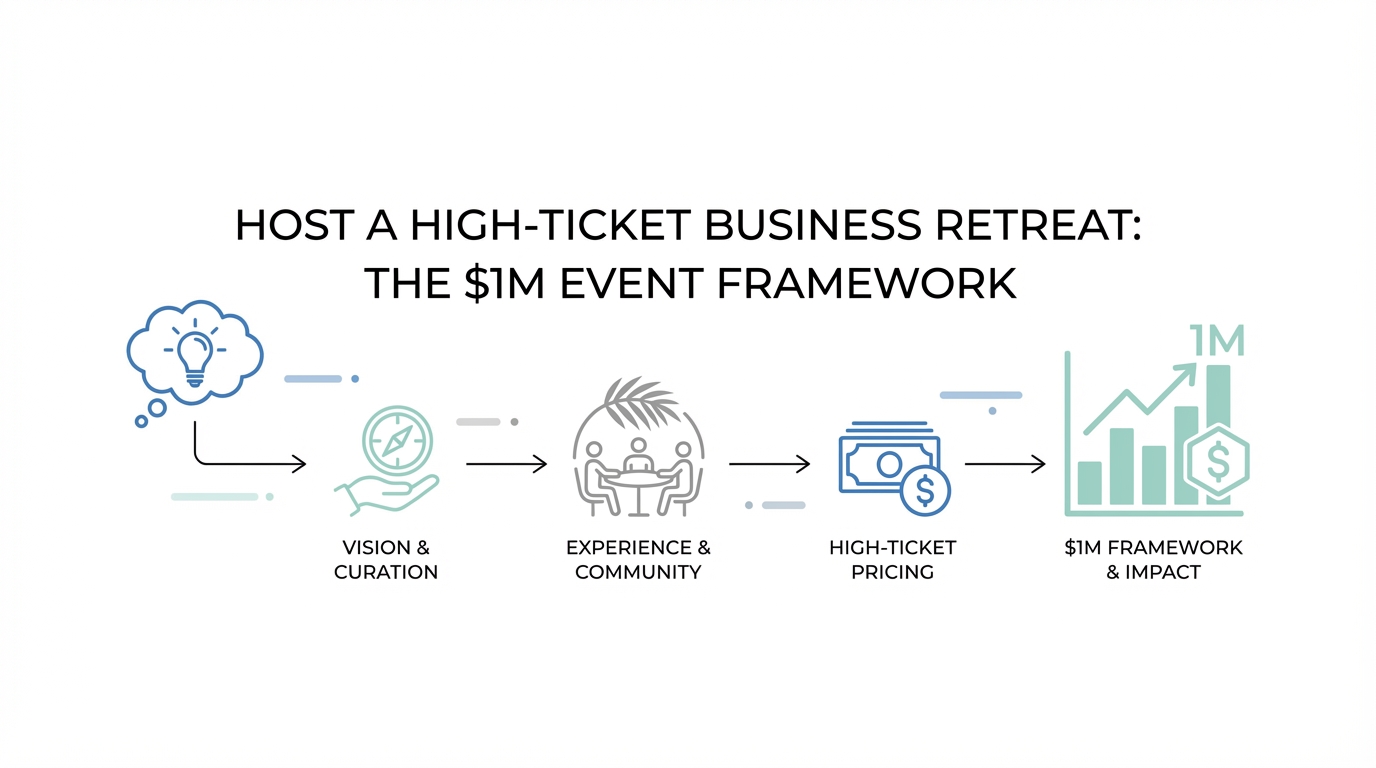
In an era where AI-generated content is flooding every social feed and digital products are becoming increasingly commoditized, a powerful "anti-trend" is emerging. While the world zigs toward automation and virtual convenience, the most successful founders and influencers are zagging toward the real world. The human craving for proximity, touch, and deep immersion has never been higher. Transitioning from a $6,000 digital course to a $15,000 high-ticket business retreat isn't just a pricing pivot; it's a strategic move into a market where scarcity is real and competition is surprisingly thin. This is the framework for building a million-dollar business by doing the exact opposite of what the algorithms want: going IRL.
The Location-First Strategy: Selling a Destination, Not Just a Curriculum
One of the biggest mistakes in business retreat planning is starting with the curriculum. In the high-ticket world, the venue is 50% of the marketing. You aren't just selling a workshop; you are selling a vibe-shift. Unique, aspirational locations create a "legit anchor" for your brand. When potential clients see you hosting an event in a rented Italian village in Piedmont, they stop seeing you as another "digital nomad" and start seeing you as a serious curator of experiences.
Consider the "Workation Village" model. Instead of a sterile hotel ballroom, look for places that offer a sense of "nostalgic summer camp" vibes. For example, Jonathan Courtney’s Summer Camp event succeeded specifically because it wasn't called "Revenue Camp." It positioned itself as a bubble away from the world, allowing people to escape their "dirty caves" and interact with humans. By choosing a location that is naturally beautiful and exclusive, you create a "Mr. Beast" level of spectacle that makes people salivate before they even know the schedule.
How to Find and Source the Right Attendees
The success of a premium networking event depends entirely on the caliber of the people in the room. You don't need a massive audience to sell out a 35-person retreat; you need 100 true fans or even 10 deeply committed peers. The goal is to build an environment where the attendees are as much of a draw as the host.

For founders who don't have a large following on platforms like X (formerly Twitter), the best way to fill these spots is through targeted discovery. Using tools like Stormy AI can help you search for and discover specific influencers or business owners in your niche who have the right audience demographics and engagement levels to benefit from your retreat. Once you identify these high-value prospects, you can move into the most critical phase of the event sales funnel: the soft commit.
DM-to-Deal: Securing Soft Commits Before You Book
Never sign a $100,000 venue contract without knowing if people will show up. The most effective high ticket event marketing happens in the DMs. This is a low-risk, high-reward validation strategy. Before announcing the event publicly, reach out to 5-10 people in your network who fit the ideal profile.
The pitch is simple: "I'm planning an art and business retreat in an Italian village this February. I haven't locked the venue yet, but would you be interested if I did?" If four or five people say yes, you have your "funding" secured. This group of initial supporters acts as your foundation. You can even use their feedback to shape the experience. By the time you launch your public campaign—perhaps through a webinar on Teachable or a post in your Skool community—you already have the momentum of a partial sell-out.
Pricing Psychology: The $15,000 In-Person Premium
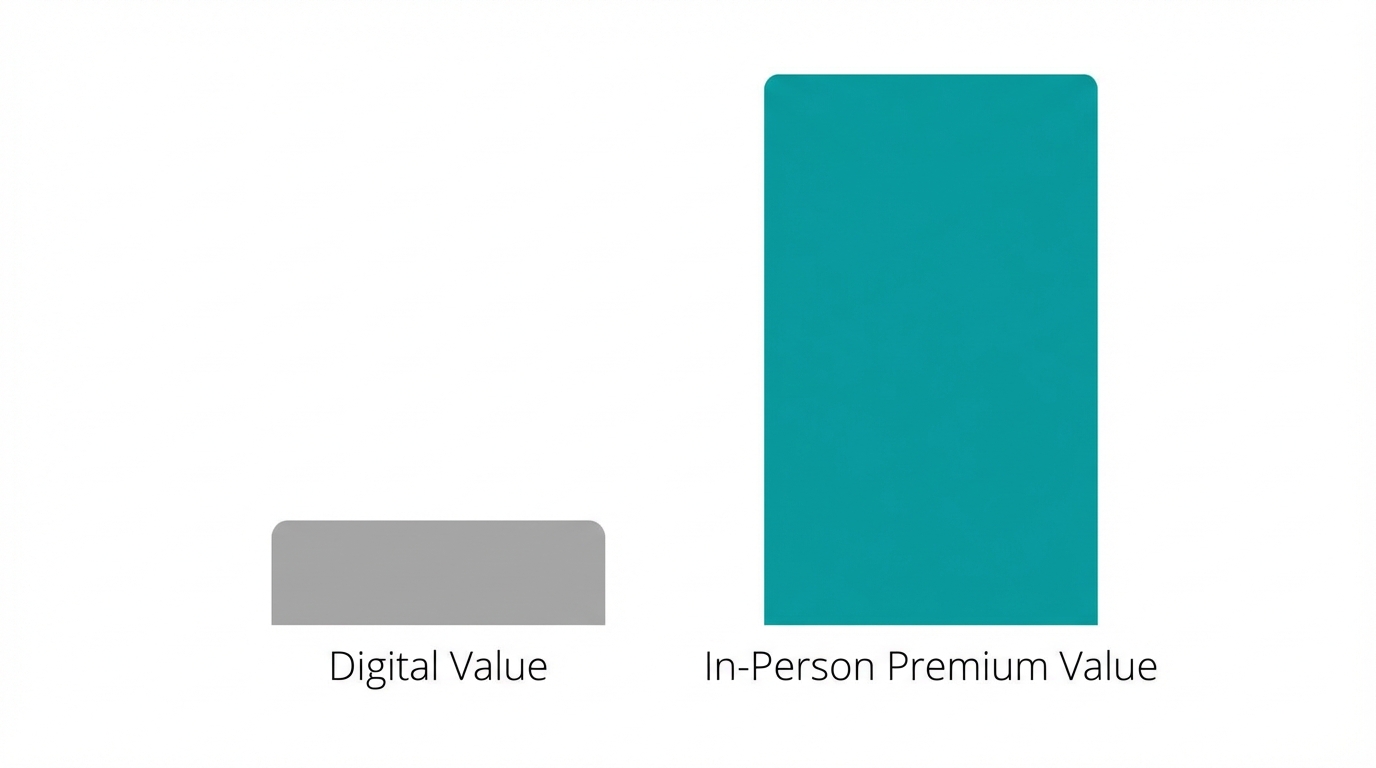
Why do people pay $14,300 for an in-person certification when the digital version costs $6,000? It comes down to perceived value and the "un-ignorable" nature of physical presence. In a world of infinite PDFs and ChatGPT-generated courses, digital content feels light and disposable. In-person immersion feels substantial.
When you host an event, you are providing total immersion. The customer knows they won't just be sitting at their computer for four hours before getting distracted by an email. They are paying for the enforced focus. Furthermore, you can offer a "satisfaction guarantee" similar to the ones used by Tony Robbins: if they aren't satisfied by the end of the training, they get a full refund. This removes the risk for high-spending clients and proves you are confident in the transformational power of the experience.
The 'Osmosis' Selling Point: Networking Over Curriculum
The secret that veteran event planners know is that the best parts of a retreat happen during the coffee breaks. You shouldn't over-schedule your attendees. In fact, you should explicitly market the "learning through osmosis" factor. This is the idea that just by being in a room with other high-level performers, you absorb their mindsets, habits, and connections.
Market your retreat as a place to "get out of your dirty cave" and engage in high-level improvisation and scenario-planning that can't be replicated on a Zoom call. This is particularly effective if you are targeting people who spend all day behind a screen. They aren't looking for more slides; they are looking for unstructured brilliance. Many successful companies, like ClickFunnels, use these in-person events to anchor their entire community and fund their backend software sales.
Leveraging Physical Scarcity and Tangible Assets

Digital scarcity is often perceived as fake. A countdown timer on a website is a "marketing shtick." However, a venue with only 35 beds has inherent, un-faked scarcity. Use this! When you announce that 50% of the tickets sold in the first week, people feel a genuine urgency to grab the remaining spots. Real scarcity drives the highest conversion rates.
To further enhance this feeling of value, incorporate physical assets. Take a page out of Alex Hormozi’s playbook—he famously sold physical folders of playbooks for thousands of dollars. Even if the content exists as a PDF, the physical format feels more valuable. Providing attendees with a high-quality, printed workbook or a physical "box of tools" at the retreat makes the entire experience feel more "legit" and less like a temporary digital transaction.
Managing the Outreach and Logistics
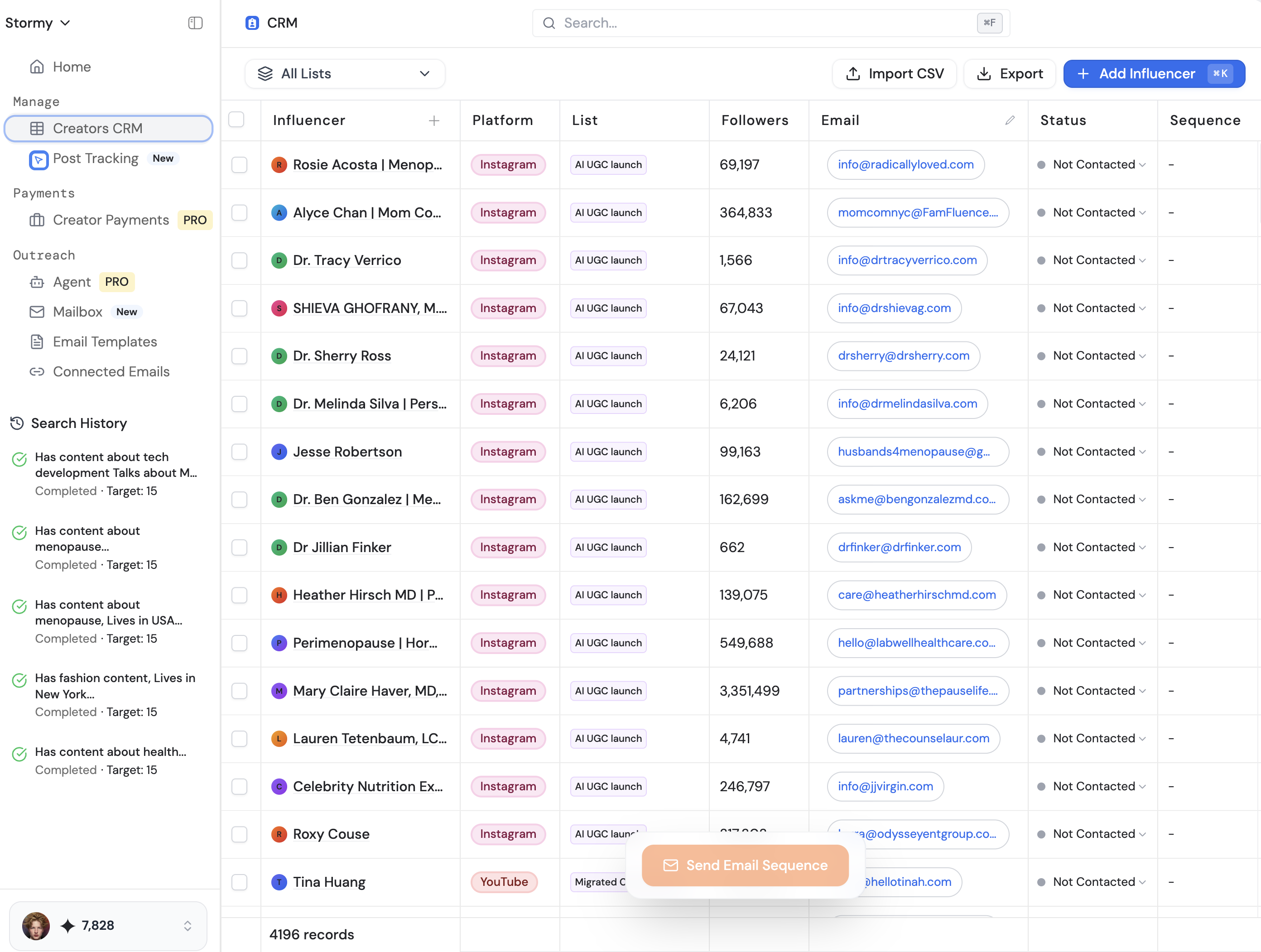
Building a million-dollar event business requires consistent outreach. You need to be messaging potential speakers, sponsors, and high-ticket attendees daily. This is where an AI-powered system becomes your best friend. While the event itself is the "anti-AI" product, the marketing engine behind it should be fully optimized.
Platforms like Stormy AI allow you to manage your creator and attendee relationships within a Creator CRM. You can set up an AI agent to handle the discovery and initial outreach to potential collaborators or high-profile guests while you sleep. By automating the "grunt work" of finding and vetting the right people, you can spend your time focusing on the creative direction of the retreat—choosing the dates, the Italian villa, and the high-level curriculum.
Conclusion: The Moat of the Real World
Hosting a high-ticket business retreat is inconvenient. It requires travel, logistics, and physical presence. But that inconvenience is exactly why it is such a powerful competitive moat. While your competitors are hiding behind automated webinars and AI-generated bots, you are building deep, unshakeable loyalty with your customers in the real world.
Whether you are renting a WeWork space for a one-day intensive or a whole village for a five-day immersion, the formula remains the same: Priority location, DM-validated sales, and the power of osmosis. Start by picking a date, finding a location that makes people salivate, and sending those first five DMs. The real world is waiting.