In the fast-moving landscape of 2026, the biggest bottleneck for artificial intelligence isn’t just raw computing power anymore—it’s vision. While large language models (LLMs) have become incredibly sophisticated, many are still effectively "blind" to the live web. To provide real-world value, AI needs hands to navigate and eyes to see the current state of the internet. This is why 2026 has become the year of the web data layer. For entrepreneurs, this shift represents an "AWS moment" for web data, where complex scraping infrastructure has been replaced by simple API calls.
By leveraging tools like Firecrawl AI, builders are no longer spending weeks writing custom scrapers or managing proxy rotations. Instead, they are focusing on building high-margin, verticalized SaaS products that solve specific problems for niche industries. If you are looking to build in 2026, the opportunity lies in moving away from horizontal giants like Indeed or SEMRush and toward focused, autonomous agents that deliver structured insights in seconds.
"AI is smart, but it’s blind. Firecrawl gives your AI eyes and hands to see the internet, grab data, and perform tasks that previously required thousands of lines of code."
The AWS Moment for Web Data
 9:51
9:51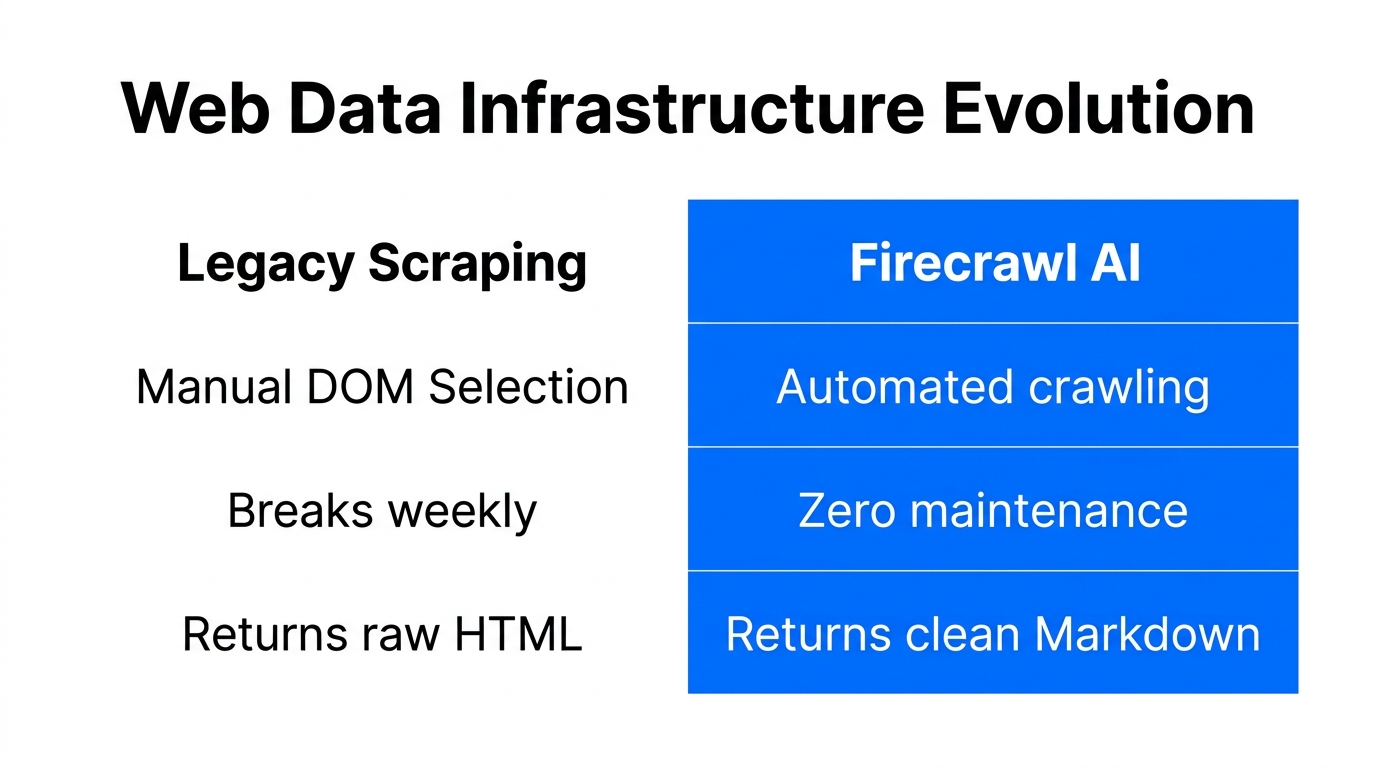
To understand why Firecrawl is a game-changer, we have to look back at 2006. Before AWS, if you wanted to launch a web app, you had to buy physical servers, manage cooling, and pray the cables didn't fail. AWS turned that headache into a single API call. In 2026, Firecrawl is doing the exact same thing for web data. Traditional scraping involved managing Playwright or Selenium instances, handling anti-bot detection, and manually parsing messy HTML that broke the moment a website changed its layout.
Firecrawl provides what is known as the Web Data Layer. It allows an AI agent to crawl an entire site, map all URLs, and return clean, structured Markdown or JSON. This data is the "new oil" for the AI agent era. Whether you are using Claude, GPT-5, or specialized models, they all require top-tier context to provide accurate outputs. By integrating Firecrawl into your stack, you can create software that is 10 times smarter because it is fueled by real-time, high-fidelity data.
| Feature | Old-School Scraping (2022-2024) | Firecrawl AI (2026) |
|---|---|---|
| Setup Time | Days to Weeks | Seconds (1 API Call) | Maintenance | Manual fixes when CSS changes | AI-powered layout adaptation | Output Format | Messy HTML/CSV | Clean Markdown or Structured JSON | Anti-Bot | Requires complex proxy management | Built-in stealth & proxy rotation |
1. Niche Sneaker & Collectible Resale Monitors
While massive platforms like StockX and Goat exist, they are generalist. In 2026, the money is in vertical hyper-specialization. You can build a high-margin business by creating auto-alerts for specific sub-niches—like vintage 90s basketball shoes or rare TCG cards—that monitor StockX, eBay, and local boutique sites simultaneously.
Using the Firecrawl browser sandbox, your agent can handle login states and navigate pagination to find the absolute lowest prices the moment they are listed. Instead of a $10/month generic app, you can charge professional resellers $50 to $500 a month for a dedicated "deal hunter" agent that never sleeps. The economics are simple: your cost is pennies in Firecrawl credits, while your customer’s ROI is thousands in flip profit.
2. SEO Gap Finder for Local Service Businesses
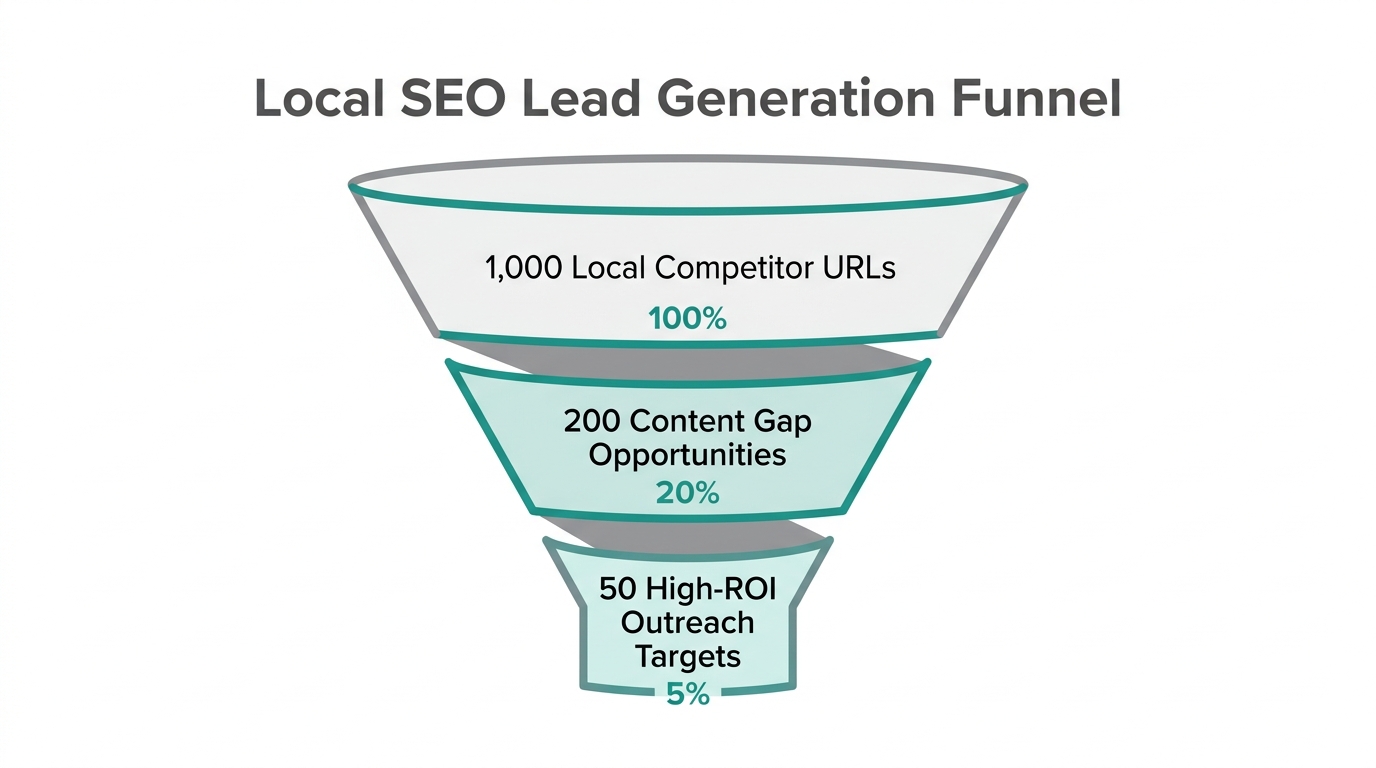
Platforms like SEMRush and Ahrefs are powerful but often too complex and expensive for a local dentist or plumber. You can use Firecrawl to build a one-click SEO audit tool specifically for vertical niches. Imagine a "Dentist SEO Agent" that crawls a client's site plus their top five local competitors, cross-references Google Maps listings, and produces a plain-English report in 30 seconds.
Firecrawl's /map endpoint can instantly discover every page on a competitor's domain, identifying which service pages they have that your client lacks. You can sell these reports for $200 each or a $50/month monitoring subscription. The barrier to entry is low because Firecrawl handles the heavy lifting of extracting the metadata, while you focus on the industry-specific insights.
3. Autonomous Niche Job Aggregators
17:06Horizontal job boards like Indeed are flooded with noise. In the current 2026 economy, specialized talent is looking for highly specific roles—such as "Remote AI/ML Security Engineers" or "UGC Growth Hackers." You can use Firecrawl to monitor the career pages of 500+ top tech companies daily.
An AI agent can then filter these jobs by a proprietary "fit score," analyzing the markdown text retrieved by Firecrawl to ensure the job matches the user's requirements. By charging a $29/month premium for instant Slack or Telegram alerts, you create a low-churn, high-margin subscription business. You aren't competing with Indeed on volume; you are competing on precision and speed.
"The riches are in the niches. Nobody wants to browse 300 million job listings; they want the 5 that actually matter to their career."
4. Crypto Token & DeFi Due Diligence Agents
For Venture Capitalists and private equity firms, data speed is everything. You can build a due diligence engine that uses Firecrawl to scrape whitepapers, GitHub repositories, and developer sentiment from specialized forums. This isn't just a broad search; it's a deep-dive extraction tool.
By feeding this clean data into an LLM, you can generate an automated risk score for new crypto tokens. A VC firm will gladly pay $1,000 to $5,000 per month for a tool that saves them from a bad $500,000 investment. Using research platforms like Product Hunt or specialized crypto trackers, you can spot these emerging trends before they hit the mainstream, giving your users a significant head start.
5. Real Estate Comp Report Agent
18:42Real estate agents spend hours manually checking Zillow, tax records, and local permit filings to create "comps" (comparable property reports). You can build an Agent-in-a-Box specifically for realtors. Using Firecrawl’s agent endpoint, your software can pull the latest listings and tax data, summarize it, and generate a professional PDF in 30 seconds.
This is a classic example of selling the output rather than the software. Realtors don't want to learn how to use a new dashboard; they want a report they can send to a client. By pricing this at $300 a month for unlimited reports, you are replacing a task that would otherwise cost them thousands of dollars in assistant hours. Companies like Salesforce or specialized CRMs can manage the relationship side, but Firecrawl provides the specialized data that makes the CRM valuable.
| Niche | Data Sources | Price Point |
|---|---|---|
| Real Estate | Zillow, Tax Records, MLS | $300/mo | Amazon FBA | Competitor reviews, Price changes | $99/mo | SaaS Sales | LinkedIn, Company Career Pages | $500/batch |
6. Amazon FBA Review Intelligence
19:13If you’re an Amazon seller, knowing exactly why your competitor’s product is failing (or succeeding) is the ultimate advantage. While generic sentiment tools exist, they often miss the nuance of technical complaints. You can build a tool that uses Firecrawl to monitor competitor reviews daily and uses AI to spot actionable gaps.
For example, your agent might detect that "battery life" complaints for a specific drone have increased by 40% in the last month. You then sell this intelligence to competing sellers for $99/month. This is a high-margin play because once the scraper is set up, it runs autonomously, and the data delivery can be fully automated via Zapier or Make.
7. Influencer Enrichment for UGC Agencies
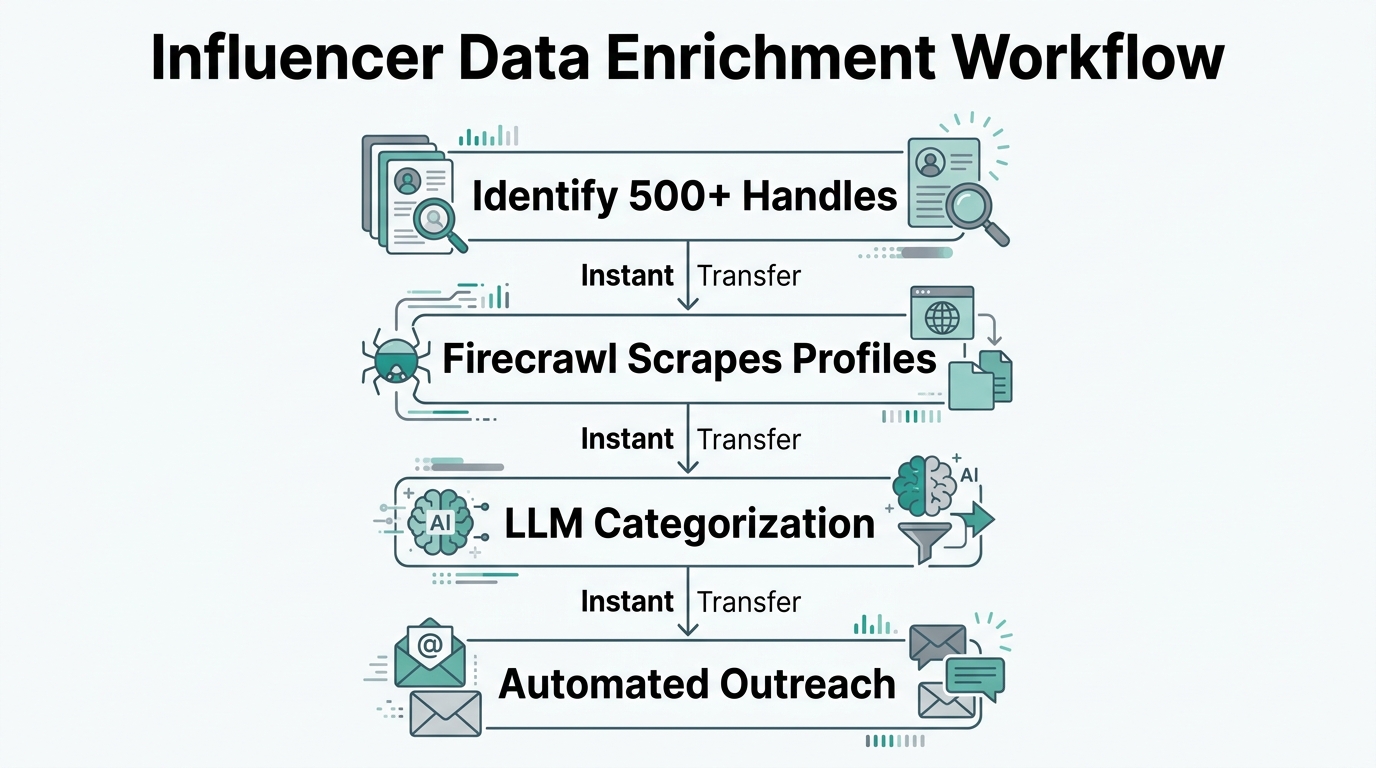
Agencies are constantly looking for new talent for their app install campaigns. While manual sourcing is slow, you can build a lead gen business that delivers enriched CSVs of creators. By using Firecrawl to find creator emails and social stats, you can deliver a structured database of influencers in a fraction of the time it takes an intern.
For brands that need a more comprehensive solution, platforms like Stormy AI already streamline this by providing an AI search engine across TikTok, YouTube, and Instagram. However, you can build a specialized niche service around one specific vertical—like "micro-influencers for eco-friendly skincare"—and charge a premium for the curated outreach. Pair your Firecrawl-powered data with an outbound tool like Instantly or Apollo to create a full-service growth engine.
"Data is the new oil, but structured data is the refined gasoline that actually powers the AI engine."
The Playbook: How to Build Your AI Startup This Week
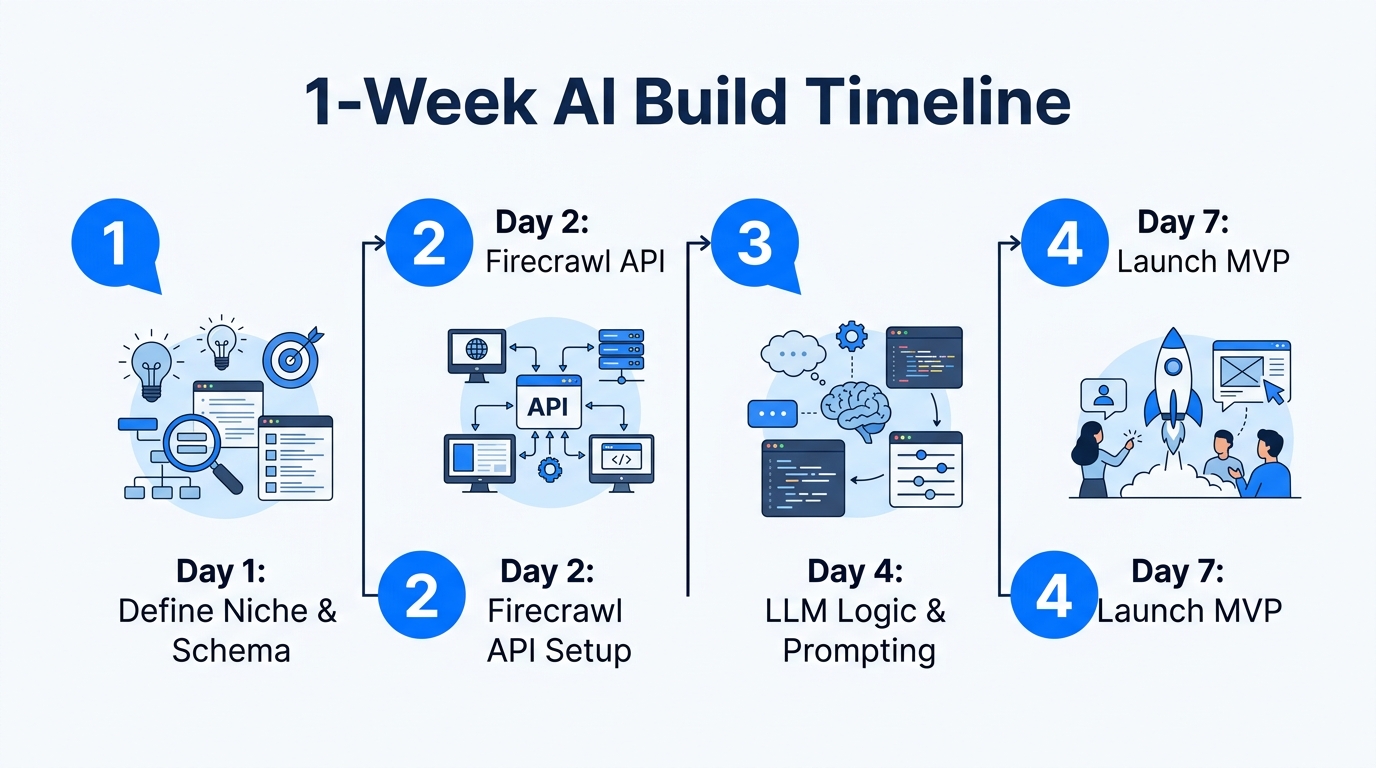
Building with Firecrawl in 2026 doesn't require a massive engineering team. In fact, most of these ideas can be prototyped in a weekend using "vibe coding" or low-code tools. Here is the step-by-step framework to get your high-margin business off the ground:
- Pick a Niche: Identify an industry where people are already paying for data (Real Estate, Finance, E-commerce). Ask: "What data is critical for them to make money?"
- Build the Scraper: Use the Firecrawl
/crawlor/scrapeendpoint. You can set this up with a simple Python script or even a Notion integration to store the results. - Package the Output: Decide how the customer wants the data. Is it a CSV? A weekly email? A Slack alert? A dashboard built on Framer?
- Sell the Value, Not the Tech: Don't sell "web scraping." Sell "Real Estate Comp Reports" or "Competitor Price Alerts." Focus on the ROI for the customer.
- Automate & Scale: Use a tool like Obsidian or Linear to track your development progress and set your agents to run on a schedule.
The Future: Hiring AI Agents
We are entering a world where companies are literally hiring AI agents as employees. Firecrawl itself recently posted a job for an "AI Agent Example Creator." This is not a joke—it’s the reality of the autonomous economy. By building products around the Firecrawl web data layer, you are creating the very agents that companies will soon be "hiring" at $5,000 per month salaries. Whether it’s a content creator agent, a customer support agent, or a lead gen specialist, the foundation is high-quality, clean web data.
If you're ready to start discovery, tools like Stormy AI can help you find the creators and trends you need to fuel your marketing, while Firecrawl provides the technical backbone for your data-driven SaaS. The AWS moment for web data is here—it's time to build.