In 2026, the divide between the top 1% of ecommerce brands and everyone else isn't just about ad spend or product quality. It’s about agency. As Shopify CEO Tobi Lütke and COO Kaz Nejatian recently discussed in their Shopify Masters segments, the future belongs to those with high agency — those who don't just react to the world but actively make a dent in it. In a world where AI has commoditized basic tasks, the most valuable asset an ecommerce operator has is fluid intelligence: the ability to solve cross-functional growth problems without being confined to a rigid 'role.'
But how do you maintain that high agency when you're buried under a mountain of daily operations? How do you scale a TikTok Shop presence and a Shopify store without becoming a full-time professional email-sender? The answer lies in the AI ecommerce employee. This isn't just another SaaS tool; it's a teammate like Stormy AI that operates your back office with the same proactive, non-standard thinking required of a modern founder.
The Shift from Reactive to High Agency Ecommerce
 4:00
4:00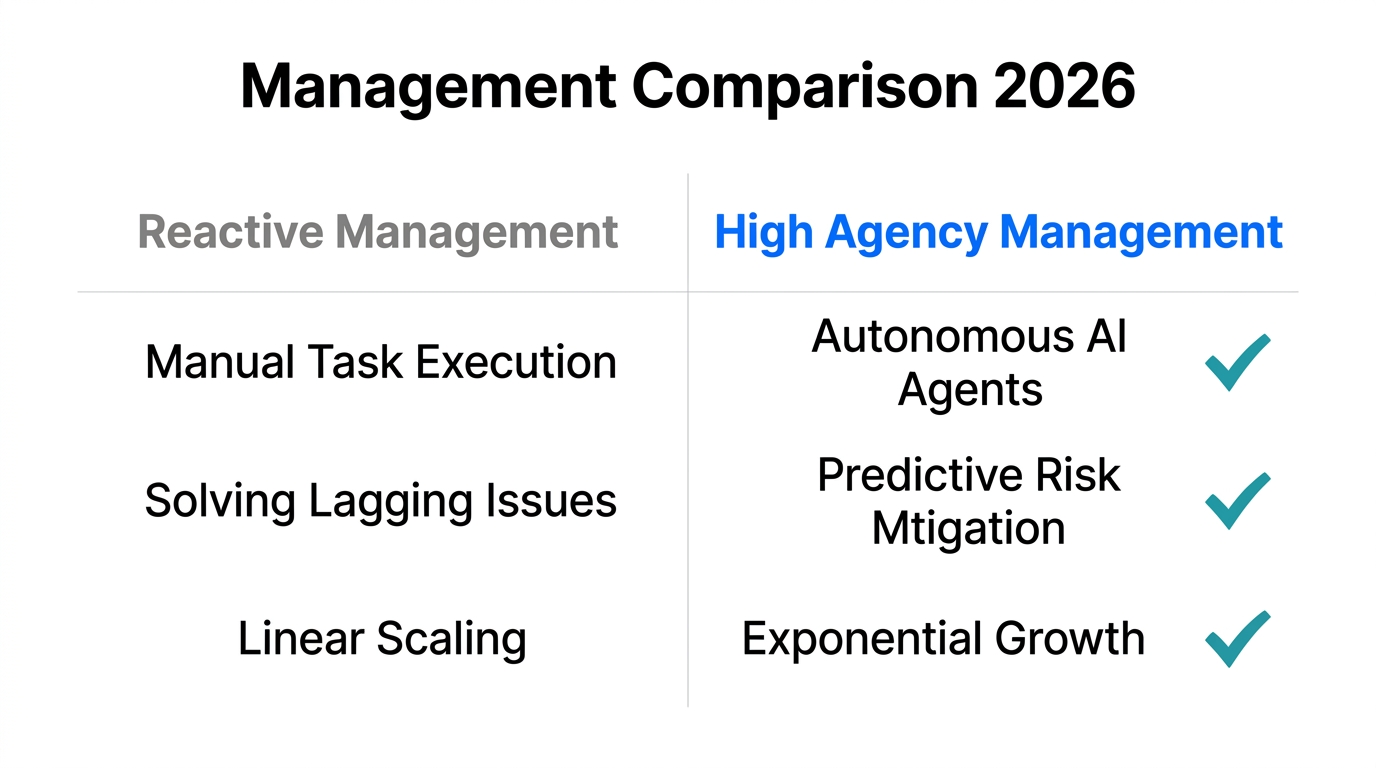
Most ecommerce management is reactive. You wait for a stockout alert to email a supplier. You wait for a customer complaint to check your shipping carrier. You wait for sales to dip before checking your Meta Ads Manager performance. In 2026, reactive management is a death sentence for growth.
High agency ecommerce, by contrast, is characterized by proactive intervention. It’s the "Day One" mentality applied to logistics and marketing. Instead of waiting for things to go wrong, high agency operators use AI agents to constantly poll their systems for signal. According to Gartner’s 2026 retail forecasts, the goal is to set up an information architecture where you synthesize massive amounts of data from Google Ads, Shopify, and TikTok to force decisions quickly.
"High agency is the ability to find a way through any obstacle. It's the difference between asking 'what should I do?' and saying 'I did this because I saw a problem coming.'"
Fluid Intelligence: Stepping Out of Rigid Roles
1:30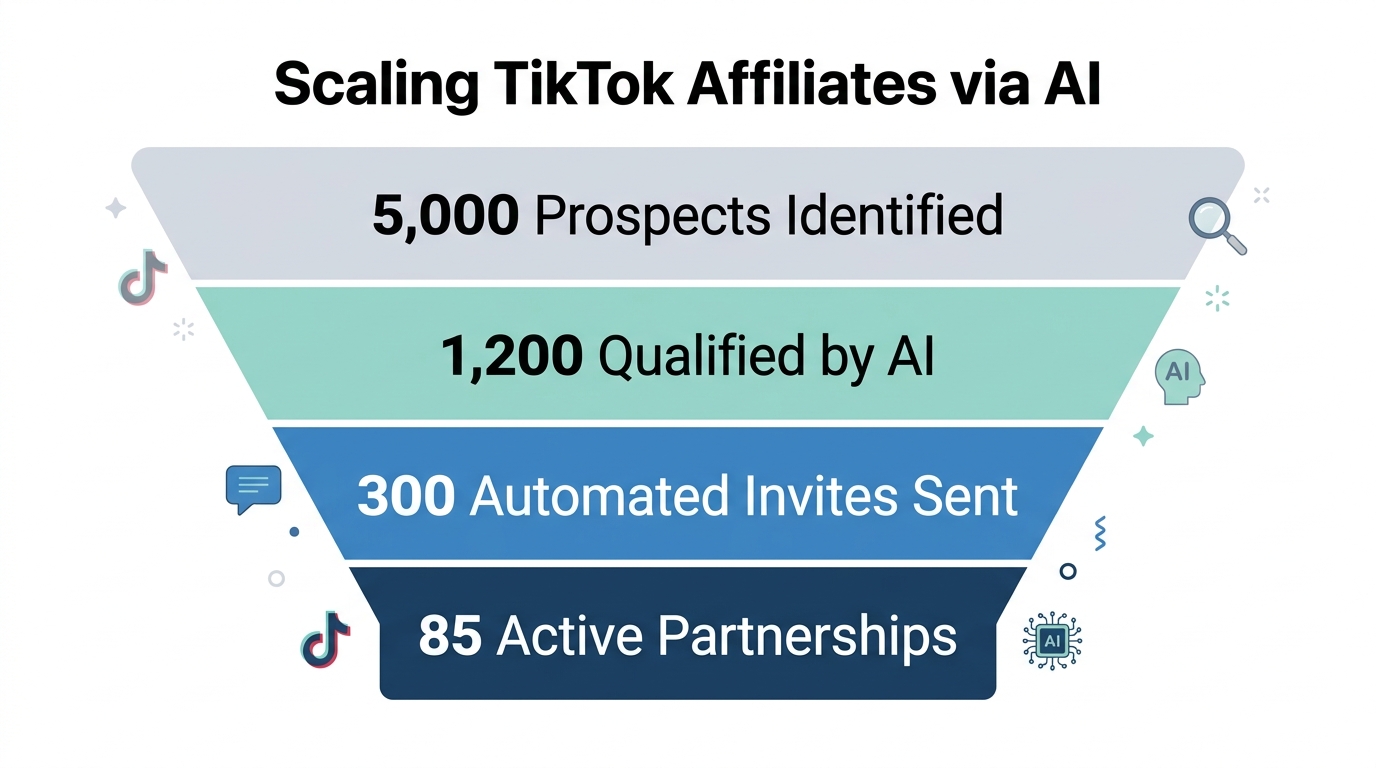
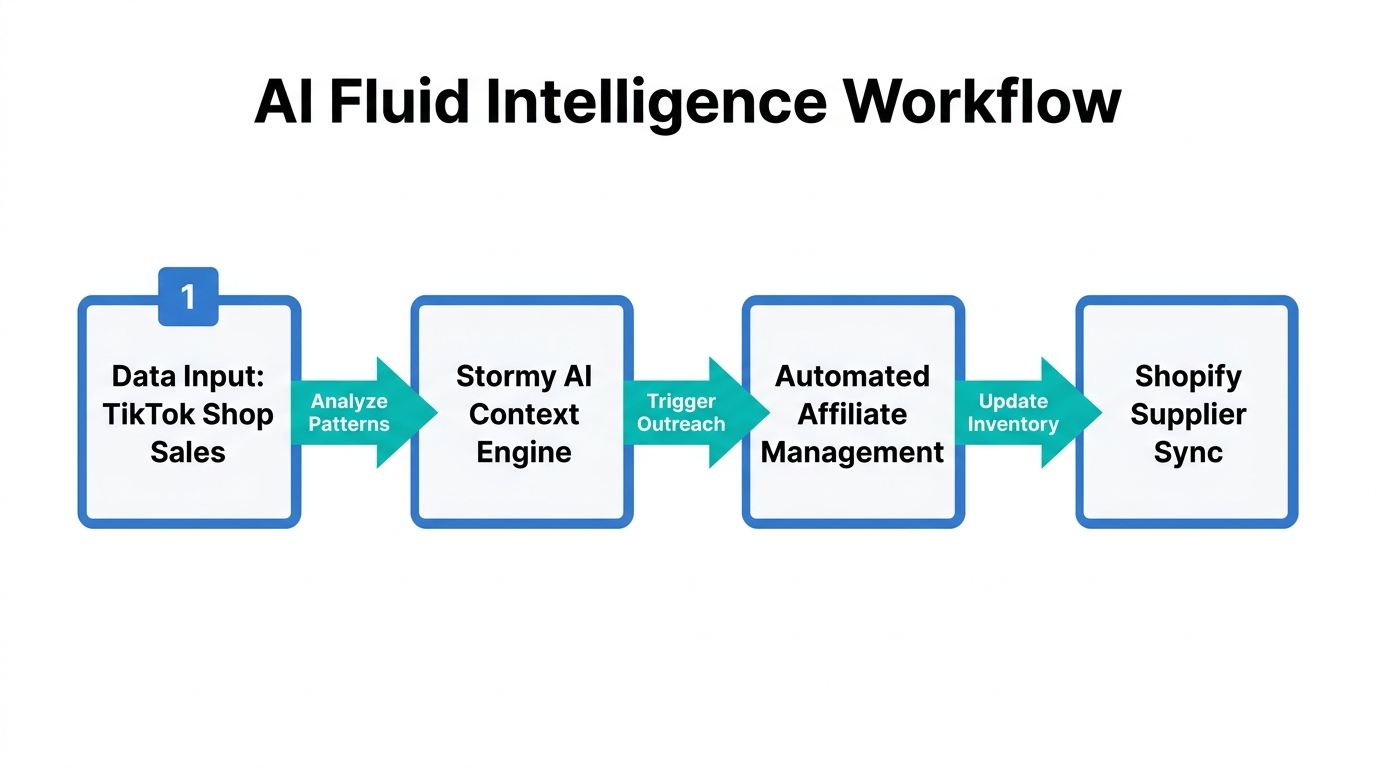
The latest research on the future of work suggests that in 2026, the traditional concept of "roles" is fading. We are moving toward a world of generalists. If you are excellent in one area, you can now use AI to be excellent in others. This is the core of fluid intelligence — the ability to acquire knowledge and apply it across different domains without the baggage of prior training. In the context of a modern startup founder, this means being able to jump from inventory forecasting in a spreadsheet to drafting influencer outreach in a single afternoon.
An AI ecommerce employee like Stormy AI mimics this fluid intelligence by managing your Klaviyo flows, checking supplier lead times on Flexport, and monitoring Notion task boards simultaneously. By offloading the "standard" work to an autonomous agent, you reclaim the bandwidth to innovate on the non-standard problems that actually move the needle for your brand.