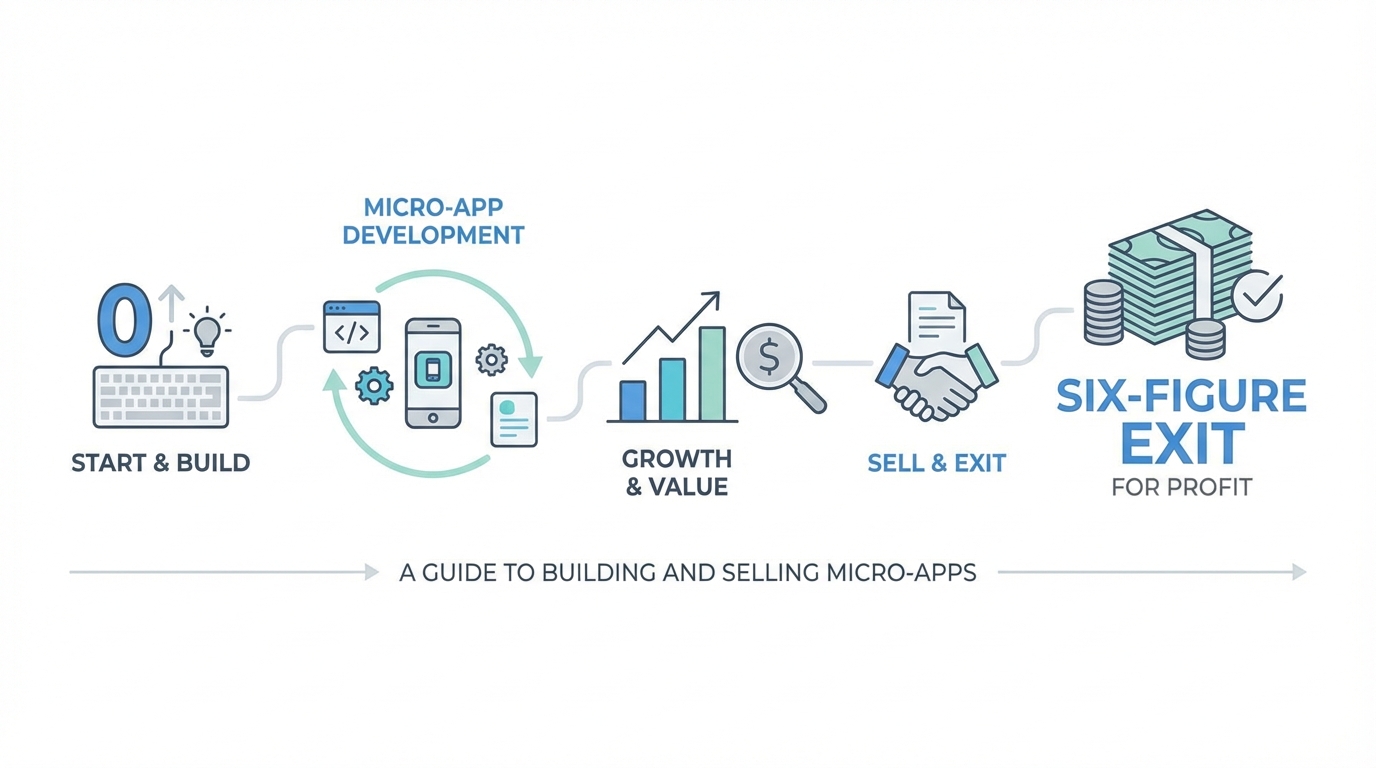
While most founders are burning the midnight oil trying to invent the next Facebook, a new breed of serial entrepreneurs is quietly building wealth by focusing on the "quick win." Instead of chasing a billion-dollar valuation that may never come, these developers are mastering the art of the micro-saas acquisition. By building apps specifically designed to be sold, they create a repeatable system for generating six-figure payouts every six to twelve months. This strategy isn't about beginner's luck; it’s about a systematic approach to market arbitrage, viral growth, and knowing exactly when to sell my app to the highest (or fastest) bidder. In this guide, we will break down the exact playbook used to turn simple concepts into $120k ARR assets that sell in as little as one week.
The "First Nut" Philosophy: Why Your First Goal Shouldn’t Be a Unicorn
The biggest mistake first-time founders make is trying to build a complex, world-changing product right out of the gate. In the world of micro-apps, the goal is to "get your first nut." This means focusing on a win in the $5k to $10k Monthly Recurring Revenue (MRR) range. Achieving this level of success provides the capital and, more importantly, the psychological confidence to take bigger swings later. When you aim for a modest but profitable target, you are forced to strip away unnecessary features and focus on what actually drives revenue.
A great example of this is the story of PrayScreen, an app that hit $120k ARR within just six months. It didn't reinvent the wheel; it took a working concept from existing productivity tools like One Sec and applied it to a specific, underserved niche: Christians who want to pray more. By narrowing the focus, the founder was able to dominate a specific keyword set and achieve a 60% Day 30 retention rate. Platforms like Stormy AI are instrumental in this stage, allowing founders to quickly find UGC creators who can speak directly to these niche audiences without the massive overhead of a traditional marketing agency.
Market Arbitrage: Finding What Works and Making it Better

You don't need a brand-new idea to have a successful startup exit strategy. In fact, it's often safer to look at what is already working in the general market and translate it for a different industry or demographic. If you see an app like Opal making millions by helping people manage screen time, ask yourself: "Who else needs this?" This is exactly how PrayScreen was born. The founder saw that users were willing to pay to have their social media apps blocked for a few seconds of breathing; he simply changed the "breathing" to "praying."
This strategy of "niche-wrapping" is highly effective. Another founder took the surge in AI interest and created Magic Music by wrapping the capabilities of Suno AI into a user-friendly mobile interface within four days of the technology being announced. Success in this model depends on speed. You want to be the first or second mover in a niche before the App Store becomes saturated with 70+ similar listings. Using an Stormy AI search engine can help you identify trending content formats in these niches before they go mainstream, giving you a significant head start on your competition.
The UGC Marketing Playbook: Viral Content to Low-Cost Installs
For micro-apps, organic growth on TikTok is the engine that drives the app valuation guide upward. The secret isn't just posting videos; it's finding a "hook" that generates high engagement, even if that engagement is slightly controversial. This is known as "rage baiting" or "comment funneling." For example, an app called Toxic Traits used screenshots of text conversations to analyze "red flags." By showing results that were intentionally ambiguous, the creators sparked arguments in the comments section, which the TikTok algorithm rewarded with millions of views.
Step 1: Focus on the Emotion
Identify the single emotion you want the user to feel. Whether it's the peace of a prayer app or the indignation of a "toxic trait" scan, every video should double down on that feeling. High-performing videos often feature a high-quality "splash screen"—the first animation a user sees when opening the app. This builds brand recognition instantly without forcing the viewer to sit through a boring onboarding tutorial.
Step 2: Repurpose Organic Wins into Paid Ads
Once a video goes viral organically, it has already been "vetted" by a general audience. Take that exact creative and put it into Meta Ads Manager. Because the content has already proven it can hold attention, you will often see Cost Per Install (CPI) as low as $0.39 to $0.70 in the US market. Using Stormy AI to vet creators for your ad campaigns ensures you only partner with accounts that have genuine, high-quality engagement. Most developers are happy with a $1.50 CPI, so achieving sub-dollar installs creates a massive profit margin that buyers find irresistible during the acquisition process.
Step 3: Target Follower Lookalikes
If you are building for a specific community, use X (formerly Twitter) Ads to target followers of key influencers or leaders in that space. For a Christian app, targeting the followers of celebrity pastors can lead to highly relevant users at a fraction of the cost of broad targeting. This hyper-specific marketing shows potential buyers that you understand your user base and have a predictable customer acquisition cost (CAC).
Building for Buyers: Why You Should Leave "Meat on the Bone"

A critical part of a successful micro-saas acquisition is making the app attractive to the next owner. While it may seem counterintuitive, you should actually avoid doing everything yourself. Professional buyers, such as private equity firms or seasoned operators, are looking for "growth levers" they can pull to immediately increase the app's value. One of the best ways to do this is to avoid internationalization.
If you only launch in the US market, you can tell a buyer: "We are making $10k MRR in the US, and we haven't even touched the Philippines, Canada, or Brazil yet." To a buyer who specializes in scaling, this represents a low-risk opportunity to double the revenue just by translating the app. If you have already optimized every possible market, the buyer has less room to create their own ROI, making your app less desirable. Always leave some clear, easy-to-execute growth strategies on the table to sweeten the deal.
The 3-Month Consistency Rule: Revenue Analytics Buyers Trust
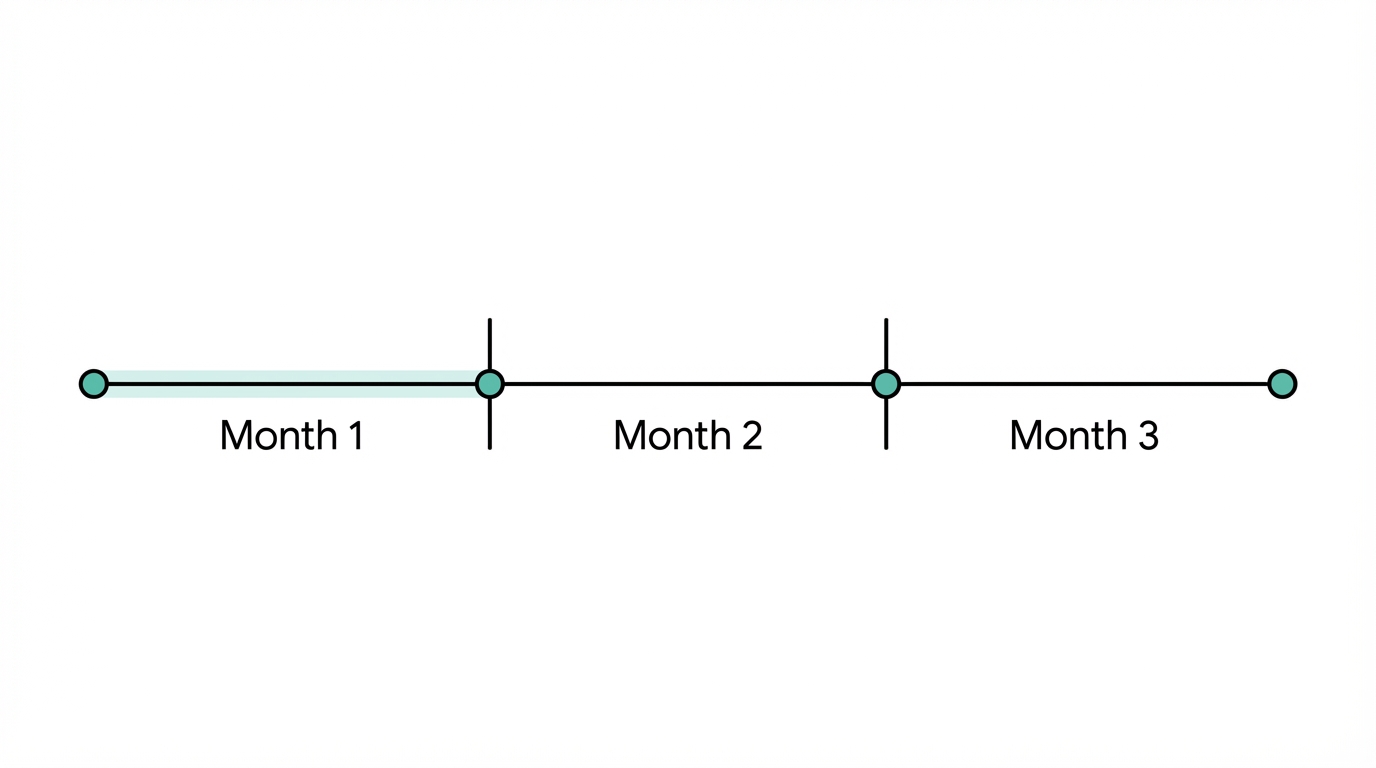
When you prepare to sell my app, the first thing a buyer will ask for is a look at your revenue analytics. Buyers are generally looking for at least three months of consistent revenue. They don't want to see a massive spike followed by a total collapse; they want to see that your growth is sustainable. Tools like Superwall are excellent for managing paywalls and providing the clean, transparent data that acquisition experts require.
If your app has high retention but low conversion to paid plans, don't panic. You can still show value by implementing in-app ads. For example, if you have a 60% retention rate but only a 2.5% conversion to a premium subscription, you are essentially telling 97.5% of your users to leave for free. By serving interstitial ads to that free tier, you can generate $0.05 per user per day. Over a month, that adds up to $1.50 per user—often more than covering your $0.50 acquisition cost. Demonstrating this kind of diversified revenue stream significantly boosts your app valuation guide metrics.
Speed Over Price: The Serial Entrepreneur’s Secret
In the world of business brokerage for apps, many deals fall through during the long due diligence process. A common mistake is holding out for the absolute highest multiple, which might be 5x or 6x ARR, only to have the buyer back out after three months of negotiations. If you are a serial builder, your most valuable asset is time. Accepting a 3x or 4x multiple from a buyer who can close in one week is often a smarter move than waiting for a 6x multiple that takes six months to finalize.
Closing quickly allows you to take that capital and immediately pour it into your next project. If you can flip three apps in the time it takes someone else to sell one, your total career earnings and skill development will be vastly superior. To facilitate a fast close, ensure all your documentation is ready, including your marketing creatives, Google Ads reports, and Apple Search Ads data. Having a "turnkey" package makes it easy for a buyer to say yes.
The Advisory Handoff: Sweetening the Acquisition Deal
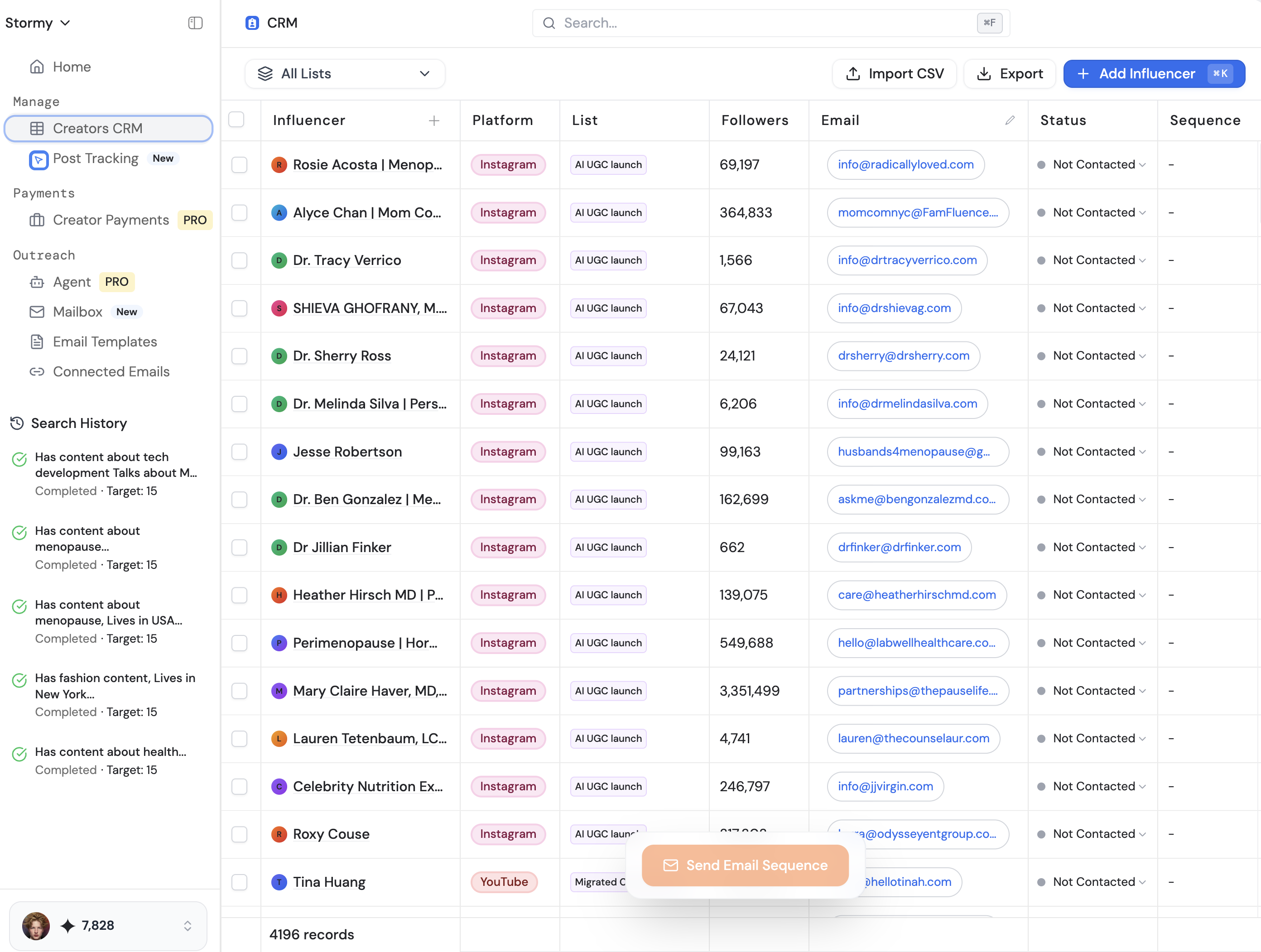
To secure a premium price and a smooth exit, offer the buyer a 1-2 month transitionary advisory period. This reduces the risk for the buyer, especially if they are not familiar with your specific niche or marketing channels. During this time, you can show them exactly how you manage your creator CRM and outreach via Stormy AI, how you respond to App Store reviews for App Store Optimization (ASO), and how to refresh ad creatives when they begin to fatigue.
This period isn't about doing the work for them; it's about being an expert consultant who ensures the asset continues to perform. It builds trust and can often lead to future deals. Many buyers are repeat acquirers; if you make their life easy on the first transition, they will likely come straight to you the next time you have an app for sale, bypassing the need for a broker entirely.
Conclusion: Building Your Exit Factory
Building micro-apps for profit is a game of discipline and market awareness. By focusing on the "first nut" of $5k-$10k MRR, leveraging viral UGC formats, and building with the buyer's needs in mind, you can create a literal "exit factory." Don't get bogged down in trying to build the perfect product. Focus on speed, scalability, and consistency. Whether you're using Stormy AI to automate your influencer discovery or scaling a mobile app via TikTok, the goal remains the same: create value, prove it with data, and exit quickly to start the next adventure. The path from 0 to a six-figure exit is shorter than you think if you follow a proven system.