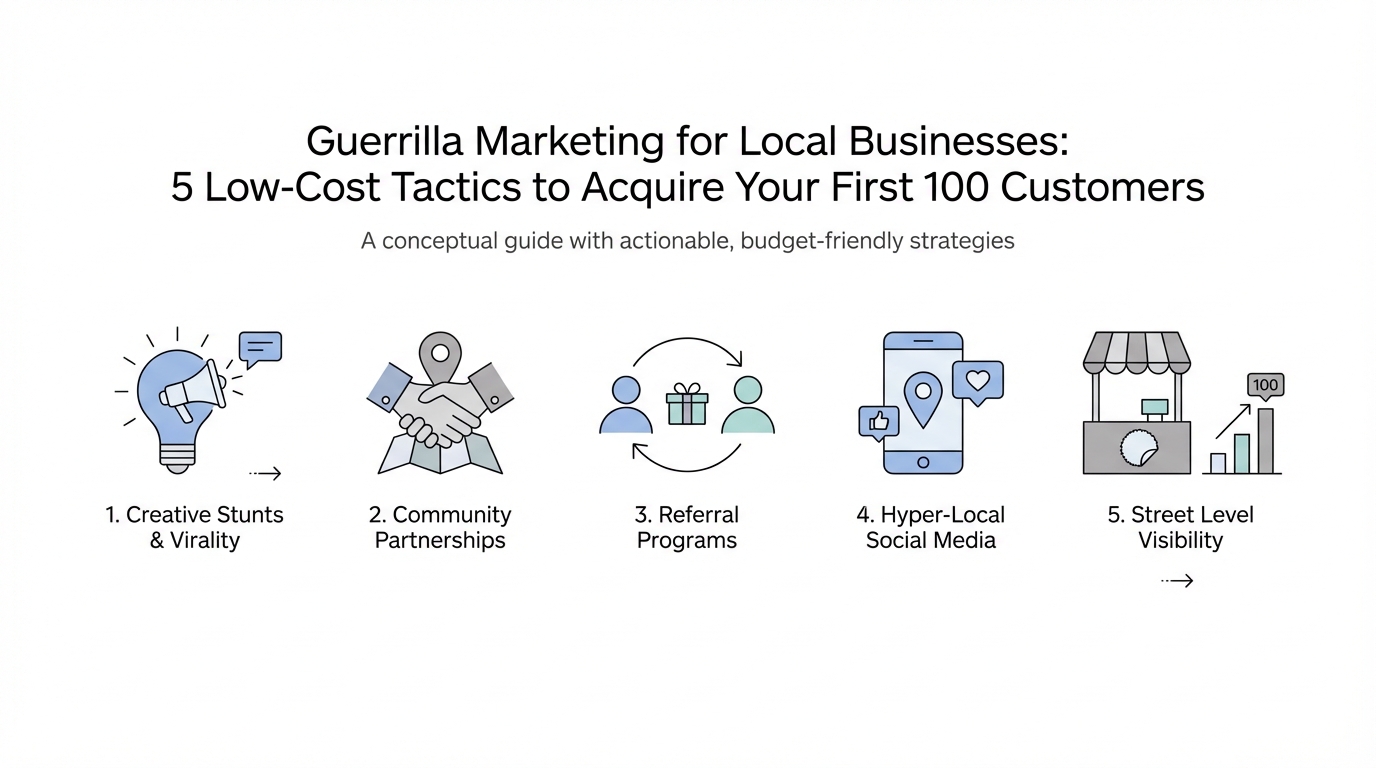
When most entrepreneurs think of high-growth startups, they envision Silicon Valley office spaces, venture capital rounds, and complex SaaS architectures. However, a new wave of "sweaty startups" is proving that some of the most consistent wealth is built in "boring" industries like HVAC, storage, and local services. To win in these markets, you don't need a million-dollar ad budget; you need guerrilla marketing for local businesses that leverages physical presence and hyper-local trust. If you are looking for customer acquisition for small business, the key is to move away from the noise of digital competition and toward the high-intent physical paths where your customers already walk.
1. The Sidewalk Chalk Method: Mapping Customer Foot Traffic
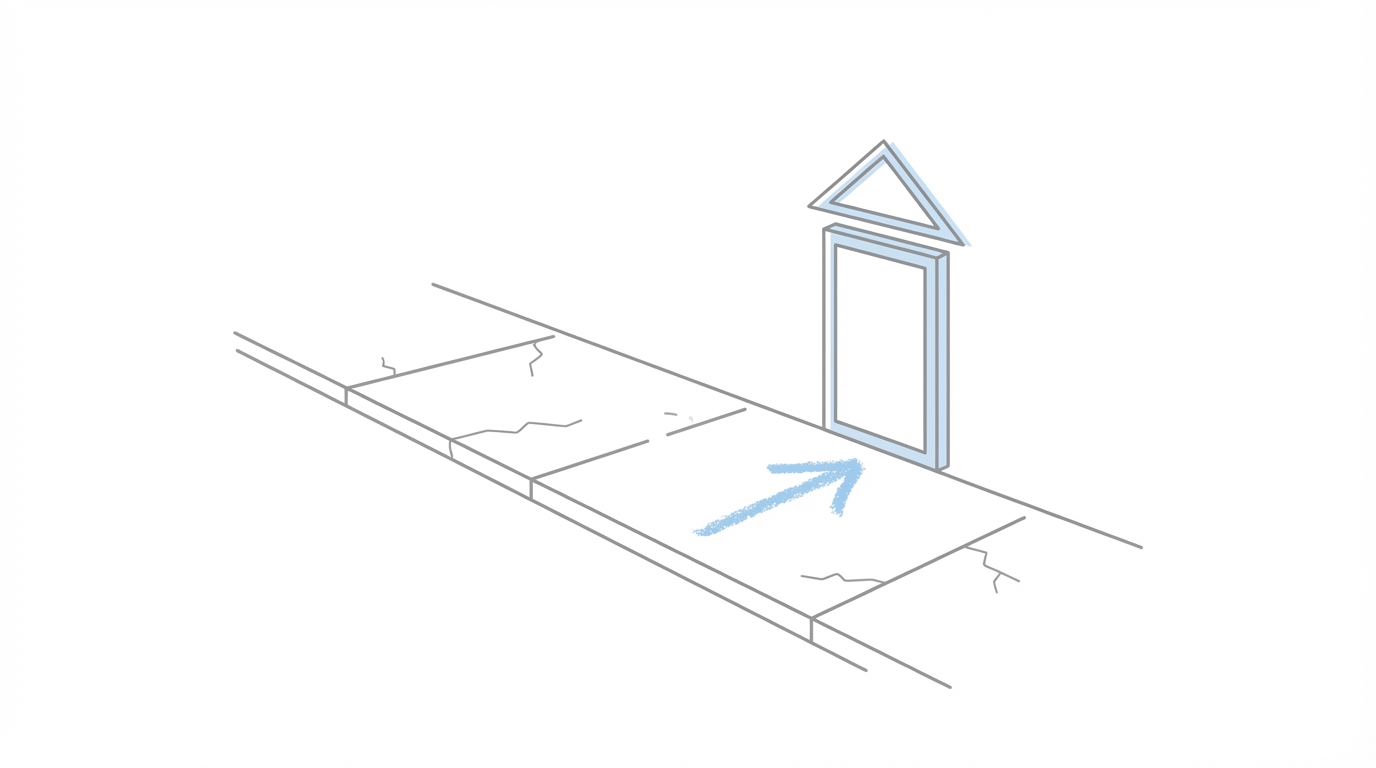
The most effective local business marketing ideas often cost less than a cup of coffee. Nick Huber, founder of the Sweaty Startup, built a multi-million dollar storage business, Storage Squad, using nothing but sidewalk chalk and a deep understanding of customer behavior. By identifying the exact bridges and paths where students walked from their dorms to their classes, he was able to place his offer directly in their line of sight thousands of times.
Huber suggests that guerrilla marketing examples like this work because they target "high-intent conversion." For his storage business, he didn't just write a name; he wrote a clear offer: "Need storage? 29.99 per box all summer." He personally wrote that ad over 5,000 times, burning through hundreds of boxes of chalk and wearing holes in his jeans. This bootstrap approach allowed the business to reach $2.2 million in annual revenue before they ever spent a dime on digital ads or Meta Ads.
The Sidewalk Chalk Playbook:
- Identify the Bottleneck: Find a physical location (a bridge, a specific subway exit, a popular coffee shop path) where your target audience passes daily.
- Draft a Clear, Low-Friction Offer: Use a price-anchored headline that solves an immediate problem.
- Execute with Volume: Guerrilla marketing is a numbers game. You must be willing to refresh your message frequently as it wears away.
2. Bandit Signs and Dominating Your Local Zip Code
While digital marketing becomes more expensive, offline placements like bandit signs remain a dominant force for how to get local customers. A simple corrugated plastic sign placed at a busy intersection can drive 30 to 40 new customers in a single season. For a lawn care business, this volume can represent a 30% annual growth rate with minimal overhead. The goal is to make your brand the only one a neighbor sees when they are thinking about their home maintenance.
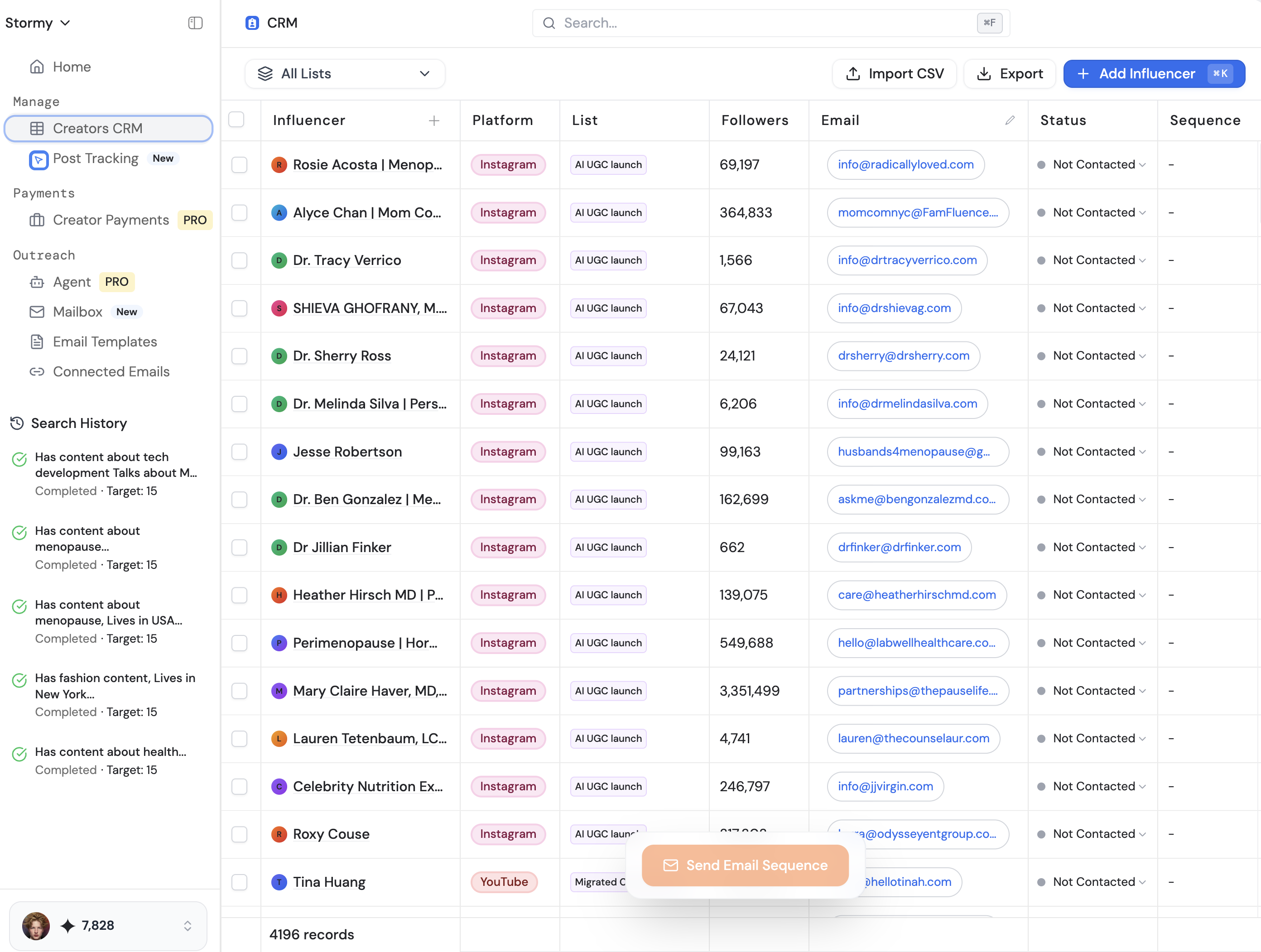
Nick Huber’s brother runs a lawn care company that relies almost exclusively on these signs during the peak months of April and May. This strategy allowed him to earn over $100,000 in a year while spending the winter months fishing. Success with bandit signs requires consistency and a professional yet "local" feel. Using a tool like Notion or a dedicated CRM to track which intersections yield the most calls is essential for optimizing this low cost marketing for startups. Be sure to check local sign ordinances to ensure your placements are compliant with city regulations.
3. The 'Foot-in-the-Door' Strategy: The Trojan Horse of Services
One of the most powerful local business marketing ideas is to offer a high-frequency, low-barrier task that naturally leads to a high-ticket recurring service. A prime example is firewood delivery. Most firewood delivery services provide unseasoned wood that doesn't burn well. By offering a premium service—building seasoned wood racks on-site for $800 to $1,000—you establish immediate trust with a high-value homeowner.
This is a Trojan Horse strategy. Once you are on the property and have successfully delivered value, you can easily upsell tree removal, snow clearing, or lawn maintenance. Nick Huber notes that a single day of firewood delivery can net $1,000 in profit, but the real value is the customer relationship. This approach, similar to the Trojan Horse marketing definition, works for almost any "sweaty" industry. A mobile car detailing business might start with a quick interior clean for $100 to eventually sell a $2,000 ceramic coating package.
4. Local Loyalty Loops: Hyper-Local Digital Billboards
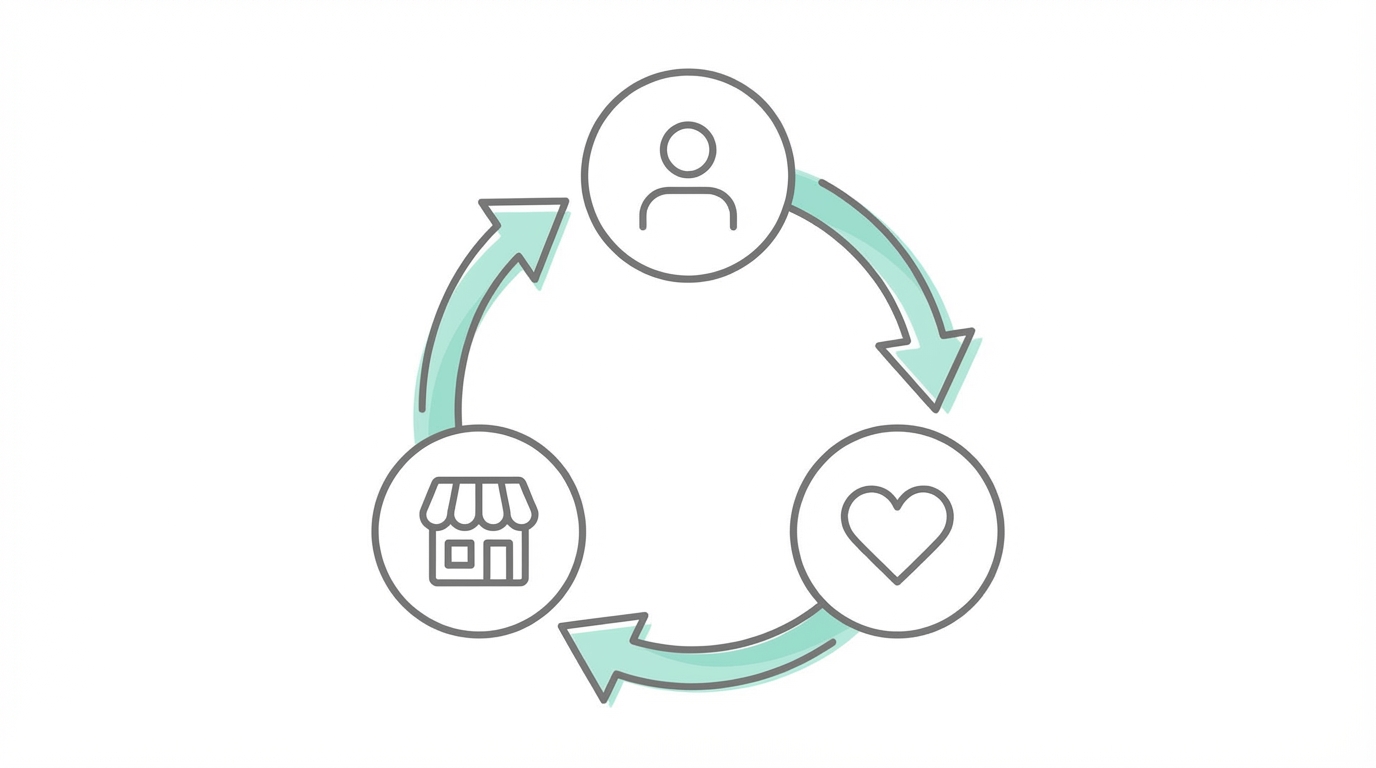
Traditional billboards are expensive and often reach too broad an audience. A more effective guerrilla marketing example is partnering with local bars and restaurants to use their internal TVs as digital billboards. One entrepreneur in North Georgia built a business by placing small, rotating ads on TVs in 70 different bars. He charges businesses a small monthly fee and nets $20,000 per month in revenue.
This creates a loyalty loop. Local business owners love to frequent the establishments where their ads are running. It builds community authority and keeps your service top-of-mind. If you are launching a niche service, such as a specialized cleaning company, these hyper-local placements ensure you are reaching the exact demographic of your neighborhood without the waste of Apple Search Ads or broad social media campaigns.
5. Leveraging Micro-Influencers for Digital Authority
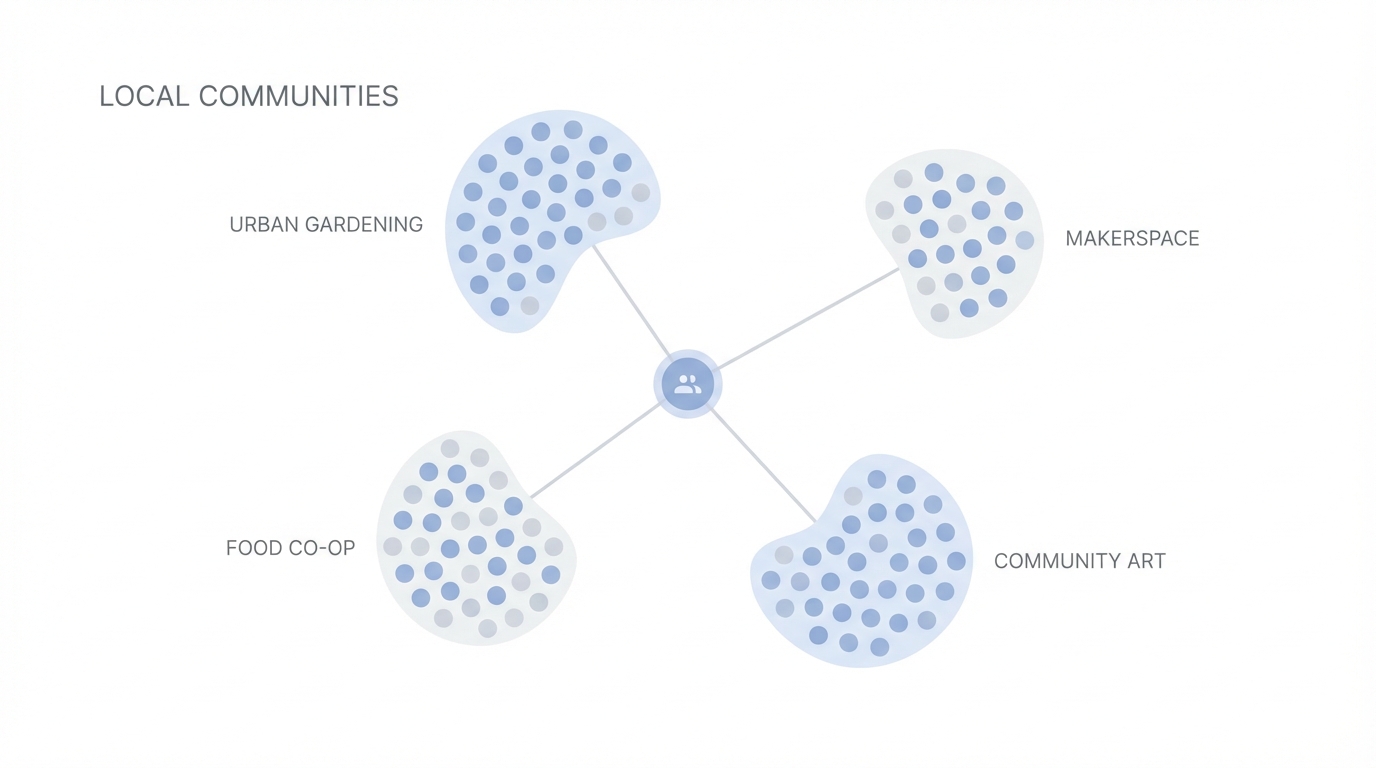
The final step in customer acquisition for small business is transitioning from physical "sweat" marketing to digital authority. This doesn't mean buying broad national ads; it means finding the "community leaders" who already have the trust of your neighborhood. For a high-end landscaping business or home service, one recommendation from a trusted local figure is worth thousands of dollars in traditional advertising.
To scale this, you need to identify local creators who speak directly to your target zip codes. Modern platforms like Stormy AI streamline creator sourcing and outreach by using AI to find micro-influencers who specifically cater to your local community. Unlike legacy tools like Julius or Tagger that often focus on enterprise-level national campaigns, Stormy AI allows you to filter for creators based on their niche and audience quality to ensure your local service is being promoted by real people with genuine influence. This is significantly more effective for a "boring" business than trying to compete on broad keywords.

The Local Influencer Playbook:
- Identify Community Nodes: Use AI discovery tools to find local lifestyle or parent bloggers within your specific city.
- Vet for Quality: Ensure the creator has a high engagement rate and a following that matches your local service area.
- Offer Value First: Provide your service for free in exchange for an honest review or a series of User-Generated Content (UGC) posts.
- Track with CRM: Manage these relationships within a dedicated dashboard to ensure follow-ups and long-term partnerships.
Conclusion: Building a Sustainable Customer Engine
Acquiring your first 100 customers for a local business doesn't require a technical revolution; it requires consistent, high-volume action. Whether you are using sidewalk chalk to map foot traffic, placing bandit signs in high-growth zip codes, or using the foot-in-the-door strategy to upsell high-ticket services, the goal is to dominate the local physical space. By eventually layering on digital authority through local micro-influencers and platforms like Stormy AI, you can build a customer acquisition engine that runs autonomously. Start with the boring, sweaty work today to build a profitable, lasting business for tomorrow using tools like Stripe for payments and local marketing tactics to scale.