Guerrilla Distribution: How to Win Market Share When the 'Music Stops' in 2026
Learn the guerrilla marketing tactics and customer acquisition strategy needed to win market share in 2026 when competitors quit during economic volatility.
In the high-growth cycles of the early 2020s, distribution was often a matter of who could spend the most on Meta and Google. But as we navigate the unique economic pressures of 2026, the 'music has stopped' for those relying solely on cheap capital and predictable ad auctions. History tells us that in moments of extreme volatility—much like the 2008 subprime crisis or the recent 2026 market shifts—the traditional playbooks fail. This is the era of guerrilla distribution. It is a time for aggressive customer acquisition strategy rooted in resilience, ethical discipline, and the sheer hustle required to find value where others see only risk.
The 'Valley is the Value': Why Competitor Attrition is Your Greatest Asset
Understand why surviving market downturns creates the ultimate foundation for long-term business value.
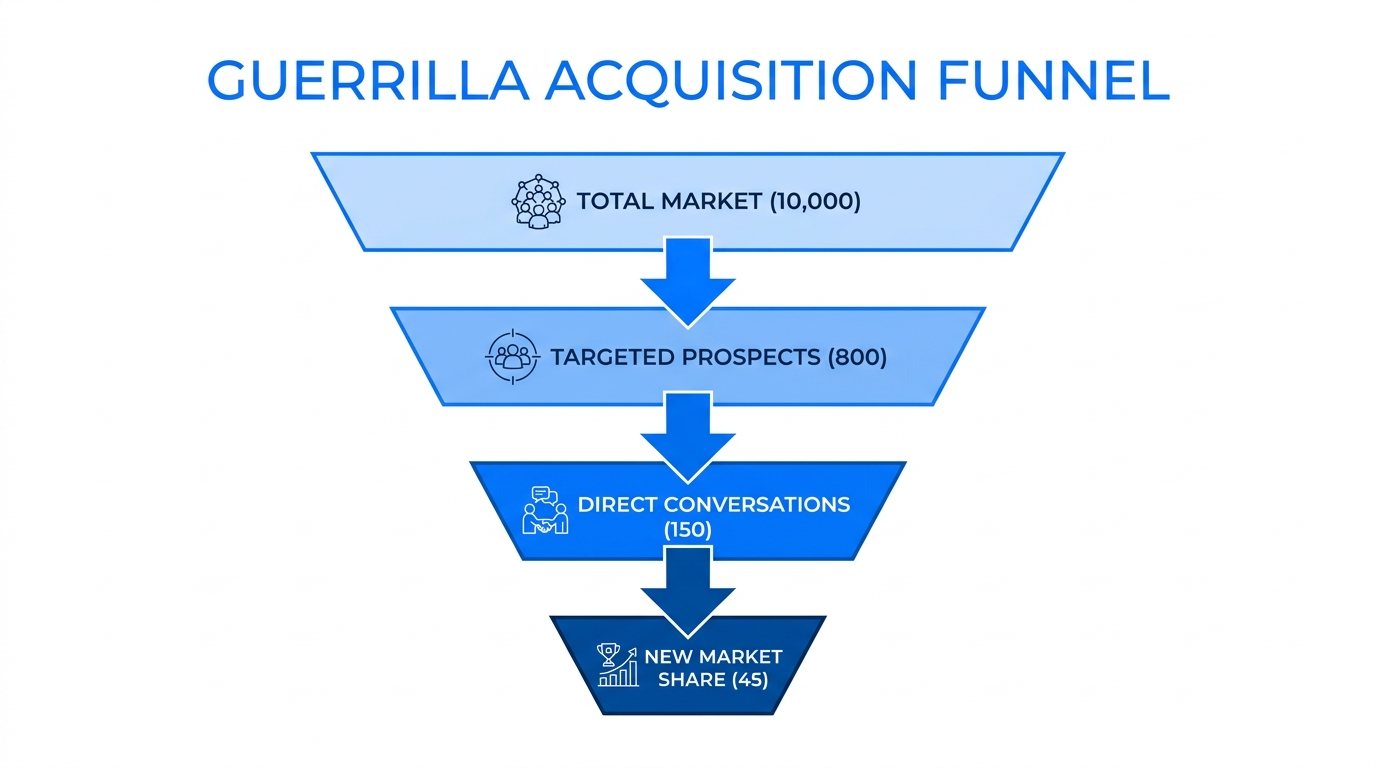
Most marketers view a downturn as a signal to retreat, but for the resilient brand, the moment your competitors quit is the moment you create the most long-term equity. During the 2008 mortgage crisis, the vast majority of firms shuttered because their unit economics didn't work when the market turned. However, those who stayed in the 'valley'—the period where growth is hard and sentiment is low—emerged as the new market leaders. In 2026, we are seeing a similar pattern. While many brands are slashing their TikTok Ads budgets and retreating from experimental channels, the 'Valley is the Value' principle suggests this is precisely when market share is most affordable to capture.
As noted in recent HubSpot marketing research, businesses that maintain their visibility during downturns see a significantly higher ROI once the market corrects. In 2026, this means doubling down on your influencer discovery and outreach efforts. While others are waiting for the 'perfect' economic signal, guerrilla distributors are building their 'bother armies'—teams dedicated to persistent, high-value outreach that competitors are too exhausted to maintain.
"The valley is the value. When all your competition dies because of a bad decision or lost inspiration, that is the moment your company is actually creating the most equity."
Hustle-Based Distribution: From Floor-to-Floor Selling to Digital Funnels
The secret to distribution is surviving rejection long enough to see massive market results.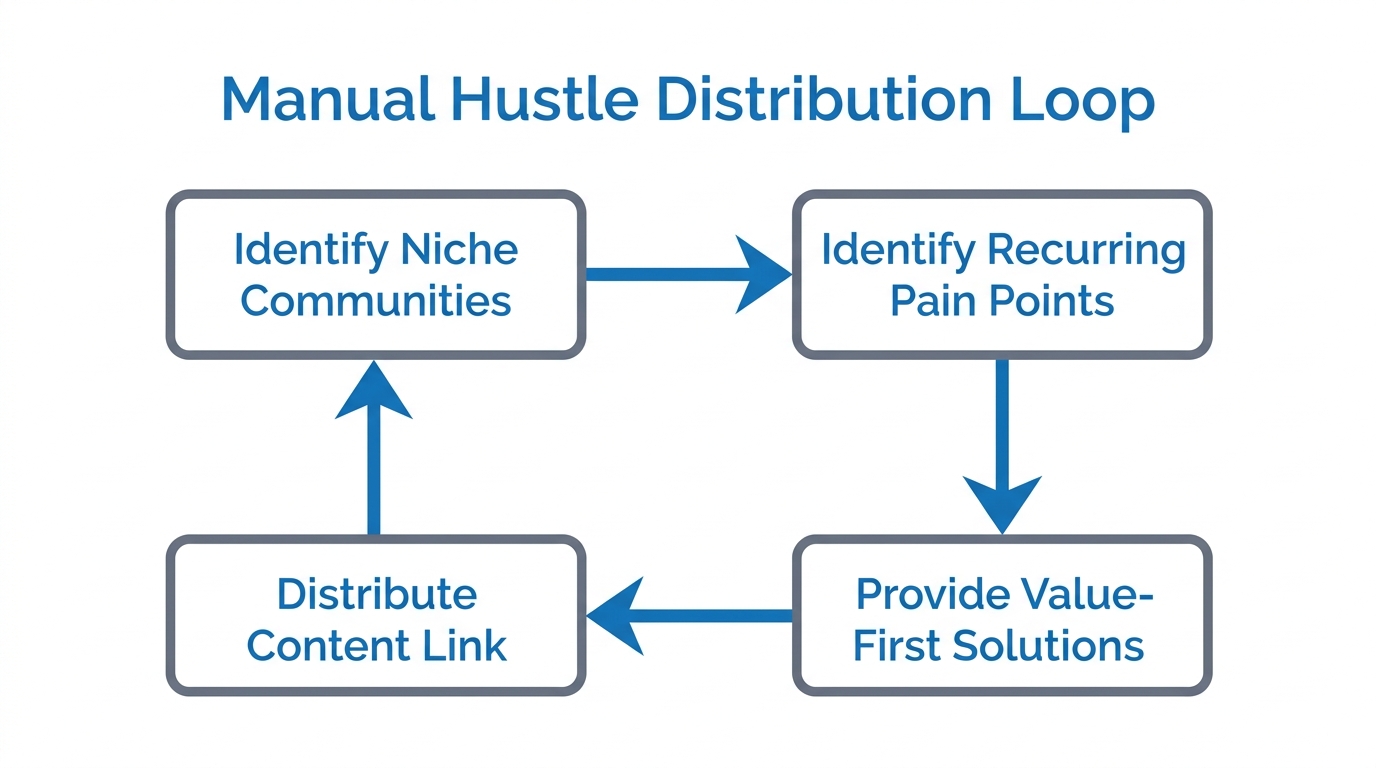
Modern distribution often lacks the 'grit' of traditional sales. We can learn a massive lesson from the 'floor-to-floor' selling tactics used by entrepreneurs who didn't have the luxury of venture capital. Imagine sneaking into a skyscraper, dodging badges, and smoozing the front desk lady because she is the one who orders lunch for the entire office. This is the ultimate guerrilla marketing tactic: identifying the high-leverage node in a network and winning them over through personal rapport. In 2026, this translates to high-touch, AI-personalized outreach rather than mass-blasted generic ads.
Even 'cheesy' radio ads and late-night infomercials offer lessons for today's Meta Ads. The effectiveness of those old-school ads came from a simple, repeated promise: clear value (like a "rate in the fours") and a low-friction entry point (like a "free home appraisal"). To win market share in 2026, your digital funnels must be equally punchy and offer an immediate, tangible win to the consumer who is increasingly skeptical of vague brand promises. Consider tools like CRO platforms to tighten these conversion paths.
Diversification as a Survival Tool: Capturing Life-Cycle Value
Explore how to pivot your strategy by diversifying into insurance and high-growth energy sectors.A resilient distribution model doesn't just find new customers; it extracts more value from the ones it already has. During the mortgage downturn, smart operators didn't just wait for interest rates to drop—they diversified into Insurance and Energy. By launching adjacent products that solve high-friction problems for the same customer base, you build a 'holding company' mindset that protects you from the cyclical nature of any single industry. In 2026, if you are selling a product, you should also be looking at the payment systems, the insurance, or the maintenance required for that product.
| Strategy Type | Traditional Distribution | Guerrilla Distribution (2026) |
|---|---|---|
| Customer Acquisition | High-budget PPC and mass social ads | High-touch AI outreach and influencer partnerships |
| Product Focus | Single-product specialization | Adjacent product diversification (Fintech, Energy, SaaS) |
| Competitor View | Red Ocean: Beat them at their own game | Blue Ocean: Turn competitors into partners or out-hustle them |
| Risk Management | Aggressive growth at any cost | Tight underwriting and ethical unit economics |
This diversification strategy is what separates long-term winners from 'flash in the pan' successes. For instance, moving from a Shopify store to a full-service ecosystem—incorporating clean energy solutions or homeowners insurance—allows you to be the primary point of contact for a consumer's biggest expenses. This 'Blue Ocean' approach makes your competition irrelevant because you are solving the entire problem, not just a symptom.
The 'Brave Enough to Look Wrong' Strategy: Ethical Sales in a Subprime World
One of the hardest parts of market share growth is watching your competitors grow faster by taking shortcuts. In the mid-2000s, it was 'stated income' loans; in 2026, it might be aggressive AI-generated deepfakes or spammy distribution models that violate consumer trust. Being brave enough to look wrong means sticking to tight underwriting and ethical sales even when the rest of the market is chasing subprime-style growth. It means walking away from volume to protect your unit economics.
"The devil doesn't tempt you with spinach. It tempts you with the high-volume, low-ethics shortcut that blows up the moment the music stops."
By maintaining discipline, you ensure that when the 'buybacks' and 'defaults' hit the industry, you are the only one left standing with a healthy balance sheet. This is the core of a resilient distribution model. Platforms like Stormy AI can help maintain this discipline by vetting creators and ensuring that your outreach is hyper-personalized and high-quality, rather than contributing to the digital noise that erodes brand trust.
Checklist: Audit-Proofing Your 2026 Distribution
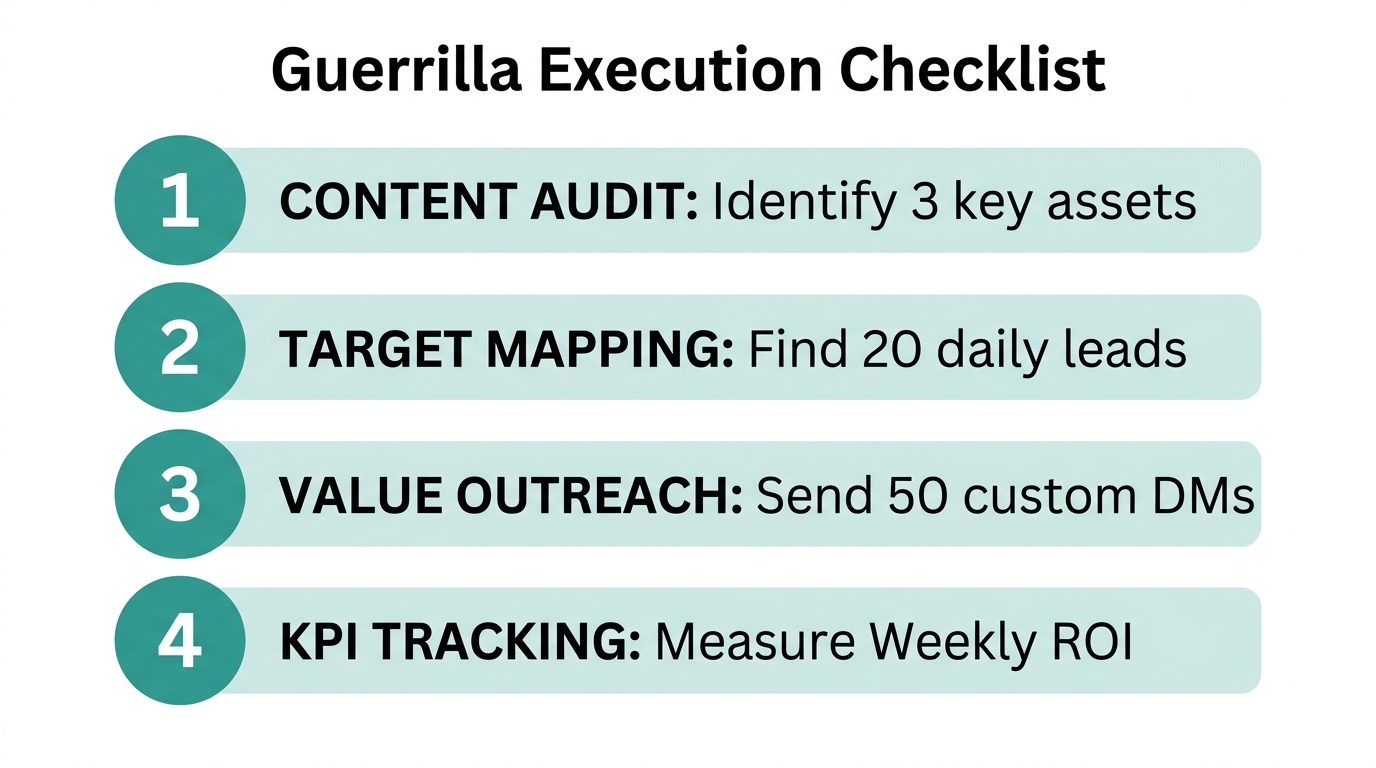
To survive the volatility of 2026, you must run a lean, aggressive distribution audit. Use this business survival playbook checklist to ensure your channels are resilient:
- Unit Economic Stress Test: Does your CAC (Customer Acquisition Cost) still work if your primary platform (TikTok or Instagram) increases prices by 50%?
- Diversified Lead Sourcing: Are you relying on one 'God' channel? Start diversifying into newsletter sponsorships and micro-influencer campaigns.
- Outreach Automation: Are you using AI agents to handle the 'bothering' of prospects? Automating the first 3-5 touchpoints is essential for modern hustle.
- Zero-Down Value Propositions: Can you offer a 'free appraisal' equivalent to lower the barrier to entry for cautious 2026 consumers?
- Ethics Filter: Is your sales team incentivized to close bad business? Align incentives with long-term retention rather than just top-line growth.
Conclusion: The Warriors of Light
Winning market share when the music stops requires a shift in identity. You aren't just a marketer; you are a 'warrior of light' in a foxhole of economic uncertainty. Whether you are using Google Ads to capture high-intent search or leveraging modern influencer stacks to manage a decentralized army of creators, the goal remains the same: Don't quit.
As we've seen from the legends of Silicon Valley and the entrepreneurs who survived '08, the difference between rejection and results is simply how long you stick with it. 2026 will reward the grinders, the ethical underwriters, and the guerrilla distributors who realize that the valley is where the true value lies. Now is the time to build your 'bother army,' diversify your offerings, and prepare to capture the market share that your competitors are about to leave on the table.