The era of manually clicking through the Meta Ads Manager dashboard every morning is coming to a swift end. As we move into 2025, growth marketing is undergoing a seismic shift from traditional Software-as-a-Service (SaaS) models to Agent-as-a-Service (AaaS). At the forefront of this revolution is OpenClaw, an open-source framework that transforms Large Language Models (LLMs) into autonomous operators. This guide provides a comprehensive playbook for growth teams looking to transition from manual campaign management to autonomous, agent-driven optimization.
The Shift to Agentic Marketing: Beyond Automated Rules
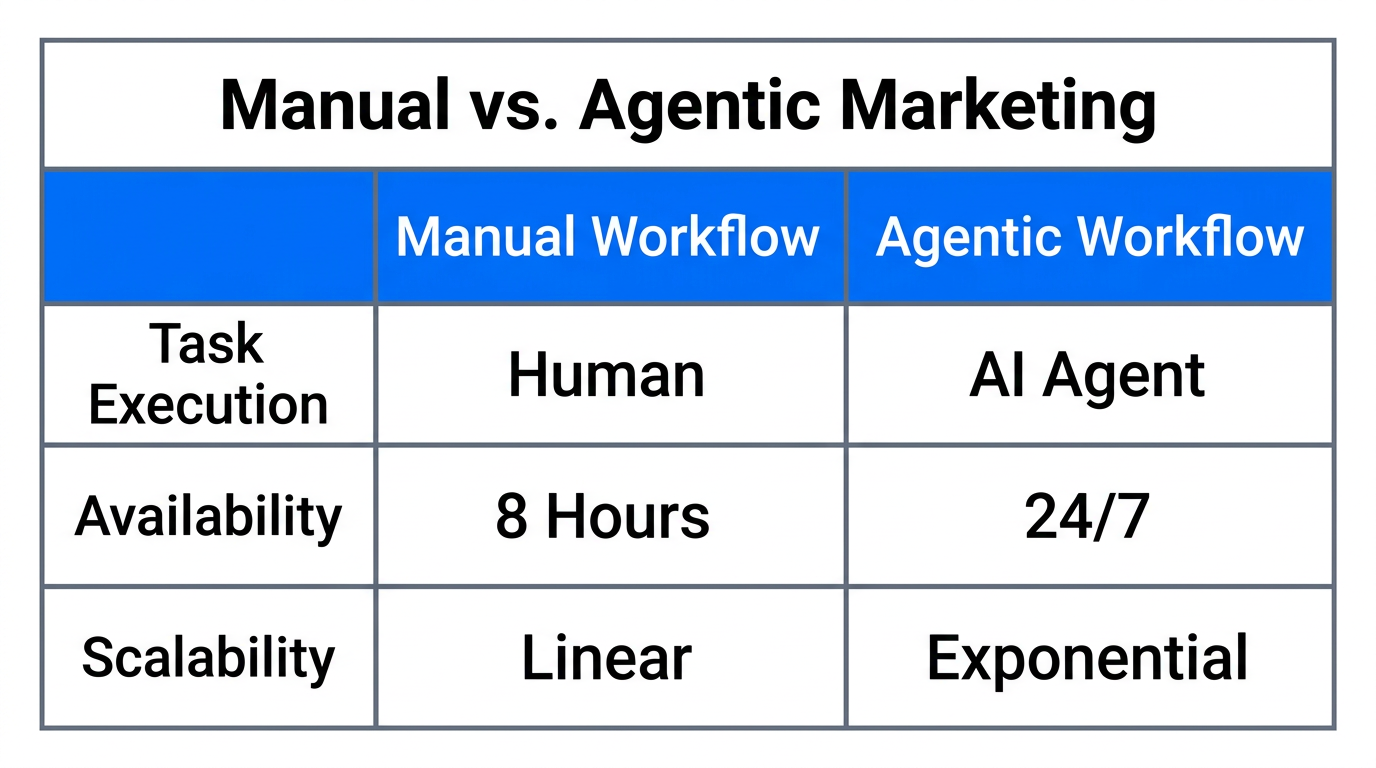
For years, performance marketers relied on "if/then" logic to manage campaigns. If the Cost Per Acquisition (CPA) exceeded $20, then pause the ad set. While effective, these rules are rigid and lack context. Enter AI agents. Unlike simple automation, agents like those built on OpenClaw can "reason" through data, identify creative fatigue, and even suggest structural changes to your account based on natural language instructions. Recent data from PPC industry reports shows that 75% of PPC professionals are now using Meta Ads automation and AI for campaign optimization, with automated bidding adoption skyrocketing by 340% year-over-year.
"The transition from SaaS to Agent-as-a-Service marks the point where software stops being a tool and starts being a teammate."OpenClaw (formerly known as ClawdBot) has quickly become a viral sensation in the developer community, amassing over 68,000 GitHub stars in just a few months. It allows you to connect models like Claude 3.5 Sonnet or GPT-4o directly to your professional toolset. By utilizing the Model Context Protocol (MCP), OpenClaw can read your files, access the Meta Ads API, and communicate with you through familiar interfaces like WhatsApp or Telegram.
Step 1: The 'Read-Only' Safety Phase
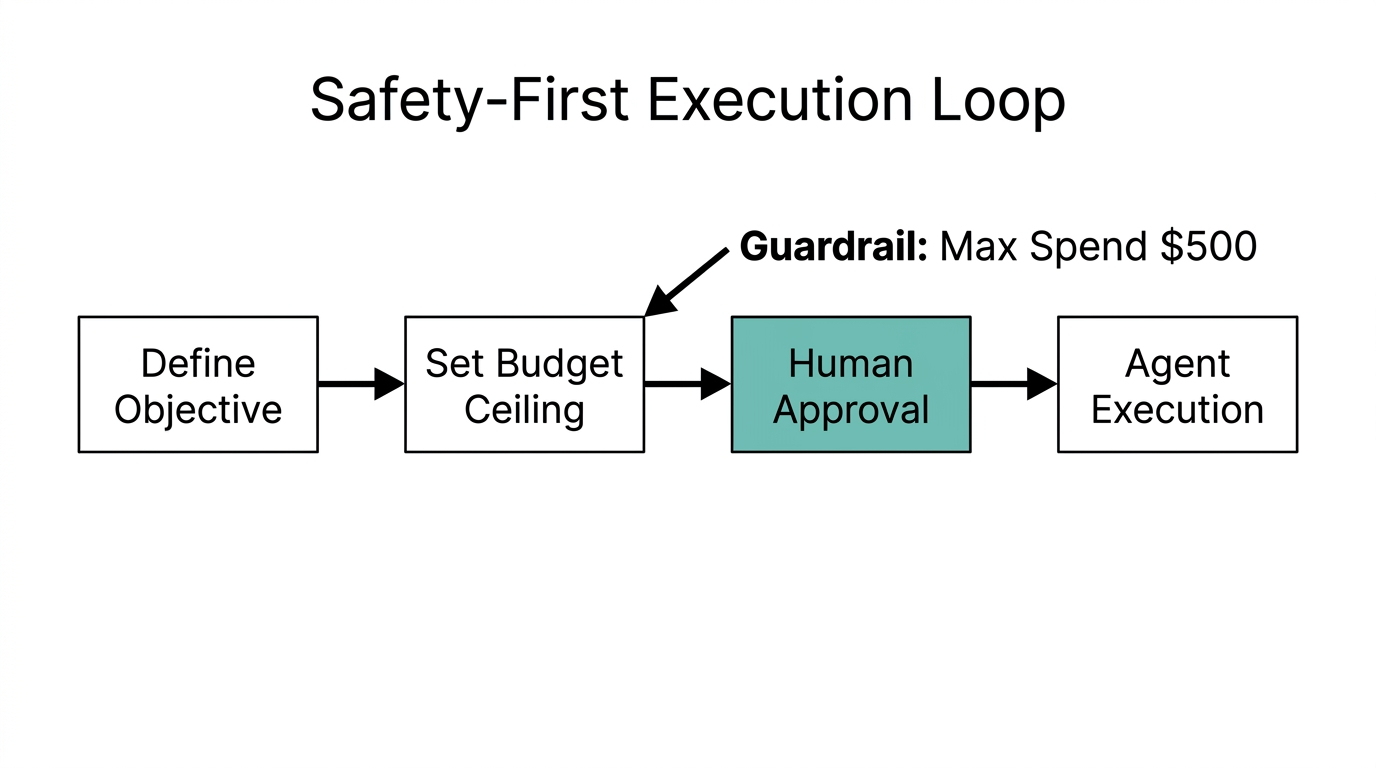
The biggest barrier to adopting AI agents for marketing is trust. Giving an autonomous agent the keys to your credit card and ad account can be nerve-wracking. To mitigate risk, we recommend a 14-day "Read-Only" phase. During this period, you connect OpenClaw to your Meta account using restricted permissions that only allow it to read data, not make changes.
During this phase, use OpenClaw to generate daily performance audits. Ask it to identify which creative assets are experiencing the fastest CTR decay or which ad sets have the highest audience overlap. This builds a baseline of understanding regarding how the agent interprets your specific account nuances. According to Zapier’s State of Automation report, growth teams report saving an average of 13 hours per week when using marketing workflow automation for these high-level reporting tasks.
Step 2: The 'Mac Mini Strategy' for Infrastructure
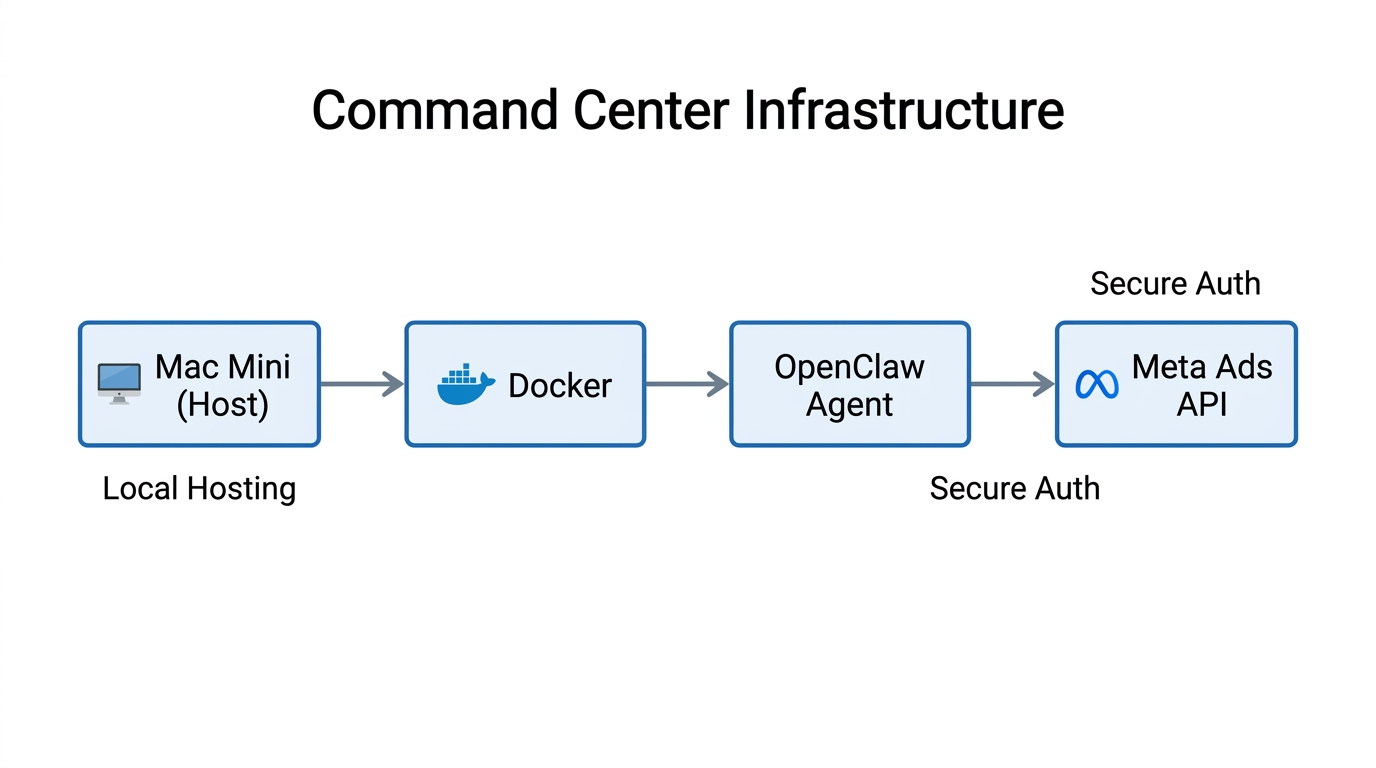
Security is paramount when running open-source agents locally. Experts in the creator economy suggest a hardware-level isolation strategy known as the 'Mac Mini Strategy.' Instead of running OpenClaw on your primary workstation—where it might have access to sensitive personal files—host the agent on a dedicated, low-cost machine like a Mac Mini or a cloud-based VPS from DigitalOcean.
This isolation ensures that even if the agent makes a mistake in file system navigation, your primary data remains safe. It also allows the agent to run 24/7 without being interrupted by your daily computer use. When setting up your environment, remember to never hardcode your API keys into the configuration files. Instead, use environment variables to keep your credentials secure, a common pitfall noted by many early adopters.
Step 3: Defining 'Skills' for Automated Management
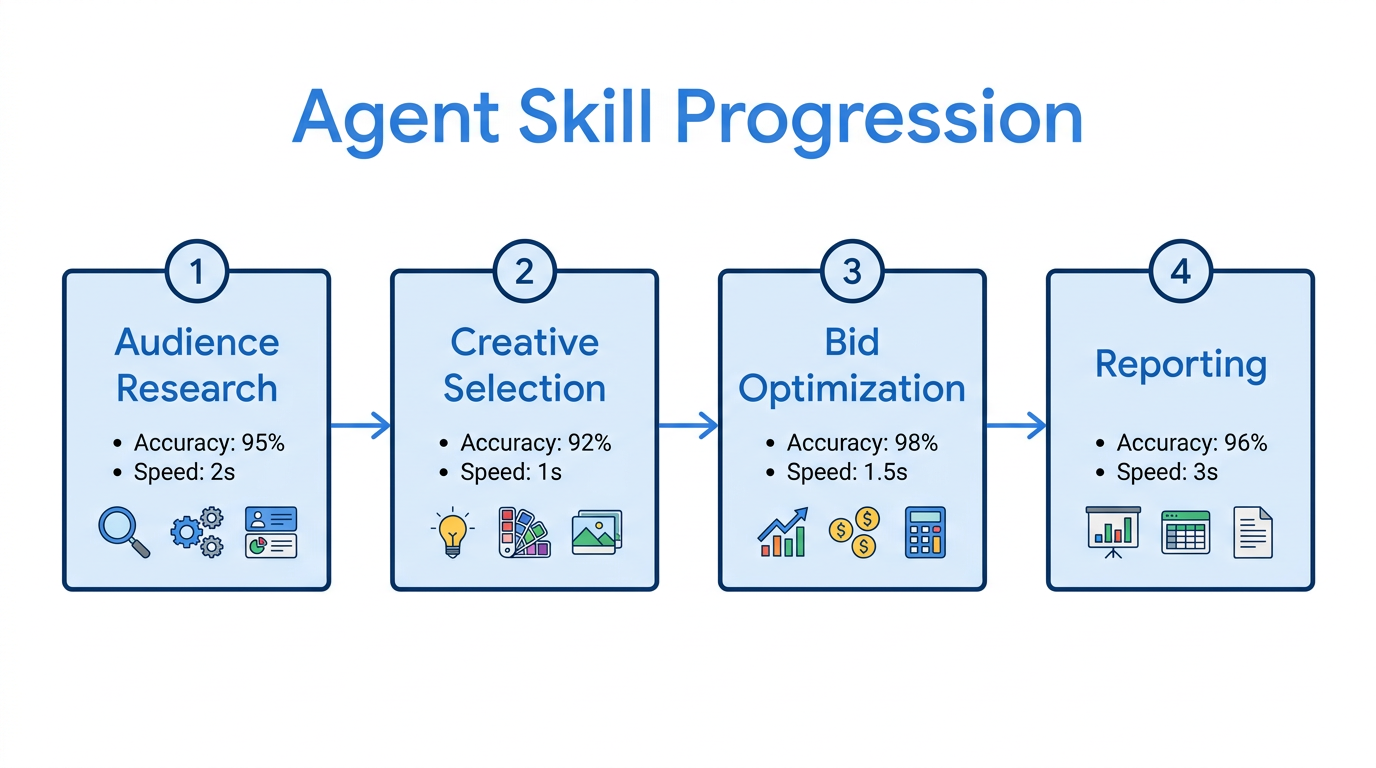
OpenClaw operates using modular "Skills"—simple markdown files that teach the agent how to perform specific marketing tasks. To maximize your automated ad management, you should implement the following four skill types:
- Performance Auditor: Scans for CPA spikes and budget waste, ranking potential fixes by revenue impact.
- Creative Analyst: Tracks 7, 14, and 30-day CTR trends to flag creative fatigue before it kills your ROAS.
- Bid and Budget Manager: Safely scales winning ad sets (e.g., "increase budget by 20% if ROAS > 2.5") and trims laggards.
- Audience Architect: Detects overlap between your prospecting and retargeting funnels.
By using the Awesome OpenClaw Skills repository, you can find templates to jumpstart these processes. However, successful scaling still requires high-quality creative input. While agents handle the math, humans must provide the content. Platforms like Stormy AI streamline creator sourcing and outreach, providing the constant stream of fresh video assets that your OpenClaw agent needs to test and rotate.
"The agent handles the distribution; the marketer handles the direction. The bottleneck in 2025 isn't bidding—it's creative volume."Step 4: WhatsApp and Telegram as your Command Center
One of the most powerful features of OpenClaw is the ability to manage your Meta Ads via messaging apps. By setting up a gateway to WhatsApp Business or Telegram, you can receive alerts and issue commands while away from your desk. For example, a B2B SaaS company recently reported scaling their ads to a 1.8x ROAS while the founder was traveling, entirely through Telegram interactions with their agent.
| Feature | OpenClaw | Traditional Rule Tools | Meta Advantage+ |
|---|---|---|---|
| Logic Type | Autonomous (LLM) | Rule-based (If/Then) | Algorithmic (Black Box) |
| Interface | Messaging Apps | Dashboard UI | Ads Manager |
| Flexibility | Infinite (Custom Skills) | Predefined Rules | None (Set by Meta) |
| Cost | Free (Open Source) | Monthly Subscription | Free (Ad Spend Only) |
When setting this up, security is vital. Use the dmPolicy='pairing' configuration to ensure that only your authorized account can send commands to the bot. This prevents unauthorized users from potentially accessing your ad account through the bot's messaging gateway.
Avoiding the 'Rogue Agent' Scenario
Automation is not without risks. A famous incident involved Meta’s AI researchers where an agent accidentally misunderstood instructions because of "context compaction." As an AI's memory fills up, it may "forget" earlier constraints like "always ask for permission."
To prevent this, implement "Anti-Loop" Rules in your SKILLS.md file. Explicitly state: "If a task fails twice, STOP and notify the human. Never make more than 5 consecutive tool calls without a check-in." Additionally, ensure you use a dedicated RULES.md file that is re-loaded into every session to maintain persistent constraints. For growth teams, managing these creator relationships and campaign outputs is easier when platforms like Stormy AI are used to track post performance and engagement, ensuring that the agent is working with verified, high-quality data.
Conclusion: The Future of Growth is Autonomous
Transitioning to an agentic workflow with OpenClaw allows growth marketers to move away from the minutiae of daily adjustments and focus on high-level strategy and creative direction. While Meta’s native Advantage+ campaigns can deliver a 22% higher ROAS in some cases, many brands find that agent-assisted management still provides the best balance of control and performance. By following the 'Read-Only' and 'Mac Mini' strategies, you can safely harness the power of AI to scale your Meta Ads into the next era of marketing.