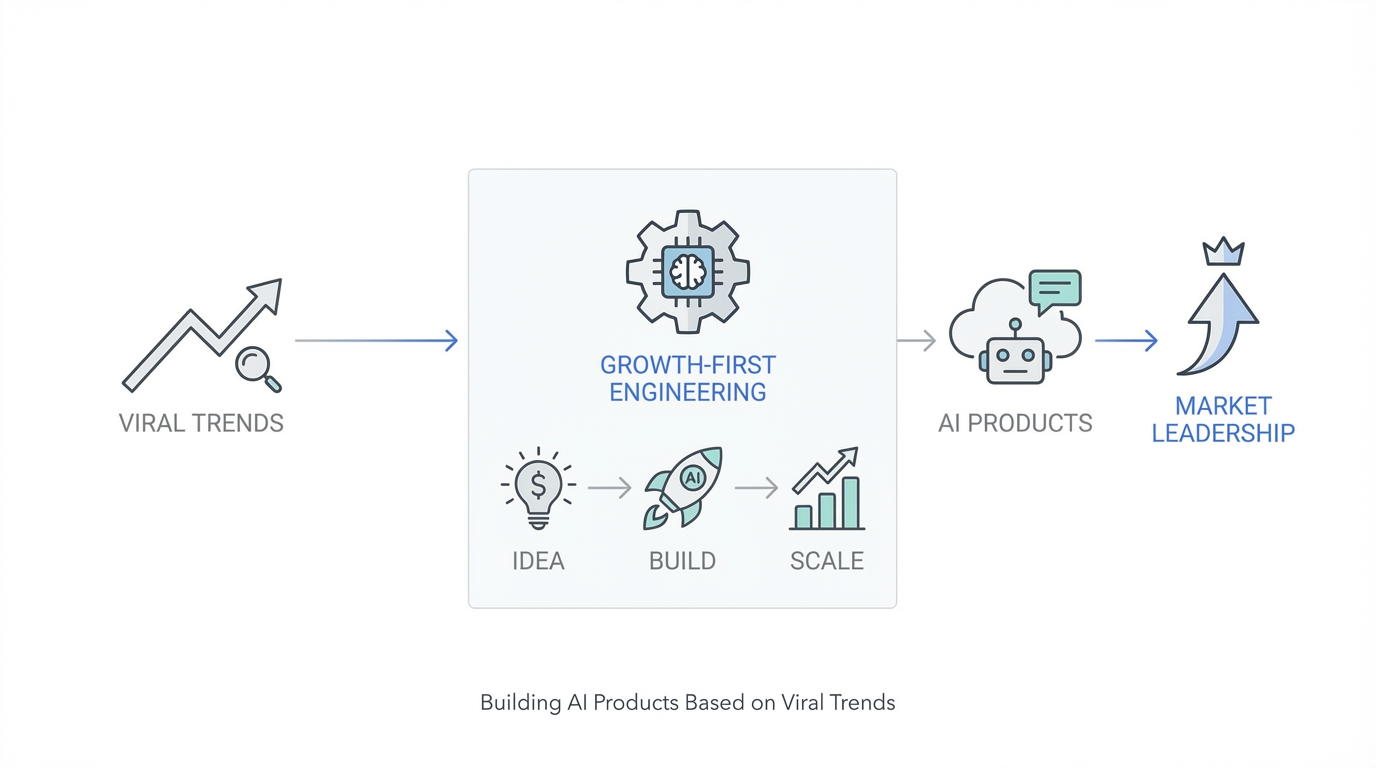
The traditional approach to software development—building a complex feature set over six months and then hiring a marketing team to find an audience—is rapidly becoming a relic of the past. In the hyper-competitive world of AI startups, a new methodology has emerged: growth-first engineering. This strategy flips the script, where the marketing potential and viral viability of a product dictate the tech stack, the feature list, and even the initial lines of code. Instead of guessing what users want, developers are now using growth hacking strategies to identify existing demand on platforms like TikTok and YouTube before they even open their IDE.
Identifying 'Hot Topics' through Social Sentiment


The core of growth-first engineering is market validation through observation. Before building Natural Write, an AI writing tool that humanizes text, founders Nikita and Evgeni didn't conduct formal focus groups or expensive surveys. Instead, they performed niche research on social media to find "proofs" of demand. They looked for competitors who were already going viral and analyzed the comments to see what was missing. As they explained in their Starter Story interview, they noticed that humanizers were a "hot topic" because students and marketers were desperate to bypass AI detectors like GPTZero.
By using Stormy's AI search, founders can instantly discover which niches are currently saturated and which ones are primed for a new entry. Rather than manual scrolling, you can use natural language prompts to find creators in specific categories—like AI productivity or educational tech—and see which of their videos are garnering the most engagement. This allows you to build a product that isn't just technologically sound but is engineered for an existing audience.
Building for Virality: The 'Humanize' Button

In a world of 15-second attention spans, your product must be immediately demonstrable. This is where many engineering-heavy startups fail; they build deep back-end logic that is impossible to show in a quick TikTok clip. Growth-first engineering prioritizes features that offer a "wow" factor in seconds. For Natural Write, that was the "Humanize" button. It provided a visual transformation: 100% AI text on the left, a click of a button, and 100% human-written text on the right.
Before launching, smart founders use Stormy AI's creator vetting and fake follower detection to ensure the influencers they partner with have real, engaged audiences who will actually click that button. You must ask: Can this feature be explained without audio? If the answer is no, it might be a great utility but a poor growth engine. The lean startup methodology suggests focusing on this single, high-impact feature first. In the case of Natural Write, this simple visual hook led to 9 million total views and a staggering 80% conversion rate from website visits to signups. This isn't just luck; it's a product designed to feed the algorithm.
The Lean Tech Stack: Scaling to 250,000 Users on $35/Month
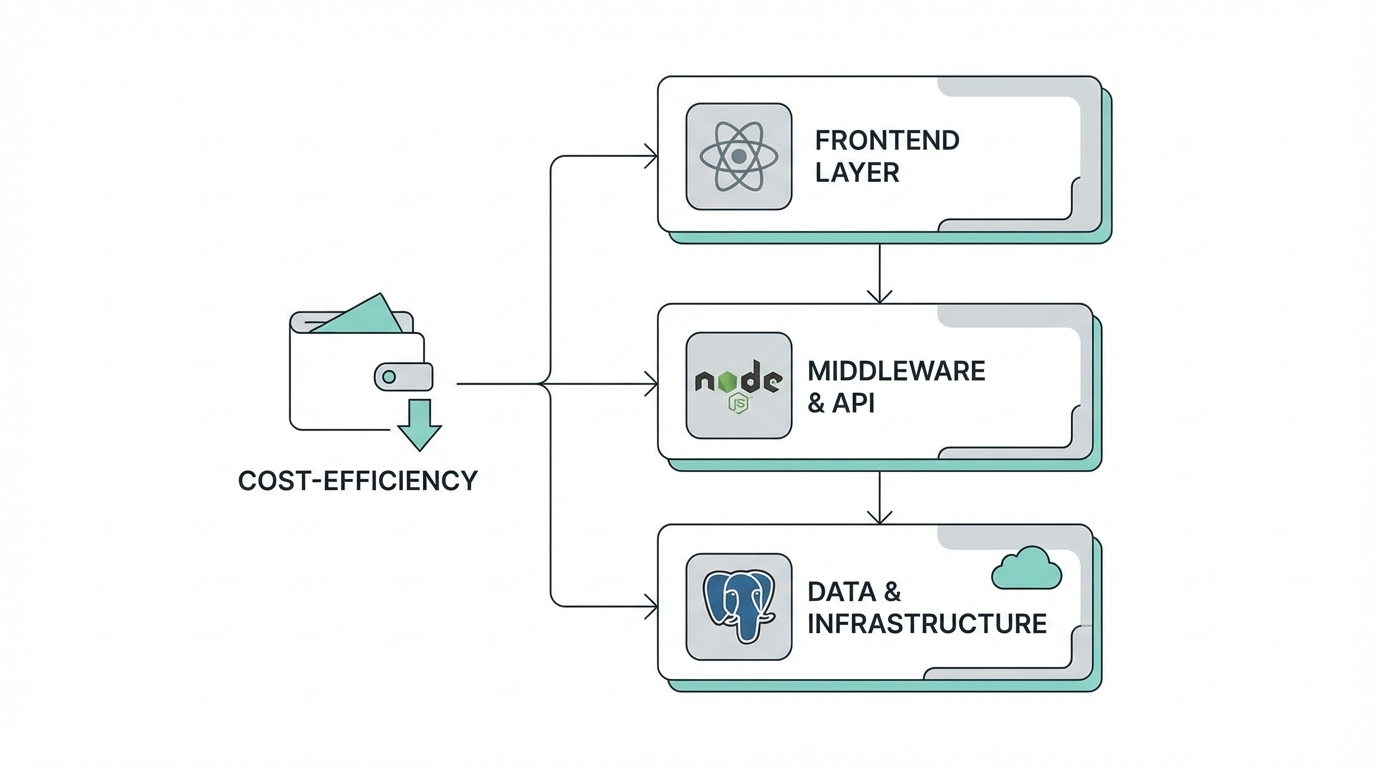
One of the biggest myths in software development is that you need a massive infrastructure to handle viral traffic. Growth-first engineering favors a lean tech stack that prioritizes speed and cost-efficiency. The Natural Write team managed 250,000 signups with a setup that cost only $35 per month. Their stack included Next.js for the frontend and backend, PostgreSQL for data, and Resend for email communications.
By keeping overhead low, you extend your runway and allow for more experimentation. Tools like Vanta can help automate compliance if you eventually move into enterprise sales, but for the initial growth phase, simplicity is king. Using Auth.js (NextAuth) for authentication and Kysely for type-safe database queries allows a small team—or even a solo founder—to iterate fast enough to keep up with viral trends.
The TikTok Marketing Playbook: Replicate, then Innovate


The path to $100,000 in revenue in three months didn't start with original content. It started with replication. The founders' strategy was simple: find viral videos in their niche and create high-quality, one-to-one copies. One of their most successful videos featured a clip from a Jim Carrey movie, representing the stress of a looming deadline. By mapping their product as the solution to that stress, they generated 4 million views on a single post.
To effectively execute this, you need to monitor what is working in real-time. Stormy's post tracking allows you to monitor specific videos and accounts, tracking likes, views, and engagement metrics over time. Instead of guessing which formats are trending, you can use data to confirm which hooks are actually driving traffic. Once you have a baseline of successful content, you can then begin to innovate and test your own unique formats.
Data-Driven Iteration: Transitioning to Scale
Once you have achieved your first sale and validated the product through viral clips, the focus shifts to product led growth and operational scaling. The Natural Write team moved from $41,000 in revenue in their first month to a total of $100,000 by the end of month three. This transition requires moving from manual posting to a more automated system. Scaling involves setting up multiple accounts, using VPNs to target specific geographic locations (like the US), and eventually hiring creators to produce content at scale.
Managing this influx of creators and data can be overwhelming. This is where Stormy's creator CRM becomes essential. It allows you to track every interaction, negotiation, and collaboration in one place. Furthermore, if you want to scale your outreach to influencers who can amplify your viral trends, Stormy's AI outreach agent can handle the discovery and personalized emailing automatically, reaching out to potential partners while you sleep. This is the hallmark of modern growth hacking strategies: using AI to scale the human elements of marketing.
Conclusion: The Future of Growth-First Engineering
Growth-first engineering is more than just a trend; it is a fundamental shift in how ai app marketing works. By identifying high-volume sentiment, building features designed for visual social platforms, and maintaining a lean, high-scale tech stack, founders can achieve massive traction with minimal capital. The success of Natural Write proves that with a single TikTok account and a product led growth mindset, two founders can build a six-figure business in 90 days.
For those looking to start their own journey, the advice from the experts is clear: don't overcomplicate it. Start by finding what works, replicate it, and use tools like Stormy AI to automate the discovery and outreach process. Whether you are building for students, marketers, or enterprise clients, the path to success begins with the audience—not the code.