In the high-stakes world of mobile app development, legacy platforms often find themselves struggling with technical debt, bloated teams, and stagnant user growth. However, the story of Grinder (Grindr) serves as the ultimate app turnaround playbook 2026. Since its 2020 acquisition, the platform has transformed from a troubled asset into a financial juggernaut with a valuation of $4.6 billion. This isn't just about dating; it's a masterclass in aggressive product management, private equity-driven efficiency, and hyper-niche monetization. For developers and marketers looking to achieve SaaS product-market fit in crowded markets, the Grinder model offers a repeatable blueprint for revitalization.
The $600 Million Gamble: Anatomy of the 2020 Acquisition
 22:52
22:52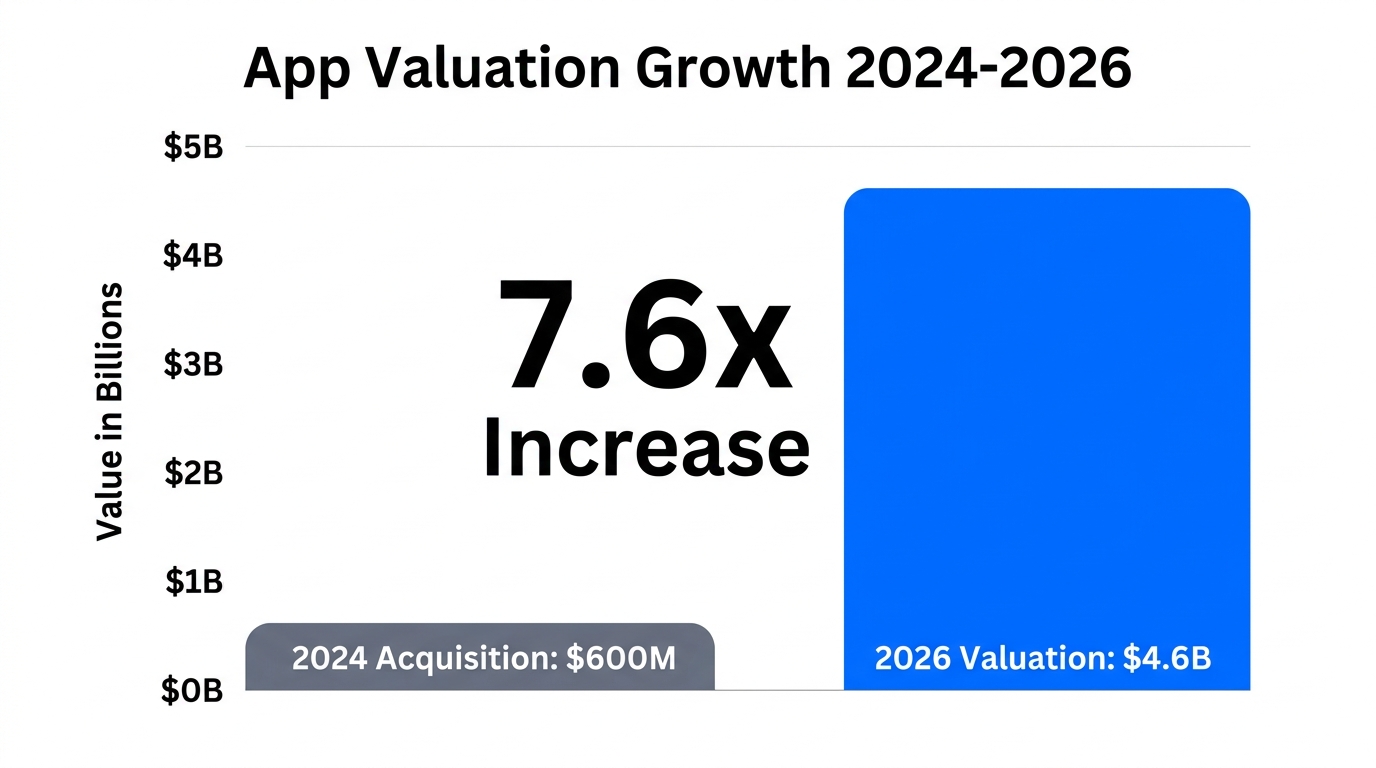
To understand where Grinder is in 2026, we must look back at the pivotal 2020 acquisition. Originally owned by the Chinese company Kunlun Tech, the app was under intense pressure from the U.S. government due to national security and data privacy concerns. When a group of seasoned investors including James Lou, Raymond Zage, and Rick Marini (of Catapult Capital) stepped in to buy the company for $600 million, the app was sitting at a dismal 2.5-star rating on the App Store.
The new leadership didn't just tweak the UI; they executed a 90% staff restructuring. By replacing the majority of the existing team with high-performers and aligning them with a clear vision, they grew revenue and EBITDA by 80% within two years. This kind of mobile app monetization strategy requires a fearless approach to human capital. They recognized that a legacy team often carries the legacy culture that led to stagnation in the first place.
"You don't hear about these turnarounds at all with a lot of Silicon Valley and internet companies, and they've absolutely nailed it by buying a $600M asset and turning it into a multibillion-dollar public company."
The 'Speed to Meet' Metric: Why Grinder Wins on Efficiency
24:27While mainstream dating apps like Hinge and Tinder focus on elaborate onboarding flows and personality quizzes, the Grinder growth strategy is built on a single, brutal metric: Speed to Meet. In internal reports, Grinder analyzed the onboarding time of competitors, finding it took users between 15 and 22 minutes to get through the initial setup on other platforms.
In contrast, Grinder optimized its flow to allow a user to sign up and find a connection within 120 seconds. This efficiency is achieved through a "Golden Eye" map interface that shows red dots for immediate action. For the 2026 user, convenience isn't just a feature; it's the product itself. By reducing the time-to-value (TTV), Grinder has achieved a level of user retention that traditional dating app marketing struggles to replicate.
| App Platform | Onboarding Time | Valuation (2026) | Core Growth Metric |
|---|---|---|---|
| Grinder | < 2 Minutes | $4.6 Billion | Speed to Meet |
| Tinder | ~15 Minutes | $7.8B (Match Group Total) | Swipe Volume |
| Hinge | ~22 Minutes | Included in Match Group | Relationship Quality |
Monetizing the Niche: Demographics and the Pink Dollar
28:35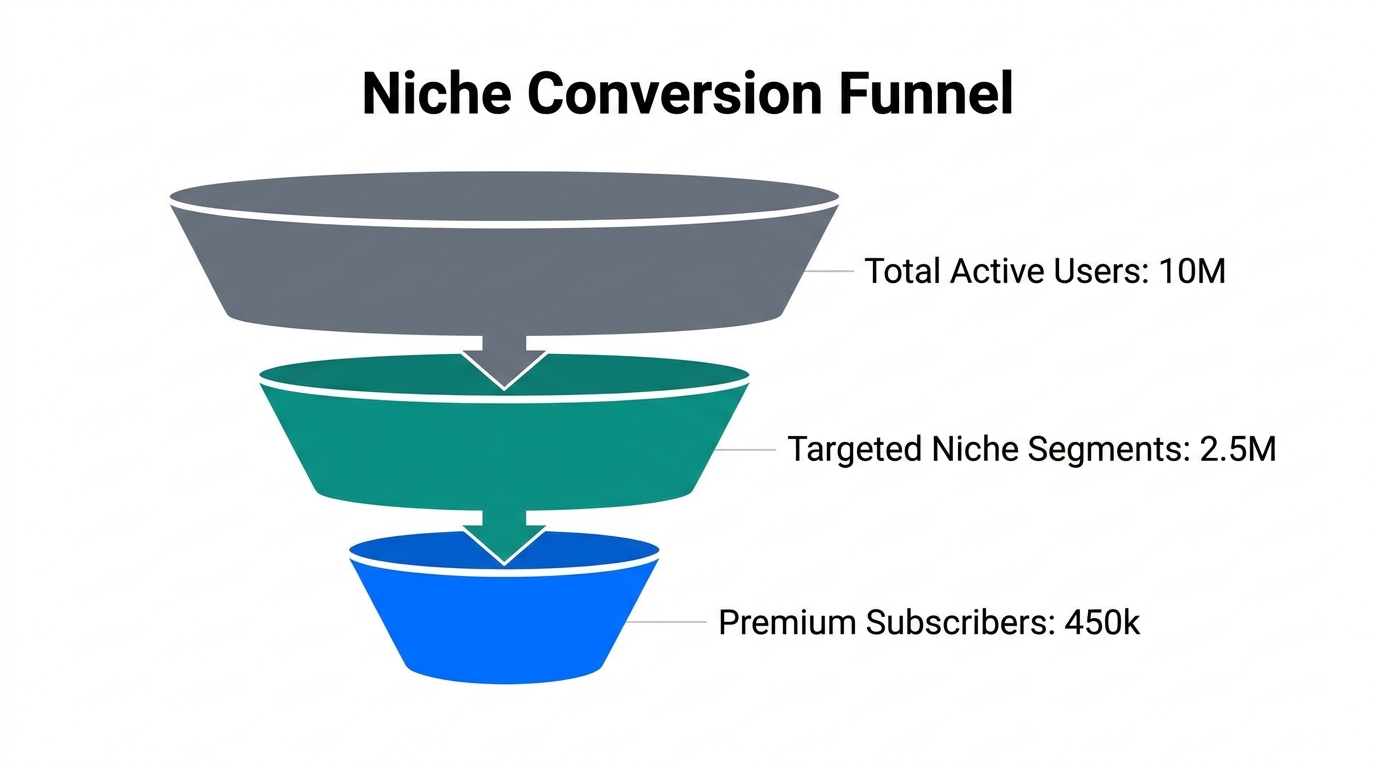
One of the most overlooked aspects of the app turnaround playbook 2026 is the power of niche demographics. Broad-market apps often suffer from "average user" syndrome, where they try to please everyone and end up with lower ARPU (Average Revenue Per User). Grinder, however, serves a demographic that consistently outperforms the general population in discretionary spending.
In 2026, gay-focused platforms often have subscribers paying $40/month or more for premium features because the app is seen as "table stakes" for social interaction within the community. When brands like Stormy AI analyze influencer and creator demographics, they often find that niche-specific apps have much higher engagement rates because the user intent is more focused. Grinder has leveraged the power of the "Pink Dollar" by creating a subscription model that feels more like a utility than a luxury.
"It costs to do business to be a gay guy in Manhattan—the $40 a month subscription to Grinder is now seen as a necessary utility, not just an app."
The Feature Audit Playbook: From 2.5 to 4.6 Stars
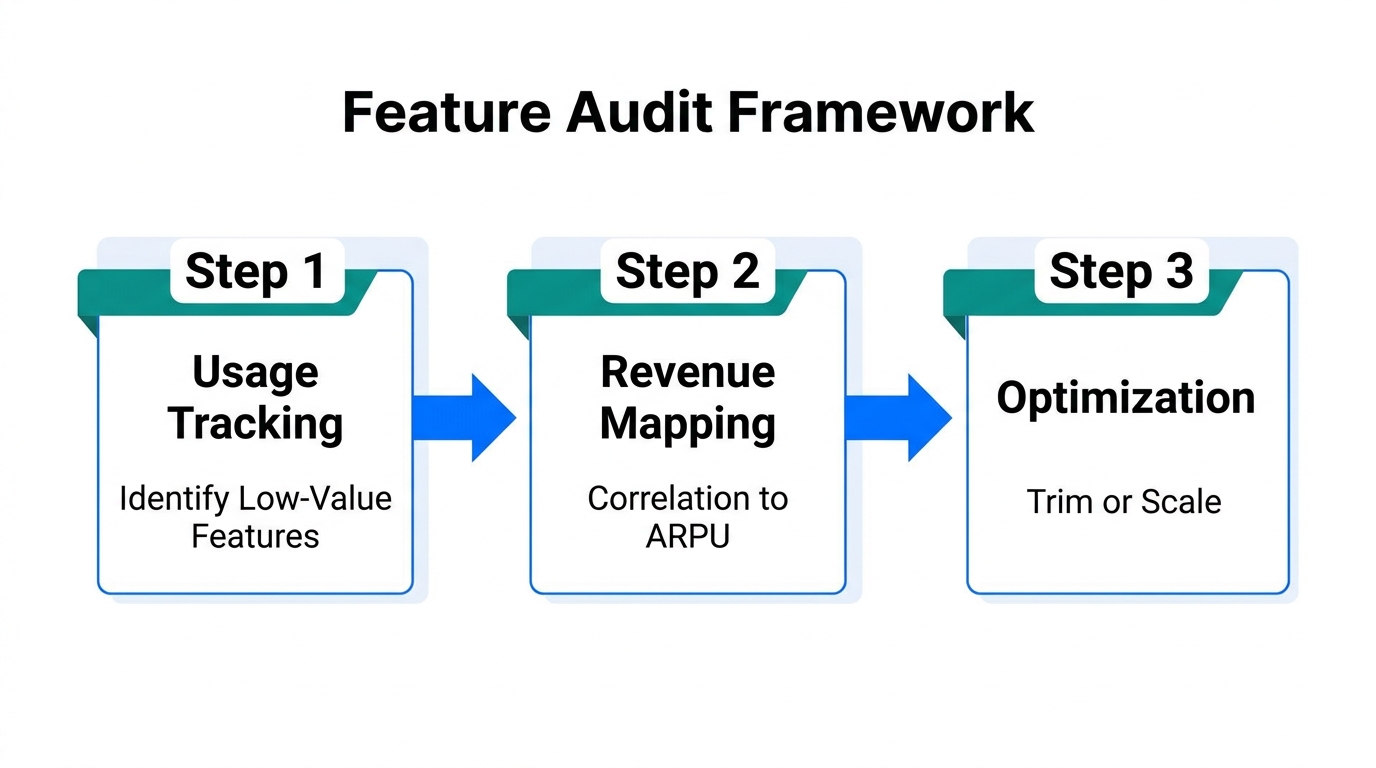
If you are managing a legacy app, you need to execute a Feature Audit to remove friction and improve your App Store ratings. This was the core of Rick Marini's strategy as COO. Follow these steps to execute your own turnaround:
- Identify the 'Friction Points': Use analytics tools like Mixpanel or Amplitude to find where users drop off. For Grinder, this was a cluttered UI and slow load times.
- The 90/10 Rule: Identify the 10% of features that drive 90% of user value. For Grinder, this was the proximity-based map. Everything else was secondary.
- Rebuild the Engineering Culture: As seen in the 2020 restructuring, you may need new talent that isn't wedded to old, slow processes. Link your product roadmap to SaaS product-market fit metrics.
- Aggressive ASO (App Store Optimization): Grinder improved its rating by 2 full stars by aggressively fixing bugs and soliciting feedback from high-activity users. Use resources like Adjust’s ASO guide to refine your approach.
- Feedback Loops: Implement real-time monitoring of user sentiment using platforms like Sensor Tower to stay ahead of negative trends.
Hyper-Local Mapping: Retention Strategies for 2026
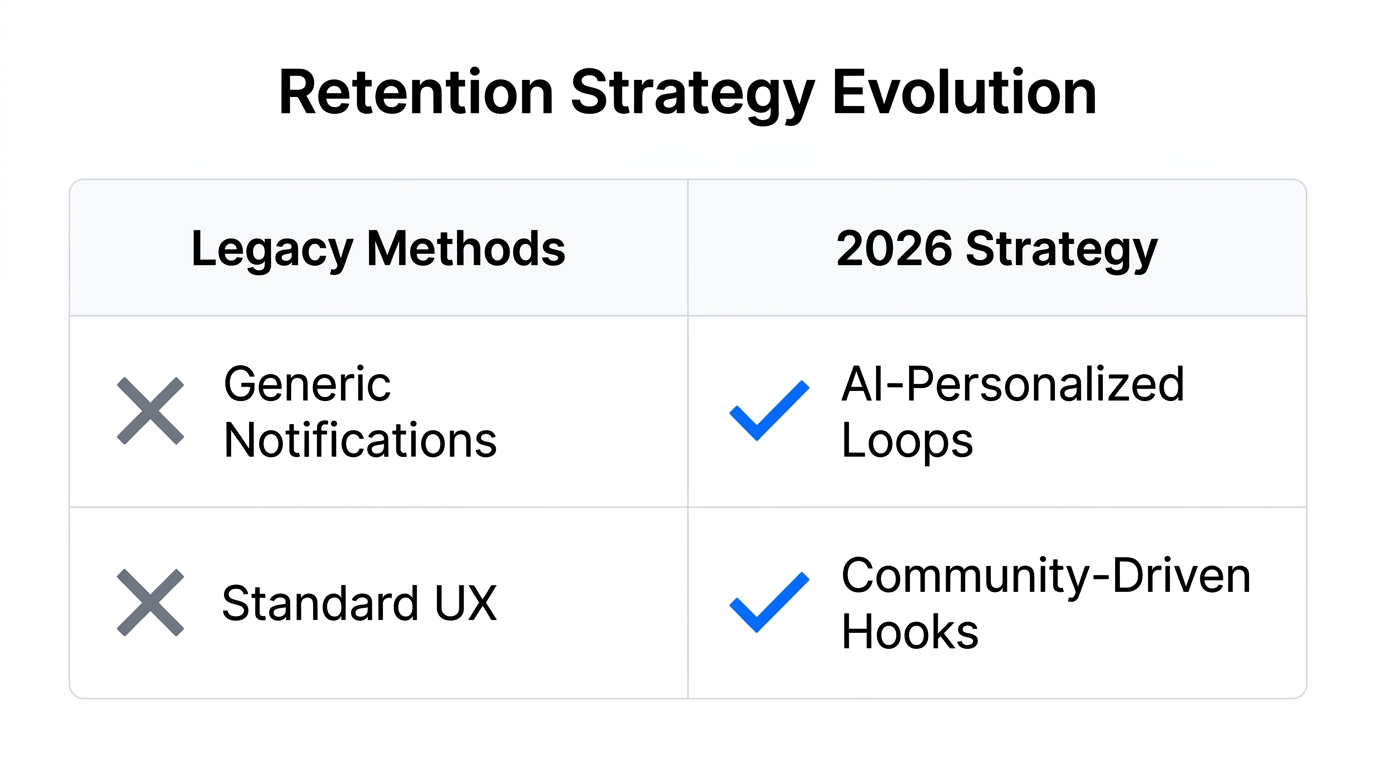
As we navigate 2026, the use of hyper-local data has become the ultimate retention tool. Grinder was an early pioneer of this, using real-time GPS data to create a "map mode" that shows users exactly who is nearby. This creates a sense of immediate opportunity that keeps users coming back multiple times a day. Unlike other apps that feel like a chore, Grinder feels like a live radar.
For brands and app developers, the lesson is clear: Utility drives retention. If your app can provide immediate, geographically relevant value, your churn rate will plummet. To manage the creators and influencers who drive traffic to these niche apps, using Stormy AI can help you find partners who already have high trust within these hyper-local communities. Just as Grinder dominates its niche, your marketing should target the specific "dots on the map" where your customers live.
"The map is the product. Every other feature is just noise. If you show someone there is opportunity 0.3 miles away, you've won the retention game."
Conclusion: The Future of the Turnaround Playbook
The Grinder growth story proves that legacy apps are often undervalued gold mines. By applying a private equity mindset—restructuring teams, focusing on a single core metric like 'Speed to Meet', and ruthlessly auditing features—investors turned a $600 million purchase into a $4.6 billion public entity. As we move further into 2026, the app turnaround playbook will continue to be the primary driver of massive exits in the mobile space.
Whether you are a founder or an investor, the takeaway is simple: Find a product with high utility but poor execution, strip away the bloat, and optimize for the fastest possible time-to-value. Success leaves clues, and in the case of Grinder, those clues are worth billions.