In 2026, the marketing landscape has undergone a tectonic shift. While the industry spent decades obsessing over Gen Z and the emerging Alpha demographic, a silent powerhouse has claimed its throne. The Silver Economy is no longer a peripheral niche; it is the primary engine driving the global creator economy. With the global influencer marketing industry projected to reach $34.1 billion by 2026, growth is increasingly fueled by creators over the age of 50—the "granfluencers." These senior creators are dismantling stereotypes, proving that influence doesn't have an expiration date and that authenticity, rather than high-gloss production, is the currency of the modern era.
The Economic Powerhouse: Why the Silver Economy Wins in 2026
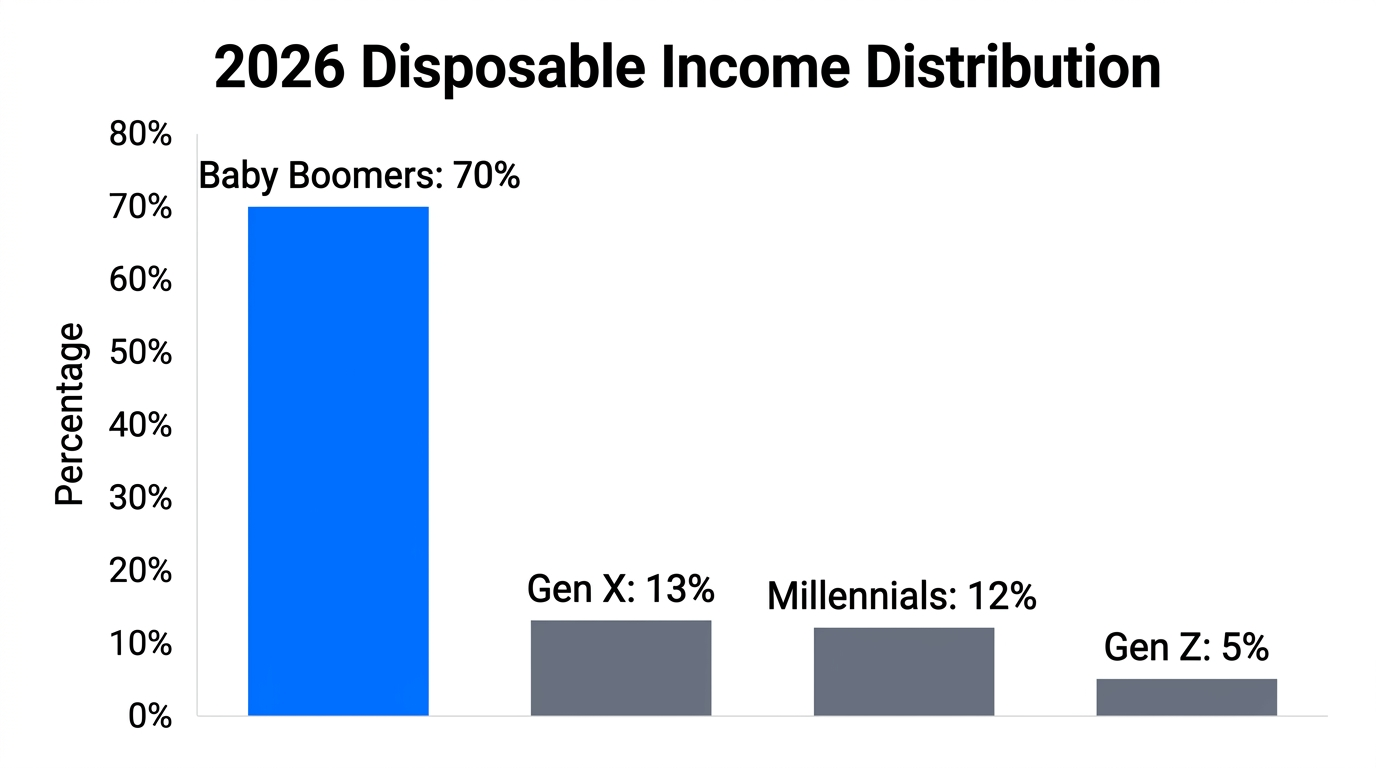
CMOs and growth leads are quickly realizing that the youth-centric strategy of the 2010s is hitting a ceiling. Baby Boomers (ages 60–78) currently hold 70% of all disposable income in the U.S. and control 55% of national spending, according to Forbes. This demographic represents a massive, underserved market that traditional influencer campaigns often ignore. While younger generations are struggling with rising living costs and student debt, the over-60 crowd possesses the liquid assets necessary to drive significant ROI for premium products.
Furthermore, the digital literacy of this group has skyrocketed. Data from Pew Research indicates that over 59% of Baby Boomers are active on social media, spending an average of 15 hours per week online. They aren't just scrolling; they are consuming long-form content, engaging in discussions, and—most importantly—making purchase decisions based on recommendations from people they trust. This trust is the foundation of granfluencer marketing.
"The Silver Economy represents the single largest opportunity for brands to capture high-intent, high-capital consumers who have been historically alienated by youth-focused advertising."
Beyond the Aesthetic: The Rise of Lo-Fi Authenticity
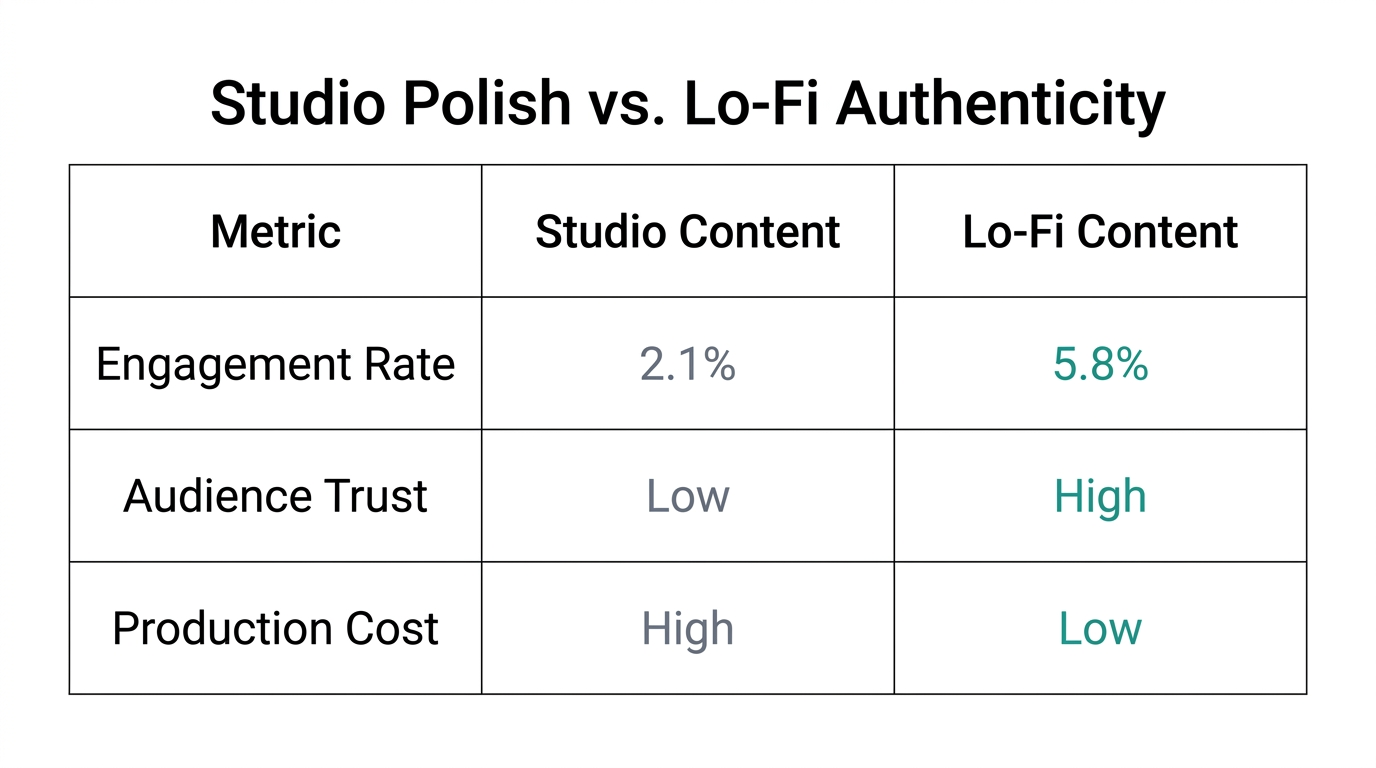
One of the most significant silver economy trends 2026 is the total rejection of the "Instagram Face" aesthetic. For years, influencer marketing was synonymous with airbrushed skin, perfect lighting, and highly curated lives. Granfluencers have flipped the script. They lead the "lo-fi" trend, creating content using simple tools like CapCut that feels like a FaceTime call with a wise friend or a trusted mentor. This raw, unedited approach drives massive engagement rates because it feels human and relatable.
| Creator Tier | Average Engagement Rate | Trust Factor Rating |
|---|---|---|
| Celebrity Influencers | 1.3% | Low |
| Gen Z Lifestyle Creators | 3.5% | Moderate |
| Nano-Granfluencers (1k–10k) | 15.2% | High |
According to research from Stormy AI, nano-granfluencers see engagement rates as high as 15.2%, which is nearly 12 times higher than the average for celebrity accounts. This disparity exists because audiences perceive senior creators as having nothing to prove. They aren't chasing fame; they are sharing lived experience. This "Power of Experience" provides a level of cultural capital that younger creators simply cannot replicate. When a granfluencer recommends a product, their audience views it as a piece of advice from a peer, not a sales pitch from a billboard.
Expertise-Driven Niches: Where Granfluencers Dominate
While fashion remains a strong pillar, 2026 has seen granfluencers dominate more technical and high-stakes niches. Influencer marketing strategy 2026 now prioritizes authority over mere reach. Senior creators are leading the charge in several key sectors:
- Financial Services: Retirement planning, investment advice, and estate management. Senior creators provide the gravitas needed for sensitive financial topics.
- Health & Wellness: Longevity, preventative care, and chronic condition management. Audiences trust someone who has actually navigated these life stages.
- Professional Education: Leadership coaching and career transitions. The "wise mentor" archetype is highly effective in professional development content on platforms like LinkedIn.
In these expertise-based niches, granfluencers often command higher rates and deliver stronger conversion potential because their followers are looking for solutions, not just entertainment. As noted by Hello Partner, the shift toward expertise-driven content has made senior creators the preferred choice for B2B and fintech brands looking to establish credibility.
"In 2026, expertise is the new virality. Granfluencers aren't just making videos; they are building digital legacies based on decades of professional and personal authority."
The 5-Step Playbook for Strategic Senior Creator Partnerships
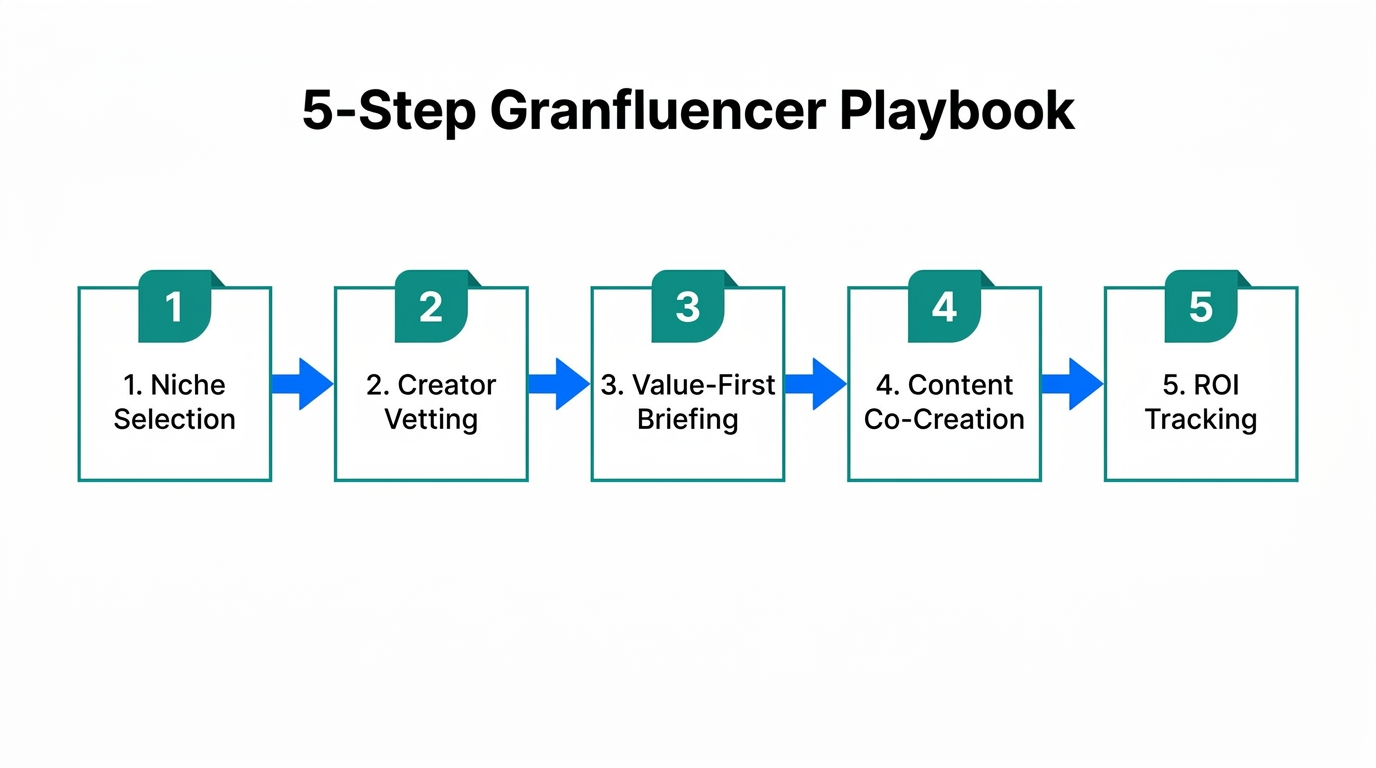
Working with senior creators requires a different approach than traditional youth marketing. To tap into the $34 billion creator economy statistics effectively, follow this framework:
Step 1: Identify Cultural Capital
Don't just look for high follower counts. Look for creators who have genuine authority within their niche. Does their audience ask them for advice? Do they have a professional background that supports their claims? Platforms like Stormy AI allow you to search for creators across TikTok and Instagram using natural language prompts to find those with specific expertise, such as "retired financial advisors in Florida" or "senior marathon runners."
Step 2: Prioritize Demographic Alignment
One common mistake is hiring a granfluencer who has a mostly young audience (the "novelty effect"). If your goal is to reach the Silver Economy spenders, you must verify that the creator's audience demographic matches your target buyer. Relevance beats reach every single time in 2026.
Step 3: Grant Creative Freedom
Granfluencers know their voice better than any agency does. Micromanaging their captions or forcing them into "trendy" formats often results in content that feels inauthentic. Allow them to use their own vocabulary and storytelling style. The most successful campaigns result from a collaborative process where the creator acts as a creative director.
Step 4: Implement Hybrid Compensation Models
In 2026, the industry standard has moved toward a model of Base Fee + 10-15% Commission. This ensures that the creator is incentivized to drive actual sales performance while being fairly compensated for their production time and brand equity. Platforms like impact.com are essential for tracking these multi-touch attributions.
Step 5: Move to "Always-On" Relationships
Trust with the 50+ demographic isn't built overnight. Single sponsored posts are significantly less effective than long-term ambassadorships. Data shows that long-term partnerships are 17x more effective in perceived trust than one-off shoutouts. Plan for 6-12 month campaigns to see the true impact of the Silver Economy.
Real-World Impact: Granfluencers in Action
Several brands have already mastered marketing to baby boomers by leveraging the power of senior creators. Aura Frames, for example, partnered with 65-year-old Charlotte Simpson (@TravelingBlackWidow). By focusing on her genuine story of travel and memory-sharing, the campaign generated 6x more engagement than their youth-focused efforts. This success stems from the fact that Simpson spoke effectively to both her peers (the buyers) and younger generations (who buy the frames as gifts).
Another standout is Grece Ghanem, a 50+ former microbiologist who has become the face of luxury brands like L’Oréal and Gucci. Ghanem proves that style and influence have no expiration date, and that high-end consumers respond better to someone who embodies the lifestyle they actually lead, rather than a teenager modeling for a life they haven't yet earned.
"The 94-year-old Grandma Droniak has over 13 million TikTok followers not because she's a novelty, but because she is hilariously relatable. That relatability is what drives 2026 consumer behavior."
Common Pitfalls: Avoiding the "AARP Cringe"
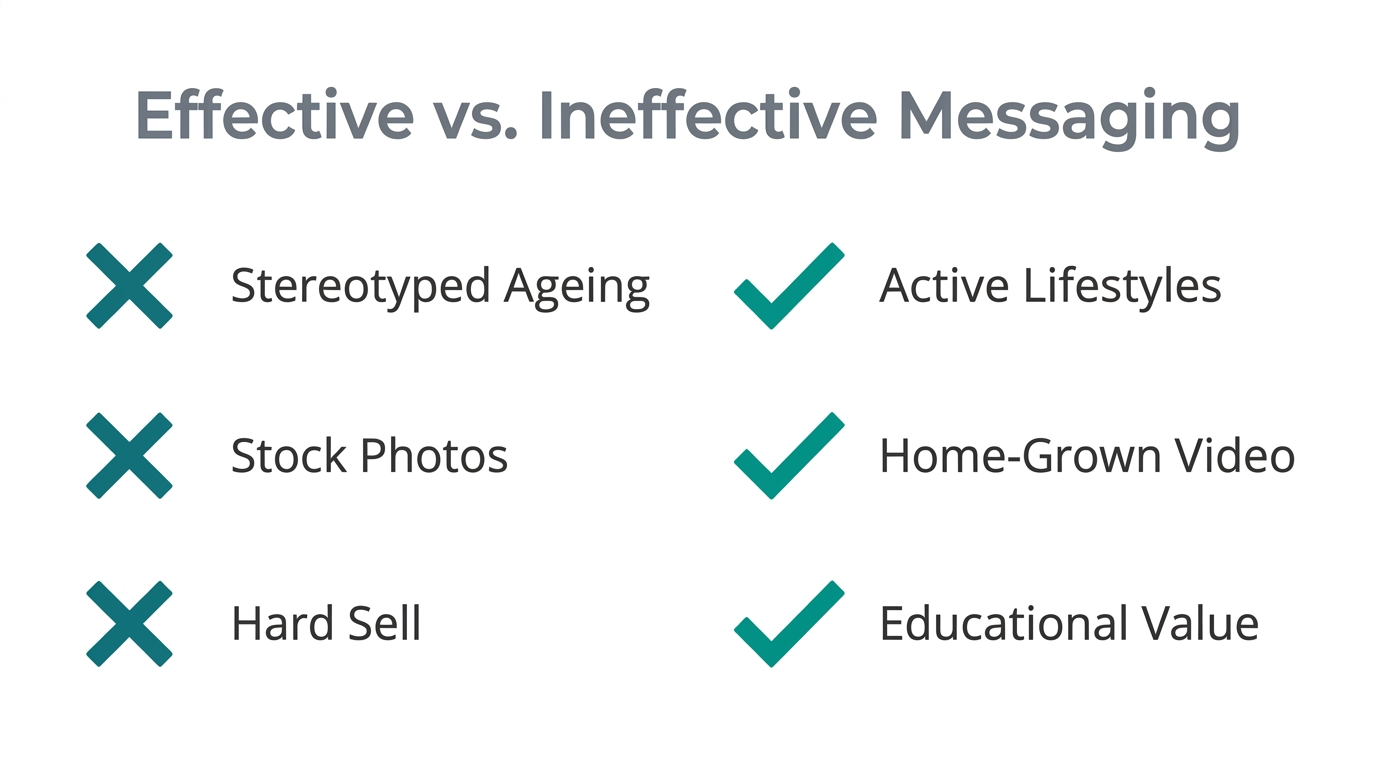
Despite the massive potential, many brands still fail in their influencer marketing strategy 2026 by falling into stereotypical traps. To succeed, you must avoid:
- The Tech-Phobic Trope: Do not treat senior creators as if they are confused by technology. Most granfluencers in 2026 are tech-savvy and manage complex digital ecosystems.
- Over-Production: If the content looks like a 1990s TV commercial, it will fail. Stick to the lo-fi, organic feel that makes social media unique.
- Ignoring Diversity: The Silver Economy is not a monolith. Ensure your creator roster reflects a diverse range of backgrounds, interests, and lifestyles, a practice championed by Adweek.
Using AI-driven vetting tools is critical here. Before signing a creator, use platforms to check for engagement authenticity. You want to ensure you are paying for real humans in the Silver Economy, not bot networks or engagement pods. High-quality platforms like Stack Influence can help identify authentic voices that resonate with micro-communities.
Conclusion: The Future of Influence is Ageless
As we move through 2026, the distinction between "influencer" and "granfluencer" is beginning to blur. We are entering an era of ageless marketing, where authority and trust are the only metrics that matter. For CMOs, the path forward is clear: diversify your creator portfolio to include the voices of the Silver Economy. By leveraging senior creators, you aren't just reaching a demographic; you are tapping into 70% of the world's disposable income through the most trusted voices on the internet.
Whether you are in finance, healthcare, or luxury retail, the granfluencer marketing wave is here to stay. Brands that embrace this shift today—using AI-powered discovery to find the right partners—will be the ones dominating the market share of tomorrow. The Silver Economy is waiting; it’s time to start the conversation.