The retail landscape in 2026 has reached a tipping point where the battle for consumer attention is no longer fought on a single front. For Shopify sellers, the question is no longer whether to run ads, but how to balance the high-intent reliability of Google Shopping with the high-velocity impulse of TikTok Shop. With Alphabet's ad revenue projected to hit $318 billion this year according to Demand Sage, and TikTok Shop conversion rates soaring past 10% due to frictionless in-app checkouts, the choice is more complex than ever. This guide breaks down the 2026 benchmarks, intent mapping, and the specific workflows an AI ecommerce employee like Stormy AI uses to keep both channels profitable without burning out your team.
Benchmarking the 2026 Retail Ad Landscape
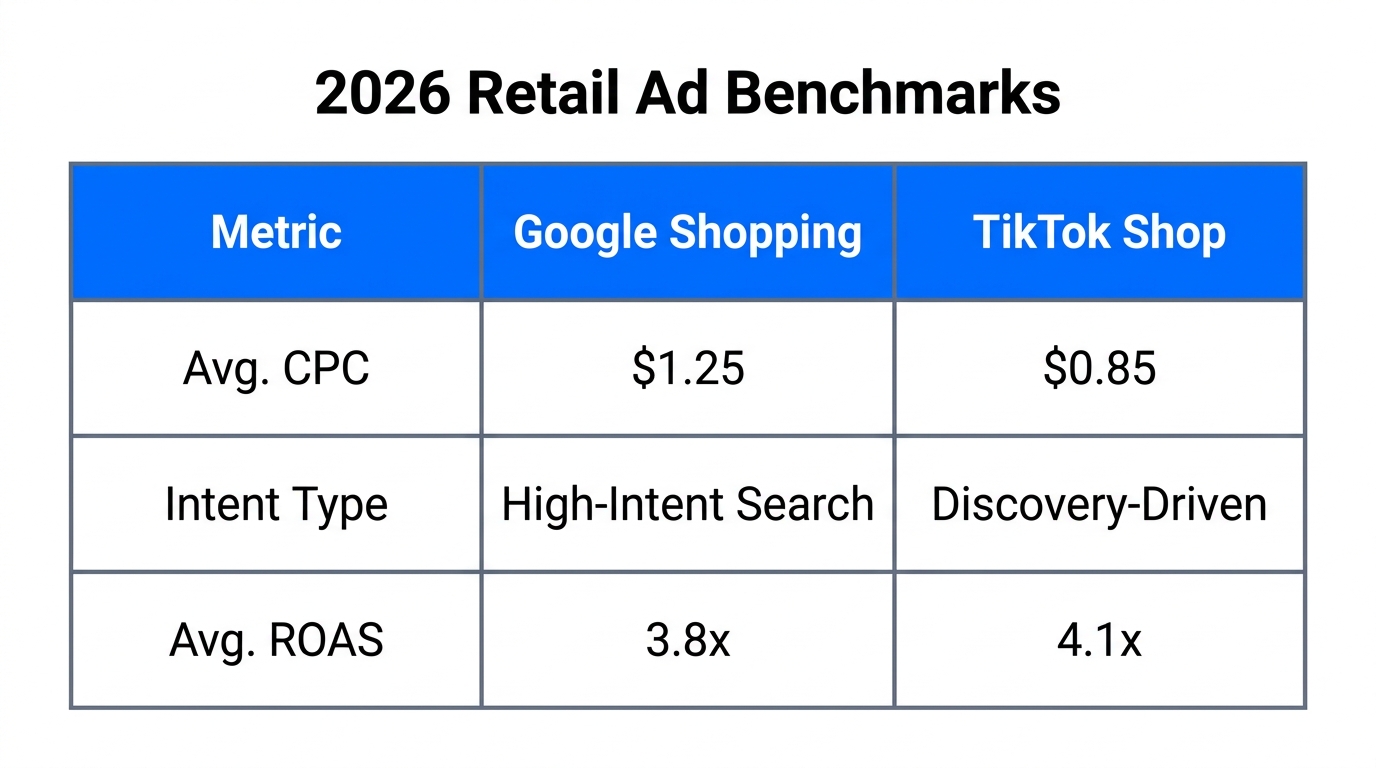
To allocate your budget effectively, you must first understand the current unit economics. While 2025 was the year of AI experimentation, 2026 is the year of autonomous execution. We are seeing a significant shift in Cost-Per-Click (CPC) trends as AI-optimized bidding becomes the industry standard, according to Statista market reports.
| Metric (2026 Avg) | Google Shopping Ads | TikTok Shop Ads |
|---|---|---|
| Average CPC | $0.66 | $0.60 – $1.15 |
| Primary Intent | Active Research / Comparison | Impulse Discovery |
| Conversion Rate | 1.91% | 10% + |
| Discovery Share | 31.5% of purchase journeys | 44% of Gen Z discovery |
| Management Style | Attribute-heavy / Technical | Creative-heavy / Viral |
As noted by eMarketer, Google Shopping remains the powerhouse for the "Research" phase, handling over 1.2 billion monthly searches. However, TikTok Shop has carved out a massive niche in frictionless commerce, where the time from discovery to checkout is measured in seconds rather than clicks.
"In 2026, product data is infrastructure, not just a feed. It must power CTV, AI Overviews, and agentic checkout simultaneously." — Ginny Marvin, Google Ads Liaison.
Google Shopping: The Infrastructure of High Intent
In 2026, Google Shopping has evolved beyond simple keyword matching. The introduction of the Universal Commerce Protocol (UCP) allows Google Ads to read "raw facts" about your products—such as fabric weight, sustainability standards, and real-time local stock—directly from your Shopify store.
The backbone of Google’s 2026 strategy is Performance Max (PMax), which now drives 45% of all Google Ads conversions. The latest evolution, "AI Max," has enabled keywordless targeting that focuses on "intent depth" rather than just the search query. However, this has created a "black box" problem for many sellers. Stormy AI solves this by pulling placement reports daily and flagging "asset starvation"—for instance, if your campaign is underperforming because you’re missing the 15-second vertical video required for YouTube Shorts placements.
For brands like Cloudsharks, optimizing the Google Merchant Center feed using tools like Feedonomics or DataFeedWatch led to a scale from $150k to $3 million in just 10 months. The secret? Using "Custom Labels" to segment high-margin items so the AI doesn't chase revenue at the expense of profit.
TikTok Shop Ads: The Impulse Discovery Engine
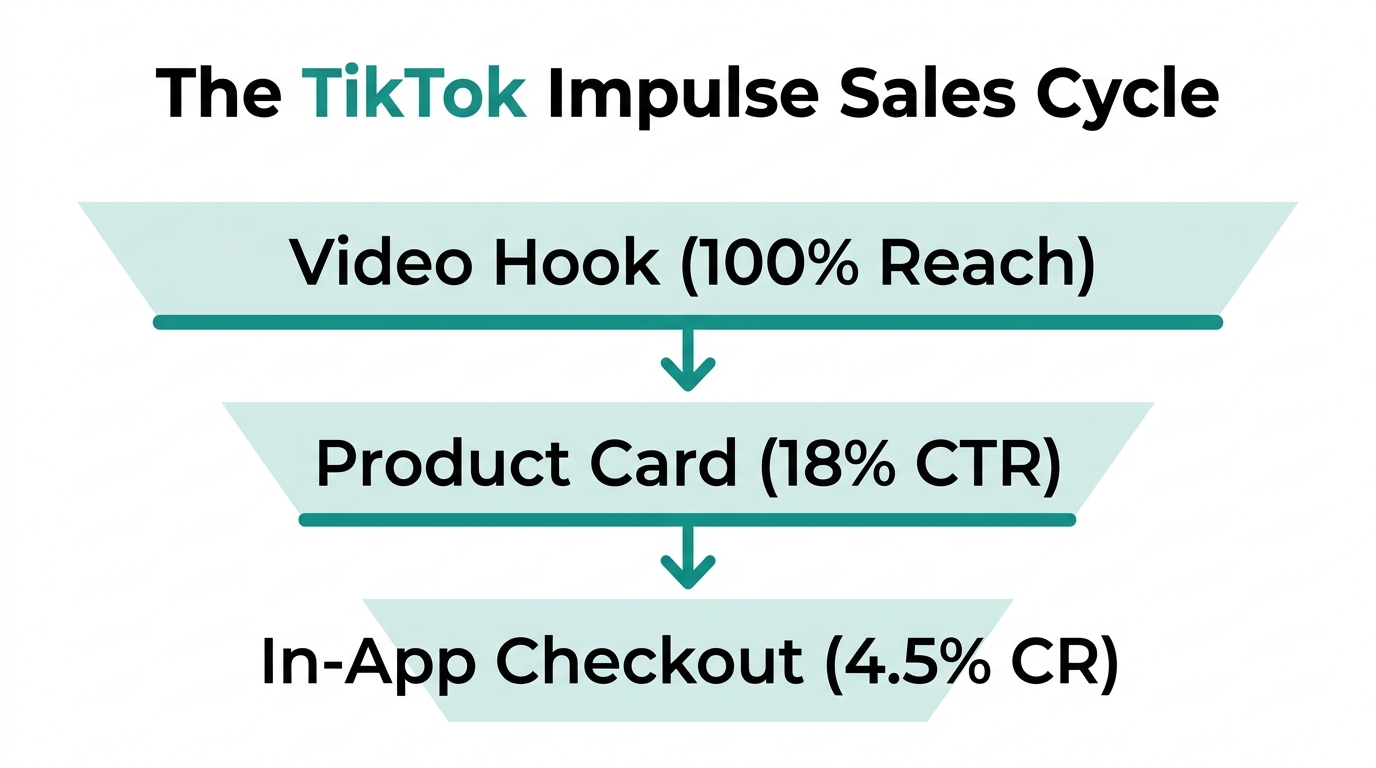
While Google owns the search bar, TikTok owns the scroll. In 2026, 44% of Gen Z product discovery happens on TikTok. The massive advantage here is frictionless in-app checkout. Unlike Google, where a user might click an ad, land on your site, and bounce, TikTok Shop allows for a two-tap purchase without ever leaving the app.
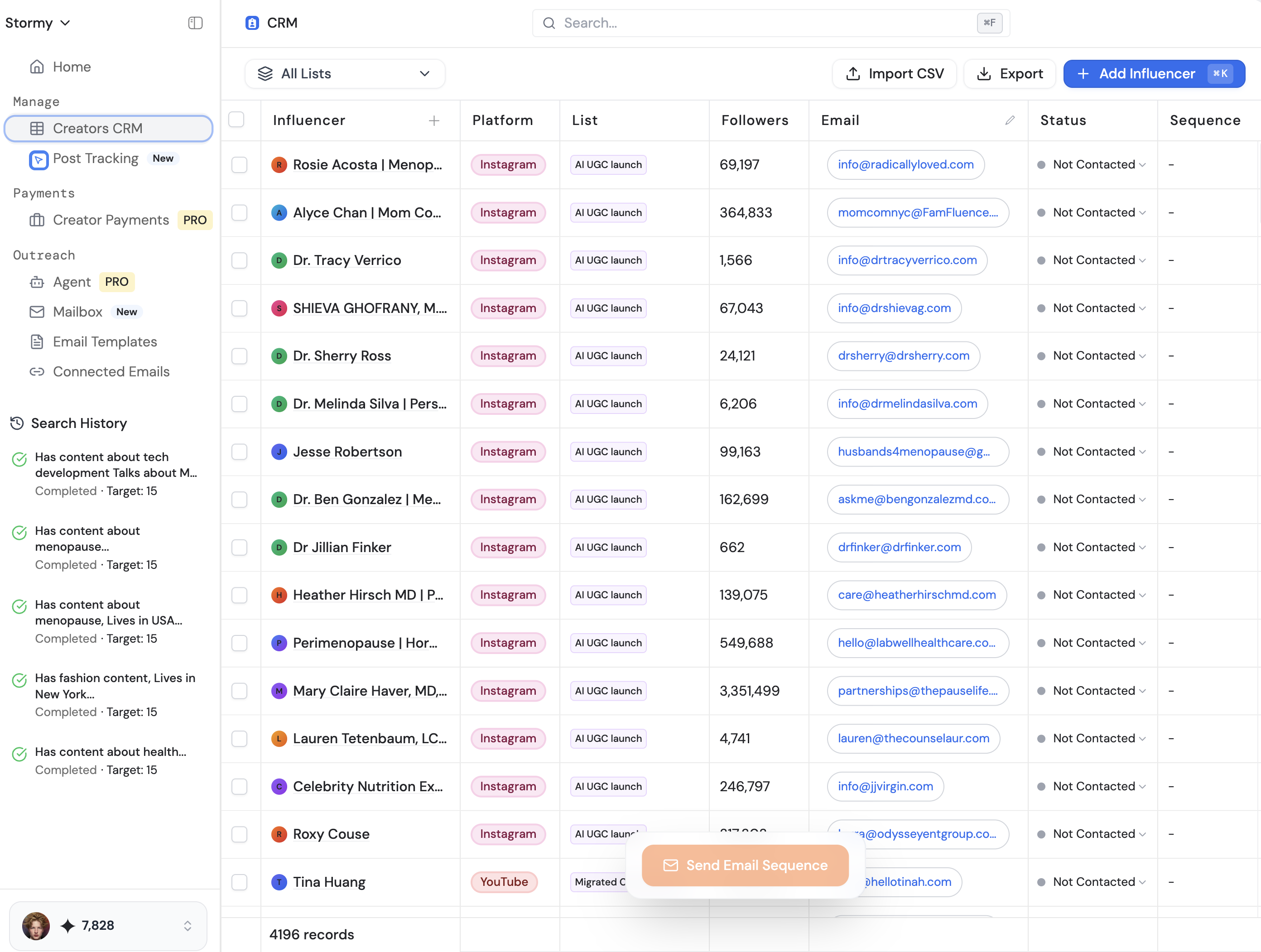
However, this comes with a catch: Creative Burnout. TikTok creative burns out 3x faster than Google Shopping assets. To stay competitive, sellers are using AI-powered tools like Marpipe or CapCut for business to generate dozens of UGC variations. An AI employee like Stormy AI can manage this chaos by tracking which creators are driving the most affiliate sales and automatically sending follow-up emails to those who haven't posted their scheduled content yet.

As research from the American Marketing Association highlights, TikTok’s lower CPMs ($2.60–$6.60) make it a prime channel for testing new products, provided you can maintain the high production volume required to keep the algorithm fed.
"The ad is the targeting. In 2026, your ability to experiment with 100 variations of a single hook is what separates a 1.6 ROAS from a 2.8 ROAS."
Agentic Checkout vs. In-App Purchase
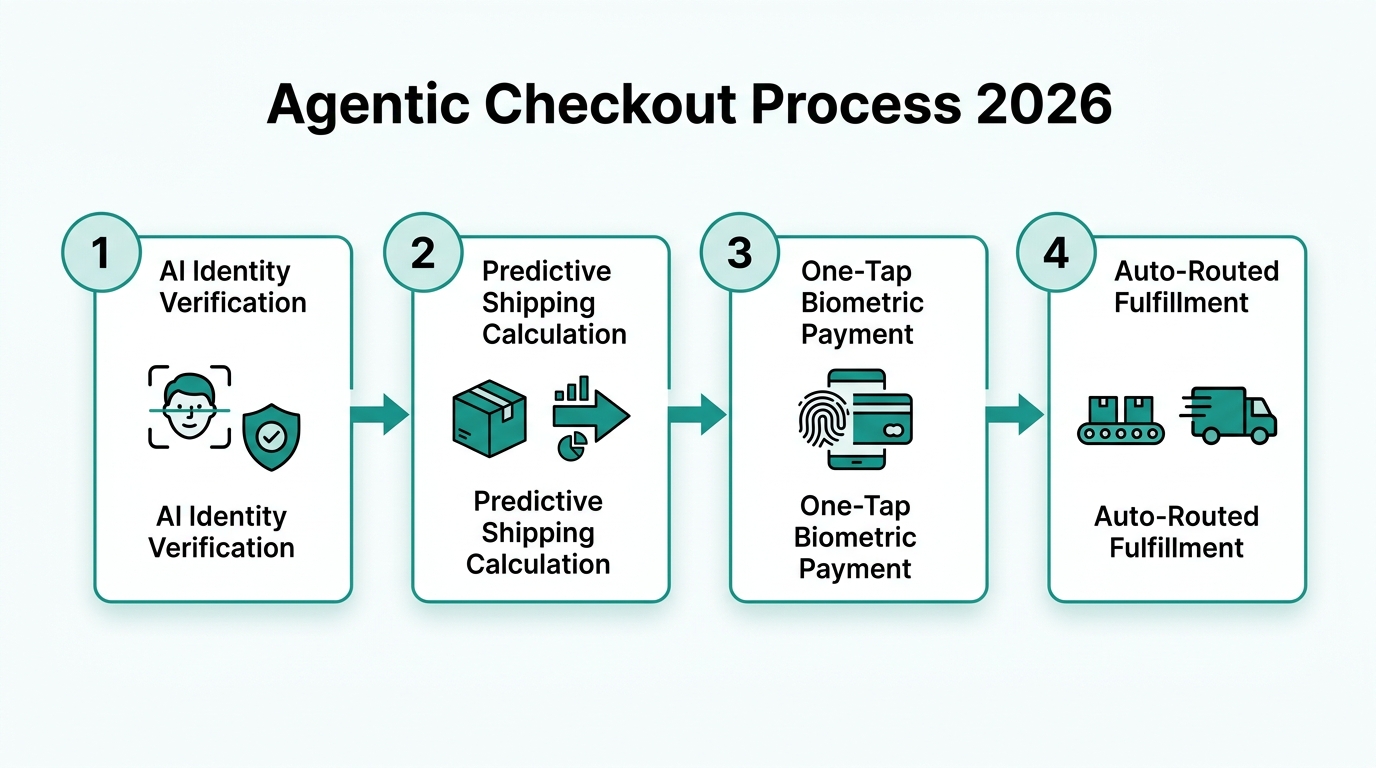
One of the most radical shifts in 2026 is Agentic Commerce. On Google, "Business Agents" now handle customer Q&A directly within the shopping unit. Shoppers can ask, "Is this jacket waterproof enough for a Seattle winter?" and receive a brand-voice response that leads to a Google-hosted checkout experience.
TikTok counters this with its native integration. Because the payment and shipping info are already stored in the app, the conversion rate is often 5x higher than traditional mobile web checkouts. To manage this omnichannel fulfillment, many sellers rely on Stormy AI to sync inventory levels across Shopify, Amazon, and TikTok Shop in real-time. If a product goes viral on TikTok, Stormy can automatically adjust your Google Shopping bids to prevent overspending on a SKU that is about to sell out.
The 2026 Shopify Seller Playbook
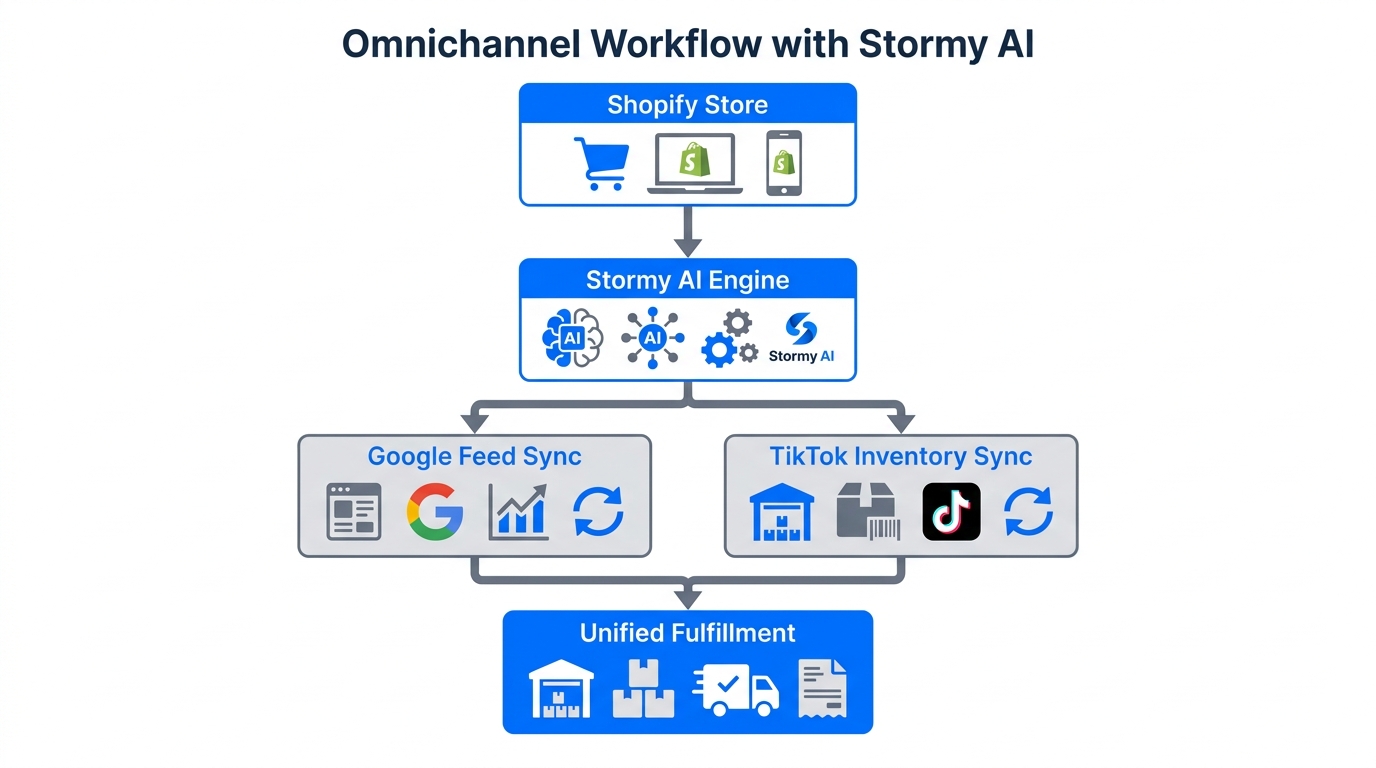
Running a lean ecommerce brand this year requires a structured approach to automation. Here is how to set up your 2026 omnichannel machine:
Step 1: Build a Modular Product Feed
Ensure your Merchant Center Next foundation is solid. In 2026, Google is strictly enforcing a 500x500 pixel minimum for images and requires attributes like fabric_weight and sustainability_standard for UCP eligibility. Use ProductHero to reduce your CPCs by up to 20% through CSS optimization.
Step 2: Deploy Your AI Employee
Connect Stormy AI to your Shopify, Google Ads, and TikTok Ads accounts. Ask Stormy to "Monitor my ROAS across all platforms and flag any campaign where the CPA is 15% above my target." This prevents the "Black Box" drain often seen in PMax campaigns.
Step 3: Scale Creative with Intent
Use AI to generate dozens of hook variations for your TikTok ads. Track the performance of these assets in a shared workbook managed by Stormy AI. When an asset wins on TikTok, Stormy can notify you to adapt it into a YouTube Short for your Google PMax campaigns via Canva or Descript.
The Final Verdict: Where Should You Spend?
In 2026, the most successful Shopify stores aren't choosing one platform—they are using each for its specific strength. Google Shopping is your high-intent infrastructure that captures people ready to buy. TikTok Shop is your growth engine that creates demand where none existed.
The real bottleneck in 2026 isn't the ad platform; it's the operational mess of managing multiple feeds, creator follow-ups, and inventory syncing. By hiring an AI ecommerce employee like Stormy AI, you can automate the boring parts—like checking for suppressed listings or flagging low-margin "Zombie SKUs"—while you focus on high-level strategy. As the data from Smarter Ecommerce proves, the brands that win this year are those that treat their data as infrastructure and their operations as autonomous.