In 2018, Alex was working a standard corporate job while nursing a dream of entrepreneurship. Unlike many who jump headfirst into risky ventures, he took a calculated approach: building a side hustle that eventually replaced his $150,000 salary before he even considered quitting. Today, his flagship site, Finn Versus Finn, is a seven-figure powerhouse. The secret wasn't a magic trick or a viral moment; it was a clinical execution of a modern Google SEO strategy. By identifying high-margin niches before they became mainstream and mastering long tail keyword research, Alex proved that affiliate marketing is far from dead—it has simply evolved. This playbook breaks down the exact steps to finding "blue ocean" opportunities and building a high-revenue niche site building machine.
Identifying High-Margin 'Blue Ocean' Niches
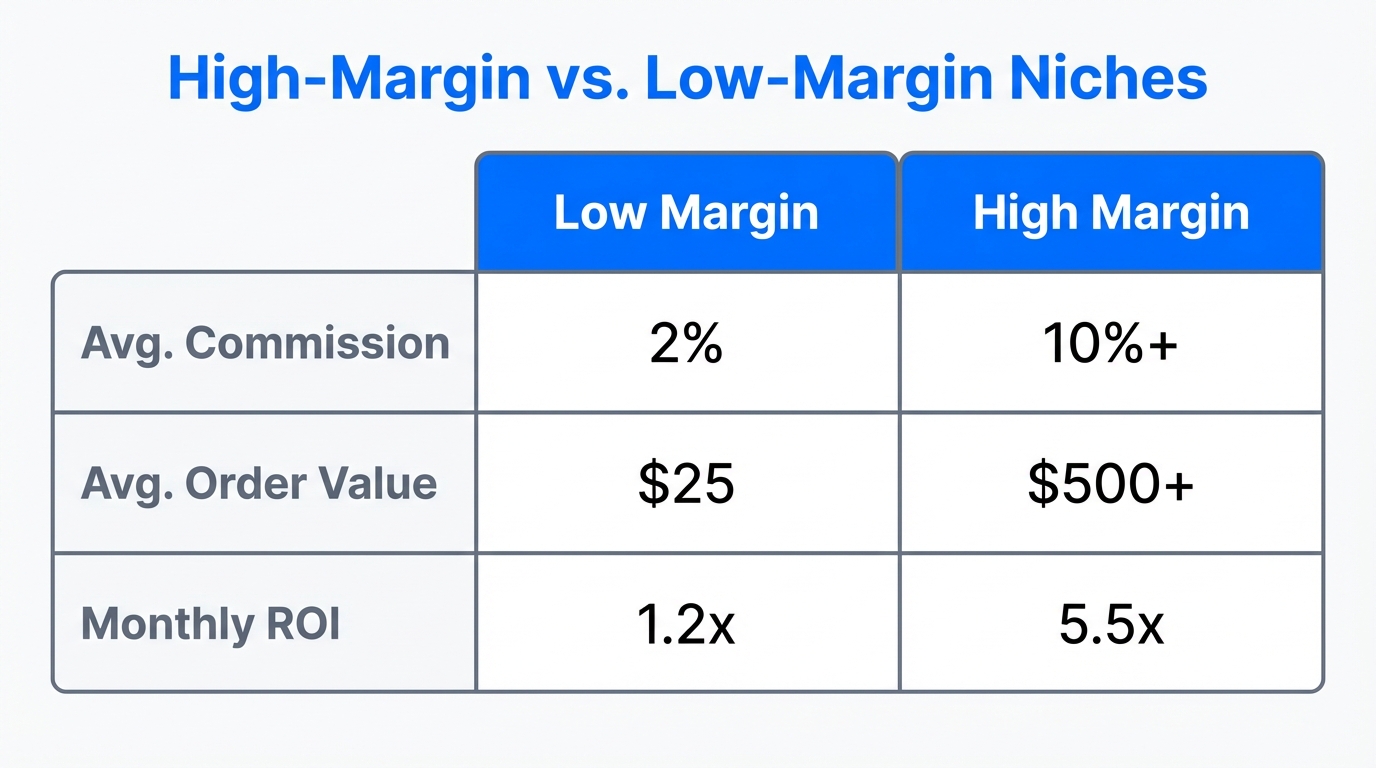
The biggest mistake new affiliate marketers make is entering overcrowded markets like "best credit cards" or "mattress reviews." These spaces are dominated by billion-dollar media conglomerates. To win, you must find industries that are new, high-margin, and high-momentum. When Alex started, he noticed a massive influx of venture capital activity—specifically $100 million Series A rounds—flowing into tele-medicine companies. At the time, there was virtually no content online helping consumers compare these new services. This was a classic "bullseye" opportunity: high search demand with near-zero content competition.
To track these trends, entrepreneurs often use tools like Sensor Tower to see which apps are gaining traction or monitor financial news to see where the money is flowing. When you identify a niche like telehealth in 2018 or perhaps AI-productivity tools today, you aren't just looking for volume; you are looking for high-margin partnerships. You want products where the brand can afford to pay a significant commission because the lifetime value of their customer is high.
"You can't win in a crowded space when you're young and new, but you can win queries that nobody has ever written something for."
The 'Search Intent' Framework: Brand vs. Brand
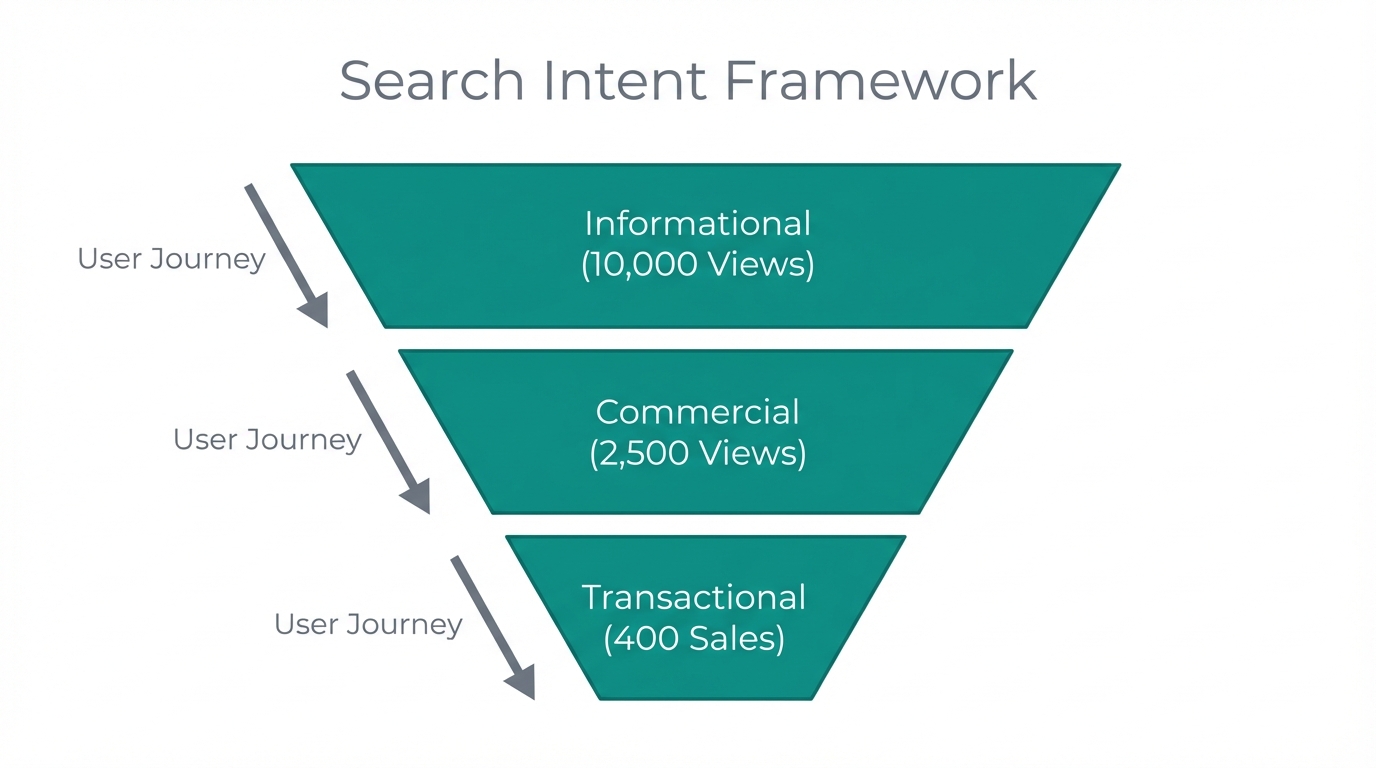
Once you've identified your niche, the next step is mapping out the search intent. Most beginners write generic informational content like "What is tele-medicine?" While this brings traffic, it rarely converts. High-intent traffic comes from users who are at the bottom of the funnel—people ready to pull out their credit card. These users search for comparisons and reviews. Alex's breakthrough came from focusing on the "Brand A vs. Brand B" and "Brand Review" query patterns.
By positioning your site as a middleman between the shopper and the brand, you provide immediate value. For instance, if someone is searching for a comparison between two specific health platforms, they are likely going to purchase one of them within the hour. By providing a clear, honest, and data-driven comparison, you earn the commission. This strategy works exceptionally well when managed through a organized system like Notion to track which brands are being compared and which articles need updating.
| Query Type | Search Intent | Conversion Potential |
|---|---|---|
| What is [Niche]? | Informational / Top of Funnel | Low |
| Best [Product] for [Audience] | Commercial Investigation | High |
| [Brand A] vs [Brand B] | Transactional / Bottom of Funnel | Very High |
| [Brand] Discount Code | Ready to Buy | Maximum |
Executing a Long-Tail Keyword Strategy
To outrank authoritative sites like Forbes or Healthline, you cannot compete on broad head terms. Instead, you must dominate long tail keyword research. These are longer, more specific phrases that have lower search volume individually but collectively represent the majority of search traffic. More importantly, they are often overlooked by big publishers because they are too specific to be worth a massive corporate team's time.
For a new niche site building project, your goal is to be the first to write about a new product or a specific use case. If a new health gadget launches, you should aim to have the first comprehensive review online. Google rewards "freshness" and "expertise." If your site is 100% focused on a specific niche, Google's algorithm starts to view you as a topical authority, allowing you to eventually outrank even the biggest sites for specific terms within your "lane." To keep track of these keywords and your rankings, integrating Google Analytics and Search Console is essential.
The 'Best [Product] for [Audience]' Content Pattern
The most reliable way to convert organic traffic into affiliate sales is the "Best [Product] for [Audience]" content pattern. This isn't just a listicle; it is a curated guide that solves a specific problem for a specific person. Instead of "Best Vitamins," think "Best Post-Natal Vitamins for Vegan Moms." This specificity reduces competition and increases the relevance of your affiliate links.
When writing these pieces, quality is paramount. Stale content will not win on Google. You must provide the most in-depth, concise, and helpful answer to the user's query. This often means testing the products yourself, taking original photos, and providing insights that can't be found in a marketing brochure. For those looking to scale their affiliate content with real user-generated content, platforms like Stormy AI streamline creator sourcing and outreach to provide the social proof that drives conversions.
"Write the very best thing online about that brand. Sometimes that means being more in-depth, sometimes it means being more concise. Just meet the true intent of the query."
Establishing Topical Authority in the Google Algorithm
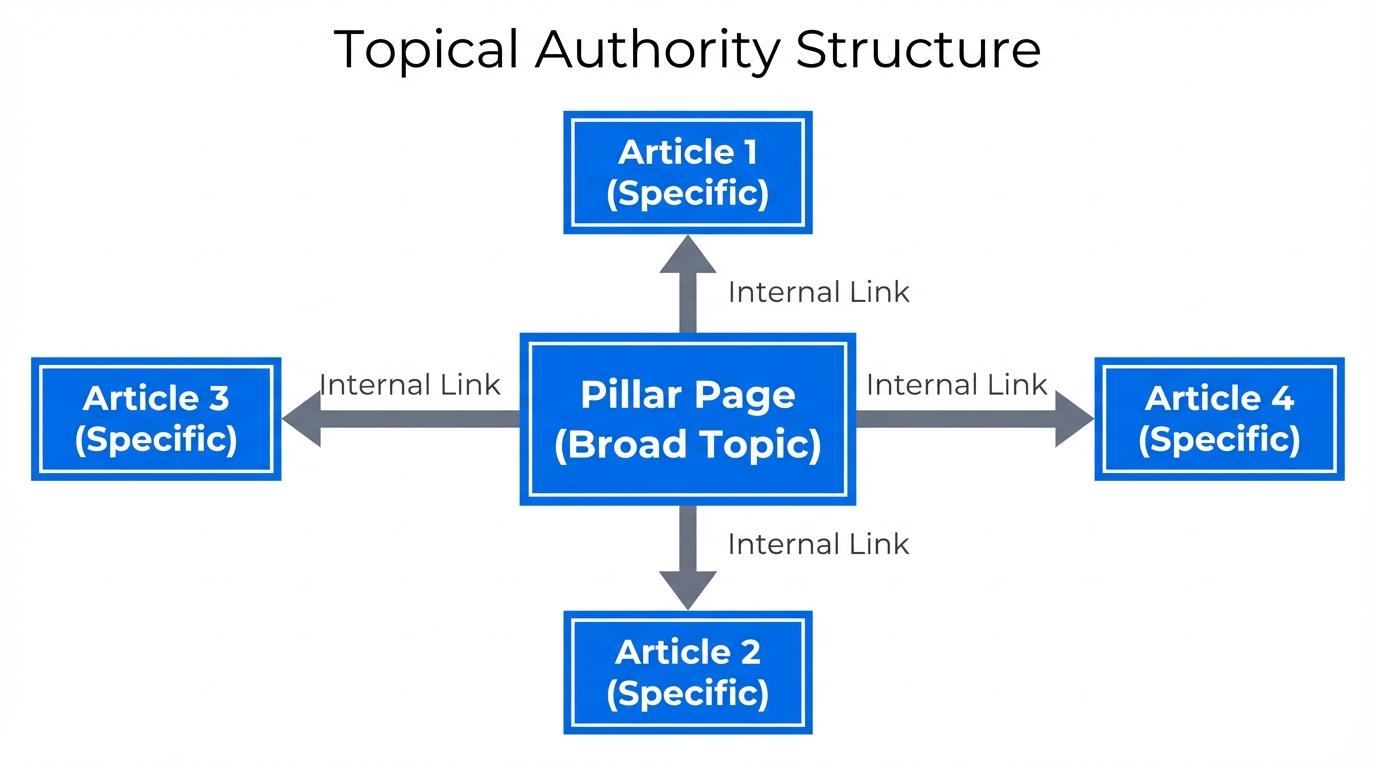
Google's recent updates have placed a heavy emphasis on E-E-A-T (Experience, Expertise, Authoritativeness, and Trustworthiness). To maintain long-term rankings, you cannot simply be a generalist. You must stay in your lane. If your site is about fitness, don't suddenly start writing about crypto. Topical authority is built over time by covering every possible angle of a specific subject.
This is why Alex eventually expanded into a portfolio of six sites. Each site has a narrow focus, allowing them to gain authority quickly in their respective niches. Managing multiple sites requires a robust tech stack. Using a project management tool like Asana or Monday.com helps keep the content production pipeline moving across different domains. As you build authority, you can also leverage your existing partnerships. If you have a great relationship with a brand on one site, you can easily introduce them to your other relevant properties, creating an economy of scale in your affiliate business.
Scaling Beyond Organic: The Paid Media Strategy
While Google SEO strategy is the foundation, the most successful affiliate marketers don't rely on it exclusively. Diversifying your traffic is critical for long-term stability. Alex found success by taking his high-converting affiliate reviews and running paid traffic to them. By using Google Ads or TikTok Ads, you can "buy" traffic for keywords that are too competitive to rank for organically.
This creates a powerful feedback loop. The data from your paid campaigns can inform your long tail keyword research, showing you exactly which terms lead to sales. You can then double down on those terms with your organic content strategy. Furthermore, having an automated system for managing these relationships is vital. Platforms like Stormy AI can automate the process of finding and vetting creators to fuel your paid social ads with fresh content, ensuring your campaigns never go stale.
The $1M Affiliate Playbook: Step-by-Step
- Pick a High-Margin Niche: Look for new industries with VC funding and "considered purchase" products.
- Keyword Discovery: Use tools to find "Brand A vs Brand B" and "Best [Product] for [Audience]" keywords.
- Execute the Content: Write 60 high-quality articles yourself to understand the voice and intent of your audience.
- Direct Partnerships: Once you have traffic, reach out to brands directly rather than just using generic affiliate networks.
- Build the Team: Outsource writing first, then hiring an editor and virtual assistant using Monday.com or similar project management tools to manage your contacts.
- Scale and Diversify: Launch sister sites in related niches and test paid traffic to your winning articles.
Conclusion: The Power of Getting Started
The journey from a side hustle to a million-dollar business isn't about having a perfect plan from day one; it's about momentum. Alex's site made $0 for months before the SEO began to kick in. The key is to choose a broad-based audience, identify their problems, and start helping them. Whether you use Webflow or WordPress to build your site, the underlying principles of Google SEO strategy and long tail keyword research remain the same. Where you start is not where you will end. Stop over-engineering the outcome and start building your first 60 pieces of content today. The high-margin niches are out there—you just have to be the first to claim them.