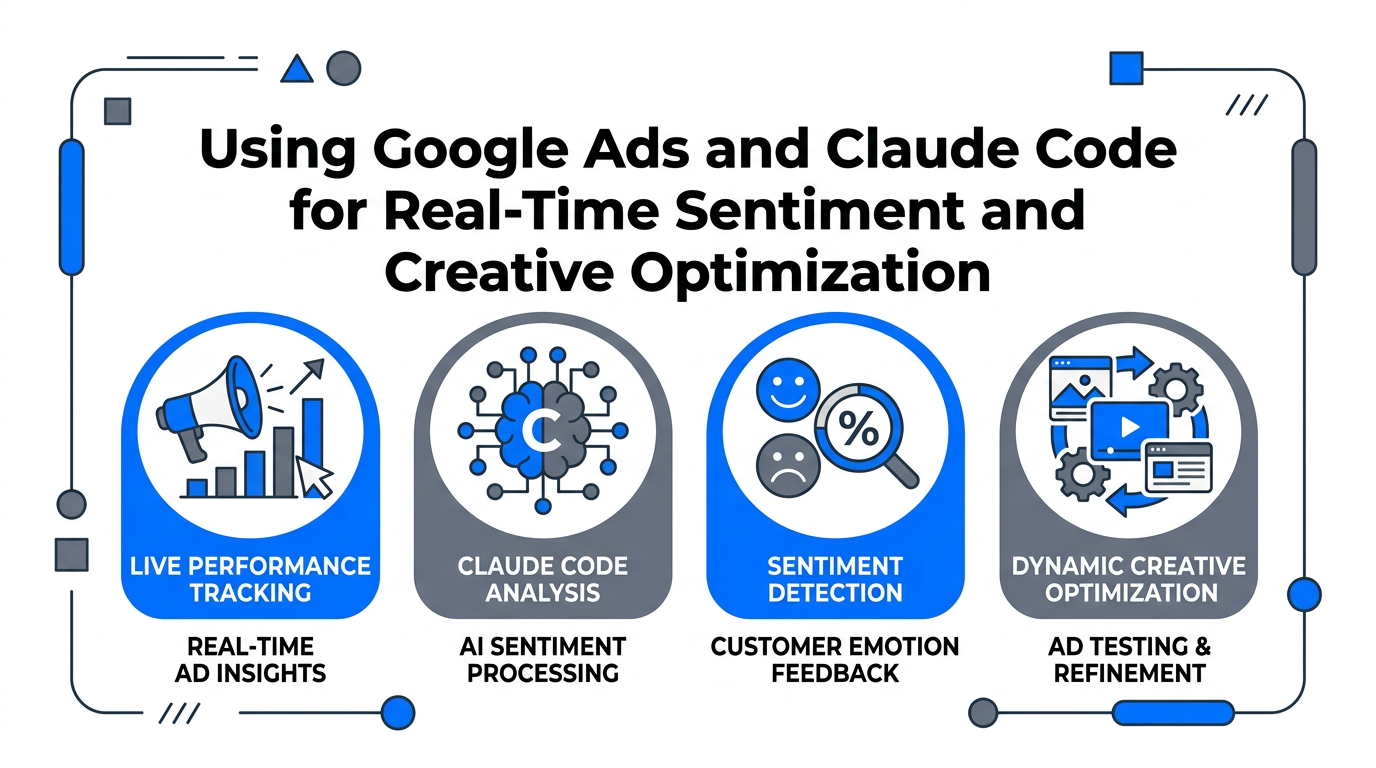
In 2026, the era of the "manual marketer" has officially ended. We have moved beyond the days of static A/B testing and weekly campaign reports into a landscape dominated by **agentic AI**. Today, top-performing brands are no longer just using AI to write copy; they are deploying autonomous partners like Claude Code to bridge the gap between real-time brand sentiment and ad creative execution. This shift toward vibe marketing—where ad messaging evolves as fast as social sentiment—is the new gold standard for performance marketing.
By leveraging Google Ads in tandem with Anthropic’s agentic coding environment, marketers are seeing unprecedented efficiency. The statistics are staggering: agencies implementing these systematic AI automations report a 300% average ROI and a staggering 40–60% reduction in total content production time, according to research from Digital Applied. If you aren't yet using agents to "riff" on your brand voice in real-time, you're likely overpaying for every click.
The Agentic Shift: Why 2026 is Different
The primary trend this year is the Agentic Layer. We’ve graduated from "Chat AI" to tools that actually execute. As of 2026, 90.3% of marketing organizations utilize AI agents somewhere in their martech stack, per data from Averi.ai. The difference lies in autonomy: major platforms are moving toward "self-improving marketing engines" that can optimize entire campaigns based on a simple product description and a budget, as highlighted by Talkwalker.
"Anthropic’s growth team reduced the time to create a single Google Ad from 30 minutes to 30 seconds using Claude Code—a 60x increase in speed to market."
Early adopters using Claude for automated bidding and creative optimization have already seen a 30% reduction in Cost Per Acquisition (CPA) on average, according to performance data from Stormy AI. This isn't just about speed; it's about the ability to process emotional data and pivot strategies before a human manager even finishes their morning coffee.
| Feature | Traditional Ad Ops (Pre-2025) | Agentic Ad Ops (2026) |
|---|---|---|
| Creative Production | Manual design & copy updates | Automated 100+ variations via Figma-to-Ads |
| Sentiment Response | Reactive (weekly updates) | Real-time adjustment based on live vibes |
| Data Integration | Manual CSV exports & pivot tables | Direct API/MCP connection (Claude Code) |
| Campaign Audits | 2-4 hours per account | 10-15 minutes via automated agent scripts |
Vibe Marketing: Leveraging Claude Code for Sentiment Analysis
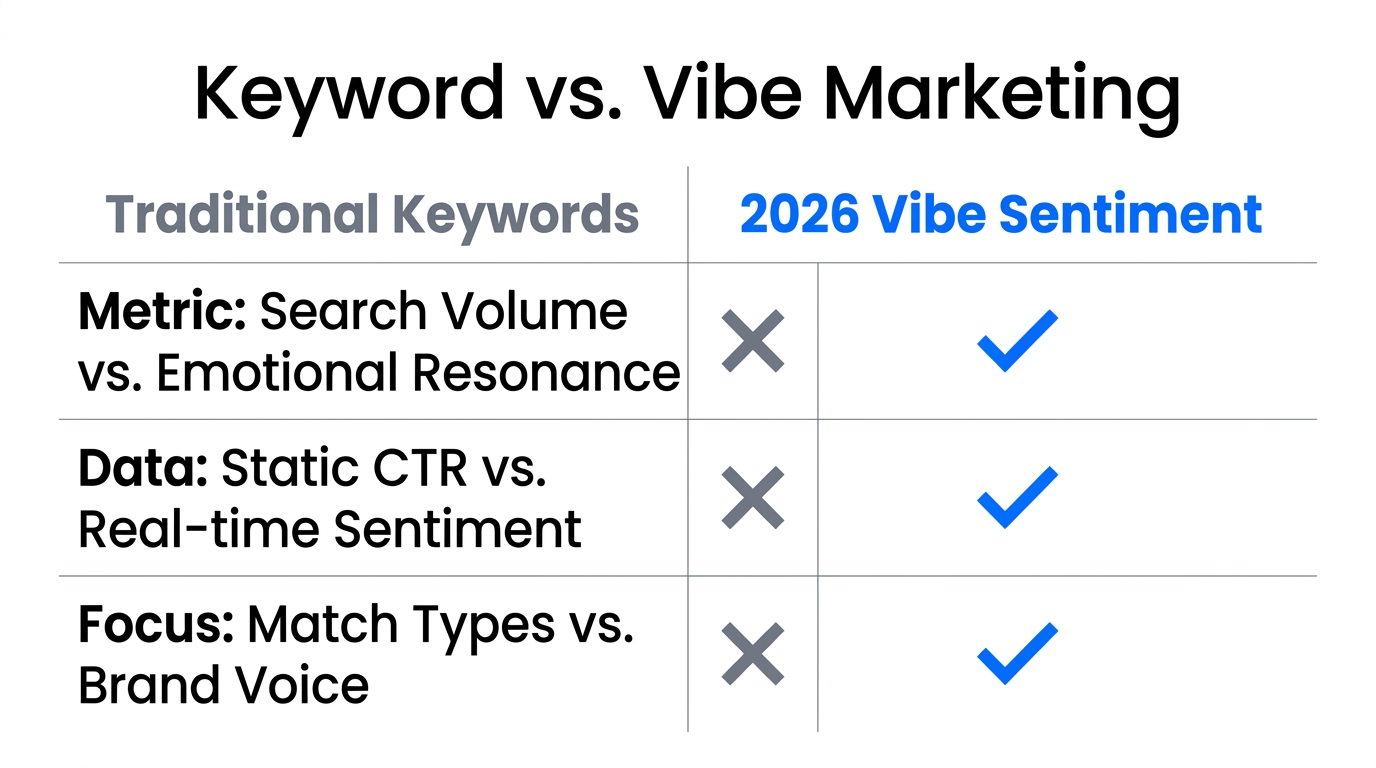
What exactly is "Vibe Marketing"? In 2026, keywords are the baseline, but the "vibe" is the differentiator. Vibe marketing is the practice of using agentic AI to track brand sentiment in real-time and automatically adjust ad messaging or visuals to match emotional trends. For example, if a specific niche on TikTok suddenly shifts from "maximalist" to "quiet luxury" aesthetics, a Claude Code-powered agent can detect this shift and update your Google Display Network banners within minutes.
This approach, pioneered by agencies like the Azarian Growth Agency, ensures that your brand never feels "out of pocket" or behind the times. By plugging Claude Code into live sentiment feeds, you can move from rigid brand guidelines to fluid brand vibes that resonate with the current cultural moment.
The Figma-to-Ads Pipeline: Automating Creative at Scale
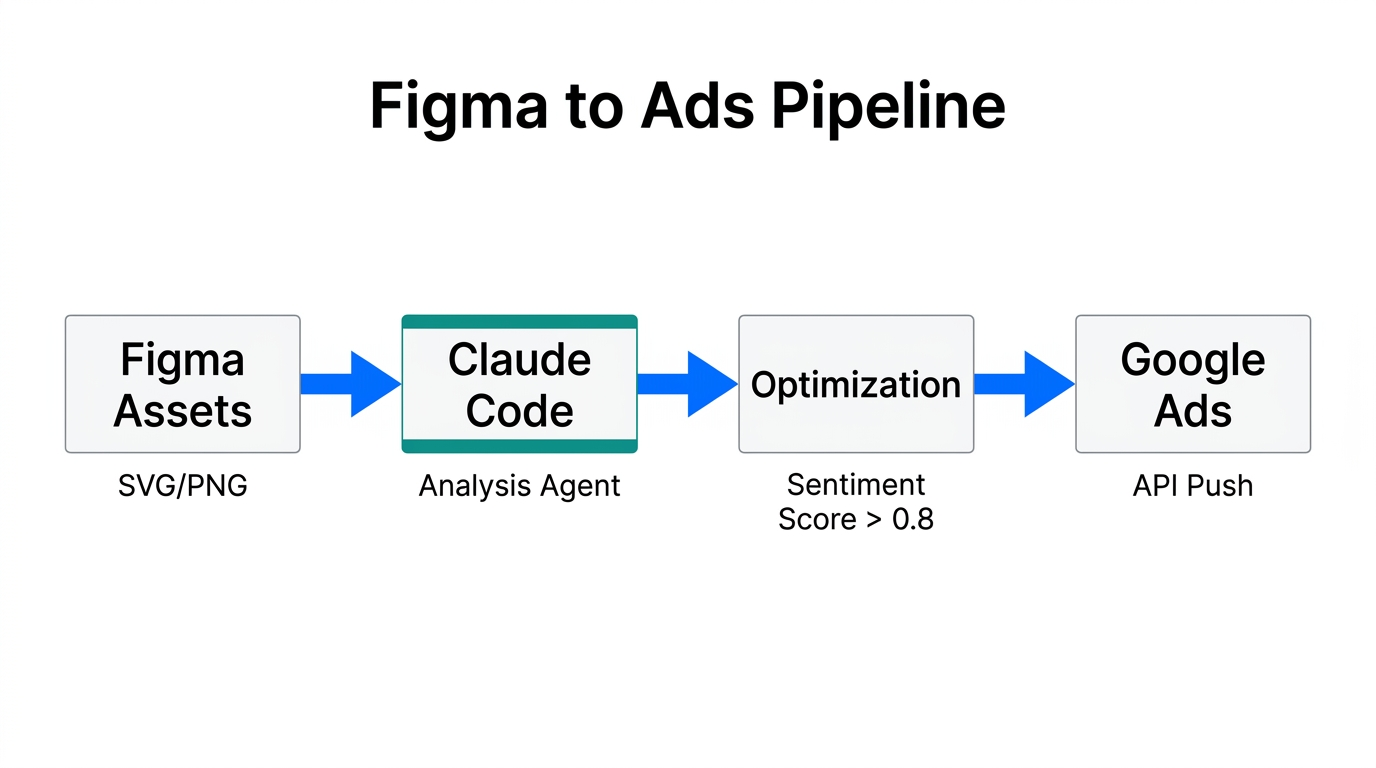
One of the most powerful use cases for Claude Code is building custom plugins for design tools like Figma. Modern growth teams are using Claude to build scripts that take ad copy from Google Sheets and automatically generate over 100 on-brand banner ad variations in seconds. This pipeline eliminates the bottleneck between the "big idea" and the "upload button," as detailed by Gigazine.
When you combine this creative volume with influencer-led content, the results are even more potent. Many brands are now using Stormy AI to discover top-tier UGC creators, then using Claude Code to analyze the best-performing video transcripts and instantly turn them into hundreds of high-converting search and display ads.
"The work is in the 'riffing'—the back-and-forth with Claude to refine brand voice until the automated copy feels human." — Austin Lau, Growth Marketing at Anthropic.
Playbook: Setting Up Your Agentic Google Ads Environment
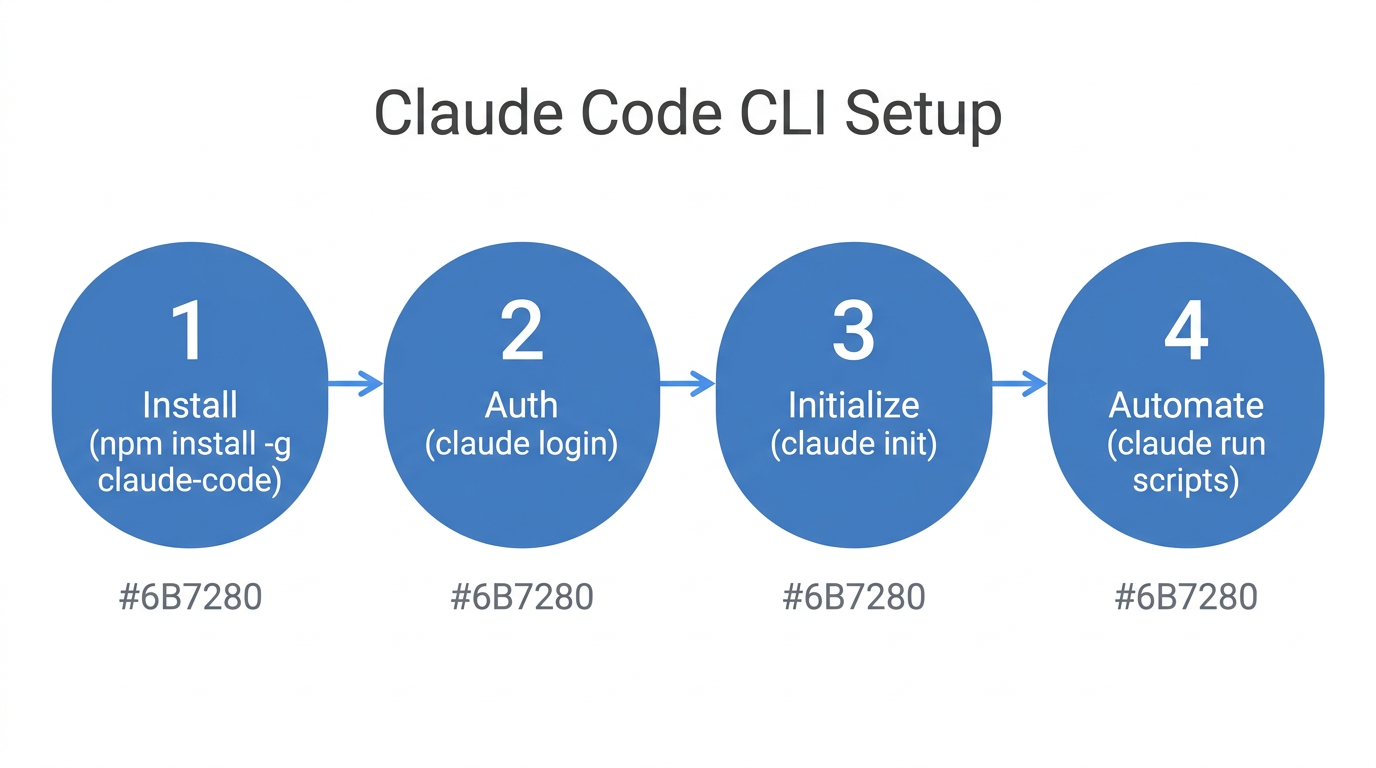
Ready to move beyond basic prompting? Follow this technical workflow to turn Claude into your lead ad operations agent.
Step 1: Install the Claude Code CLI
The first step is moving from the web interface to the command line. Install the Claude Code CLI to give the agent access to your local campaign files and scripts. This allows Claude to write and debug code directly in your marketing workspace.
Step 2: Connect the Google Ads MCP Server
The Model Context Protocol (MCP) is the standard for 2026. You must install the official Google Ads MCP server. This acts as a secure bridge, allowing Claude to "fetch" live data, such as ROAS or click-through rates, without you ever having to download a spreadsheet.
Step 3: Define Custom Slash Commands
Create a CLAUDE.md file in your project directory. This acts as a "memory" for your agent. Define specific skills, such as:
- /audit: Tells Claude to pull the last 30 days of data and flag any campaign where CPA is 2x the target.
- /rsa: Pulls your product URL and generates 15 headlines and 4 descriptions for a Responsive Search Ad, formatted for direct CSV upload.
Step 4: Use Zero-Code Connectors for Quick Wins
If you aren't a developer, use middleware like Ryze AI or Adzviser. These tools provide a "1-click" connection for Claude to pull marketing data and apply changes directly to your account.
Moving Beyond Keywords: Emotional Trend Alignment
In 2026, automated Google Ads creative is about more than just matching a search term. It's about matching the intent and emotion of the user. By using Claude to analyze live account data via MCP, you can detect when certain "emotional hooks" are fatiguing. Agencies like TripleDart now use these automated audits to deliver full account health reports in under 15 minutes.
To succeed here, you must stop asking for "better keywords" and start providing Claude with GAQL (Google Ads Query Language) schemas. Ask the agent to find "exact match keywords with >1000 impressions and <1% CTR" to identify creative mismatches instantly. This level of granular analysis is only possible when the agent has a direct line to your data via an MCP Playground.
The 2026 Ad Ops Safety Manual: Best Practices
While the speed of agentic AI is intoxicating, it requires new safety protocols. Here is how the pros manage their AI agents in 2026:
- Credential Management: Never ask Claude to "remember" your API keys. Use environment variables or local
config.yamlfiles to keep your Google Ads account secure. - Batch Operations: Google Ads APIs have strict execution limits. Use Claude Code to build "batch operation" patterns to avoid script timeouts, a common issue noted by Expertia AI.
- The "Riffing" Rule: Don't settle for the first output. Use Claude as a brainstorming partner. The best brand voice comes from 3-4 rounds of "riffing" to refine the tone.
- Context is King: Use tools like Zapier to feed Claude data from your internal databases, ensuring your ads aren't just getting clicks, but are driving actual revenue.
Conclusion: The Future is Agent-Native
The separation between strategy and execution has vanished. As Scott Brinker recently noted on Martech.org, we are now in the age of Agent-native content operations. By integrating Claude Code into your Google Ads workflow, you aren't just automating tasks; you're building a self-correcting marketing engine that thrives on real-time sentiment.
Start small. Install the Claude CLI, connect an MCP server, and ask it to audit your last 30 days of performance. Once you see the speed and depth of an agentic audit, you'll never go back to manual reporting again. And when you're ready to scale that sentiment into creator-led campaigns, Stormy AI is here to help you find the influencers who will drive your next wave of high-performing creative.