Welcome to 2026, where the marketing landscape has undergone its most radical transformation since the invention of the search engine. We have officially moved past the era of "Chat AI"—where marketers spent their days wrestling with prompts to get a decent blog post—and entered the era of Agentic AI. Today, high-growth organizations aren't just using AI to write copy; they are using autonomous partners like Claude Code to architect, execute, and optimize entire Google Ads AI automation 2026 strategies in real-time.
The results of this shift are nothing short of staggering. Marketing teams that have successfully integrated agentic workflows are reporting a 300% average ROI increase and a 40–60% reduction in total content production time, according to data from Digital Applied. If you are still manually adjusting bids or spending hours drafting Responsive Search Ads (RSAs), you aren't just behind the curve—you're operating in a different decade. This guide explores the growth strategies required to scale your performance marketing using the latest agentic layers.
The 2026 Shift: From 'Chat' to 'Action'
In 2024 and 2025, AI was a tool you talked to. In 2026, AI is a tool that acts. The primary differentiator this year is the Agentic Layer. This refers to the ability of models like Claude 3.5 and its successors to execute multi-step sequences across different software environments without constant human hand-holding. For performance marketers, this means 90.3% of marketing organizations now utilize AI agents somewhere in their martech stack to handle the heavy lifting of data analysis and campaign execution.
"2026 is the year of agent-native content operations, where the wall between strategy and execution has finally collapsed."
We are seeing platforms move toward "self-improving marketing engines." As noted by Talkwalker, major advertising ecosystems are integrating agentic tools that can optimize an entire multi-channel campaign based on nothing more than a product description and a target ROAS. This isn't just basic automation; it’s autonomous decision-making that evolves as consumer sentiment shifts.
How Claude Code is Redefining Efficiency
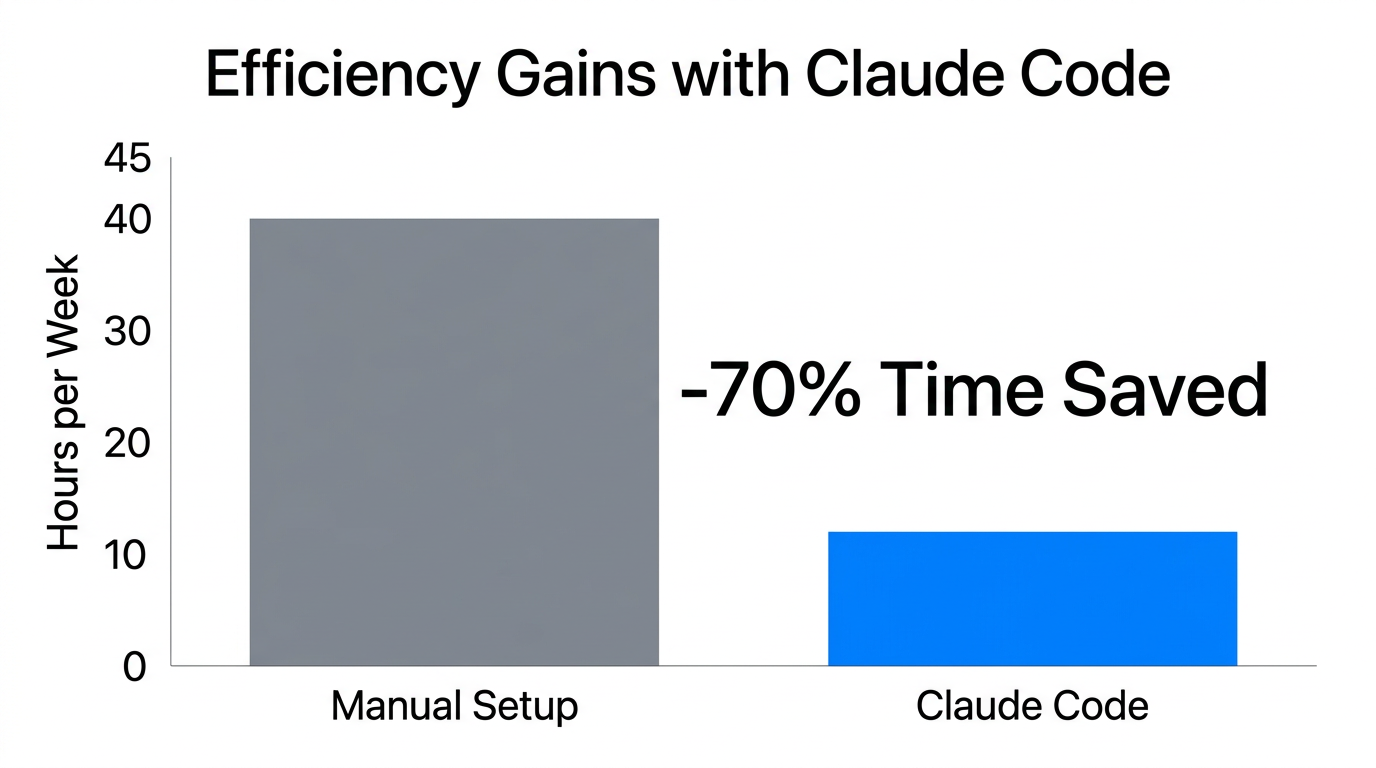
The most prominent example of this efficiency jump comes from Anthropic’s own growth team. By utilizing Claude Code, they reduced the time required to create a single high-quality Google Ad from 30 minutes to just 30 seconds. They achieved this by building custom slash commands within the Claude Code terminal environment that interface directly with their brand guidelines and historical performance data.
| Feature | Traditional Automation (2024) | Agentic AI (2026) |
|---|---|---|
| Ad Creation | Manual drafting with AI assistance | Autonomous generation via `/rsa` command |
| Optimization | Rule-based (If X, then Y) | Context-aware sentiment & vibe adjustments |
| Data Integration | Manual CSV exports/uploads | Real-time API syncing via MCP |
| Scaling | Linear (Requires more headcount) | Exponential (Agents handle volume) |
By using a custom command like /rsa [topic], marketers can now pull existing ad copy, campaign performance metrics, and landing page data to generate 15 headlines and 4 descriptions that are pre-validated for brand voice and ready for instant upload. This level of Claude Code for marketing growth allows small teams to execute at the scale of a global agency.
Case Study: Reducing CPA by 30%
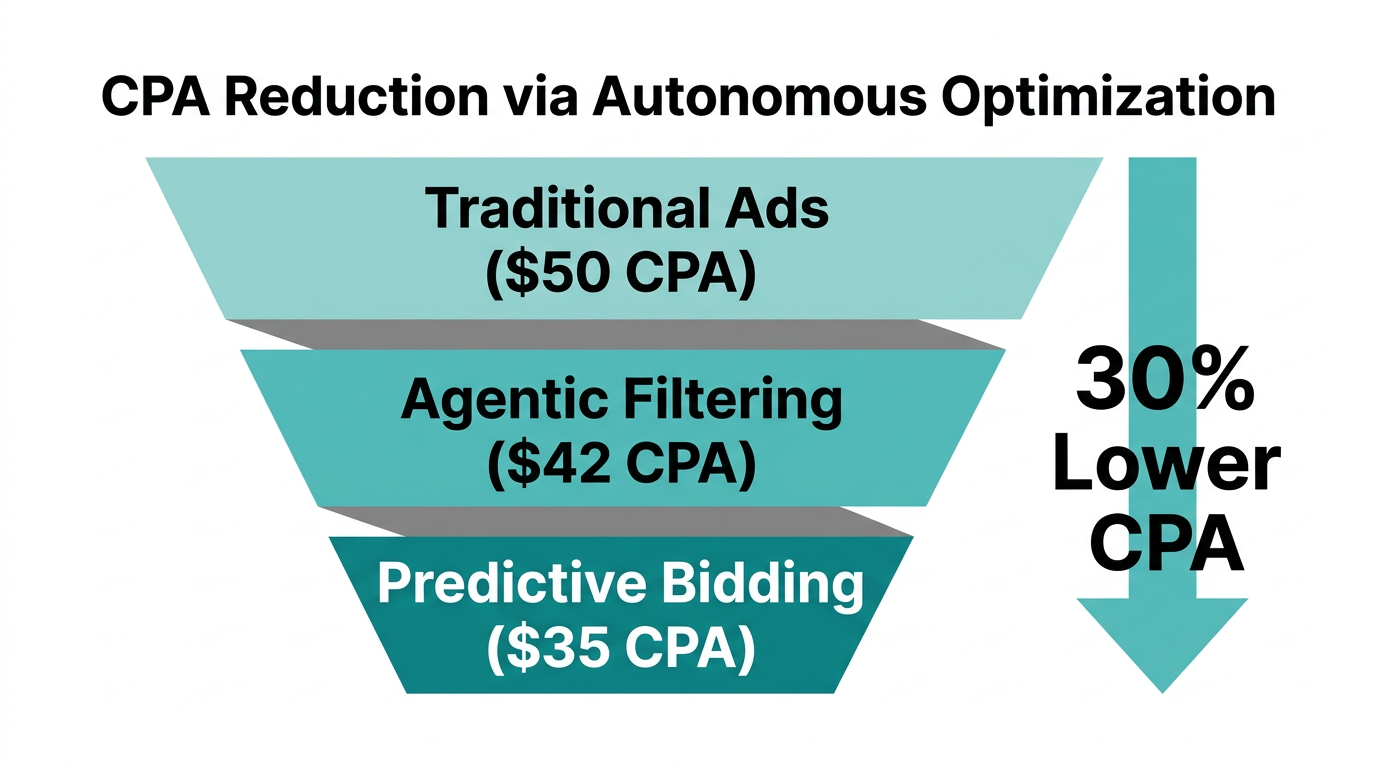
Beyond speed, the most critical metric for any performance marketer is the Cost Per Acquisition (CPA). Early adopters of agentic workflows have seen a 30% reduction in CPA on average. Much of this improvement comes from the ability of AI agents to perform "Vibe Marketing"—a 2026 trend where ad messaging is adjusted in real-time based on emotional trends and brand sentiment analysis. Agencies like the Azarian Growth Agency are leading the charge here, using Claude to monitor social signals and automatically pivot ad creatives before the human team even sees the morning coffee brewing.
For brands looking to source the creators who fuel these high-performing ads, platforms like Stormy AI have become essential. By using agentic AI performance marketing tools, brands can identify creators whose audience sentiment perfectly aligns with their current campaign goals, ensuring that the top-of-funnel UGC flows seamlessly into the bottom-of-funnel Google Ads machine.
"The work is in the 'riffing'—the back-and-forth to refine copy over time. Claude is the perfect partner for this iteration loop." - Austin Lau, Growth Marketing at Anthropic
The Playbook: Scaling Google Ads with AI
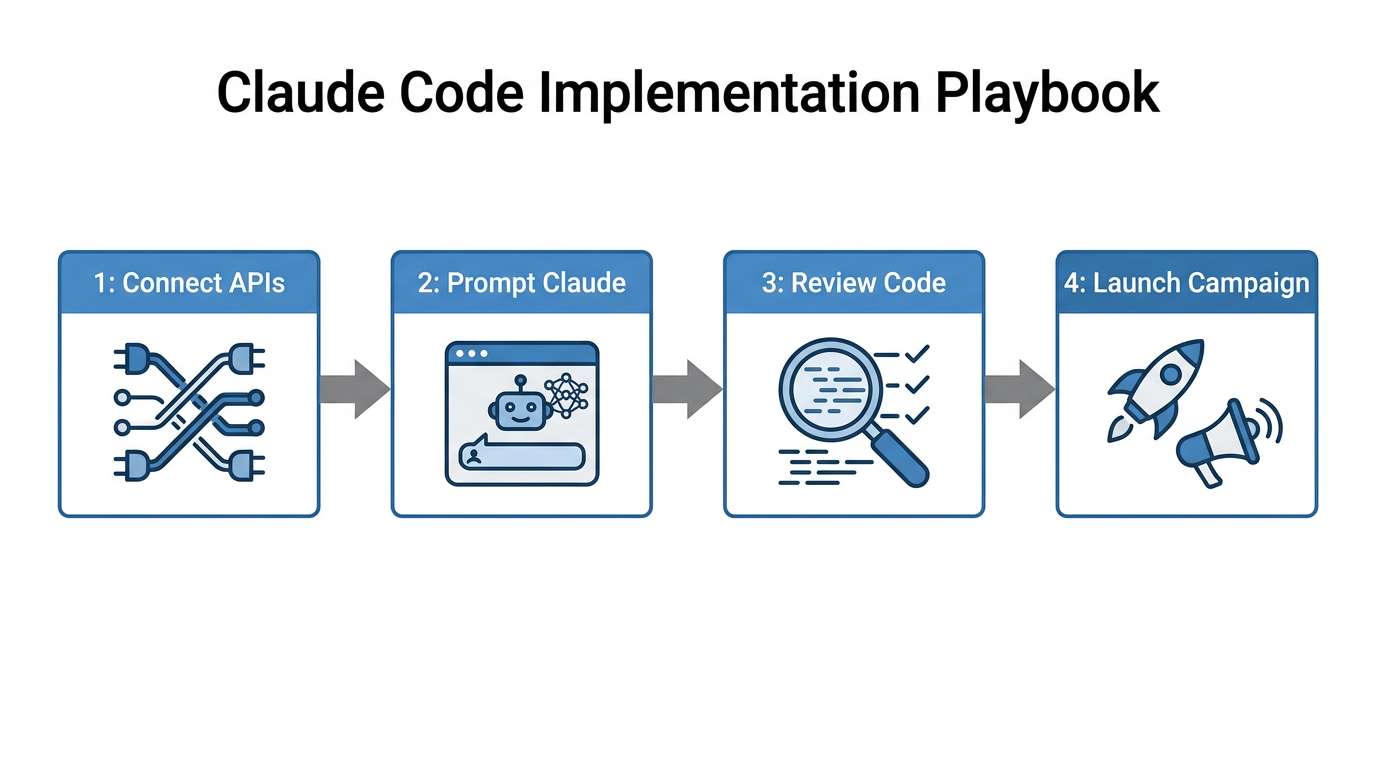
Transitioning to an agentic workflow requires more than just a Claude subscription; it requires a new technical stack. Follow this step-by-step playbook to set up your own autonomous marketing engine.
Step 1: Establish the Agentic Environment
First, you must move your operations into a terminal-based environment where Claude has permission to interact with your files. Install the Claude Code CLI and initialize it in your marketing project directory. This gives the agent the "hands" it needs to write scripts and manage your ad assets.
Step 2: Connect the Model Context Protocol (MCP)
The secret sauce of 2026 marketing is the Model Context Protocol (MCP). This protocol allows Claude to securely "plug in" to live data sources without manual exports. You should install the official Google Ads MCP server. Once connected, Claude can "read" your account performance, fetch keyword insights, and even suggest budget reallocations based on live ROAS data.
Step 3: Build Your Skill Library
Create a CLAUDE.md file in your root folder to define specific "Skills" or commands. This ensures consistency across your team. Recommended skills include:
- `/audit`: Fetches the last 30 days of data and flags campaigns where CPA exceeds 2x the target.
- `/creative-pivot`: Analyzes current underperforming ads and suggests new visual/copy angles based on successful competitors.
- `/bulk-upload`: Formats generated ads into a Google Ads Editor-compatible CSV.
The Rise of Agent-Native Content Operations
As we scale Google Ads with AI, the nature of the marketing team itself is changing. Scott Brinker, VP of Platform Ecosystem at HubSpot, recently highlighted that we are entering the era of agent-native content operations. In this model, human marketers act as "orchestrators" or "editors-in-chief" rather than individual contributors. They set the strategy and the guardrails, while the agents handle the high-volume execution.
Agencies like TripleDart are already proving this model works. By using the Google Ads MCP to automate account audits, they have reduced the time for a full report from several hours to just 10–15 minutes. This allows their specialists to focus on high-level strategy and client relationships rather than data entry. This trend is also evident in creative production, where marketers use Claude Code to build Figma plugins that automatically generate hundreds of on-brand banner variations from a single spreadsheet.
Avoiding the Pitfalls of Over-Automation
While the ROI potential is massive, the risks of "set and forget" marketing are equally significant. Gartner predicts that 40% of agentic AI projects will fail by 2027, primarily due to a lack of human oversight. To ensure your scaling Google Ads with AI efforts succeed, keep these warnings in mind:
- Human-in-the-Loop: Never allow an AI agent to push live budget or bid changes without a human approval step. Use Claude to suggest the change, but keep the final "Apply" button for yourself.
- Credential Security: As warned in Forbes, never hard-code your API keys. Use environment variables to keep your Google Ads account secure.
- API Quotas: Google Ads Scripts have strict limits. Use Claude to build efficient "batch operation" patterns to avoid timing out, a technique often discussed by PPC experts like Nils Rooijmans.
- Precision Prompting: Avoid vague requests. Use specific GAQL (Google Ads Query Language) schemas when asking Claude to find data. This ensures the agent returns exact matches for high-impression, low-CTR keywords.
Conclusion: The 2026 Growth Mandate
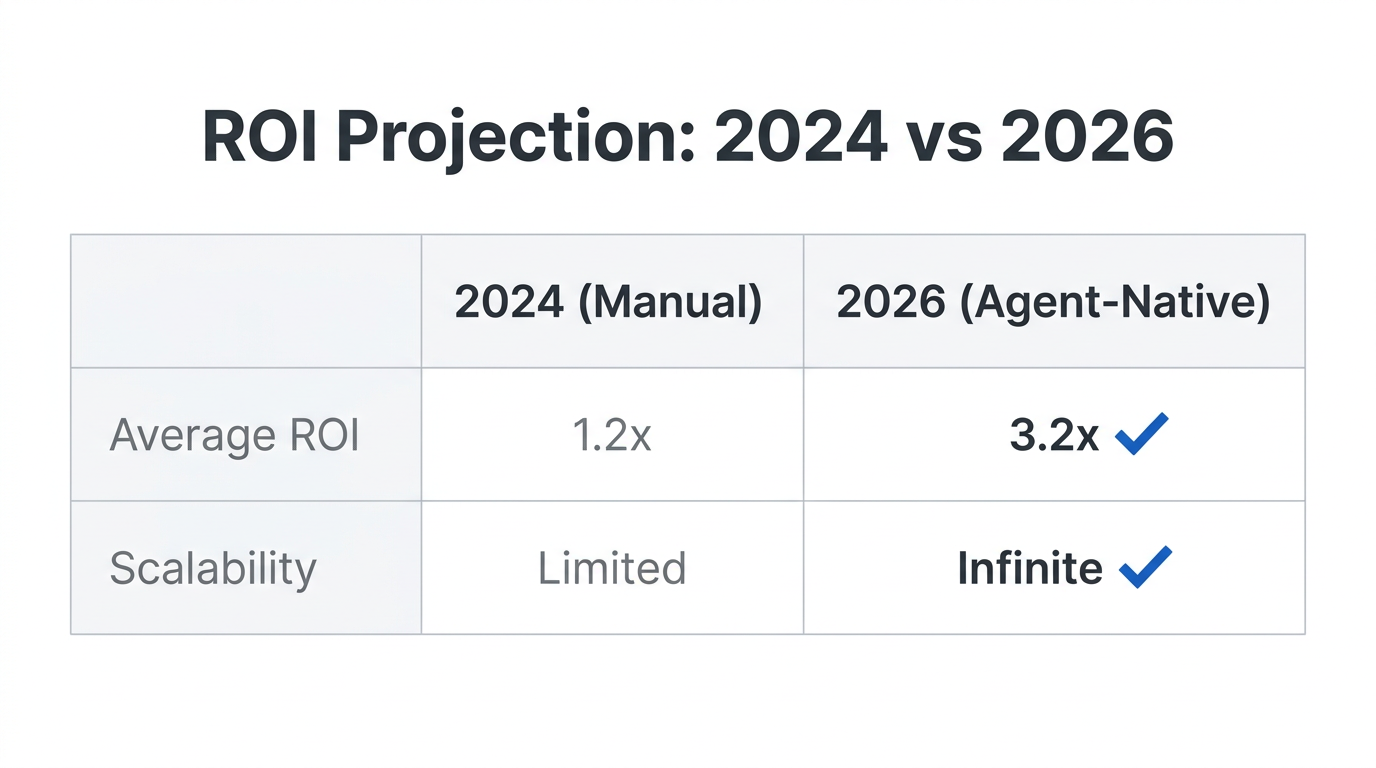
The gap between the "AI-curious" and the "AI-agentic" is widening every day. In 2026, maximizing ROI isn't about working longer hours or hiring more managers; it's about building a robust agentic layer that can handle the complexity of modern performance marketing at light speed. By leveraging Claude Code and the Model Context Protocol, you can transform your Google Ads account from a manual burden into a self-optimizing growth engine.
Remember, the goal is not to replace the marketer, but to amplify their impact. Whether you are using Zapier connectors to bridge your workflows or writing custom terminal scripts, the mandate for 2026 is clear: Automate the execution, so you can dominate the strategy.