In 2026, the landscape of digital advertising has moved far beyond simple automation. We have officially entered the era of Agentic AI, where the Google Ads AI Agent has evolved from a basic bidding tool into a semi-autonomous strategist capable of managing the complexities of Performance Max (PMax) campaigns. For growth marketers and app developers, this shift means that the competitive advantage is no longer just about having a high budget—it is about how effectively you can direct the AI to solve creative fatigue and data quality issues. With over 80% of advertisers now utilizing AI-driven bidding, the real winners in 2026 are those mastering advanced asset strategies to drive google ads ai agent pmax efficiency.
The Rise of Agentic AI in PMax: Beyond Automation
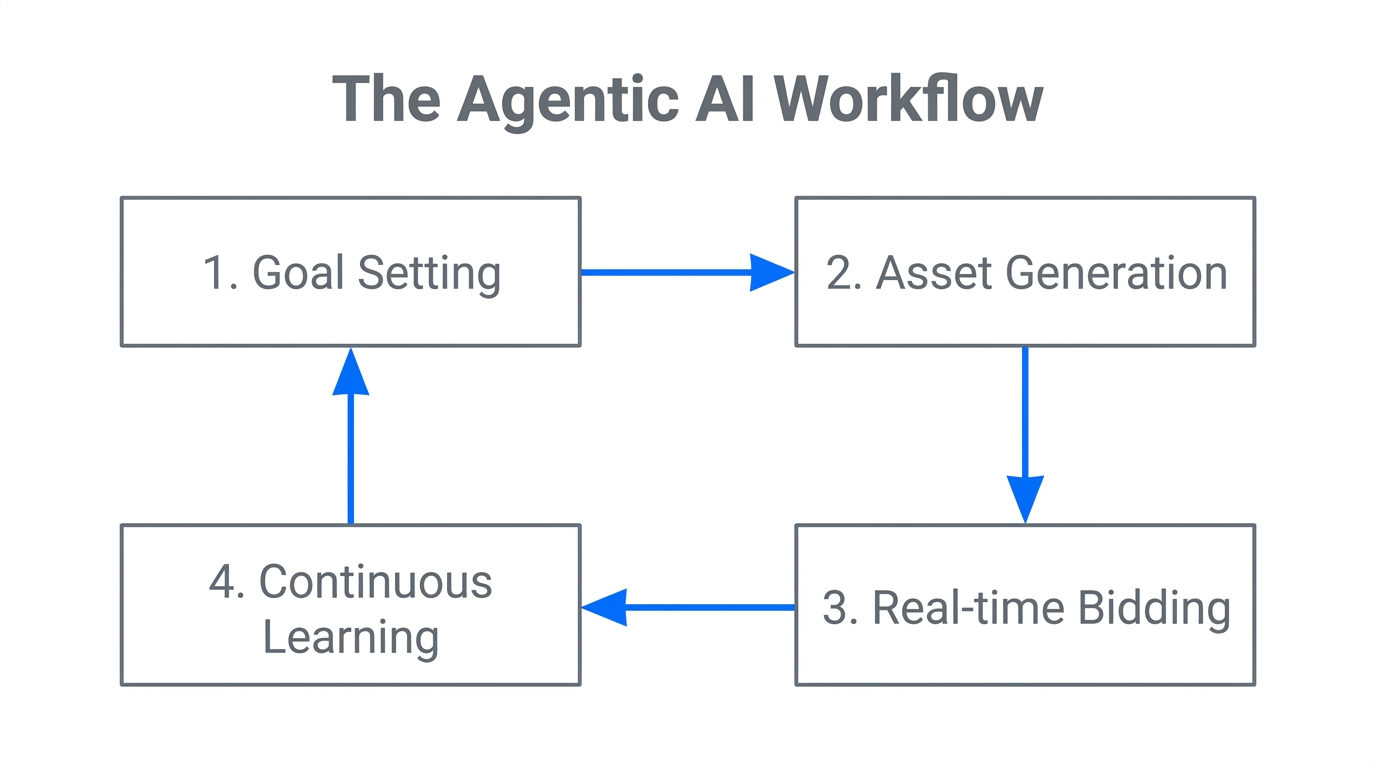
The google ads ai agent pmax ecosystem is no longer a "black box" that marketers fear; it has become a conversational partner. Through tools like Adsroid and Google's native Ads Advisor, advertisers can now interact with their accounts to troubleshoot policy issues and suggest budget reallocations in real-time. This shift toward agentic behavior allows for a more fluid performance max optimization 2026 workflow.
According to research from Google's latest reports, small businesses using conversational AI to build campaigns are 63% more likely to publish campaigns with high ad strength. However, the true power of the agent lies in its ability to process visual search data—which now accounts for over 20 billion searches per month via Google Lens—and turn that intent into high-converting Shopping and Demand Gen ads.
"The Google Ads AI Agent is your 'Chief Simplifier Officer.' It handles the 80% of grunt work so you can focus on the 20% of high-level strategy that drives profitability."
Scaling Creatives: Leveraging Asset Studio for 20+ Variations
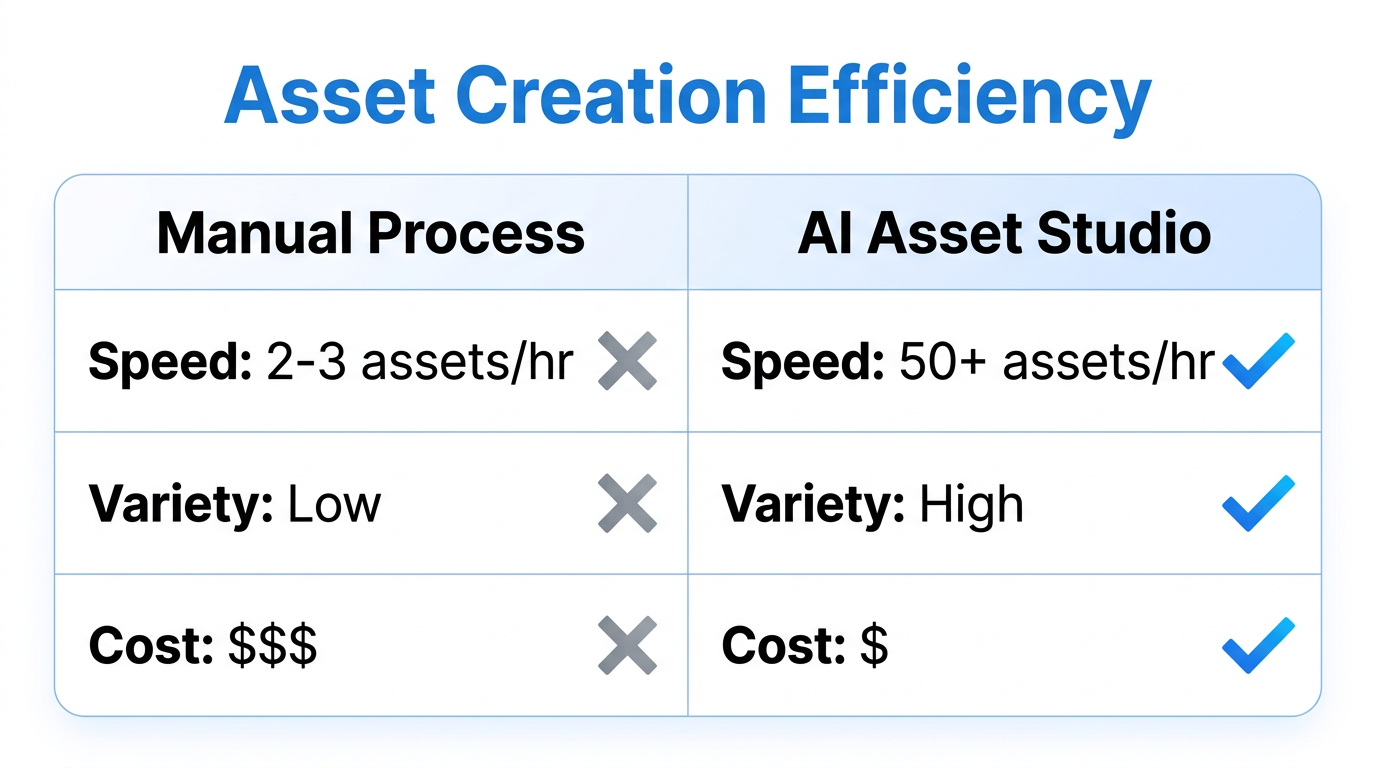
One of the biggest bottlenecks in performance max optimization 2026 is creative fatigue. The AI agent requires a massive amount of "raw material" to test and find winning combinations. By using the google ads asset studio, marketers can now generate and iterate on ai generated ad creatives at a scale previously impossible for human design teams.
To maximize the AI Agent's learning capacity, you should aim to provide the maximum allowed assets for every Asset Group:
- 20 High-Quality Images: Mix lifestyle, product-focused, and AI-enhanced visuals.
- 5 Engaging Videos: Include vertical (Shorts), horizontal, and square formats.
- 15 Headlines & 5 Descriptions: Use a mix of human-written emotional hooks and AI-generated utility copy.
When sourcing these assets, many top-tier brands are now combining AI generation with User-Generated Content (UGC). For instance, sophisticated marketers use platforms like Stormy AI to discover high-performing creators on TikTok and YouTube, then feed that raw footage into the Google Ads AI Agent to create dozens of variations tailored for PMax. This synergy between human creativity and AI-driven iteration is the gold standard for roas improvement strategies.
| Asset Type | Traditional Approach | AI Agent Approach (2026) |
|---|---|---|
| Static Images | 3-5 professional photos | 20+ AI-enhanced variations via Asset Studio |
| Video Content | One 30-second spot | Dynamic slicing of UGC & synthetic video |
| Copywriting | Manual A/B testing | Real-time synthetic copy generation and rotation |
| Optimization | Monthly refreshes | Daily autonomous adjustments based on intent |
Case Study: How KEH Camera Achieved 10x ROAS
The success of the google ads ai agent pmax is best illustrated by real-world performance. KEH Camera, a leader in the photography resale market, faced the challenge of managing a massive, fluctuating inventory across multiple channels. By unifying their data feeds with Performance Max and allowing the AI agent to autonomously allocate budget based on real-time inventory levels, they saw a staggering 76.3% boost in sales.
More importantly, the company maintained a 10x ROAS on their short-term sales campaigns. This wasn't achieved by just "setting and forgetting" the campaign. They used the Google Ads AI Agent to process first-party data, identifying high-value lookalike audiences who were most likely to trade in their old gear. This strategy aligns with the expert consensus from firms like Blue Flame Thinking, who advocate for humans providing the business context while AI handles the execution.
Preventing Budget Waste: Negative Keyword Themes
A common mistake in performance max optimization 2026 is assuming the AI knows exactly where *not* to show your ads. Without proper guardrails, the google ads ai agent pmax can drift into expensive, low-intent search terms or even competitor brand names that don't convert. To combat this, you must implement account-level negative keyword themes.
Even in the age of autonomous agents, manual auditing is essential. Experts at Search Engine Journal warn that relying solely on AI to find the right audience can lead to "hallucinations" where the algorithm over-optimizes for clicks rather than profit. By adding negative lists for "scam," "support," or "free" (if applicable), you force the AI to stay within the high-intent boundaries of your target market.
"AI optimizes for what it can see—clicks and conversions. It doesn't see your profit margins unless you feed it the right data and negative constraints."
Avoiding the 'Junk Lead' Trap with New Customer Goals
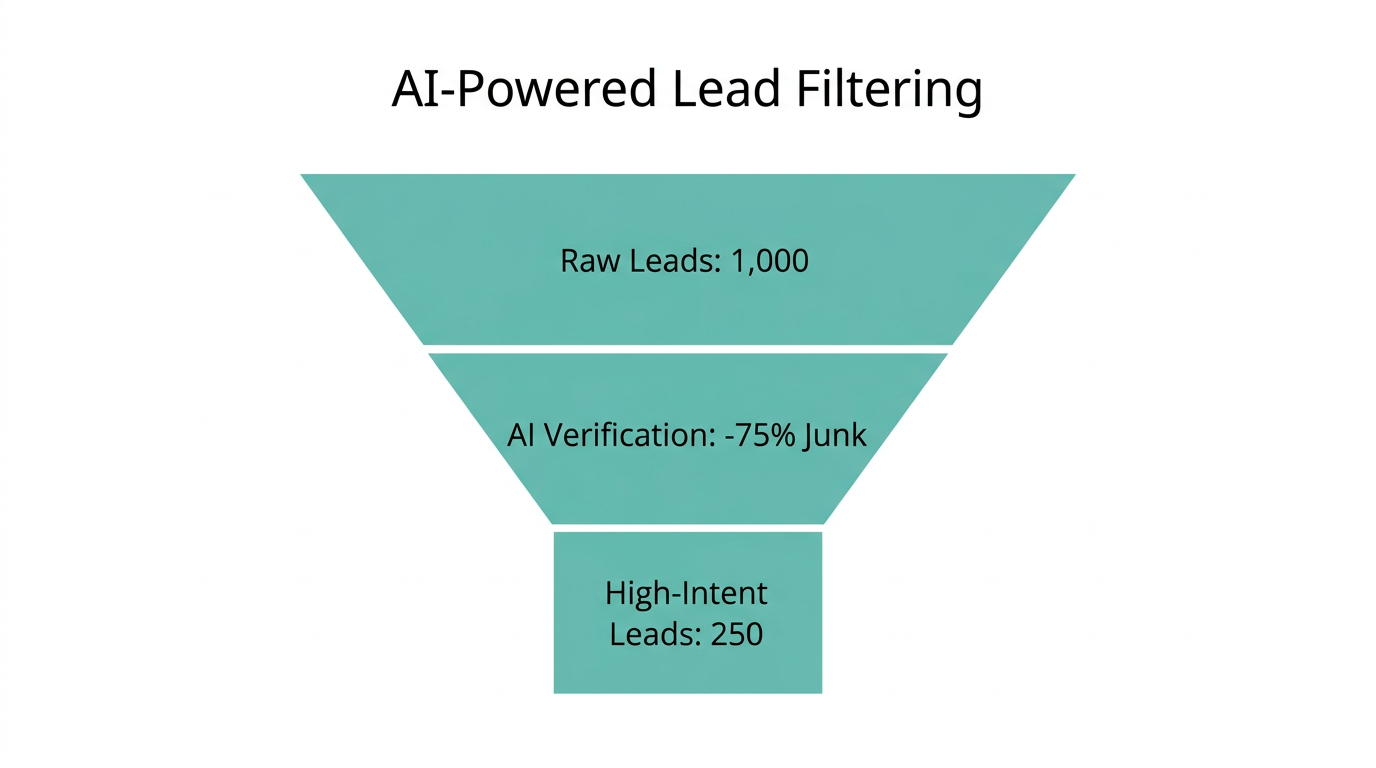
For lead generation advertisers, PMax has historically been a double-edged sword. While it drives volume, it often invites bot traffic. In 2026, the strategy has shifted toward using New Customer Acquisition goals combined with specialized bot-protection agents.
To avoid the "junk lead" trap, follow this 2026 playbook:
- Set New Customer Goals: Tell the Google Ads AI Agent to bid higher for users who have never interacted with your brand.
- Integrate First-Party Data: Use tools like Metaflow AI to sync your CRM data directly with Google Ads, allowing the agent to optimize for qualified leads rather than just form fills.
- Enable Bot-Protection: Use third-party scripts or agentic tools like PPCrush.ai to monitor real-time traffic quality and automatically exclude suspicious IPs.
As noted by Growth Way Advertising, misusing PMax for lead gen without these protections is one of the fastest ways to drain a marketing budget. Instead, focus the AI on down-funnel actions (e.g., "Schedule a Demo" vs. "Download Ebook") to ensure the roas improvement strategies are based on actual revenue potential.
Real-Time Testing: Human vs. Synthetic Copy
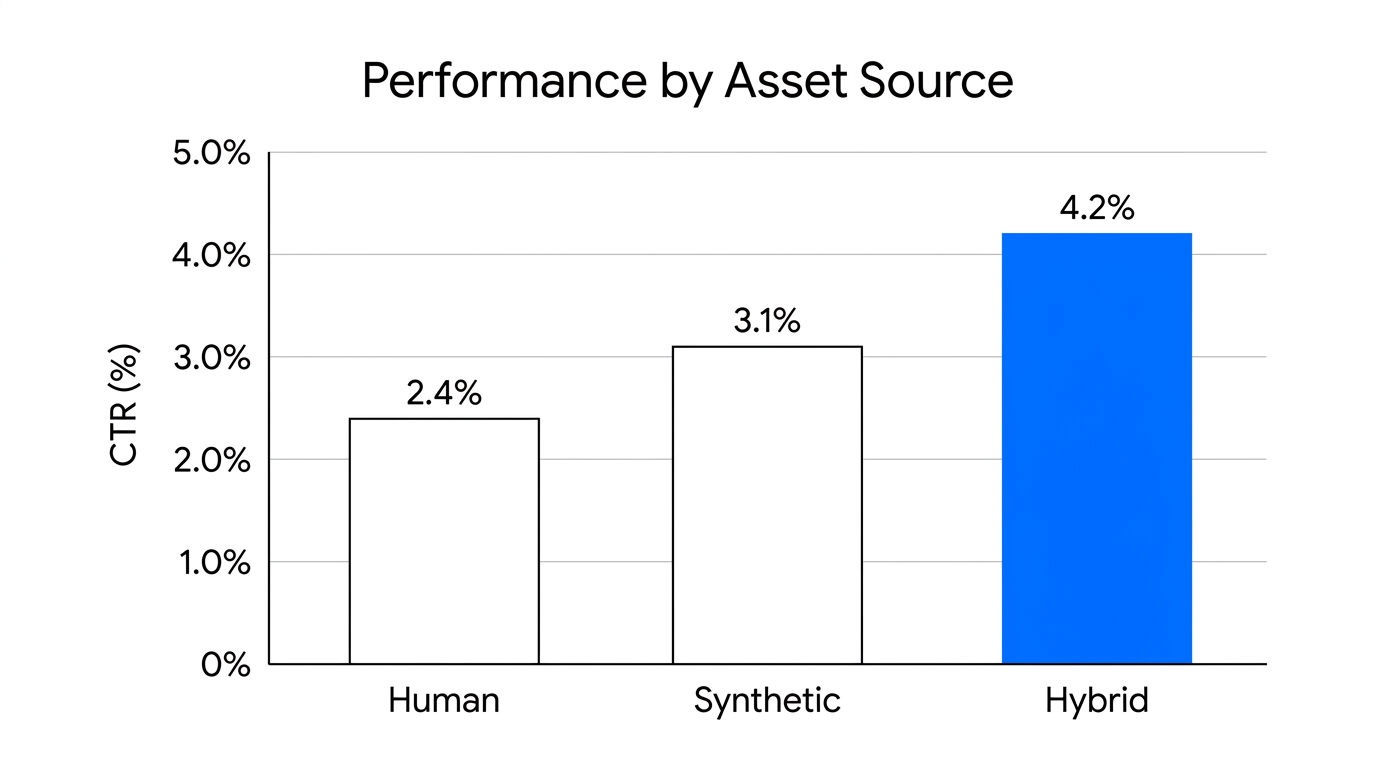
A fascinating trend this year is the rise of dynamic creative A/B testing between human-written and synthetic copy. The google ads asset studio allows you to instantly generate headlines that mirror the intent of a user's visual search. But does it perform better than a skilled copywriter?
The 2026 data suggests a hybrid approach. AI is exceptionally good at utility-based copy (e.g., "Fast Shipping on All Cameras"), while humans still win on emotional storytelling and brand voice. Using the Google Ads AI Agent, you can run experiments where 50% of the traffic sees ai generated ad creatives and 50% sees human-crafted copy. This real-time feedback loop ensures that your performance max optimization 2026 remains grounded in what actually resonates with your audience.
Conclusion: The Agentic Advantage
Scaling Performance Max in 2026 requires a shift in mindset from manager to director. By leveraging the google ads ai agent pmax to handle asset generation, inventory syncing, and real-time bidding, you free yourself to focus on the data hygiene and high-level strategy that the AI cannot replicate. Whether it's unifying feeds like KEH Camera or using google ads asset studio to solve creative fatigue, the tools are now available to achieve unprecedented ROAS.
For those looking to take their creative strategy even further, integrating third-party AI discovery tools like Stormy AI can provide the high-quality creator content necessary to fuel the Google AI engine. By feeding the AI Agent the best possible "raw material," you ensure that your performance max optimization 2026 efforts lead to long-term, profitable growth.