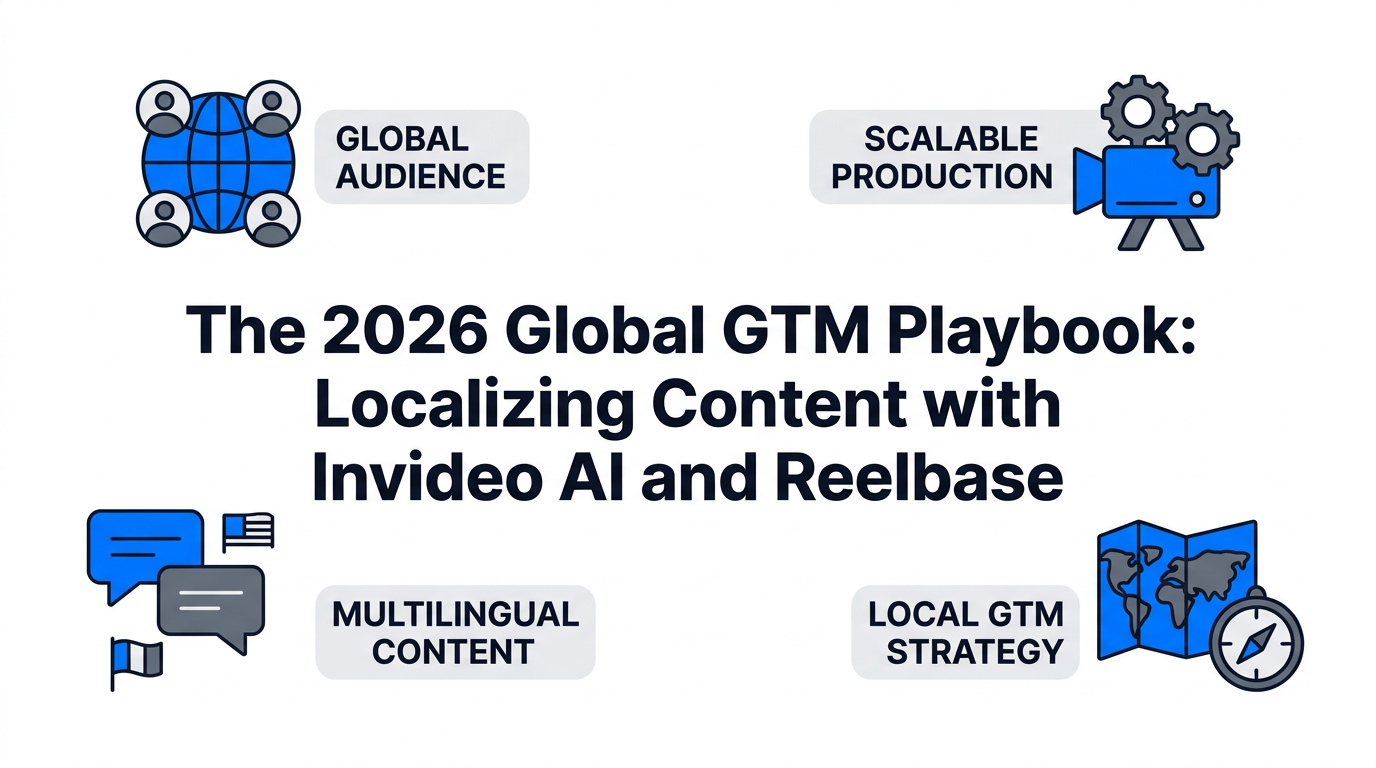
In 2026, the traditional barriers to international market entry have effectively vanished. We have moved past the era of hiring expensive local agencies for every territory; today, a successful international go-to-market strategy is powered by "Programmatic Creative." This hybrid model allows brands to scale the trust of traditional customer content through AI, turning a single high-performing video into a localized global campaign in minutes. With the AI-enabled ecommerce market now projected to reach $22.60 billion by 2032, the question for growth teams is no longer *if* they should use AI, but how fast they can deploy it across 20+ languages.
The New Standard for Global Expansion in 2026
The transition from experimental AI to operational AI is complete. Data suggests that by the end of this year, up to 90% of online content will be AI-generated in some capacity. For ecommerce brands, this shift is driven by a simple reality: UGC-style content remains the most effective driver of conversions. Product pages featuring user-generated content convert 74% higher than those without, and when combined with AI-generated ad creatives, brands are seeing a 47% increase in Click-Through Rates (CTR) according to industry research.
Multilingual Expansion: Scaling with Invideo AI Localization
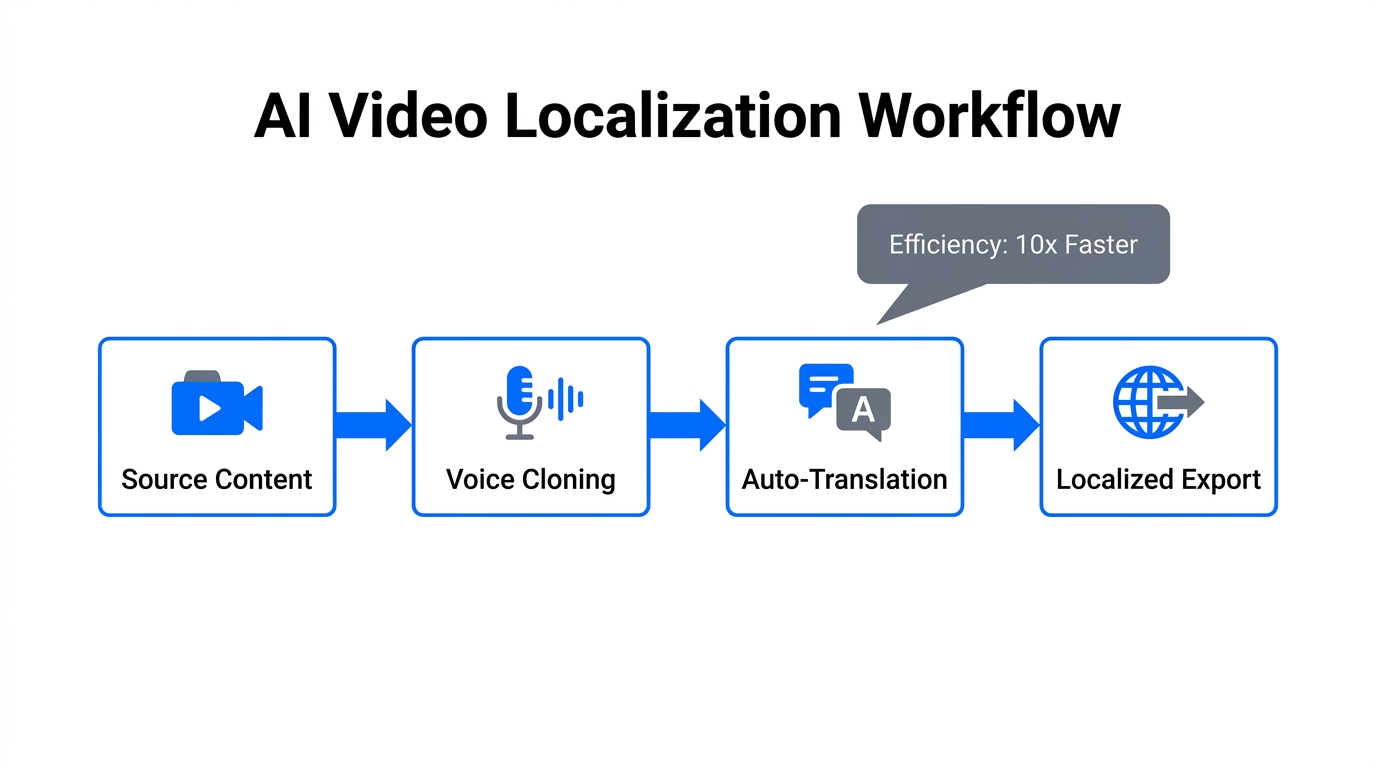
One of the most powerful weapons in the 2026 marketer’s arsenal is Invideo AI localization. Instead of shipping products to creators in 15 different countries, brands are now using Invideo AI to transform existing, high-performing reviews and videos into multilingual assets. Using advanced AI voice cloning for ads like ElevenLabs, you can take a successful English-language UGC video and clone the creator's voice—complete with their unique pitch and cadence—to speak fluent German, Japanese, or Portuguese.
This "URL-to-Video" transformation allows you to input a product link, extract the most compelling features from customer reviews via Yotpo, and generate a localized "talking head" video that feels native to the target region. This approach bypasses the "Uncanny Valley" by using real human base-content and only modifying the audio and lip-syncing for the target market.
"The ability to enter 20+ markets instantly with regional accents is the single greatest competitive advantage for ecommerce brands this decade."
Case Study: The Dunkin' Donuts Hyper-Local Strategy
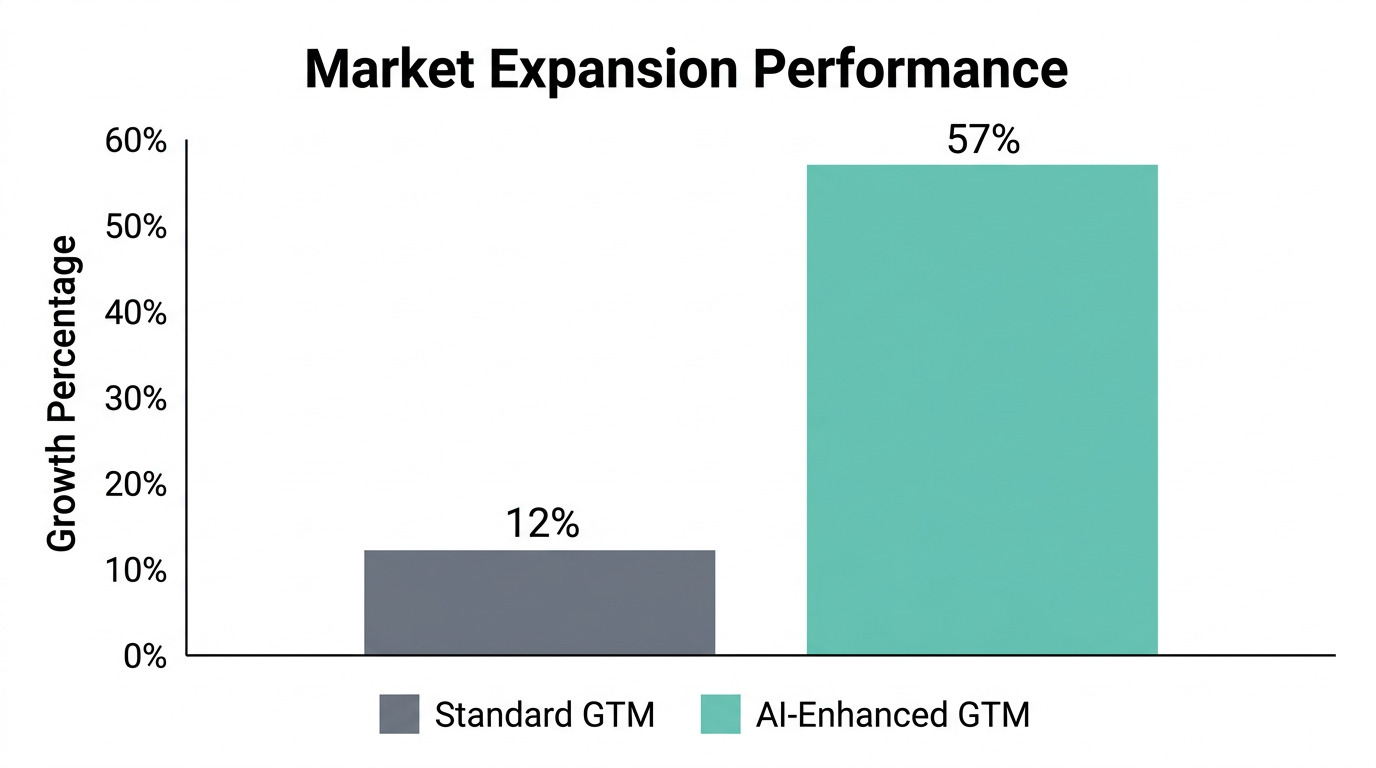
To understand the impact of localized AI-UGC, look no further than Dunkin’ Donuts. In their recent campaign, they sought to drive mobile app adoption across hundreds of varied regional markets. By using AI to localize UGC-style content—matching the specific accents and local cultural references of each store location—they boosted app downloads by 57%. This level of hyper-personalization was previously impossible at scale, but by utilizing Arcads for high-performance AI actor ads, they delivered relevant content to every demographic simultaneously through TikTok Ads Manager.
| Metric | Traditional Localization | AI-Powered Localization (2026) |
|---|---|---|
| Turnaround Time | 4-6 Weeks | 2-4 Hours |
| Cost per Creative | $1,500 - $5,000 | $5 - $50 |
| Scalability | Linear (Requires more staff) | Exponential (Automated) |
| Conversion Lift | Baseline | +47% Avg. CTR |
Scaling TikTok Content with Reelbase Marketing Automation
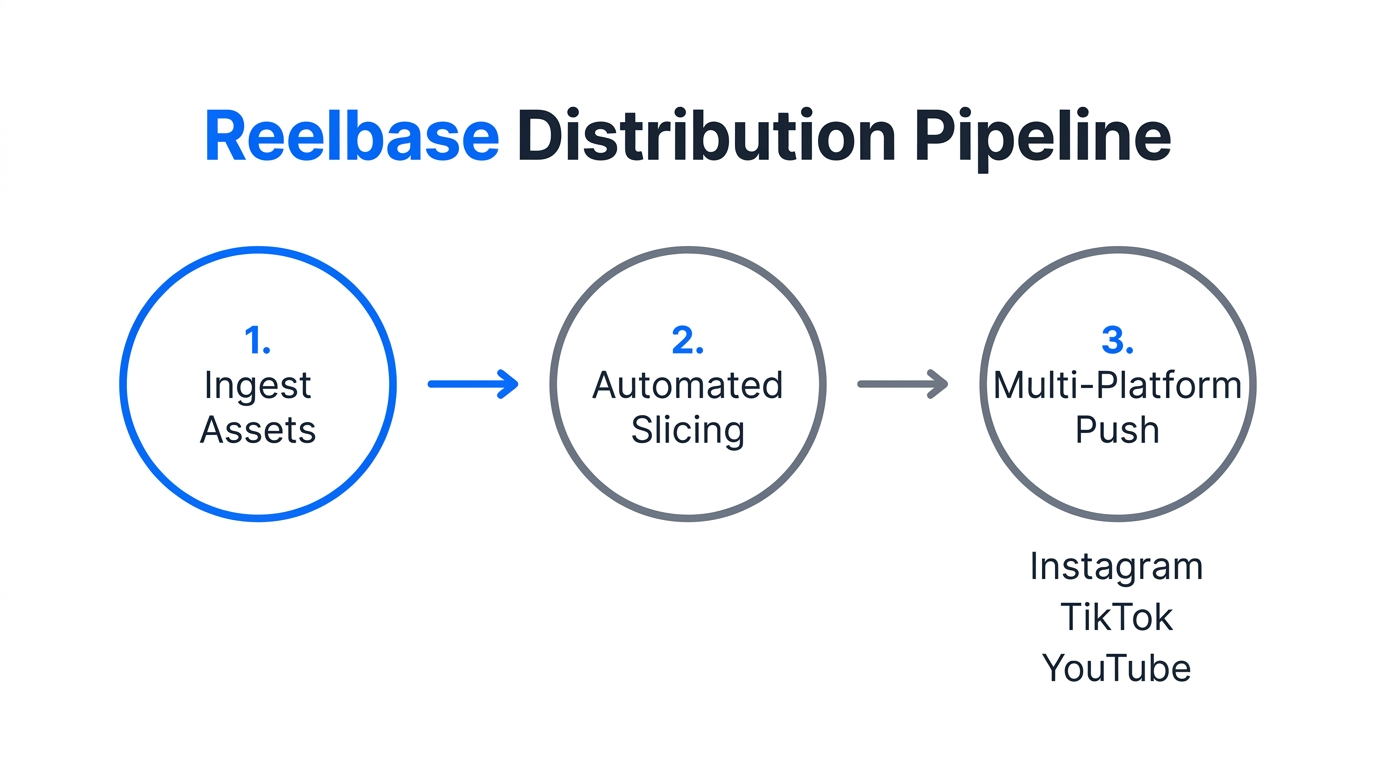
For brands targeting Gen Z and Alpha, TikTok is the primary search engine. However, the demand for fresh content on TikTok is insatiable. This is where Reelbase marketing automation comes into play. Tools like Reelbase allow brands to manage the TikTok-style UGC scaling process without needing local production crews on the ground in every country.
By feeding top-performing ad data into an AI model, marketers can generate "hooks"—the first 3 seconds of a video—that are statistically proven to stop the scroll. You can then use MakeUGC to create "product-in-hand" visuals, which Reelbase then distributes across regional accounts. This ensures that your brand maintains a consistent "organic" presence globally while strictly adhering to the 70/20/10 content split: 70% AI-generated for testing, 20% traditional human UGC for deep trust, and 10% high-production branding.
The 'Human-in-the-Loop' Editing Process
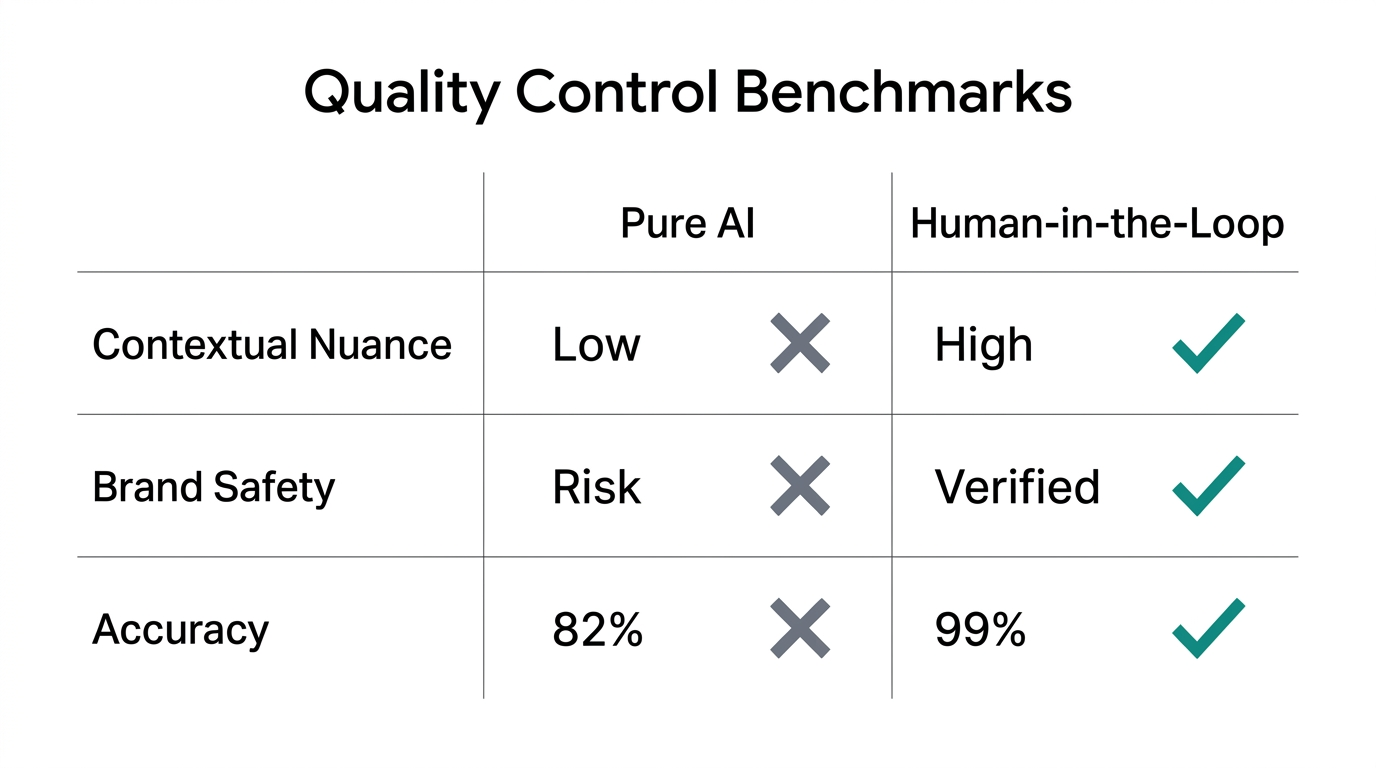
Despite the advancements in AI, authenticity is still the currency of the internet. Research from Nosto (formerly Stackla) shows that 79% of consumers believe authenticity (or the appearance of it) highly impacts their purchasing decisions. To avoid the "robotic" feel of generic AI avatars, high-performing brands utilize a "Human-in-the-Loop" workflow.
Step-by-step authenticity polishing:
- Generate the Base Script: Use AI tools like ChatGPT to extract hooks from customer reviews.
- Inject Humanisms: Editors manually add "filler words" (like 'um,' 'actually,' or 'you guys') and casual tones to the script.
- Regional Nuance: A native speaker reviews the AI voice-clone to ensure regional slang is used correctly.
- Visual Polish: Use Canva Magic or CapCut to add native-style captions and trending stickers.
"AI is a helper, not a shortcut. The brands that win in 2026 are those that use AI to do the heavy lifting but keep a human hand on the steering wheel for cultural nuance."
Copyright Protections and the Legal Landscape
As we navigate 2026, brands must be wary of the legal shifts surrounding AI content. Starting in August 2026, the EU AI Act will require mandatory labeling for AI-generated content that appears realistic. Furthermore, there is a significant copyright vulnerability to consider: purely AI-generated content without "meaningful human input" is generally not copyrightable (Thaler v. Perlmutter). This means competitors could technically use your unedited AI ads without legal recourse.
Conclusion: Winning the Global Race
The 2026 global ecommerce expansion is defined by speed and localization. By combining the power of Invideo AI for voice cloning and Reelbase for programmatic distribution, brands can launch in new territories with the same resonance as a local incumbent. However, the foundation of every great AI-UGC campaign is finding the right initial creators to provide that human spark. Platforms like Stormy AI are essential for this phase, allowing brands to discover and vet the authentic creators whose content will eventually serve as the seed for your global AI scaling engine. Start with real human connection on Shopify or Amazon, then use AI to whisper it to the entire world.