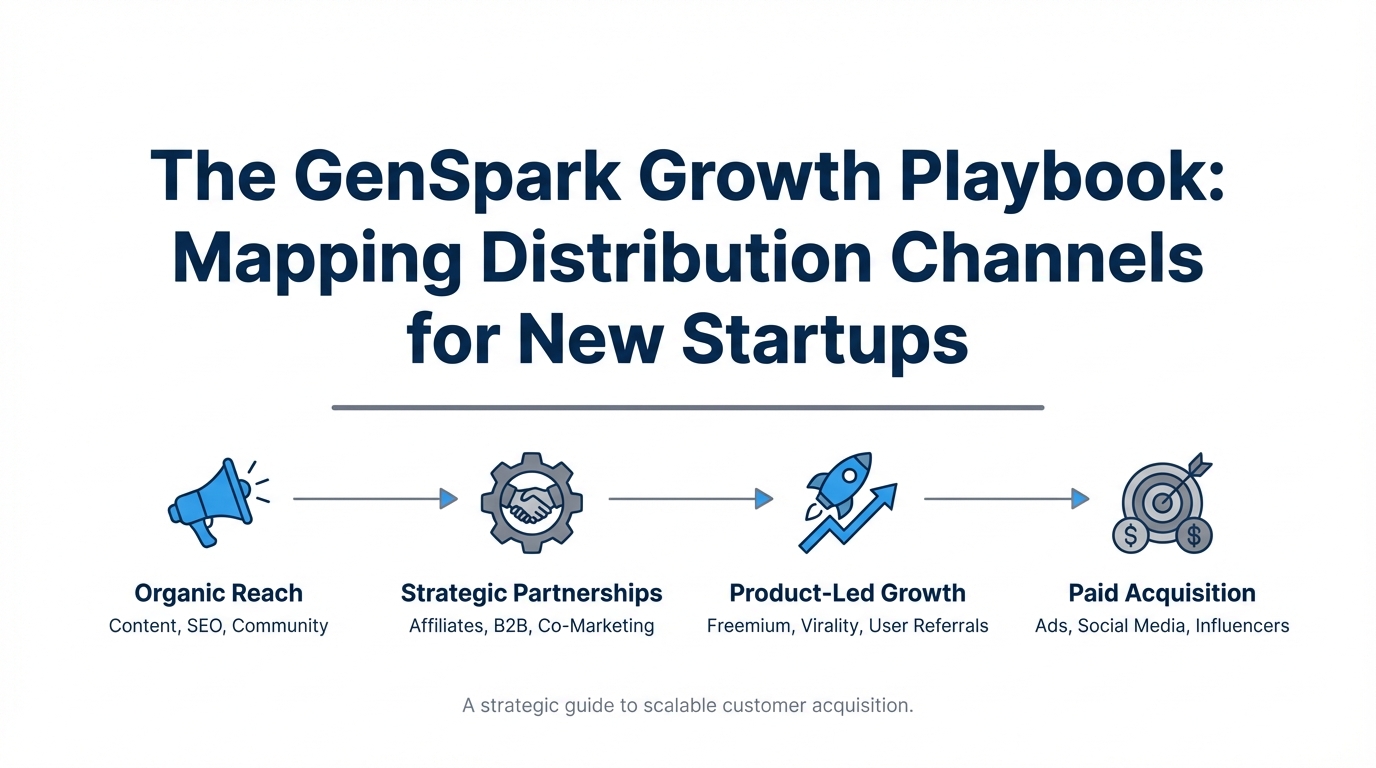
Most startups don’t fail because they can’t build a product; they fail because they can’t find a way to reach their customers. In the current venture climate, the old playbooks of simply throwing money at Meta Ads Manager are becoming prohibitively expensive for bootstrapped founders. Enter GenSpark, the "super agent" platform that is currently adding nearly $1 million in ARR every single day. This isn't just another chatbot; it is a deep-research engine that allows founders to build a comprehensive customer acquisition strategy from scratch in minutes.
By leveraging its suite of AI agents, founders can move from "zero to one" by mapping effort against ROI for every potential distribution channel. Whether you are building a tool like IdeaBrowser or a niche SaaS, understanding how to use GenSpark to identify 'unconventional' growth loops is the unfair advantage you need to dominate your market. In this guide, we will break down the exact prompts and workflows to turn GenSpark into your outsourced growth marketing agency.
How to Use GenSpark to Map Effort vs. ROI for Distribution Channels
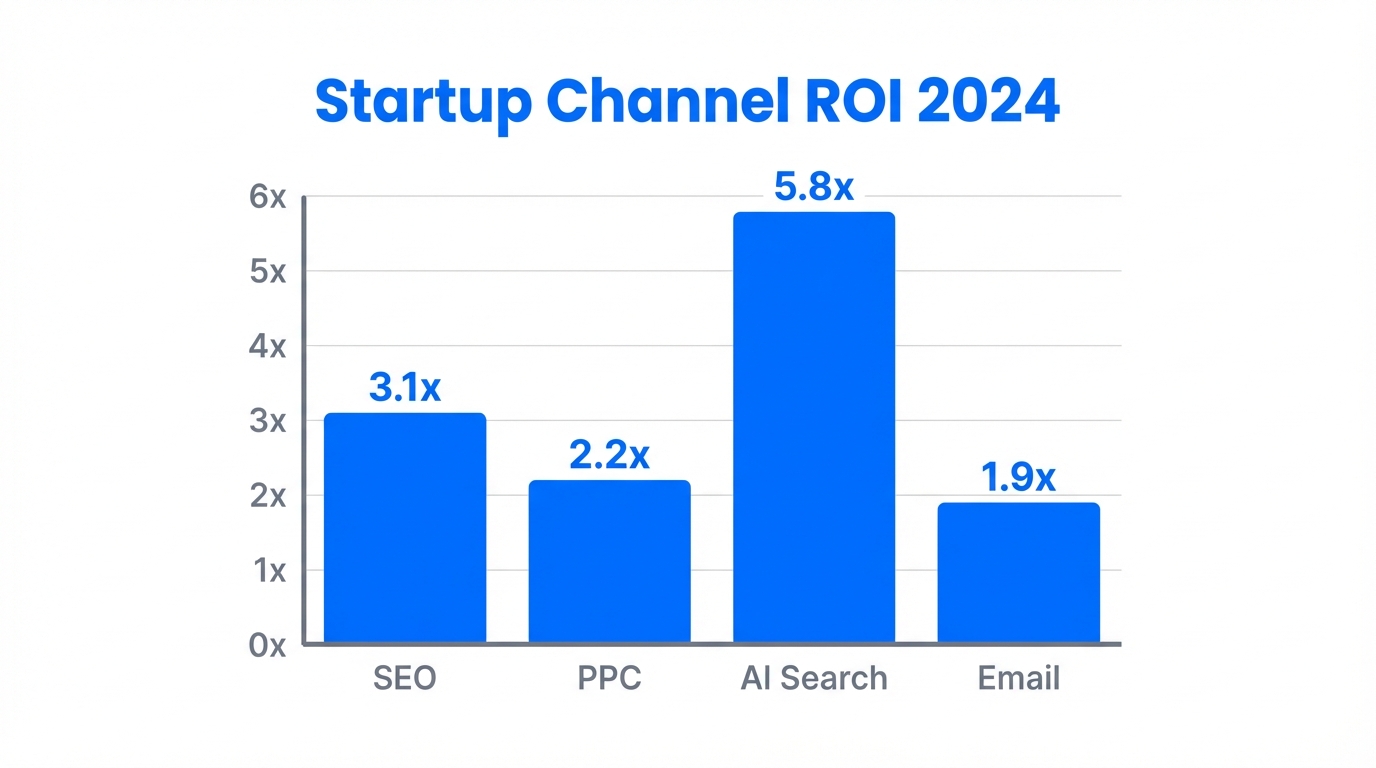
The first step in any GTM distribution map is identifying where your audience actually lives. Most founders default to the "big three" social platforms, but GenSpark’s deep research capabilities can uncover high-impact, low-competition channels. When you prompt GenSpark to map out distribution, it doesn't just list platforms; it estimates the effort required, the time to results, and the potential customer acquisition cost (CAC).
For a project like ideabrowser.com, GenSpark identifies that content-led growth remains the highest impact channel. This includes creating "50 startup ideas from Reddit" reports or trend analysis documents that provide immediate value to the target audience. By using its AI sheets product, you can visualize which channels provide the best "bang for your buck."
| Channel Type | Estimated Effort | Time to Result | Potential ROI |
|---|---|---|---|
| Content-Led Growth | High | 2-4 Months | Very High |
| Platform Integrations | Medium | 1-2 Months | High |
| Direct Outreach | Medium | Immediate | Medium |
| Viral Mechanics | Low | Unpredictable | Exponential |
Identifying 'Unconventional' Growth Loops Competitors Overlook
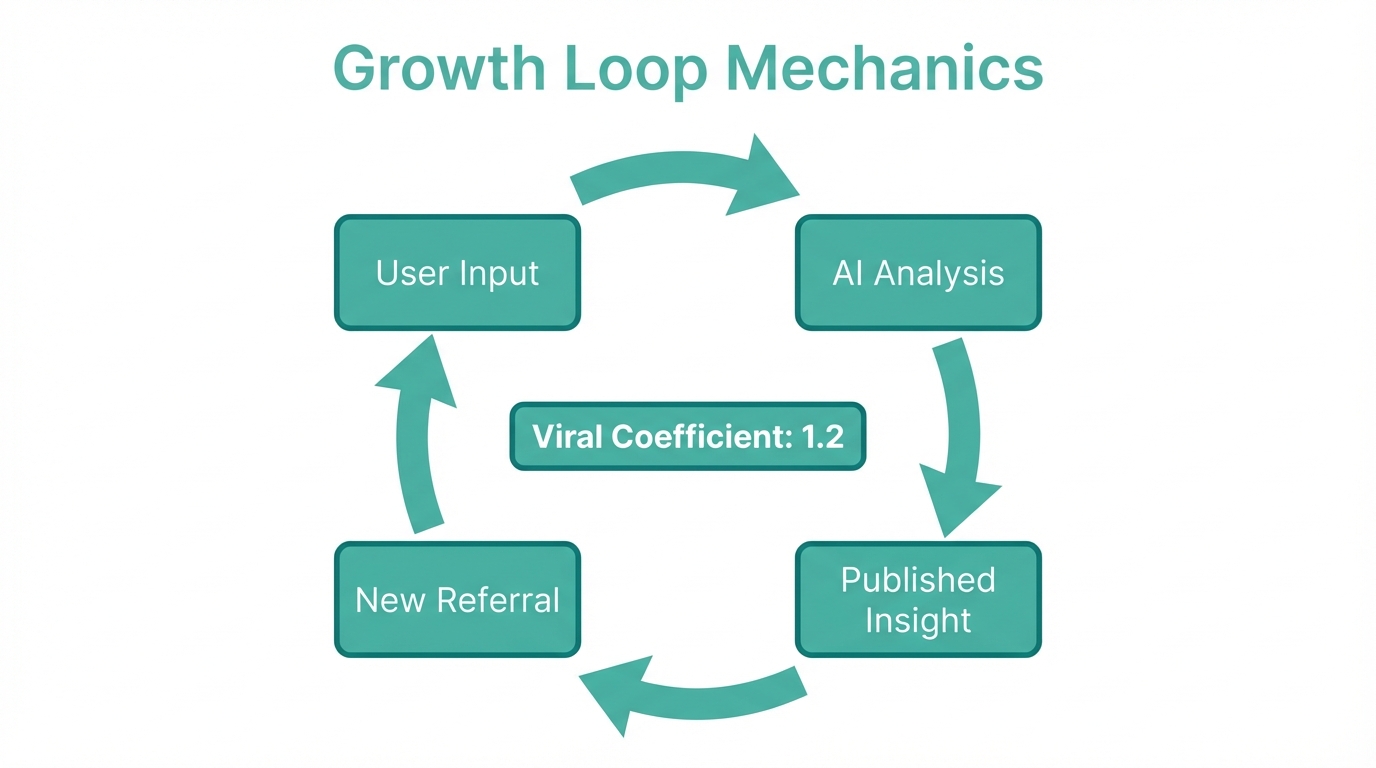
If you are doing exactly what your competitors are doing, your margins will eventually trend toward zero. To achieve GenSpark growth strategy success, you must look for the "side doors"—marketplaces and integrations where your audience is already searching for solutions but finding only outdated tools.
GenSpark suggests several unconventional channels that most startups ignore during their initial launch phase:
- Chrome Extension Store: Building a lightweight version of your tool to capture search intent directly in the browser.
- Shopify App Store: Creating specialized sections for e-commerce business ideas or tools.
- WordPress Plugin Directory: Tapping into the massive ecosystem of site builders who need specific niche functionalities.
- Slack & Notion Marketplaces: Automating the delivery of value (like weekly startup ideas) directly into team communication channels.
"Every unicorn startup begins by finding a distribution channel that is currently undervalued by the rest of the market."By using the "Market Research Agency" agent within GenSpark, you can identify exactly which of these marketplaces has high search volume for your keywords but low "app density." This allows you to position your product as the go-to solution in a less crowded room.
Automating the Discovery of Platform Integrations
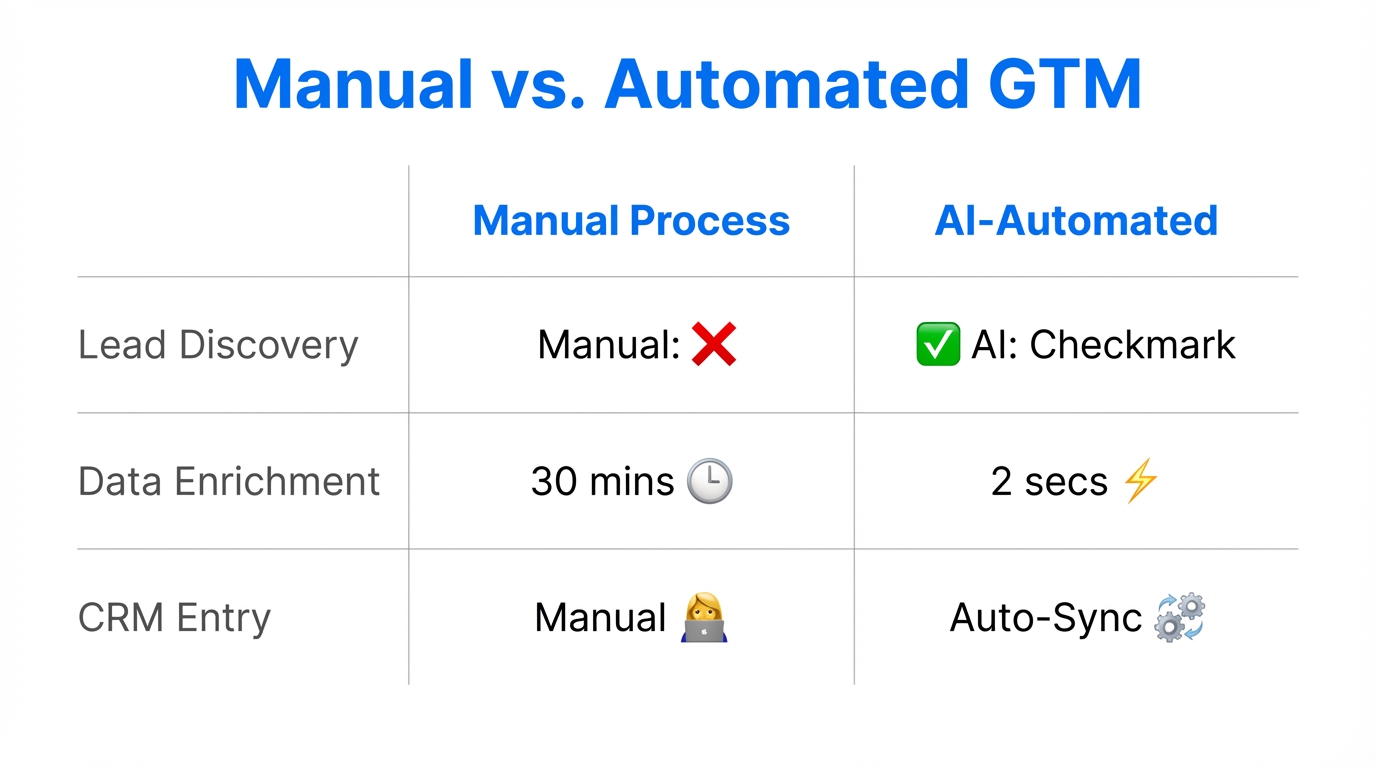
Integration is the new distribution. When your product lives inside the tools your customers already use, like Notion or AirTable, you lower the friction of adoption. GenSpark can automate the process of finding which integrations will yield the highest conversion rates for your specific niche.
For example, if you are building a database of trends, GenSpark might suggest a Slack integration that pushes daily insights to venture capital or entrepreneurial channels. This creates a recurring touchpoint without requiring the user to log back into your main platform. To manage these various workflows and your broader startup journey, founders often join communities like Startup Empire to see how others are successfully deploying these AI-identified integrations.
The Power of Marketplace Listings
Don't just build a standalone website. GenSpark's research indicates that listing on secondary marketplaces—like the Shopify App Store—can provide a steady stream of high-intent traffic with almost zero ad spend. Use GenSpark to draft the listing copy, identify the best categories, and even predict the keywords that will drive the most installs.
Building Interactive Product Demos within GenSpark
One of GenSpark's most impressive features is its ability to generate single-page HTML demos that function as high-converting lead magnets. In a test case for a mediation AI app, GenSpark didn't just write copy; it built a working front-end where users could upload legal documents, practice AI-coached conversations, and calculate the ROI of avoiding a lawyer.
When you provide an interactive experience instead of a static landing page, your conversion rates from visitor to lead can jump by 3x or more. You can then use tools like Stormy AI to discover creators on TikTok or YouTube who specialize in reviewing "cool AI tools" and have them showcase your interactive demo to their audience.
Scaling Outreach Through AI-Identified Partnerships
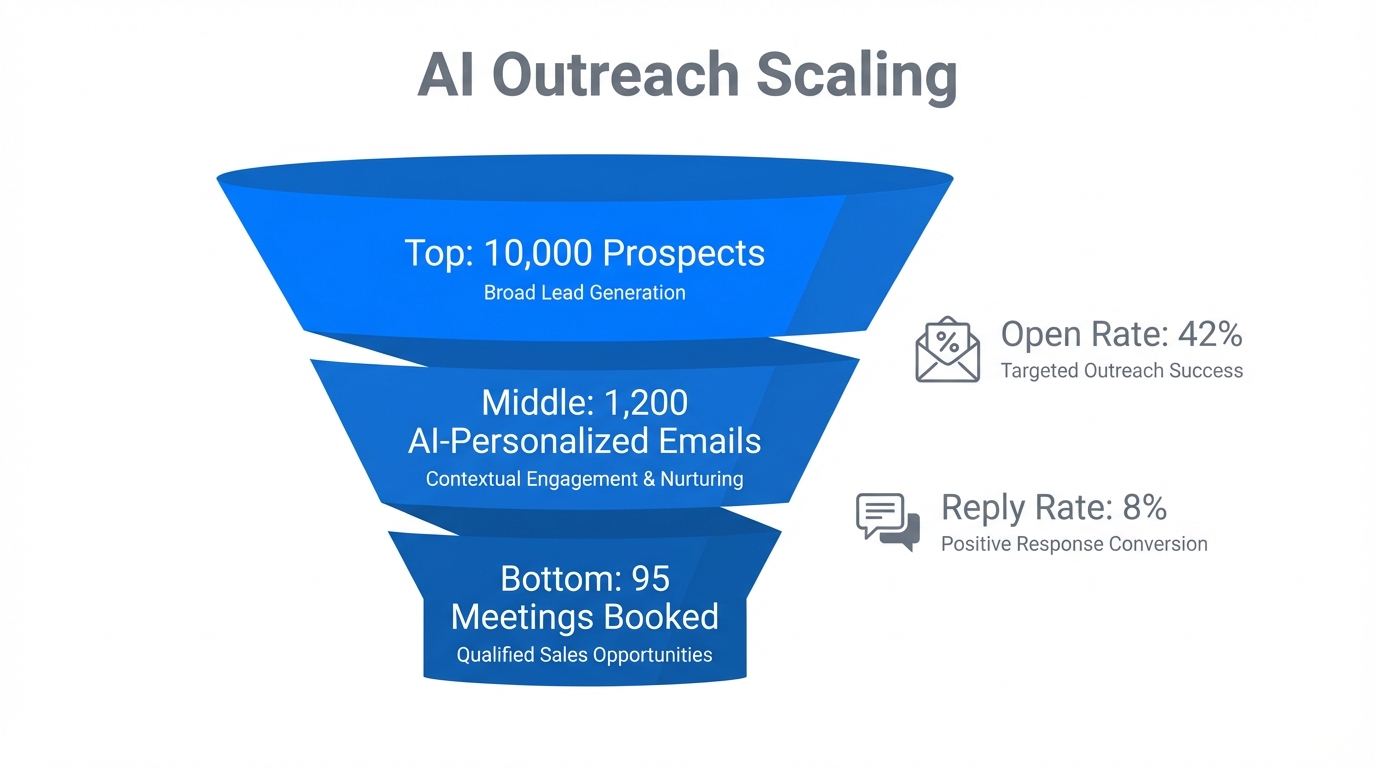
Growth isn't just about ads; it's about relationships. GenSpark can analyze your target market to find the exact moments people realize they need your solution—their "buying triggers." Once you know these triggers, you can identify potential partners who reach your customers right before that moment happens.
For instance, if your customer persona is a "pre-validation founder," your best partners might be domain registrars like Namecheap or no-code tool influencers. Once GenSpark identifies these niches, platforms like Stormy AI streamline creator sourcing and outreach by finding the email addresses of these specific influencers and generating hyper-personalized emails to propose a partnership.
Step-by-Step AI Outreach Playbook
- Identify Personas: Use GenSpark to create detailed customer personas, including their biggest pain points and where they hang out.
- Identify Partners: Ask GenSpark to list 20 non-competing tools or influencers that share your audience.
- Vet Creators: Use an AI-powered quality report to detect fake followers or engagement fraud before reaching out.
- Automate the Sequence: Set up an AI agent to handle initial outreach and follow-ups while you focus on the product.
"The best copy isn't written; it's assembled from the actual language and pain points your customers use online."Conclusion: Building Your Growth Stack
GenSpark is a powerful addition to any founder's "cocktail" of AI tools. While it may have some design limitations and occasional UX hurdles—like a difficult cancellation process that can drain a company's "trust battery"—its research capabilities are undeniable. It allows you to build a GTM distribution map that is data-driven rather than based on gut feeling.
By combining GenSpark’s deep research with a robust AI marketing playbook, you can identify the distribution channels that will actually move the needle. Pair these insights with execution tools like TikTok Ads Manager for paid scale and Stormy AI for automated creator discovery to build a growth engine that runs 24/7. Don't just post and pray; use the agents at your disposal to map your path to the first 10,000 users.