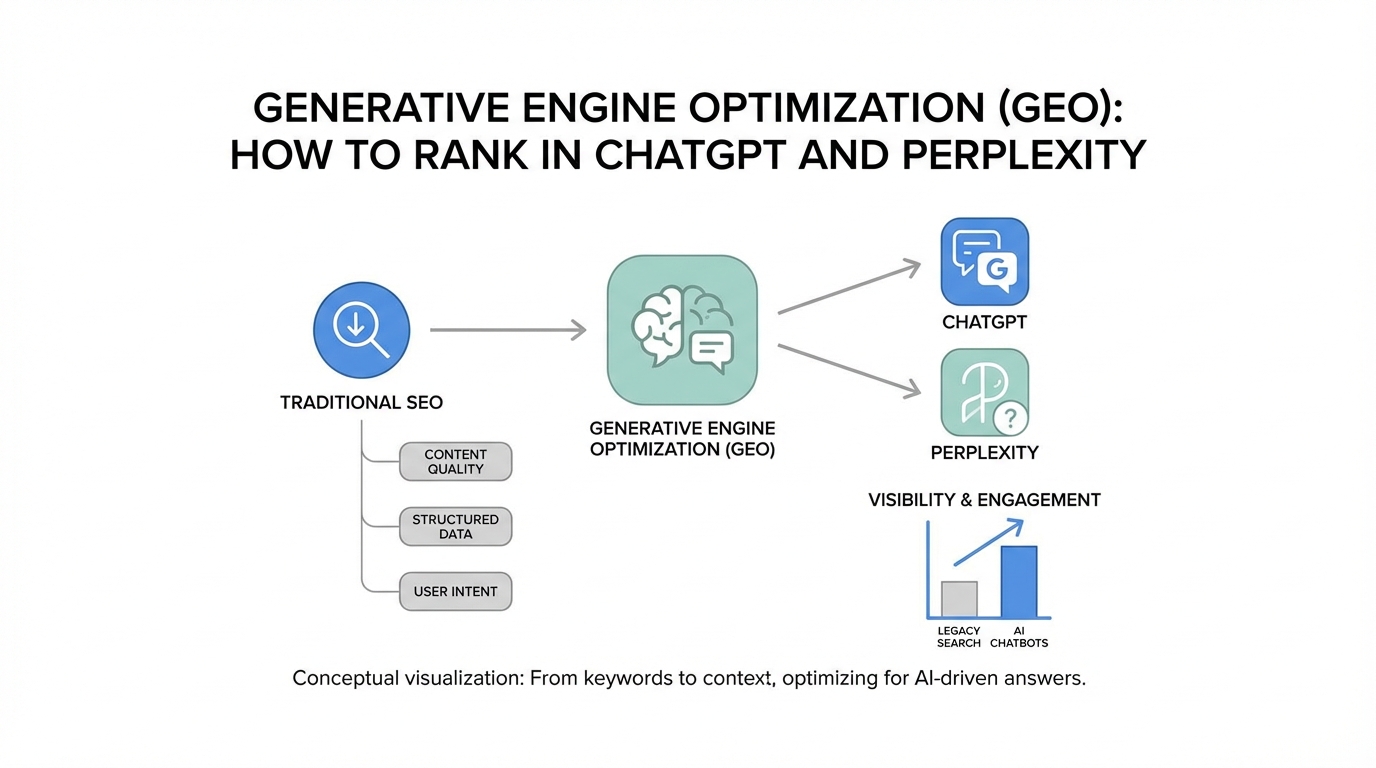
The search landscape is undergoing its most radical transformation since the invention of the hyperlink. We have moved from the era of "ten blue links" to an era of generative answers. As tools like ChatGPT and Perplexity become the primary interface for information, marketers are panicking about the death of SEO. But here is the reality: search isn't dying; it is evolving into Generative Engine Optimization (GEO). The secret to winning in this new world isn't a complex AI hack—it is a return to the fundamentals of digital authority. This article will explain how to ensure your brand is the one cited when an AI agent answers a user's question.
The Mid-Wit Meme of GEO: Fundamentals Over Hacks

In the world of ai search engine optimization, there is a concept known as the "mid-wit meme." On the left side of the curve, you have the beginner who thinks SEO is dead. In the middle, you have the "mid-wit" marketer chasing every shiny object, trying to reverse-engineer LLM weights and spamming AI-generated content. On the right side, the expert realizes the truth: foundational SEO is the trick to being found in LLMs.
As we look toward the future of seo 2025, the goal remains the same: helping a crawler understand your content. Whether that crawler belongs to Google or Anthropic, it needs clean data, clear structure, and high-authority signals. When Perplexity synthesizes an answer, it doesn't pull from thin air; it cites the top organic search results. If you aren't ranking in the top three of traditional search, you likely won't exist in the generative answer. Therefore, ranking in ChatGPT starts with ranking on the web.
How LLMs Use Top-Tier Organic Search Results
Large Language Models (LLMs) are essentially massive pattern-matching machines trained on the open web. To provide real-time answers, platforms like ChatGPT use a process called Retrieval-Augmented Generation (RAG). This means that when a user asks a question, the AI searches the live web, identifies the most relevant and authoritative pages, and then summarizes them.
If you want to know how to rank in chatgpt, you must understand that the AI prioritizes high-intent, high-quality content. Consider the case of "Diesel Dudes," a local trucking mechanic service. By building out 50+ pages of hyper-specific local content—including landmarks, frequently asked questions, and technical service details—the business was able to dominate local search results in 24 hours. Because the site was built with a clean technical foundation using tools like GitHub and Vercel, it became the primary source for AI-powered queries in that niche.
LLMs crave topical authority. They don't just want a page that mentions a keyword; they want a website that demonstrates deep expertise. This means your site must include internal linking structures that connect related topics, signaling to the AI that you are a comprehensive resource. If you are a local business, this involves mapping out every service and location with unique, non-generic data that an AI can easily parse.
Technical Foundations: llms.txt and Schema
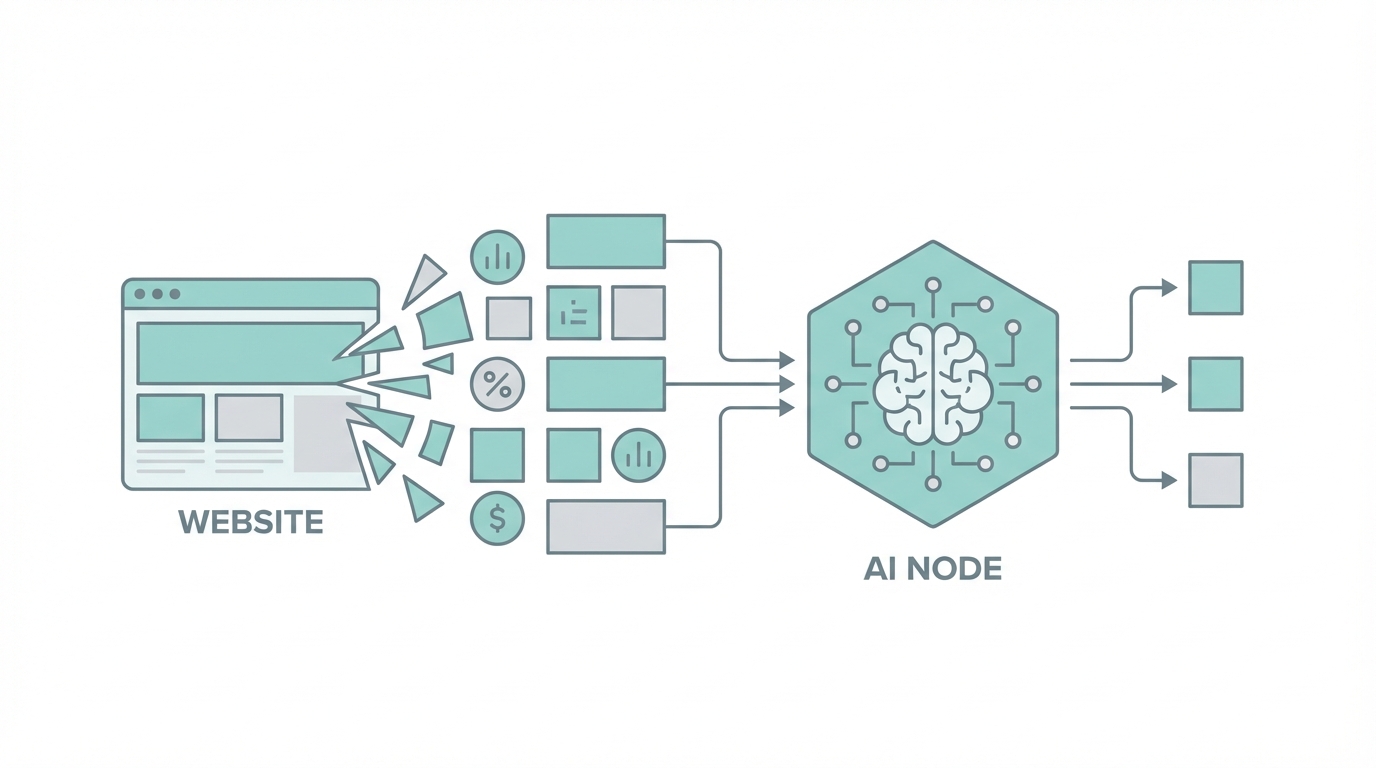
While the content is king, the technical plumbing is what allows the AI to enter the palace. Traditional search uses robots.txt to guide crawlers. In the world of generative engine optimization, we are seeing the rise of llms.txt. This is a simple text file, similar to a sitemap, that provides a "markdown-friendly" version of your site’s most important information, specifically designed for LLMs to ingest quickly.
In addition to llms.txt, schema markup remains the most important technical signal you can provide. By using Schema.org vocabulary, you are essentially speaking the native language of the AI. Whether it is LocalBusiness, Product, or FAQ schema, these tags provide the structured data that LLMs use to verify facts. If an AI agent is looking for a "mobile diesel mechanic in Charlotte," it looks for the schema tag that explicitly defines your business name, phone number, and service area.
Speed is the final technical hurdle. LLMs and their retrieval agents have a limited time to "read" a page before they have to generate an answer. If your site is bloated and slow, the crawler may time out. Using Google PageSpeed Insights to identify and fix performance bottlenecks—such as converting images to WebP format—is a mandatory step for GEO success. Clean, fast code built with modern frameworks like React ensures that AI agents can "understand" your site in milliseconds.
Building Digital Trust: Reviews and Backlinks

AI models are trained to avoid hallucination and misinformation. To do this, they rely on trust signals. An LLM is much more likely to cite a business that has hundreds of 5-star Google Business Profile reviews than one with no digital footprint. These reviews act as a consensus mechanism—the AI sees that humans trust you, so it trusts you too, as noted in recent local consumer review research.
Similarly, third-party backlinks remain the ultimate authority signal. In perplexity seo, the citations often lead back to high-authority domains that have linked to the original source. If a major industry publication or a trusted local news site links to your content, it validates your data for the generative engine. This is why "vibe marketing" and building a real brand are more effective than technical hacks. You cannot "hack" a 20-year-old domain authority or a thousand organic customer reviews.
For brands looking to scale these trust signals, working with creators is essential. User-generated content (UGC) provides the "social proof" that LLMs often scrape from platforms like TikTok, YouTube, and LinkedIn. Tools like Stormy AI can help source and manage UGC creators at scale, ensuring your brand is being mentioned across the digital ecosystem. When multiple creators talk about your product, it creates a "data density" that makes it nearly impossible for an LLM to ignore you when a relevant query arises.

The GEO Playbook: A Step-by-Step Strategy
If you want to dominate the future of seo 2025, you need a repeatable process. Here is the playbook for moving from traditional search traffic to AI recommendation traffic:
Step 1: Identify High-Intent AI Keywords
Stop focusing on vanity metrics. Use SEMRush or ChatGPT itself to identify "buying stage" keywords. For a local business, these are Emergency (broken down now), Service (need a fix), Problem (why is my truck smoking?), and Local (mechanic near me) keywords. Map these to dedicated landing pages.
Step 2: Create "Deep" Supply Pages
For every high-intent search term, build a page that goes 10x deeper than your competitors. Don't just list services; include local landmarks, specific industry regulations, and detailed FAQs. AI tools like Claude can help research these local nuances to ensure your page is the most informative on the web.
Step 3: Optimize for Technical Crawlability
Deploy your site using a fast, modern stack. Ensure your mobile scores on PageSpeed Insights are in the green. Add your llms.txt file and ensure your schema markup is error-free. You can use an AI agent to audit your code and fix meta descriptions and alt text in bulk.
Step 4: Generate Multi-Channel Citations
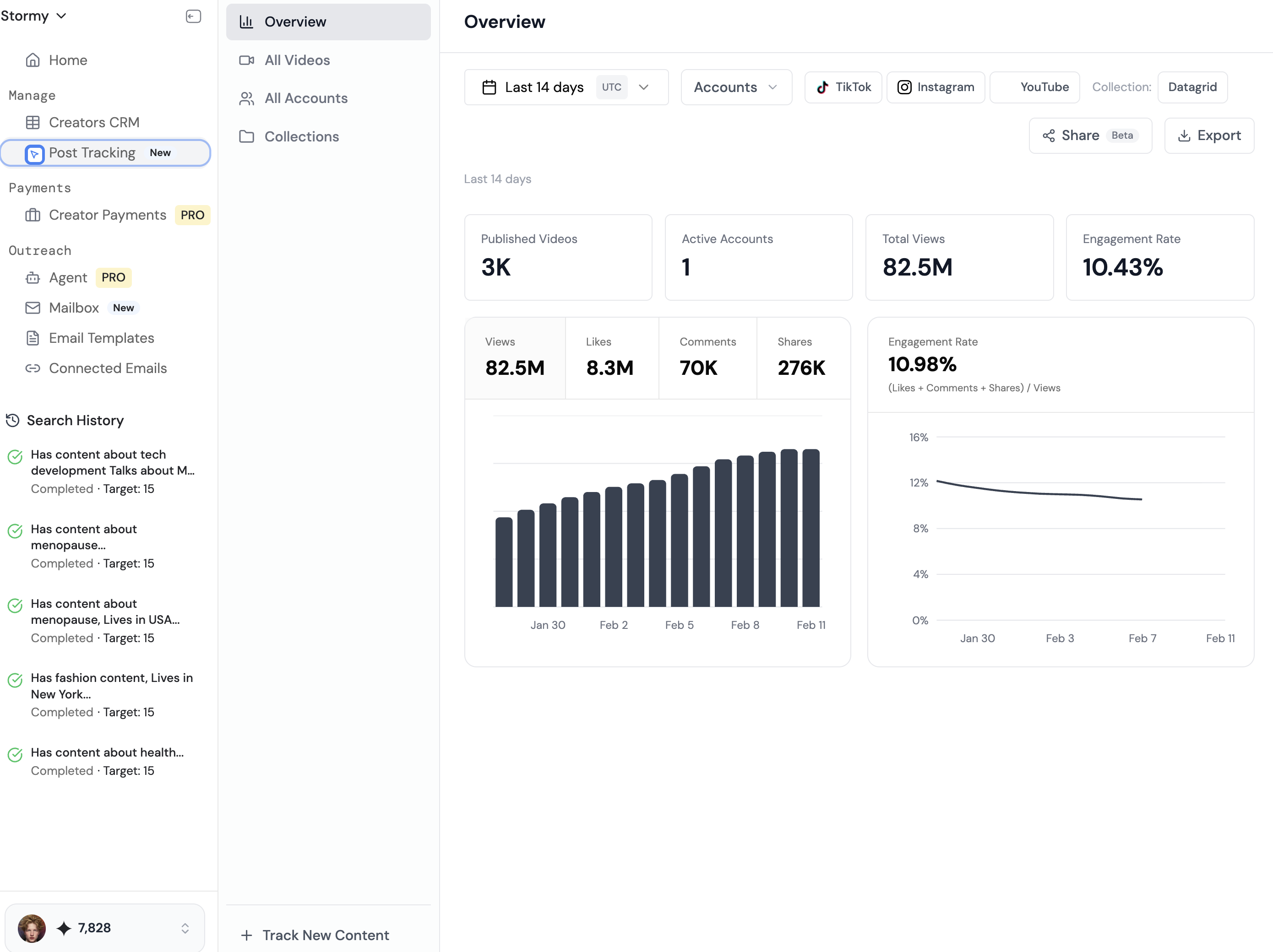
AI doesn't just look at your website. It looks at the whole web. Ensure your brand is mentioned on Reddit, Quora, and social media. This is increasingly critical given the licensing deals between major search engines and social platforms. This is where tracking your performance becomes vital. Platforms like Stormy AI allow you to monitor mentions and post tracking across all platforms, giving you a birds-eye view of your brand’s digital footprint.
Moving from Search Traffic to AI Recommendation Traffic
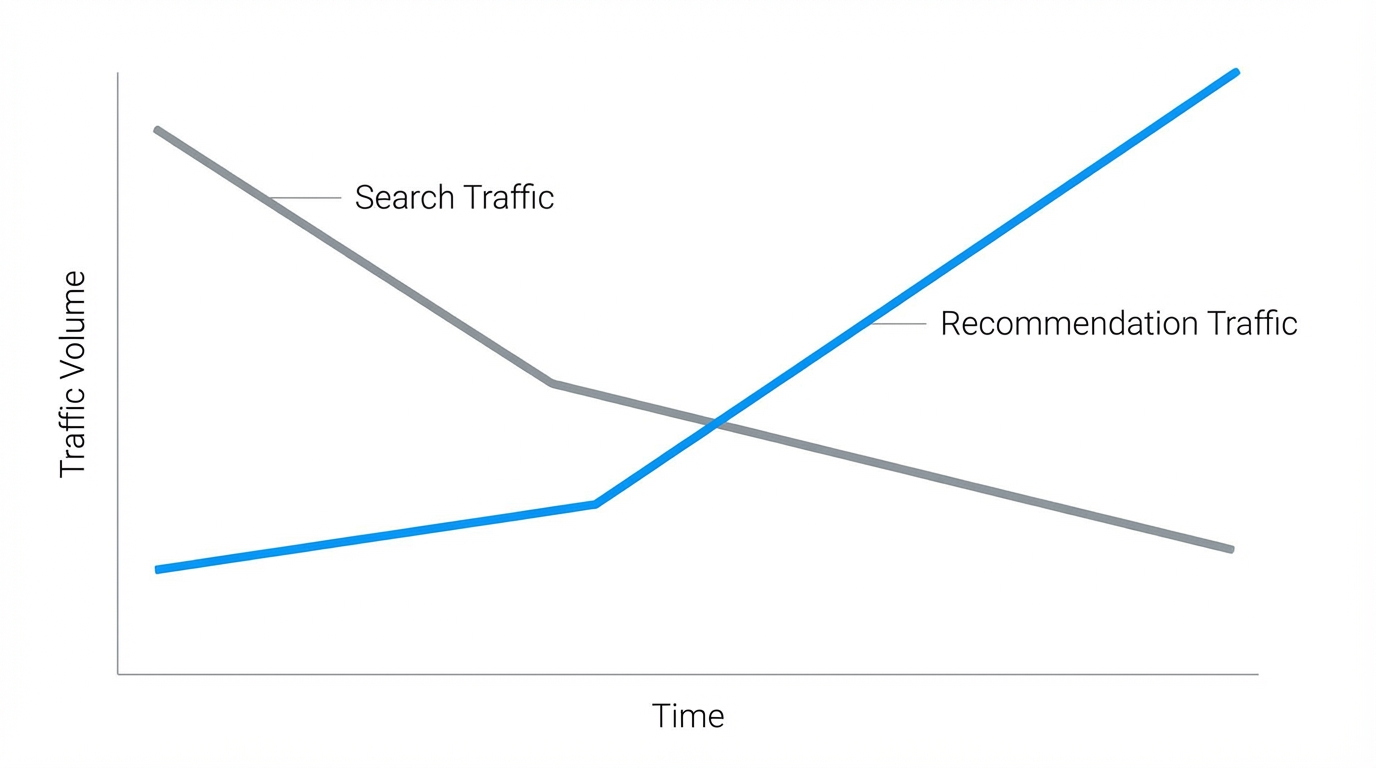
The goal of generative engine optimization is to be the recommended solution. When a user asks Perplexity, "Who is the best diesel mechanic in Charlotte?" you don't want to be in a list of ten; you want to be the primary recommendation. This happens when the AI sees a perfect alignment between your site’s data, your customer reviews, and your external citations.
We are entering an era of "Boring Business Arbitrage." While everyone else is trying to build the next complex AI SaaS, the real money is being made by applying ai search engine optimization to "boring" industries like plumbing, trucking, and local services. These industries have low digital competition, making it easy for a savvy marketer to use AI to build a world-class digital presence in a matter of hours.
Conclusion: The Future of SEO is Human-Centric
As we look toward 2025, the most successful brands will be those that realize AI is simply a new way for humans to find what they already trust. How to rank in chatgpt isn't about gaming an algorithm; it's about providing the most value, the fastest speed, and the clearest signals of authority. By focusing on foundational SEO—clean code, deep content, and robust trust signals—you ensure that as search evolves, your brand remains the answer. Start by auditing your current site’s speed, implementing schema, and building the digital real estate that generative engines crave. The arbitrage opportunity is here; it’s time to claim your space in the AI-powered future.