In the digital landscape of 2026, the era of the "generalist" app is fading. The most successful founders are no longer trying to build the next Facebook or Uber; instead, they are looking at specific, high-stakes problems within tiny communities and solving them with surgical precision. Take the case of Ethan, a 19-year-old developer who scaled a combat sports weight-cutting app to $20,000 per month in revenue within just six months. By leveraging Cursor for rapid development and focusing on organic social media growth, he proved that you don't need a million-dollar VC check to build a profitable software empire.
The 'Hobby-First' Methodology: Solving High-Stakes Problems
Learn how focusing on niche communities can lead to rapid app growth.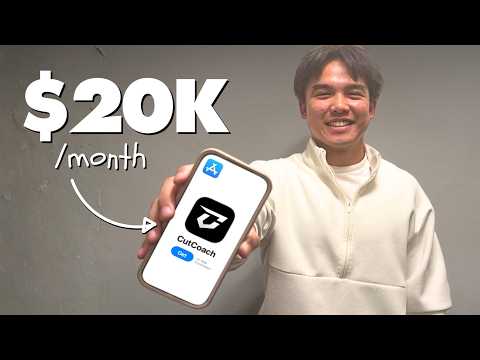
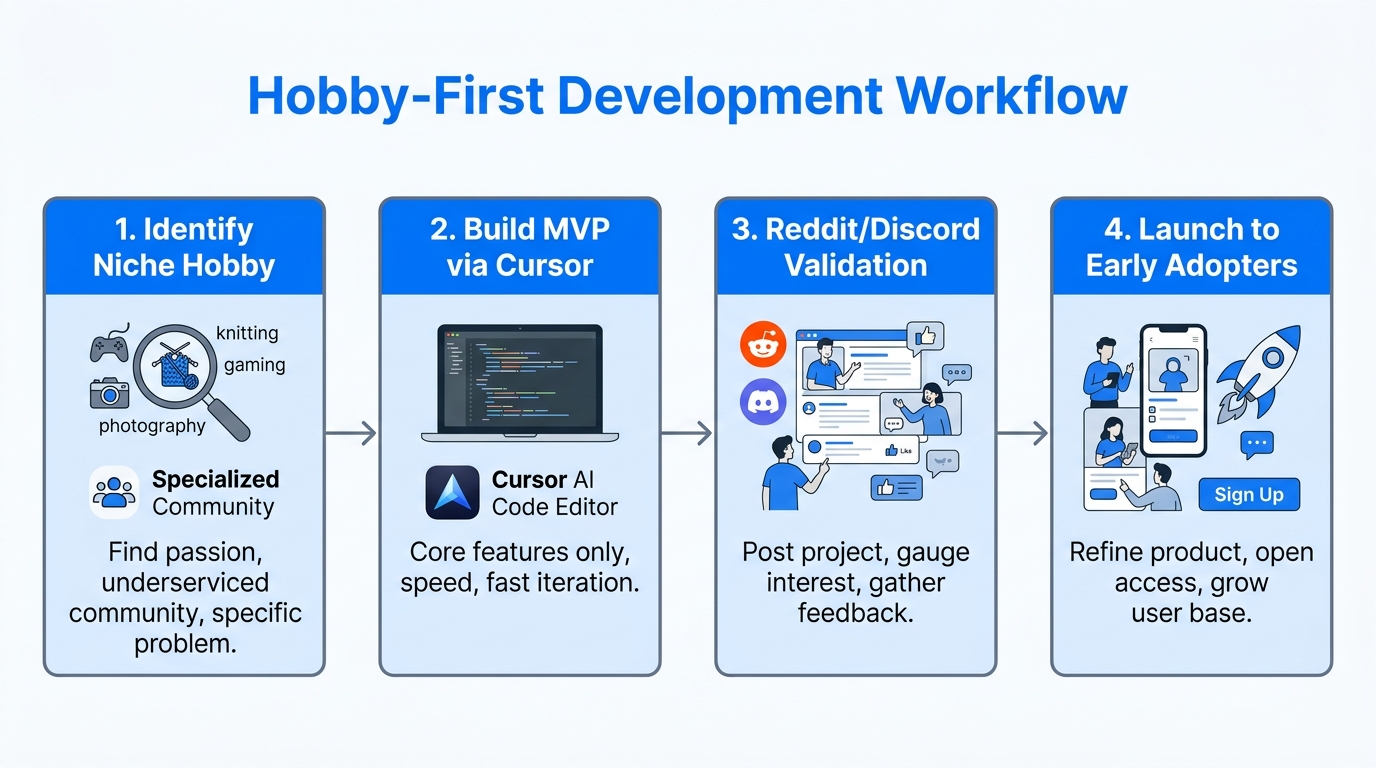
The foundation of a successful niche market marketing strategy begins with personal experience. Ethan’s app, Cut Coach, wasn't born in a boardroom; it was born on the wrestling mat. As a provincial judo and national wrestling champion, he understood the visceral pain of weight cutting—a process where missing your target by even a fraction of a pound means disqualification. This is a high-stakes problem for a passionate community.
When you solve a problem within your own hobby, you eliminate the need for expensive market research. You already speak the language, understand the pain points, and know exactly where the current solutions (or lack thereof) are failing. In 2026, the most profitable apps are those that focus on these "tiny" problems that larger companies overlook. As noted in the Starter Story interview, Ethan’s app succeeded because it converted high-intent users who were willing to pay $30+ just to ensure they didn't disappoint their team by missing weight.
"The secret to $20K months isn't reaching everyone; it's being indispensable to a few thousand people who cannot afford to fail at their hobby."
Reverse-Engineering Successful UI/UX with Figma and Cursor
One of the biggest hurdles for new founders is design. However, in 2026, you don't need to be a creative genius to build a world-class interface. The strategy is simple: stand on the shoulders of giants. Ethan recommends identifying market leaders in adjacent spaces—for example, if you're building a fitness niche app, look at what Duolingo does for onboarding or what Strava does for community features.
By using Figma to wireframe based on proven layouts, you ensure that your user experience is intuitive from day one. These big apps have already spent millions A/B testing their buttons, font sizes, and navigation flows. Once your design is ready, you can feed these screenshots or descriptions directly into Cursor. This AI-powered code editor allows you to build the front end of your app in hours rather than weeks, ensuring that the final product matches your vision perfectly.
| Feature | Traditional Method (2020) | AI-First Method (2026) |
|---|---|---|
| UI Design | Hiring a designer ($5k+) | Reverse-engineering in Figma |
| Development | 6 months of manual coding | 1 month with Cursor & LLMs |
| Backend | Custom server management | Serverless with Supabase |
Creating Short-Form Content that Actually Converts
Tips for creating viral organic videos that attract thousands of potential users.The biggest mistake app founders make is chasing viral vanity metrics. For a niche app, 500 high-intent views are worth more than 5 million generic ones. Organic social media growth in 2026 is about demonstrating a transformation. Ethan’s first successful video showed a UFC fighter during a brutal weight cut versus their form after the cut. It wasn't about the app's features; it was about the result.
To implement this for your own startup distribution channels, focus on the "Before and After." Use tools like CapCut to create fast-paced edits that highlight the problem and then present your app as the bridge to the solution. Ethan noted that even with only 200–500 views per video, he was seeing 10–15 downloads per day because the content was hyper-relevant to the audience's immediate needs.
"In a niche market, your conversion rate is your superpower. If 5% of your viewers download your app, you don't need to go viral to get rich."
Scaling with Micro-Influencers and AI Discovery
How to scale your revenue by pivoting to strategic influencer marketing campaigns.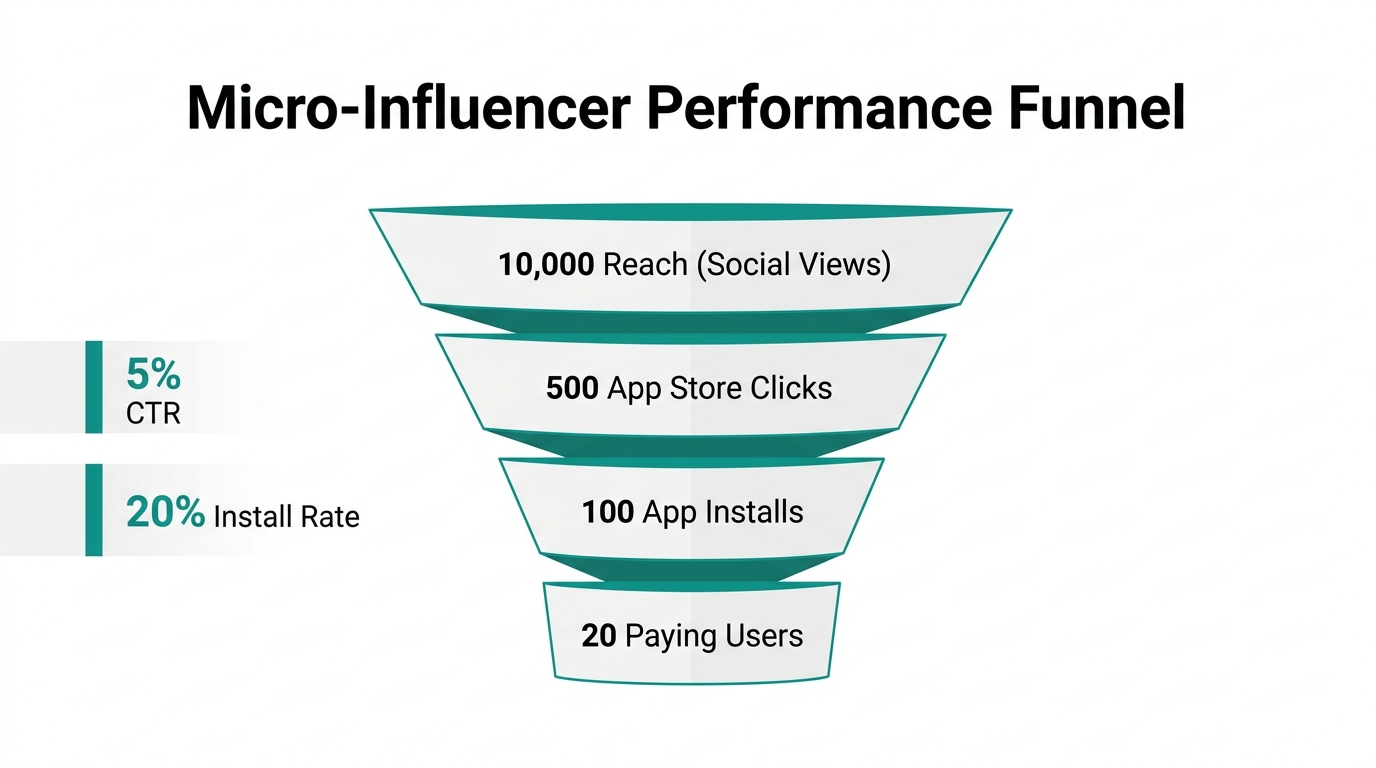
Once you've proven that your app converts via organic posts, it's time to scale. In 2026, the most effective way to do this is through micro-influencer partnerships. Because niche categories often lack "mega-stars," you need to find dozens of smaller creators (1k–10k followers) who have a direct line to your target users. Finding these creators manually can take weeks, which is why platforms like Stormy AI are essential for modern growth-focused founders.
Using Stormy AI, you can search for "wrestling coaches" or "BJJ athletes" across TikTok and Instagram and instantly get a list of creators with high engagement. Instead of manual DMs, you can use AI to personalize your outreach, offering these creators a partnership that feels authentic rather than corporate. Ethan found that small creators were highly likely to say yes, and their videos often performed better because their followers actually trusted their specific expertise.
The 2026 Tech Stack for Growth-Focused Founders
Discover how Cursor can help you code and deploy your apps faster.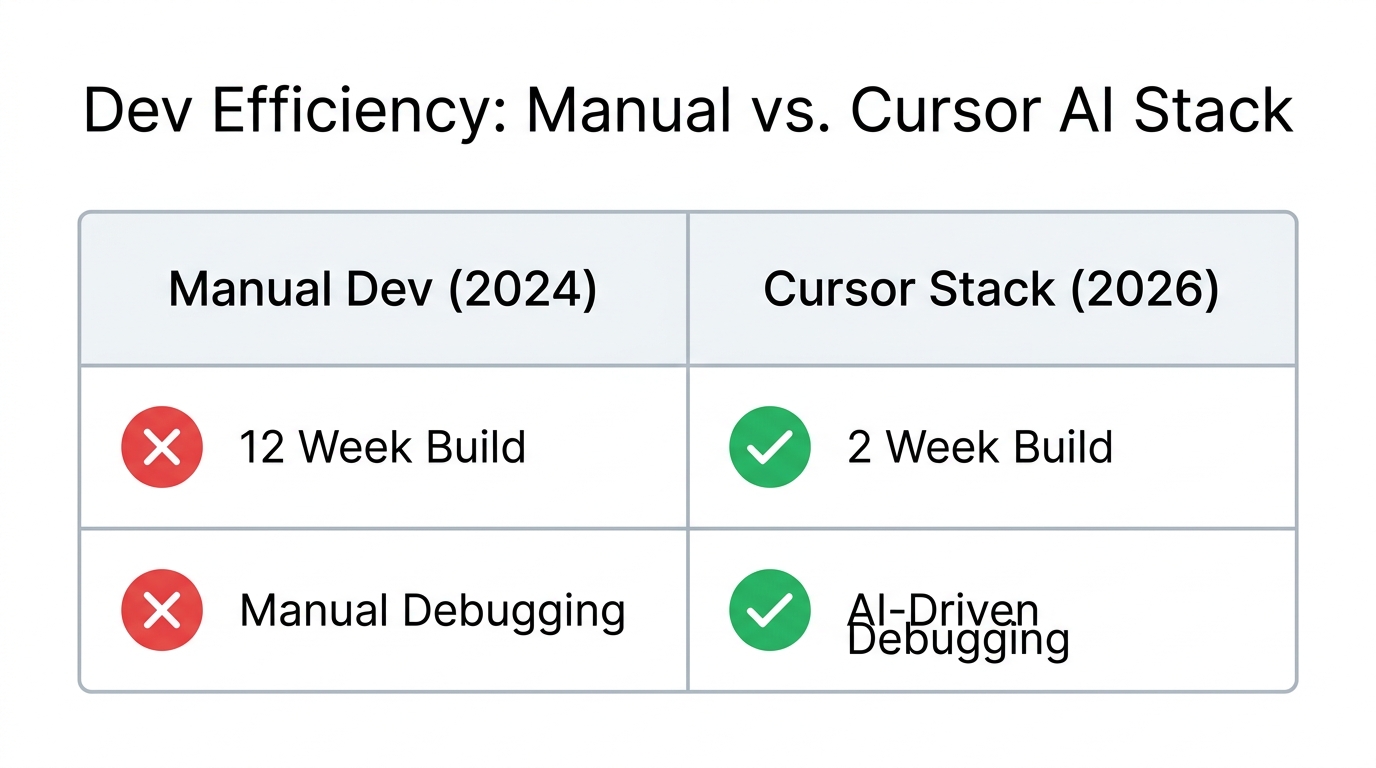
To reach $20K/month as a solo founder, you cannot spend your time managing servers or fixing bugs in payment processing. You need a stack that automates the boring stuff so you can focus on marketing and product iteration. Here is the blueprint Ethan used to scale Cut Coach:
- IDE: Cursor – For writing 90% of the code using AI prompts.
- Database: Supabase – An open-source Firebase alternative that handles authentication and data.
- Monetization: RevenueCat – Essential for managing complex iOS and Android subscriptions.
- Paywalls: Superwall – Allows you to A/B test your pricing and paywall designs without shipping a new app update.
- Analytics: Mixpanel – To understand exactly where users are dropping off in your funnel.
By using Superwall, Ethan was able to tweak his pricing during the peak of wrestling season, maximizing his app monetization strategies 2026 when demand was highest. This level of agility is what separates $2k/month apps from $20k/month apps.
The Path to Your First $20K Month
Building a successful mobile app in 2026 is no longer about having the best engineering degree—it's about having the best problem-solving intuition and the right AI tools. Ethan's journey from college dropout to $20k/month founder shows that if you follow your own advice and focus on a niche you truly care about, the revenue will follow.
If you're ready to start, don't wait for the perfect idea. Open Cursor, identify a problem in your favorite hobby, and ship an MVP in 30 days. When you're ready to find the creators that will take your app to the next level, Stormy AI is here to help you automate your discovery and outreach so you can focus on building the future.