In 2026, the garage-startup trope has been replaced by the 19-year-old founder operating from a high-performance home office, fueled by AI agents and a level of high agency that would make a seasoned Fortune 500 executive blush. We are witnessing a fundamental shift in how wealth is created. The old guard of Silicon Valley is looking on in shock as teenagers leverage mimetic desire and autonomous distribution to outpace legacy software companies. This is the era of the digital mogul, where the barrier to entry has vanished, and the only remaining competitive advantage is the speed at which you can iterate.
Why 'Triple, Triple, Double, Double' is Dead: The 10x Era
 8:51
8:51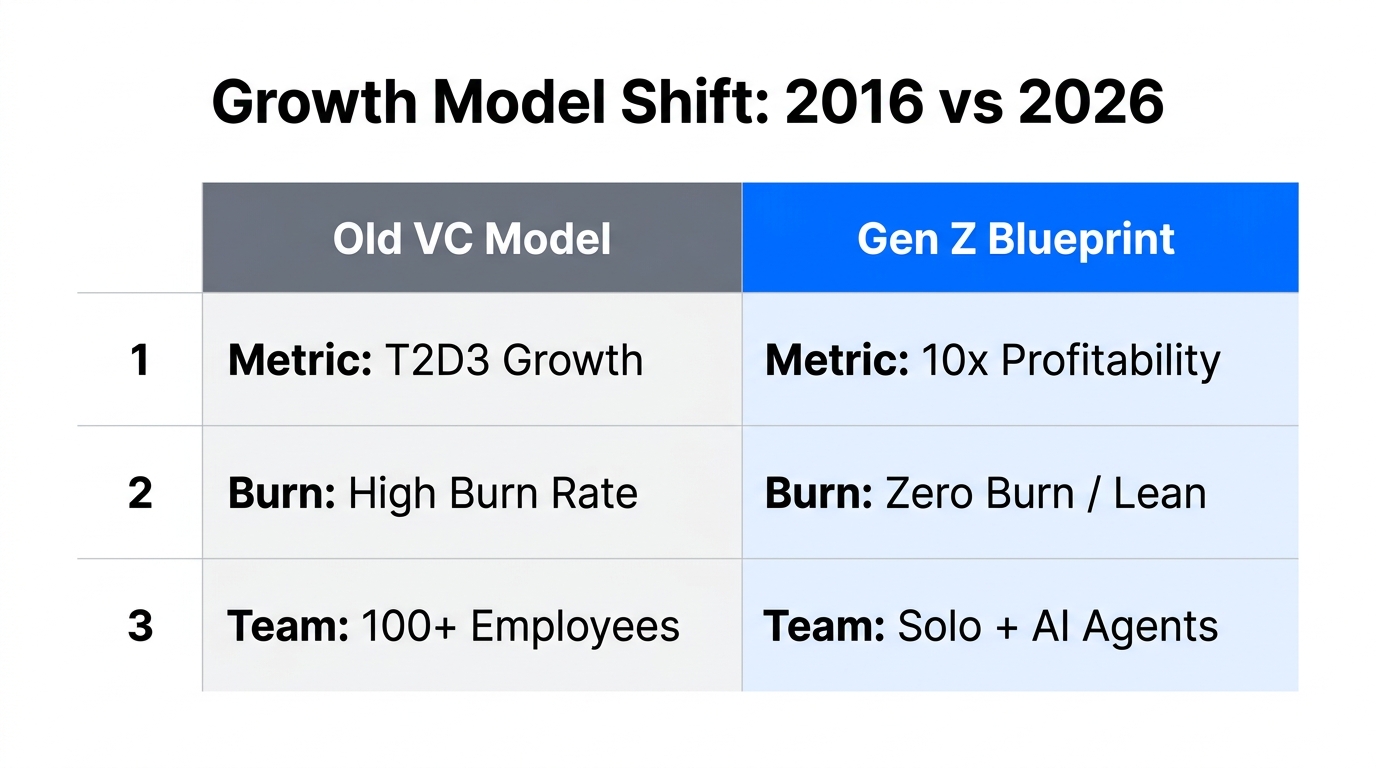
For the last decade, the gold standard for a "once-in-a-generation" company was the "Triple, Triple, Double, Double" trajectory—tripling revenue for two years, then doubling it for two more. In 2026, those benchmarks are considered quaint. The new startup growth benchmarks 2026 are defined by 10x 10x 10x annual growth. We are seeing companies like Anthropic generate $6 billion in a single month—more than the annual revenue of legendary software behemoths from just a few years ago.
| Metric | The Old Guard (2015-2022) | The AI Digital Mogul (2026) |
|---|---|---|
| Growth Benchmark | Triple, Triple, Double, Double | 10x, 10x, 10x |
| Core Workforce | Dozens of Junior Devs/SDRs | Autonomous AI Agents |
| Distribution | Generic Paid Ads | Hyper-Personalized UGC & AI Content |
| Success Multiplier | Capital & Headcount | High Agency & Taste |
This acceleration isn't just for the giants. Small, nimble teams are using tools like Claude and OpenAI to handle everything from legal analysis to daily communications. As one founder noted, even the CEO's role is being augmented; founders are now using AI to read their team's Slack messages to provide personalized coaching and avoid communication friction based on personality profiles.
"The bar has been raised. We're not even in the same ballpark anymore. 10x growth is the new floor for the AI-first generation."
The Power of Mimetic Creatures: Training Data as Mentorship
Why are 19-year-olds suddenly capable of managing 7-figure brands? It’s not that the human species evolved; it’s that the training data changed. This generation has grown up as mimetic creatures, constantly exposed to high-performance entrepreneurship through TikTok, X, and YouTube. Success is no longer a mystery—it is a modeled behavior available in 4K resolution 24/7.
When you see a 20-year-old selling a company for nine figures, that becomes normalized. Unlike previous generations who had to seek out mentors in the physical world, Gen Z has asynchronous mentorship. They are copying the playbooks of the world's best founders in real-time. This exposure creates a feedback loop where Gen Z entrepreneurship trends lean toward massive scale with minimal overhead. They aren't just "staying in school"; they are opting into programs like the Alpha School high school program, which mimics the intensity of the Thiel Fellowship by offering a full tuition refund if a student doesn't make $1 million by graduation.
Distribution Hacks: Scaling to the Niche
40:21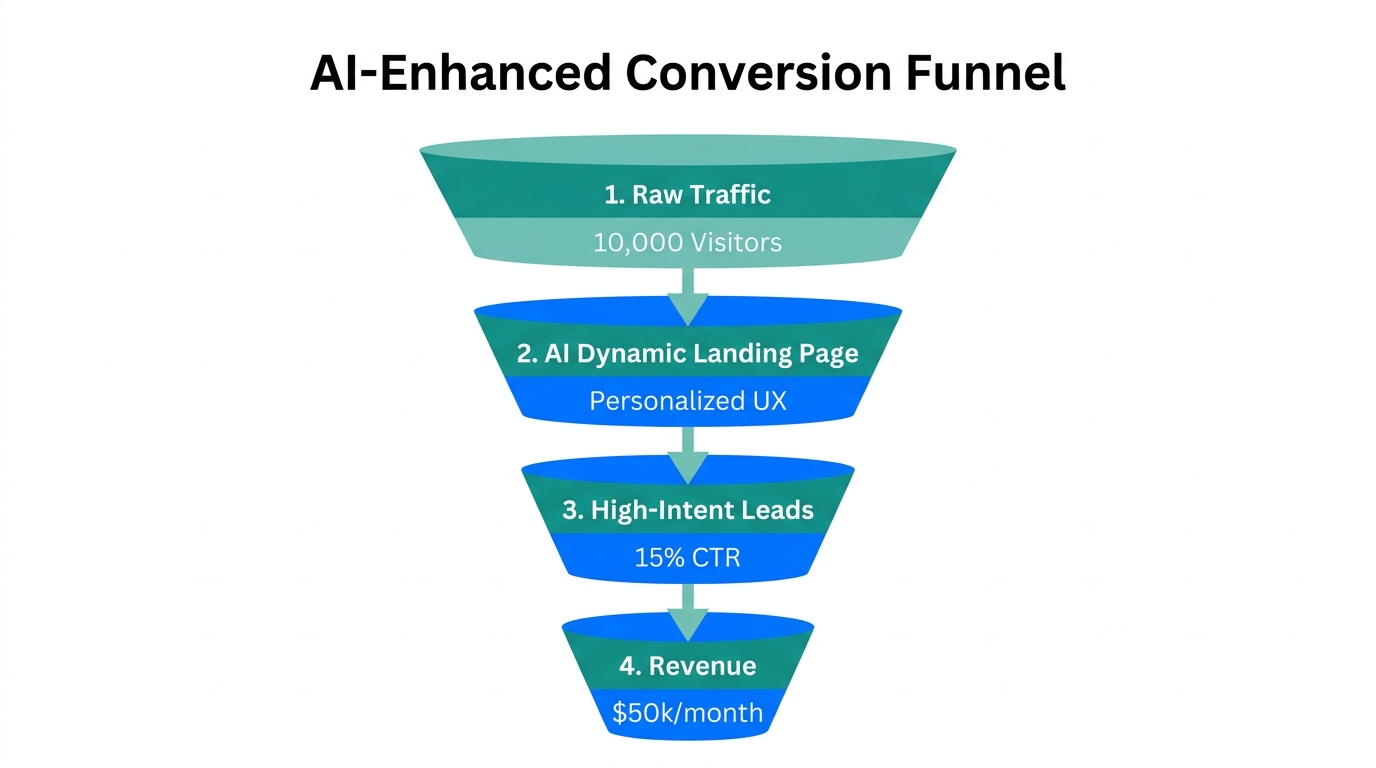
The secret weapon in the creator economy growth 2026 is the ability to achieve infinite distribution with zero marginal cost. In the past, creating personalized landing pages for twenty different customer segments was a month-long project for a marketing team. Today, founders are using AI to generate 20+ personalized landing pages in HubSpot or Framer in under five minutes.
This allows for hyper-niche acquisition. If you are selling a product, you don't just target "fitness enthusiasts." You target "marathon runners in Austin who use Strava and drink matcha," with copy specifically written for that vibe. This is service as a software—using AI to turn what used to be manual, high-touch services into scalable, high-margin products. Even traditionally "blue-collar" industries like retail real estate are being disrupted. Smart operators are now using Perplexity to scrape earnings calls and 10Ks, automatically flagging which retail tenants are expanding and which are contracting, creating a live "hit list" for their leasing teams.
"Distribution is no longer about who has the biggest budget; it's about who can create the most relevant content for the most specific audience at the highest frequency."
The High Agency Olympics: Curing Problems with AI
10:58In 2026, high agency entrepreneurship is the only metric that matters. "High agency" is the refusal to accept that a problem is unsolvable. We are seeing this manifest in extreme ways, such as entrepreneurs using Grok and DeepMind's AlphaFold to hypothesize medical treatments or founders going 'founder mode' on rare diseases by hiring their own research teams and using AI researchers that run all night in recursive loops.
This same spirit is applied to business. If a 19-year-old mogul needs a specific influencer to promote their brand, they don't wait for a talent agency to reply. They use tools like Stormy AI to discover the perfect creators across TikTok and YouTube, analyze their audience quality for fraud, and set up AI agents to handle the outreach and follow-ups while they sleep. This level of resourcefulness allows a single individual to act with the force of a 50-person agency.
From Gym-Tan-Laundry to Hiring-Scaling-Acquisition
There has been a massive cultural shift in Gen Z. The old stereotypes of 20-something lifestyle culture—immortalized by things like "Gym-Tan-Laundry"—have been replaced by a new obsession: Hiring-Scaling-Acquisition. For the digital moguls of 2026, the status symbol isn't a flashy car (though they have those too); it's the efficiency of their tech stack and the multiple on their latest exit.
This generation is building "boy bands" of entrepreneurs—groups of 19-to-25-year-olds who share office space, trade AI prompts like baseball cards, and raise $140 million before they can legally rent a car. They are treating entrepreneurship as a professional sport. They are locked in, focused on ASO (App Store Optimization), UGC (User-Generated Content), and LTV/CAC ratios. They are using AI to automate the monotonous parts of business—like creating dashboards in Notion or managing Stripe payments—so they can focus entirely on taste and discernment.
The Blueprint: How to Build a 7-Figure Brand in 2026
23:21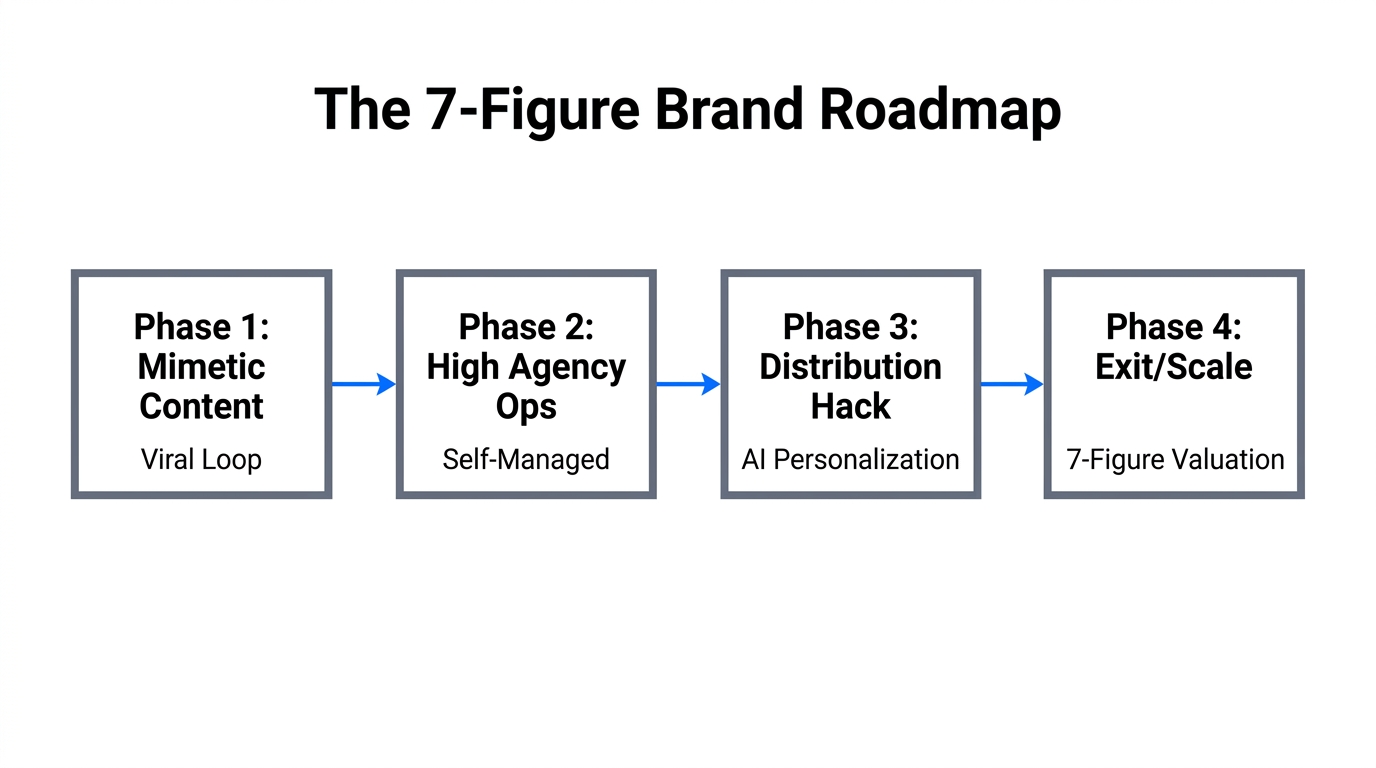
If you want to compete in this landscape, you have to adopt the digital mogul's mindset. It starts with identifying where you can provide service as a software. Find a boring business—a dentist, a real estate developer, a lawyer—and perform an AI audit. Use AI to automate their outreach, their data collection, or their customer service.
To scale that brand, you must master creator-led growth. Traditional ads are dying; authenticity is the new currency. This is where platforms like Stormy AI become essential. By automating the discovery and management of UGC creators, you can flood the market with content that feels real, because it is real. Pair this with AI-personalized landing pages, and you have a conversion engine that runs 24/7 with minimal human intervention.
| Step | Action Item | Tools to Use |
|---|---|---|
| 1. Discovery | Find high-performing creators in your niche | Stormy AI |
| 2. Outreach | Automate personalized emails & follow-ups | Stormy AI, Lemlist |
| 3. Conversion | Build 20+ niche-specific landing pages | HubSpot, Framer |
| 4. Scaling | Use AI agents for research & analysis | Claude, Perplexity |
Conclusion: The Era of Good Taste
As we move further into 2026, the ability to "build" will become a commodity. AI can write the code, AI can design the graphics, and AI can even manage the project. The only things that cannot be automated are taste and high agency. The winners in the creator economy growth 2026 will be those who can discern what is good, what is viral, and what is valuable.
Whether you are a 19-year-old looking to make your first million or a seasoned marketer trying to stay relevant, the blueprint is the same: Normalize the impossible, automate the monotonous, and execute with relentless agency. The digital mogul era isn't coming—it’s already here. It’s time to decide if you’re going to be the one driving the Tesla Roadster, or the one standing on the side of the road with a horse and carriage.