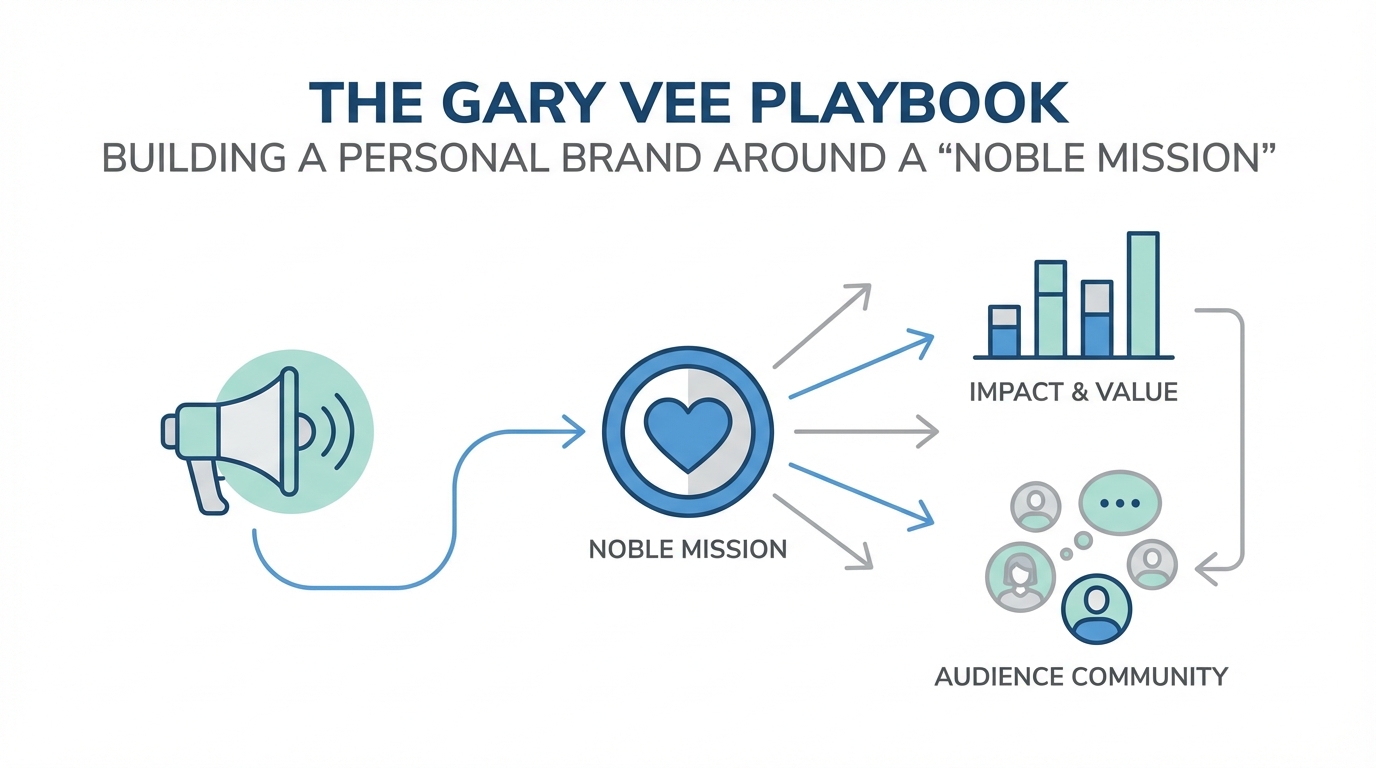
Why does everyone want to help Gary Vaynerchuk buy the New York Jets? It’s not because the world is particularly concerned with the financial success of a wealthy entrepreneur. It’s because Gary has mastered a psychological loophole in human nature. When you build a personal brand around a 'Noble Mission'—or what marketers call 'The Dream'—you gain a level of public air cover that turns wealth accumulation into a secondary, almost necessary, byproduct of a grander pursuit. In an era where audiences are increasingly cynical toward 'hustle culture,' the Gary Vaynerchuk marketing strategy provides a blueprint for founders to build social media authority without the taint of perceived greed.
The 5 D’s of Personal Branding: Why Having a 'Dream' Matters
To understand how high-level influencers operate, you have to look at the framework of personal branding for founders. Most entrepreneurs focus on their product or their profit margins, but the most successful ones focus on the 5 D’s. While all five are important, the most critical for public perception is The Dream. As discussed by industry leaders at platforms like Hampton, having a clear, audacious, and slightly romantic goal prevents the public from viewing your business moves as purely extractive.
If your goal is just to reach a $450 million net worth [source: Forbes], you are just a number on a spreadsheet. But if that money is fuel for a childhood dream, you become a character in a story. For Gary Vee, that story is the New York Jets. This 'Dream' provides air cover. Every time he sells a book, speaks at a conference, or runs a Meta Ads Manager campaign for a client, his audience doesn’t see him putting money in his pocket; they see him getting one step closer to the Jets. This shift in perspective is the ultimate influencer marketing strategy for longevity.
The 'Lovable Loser' Strategy: Positioning the Mission

There is a specific reason Gary didn’t choose to buy the New York Yankees or the Dallas Cowboys. He chose the New York Jets—a team often characterized as a 'lovable loser.' This is a deliberate choice for building a brand mission. People naturally gravitate toward turnaround projects. There is a nobility in wanting to fix something broken, a sentiment that resonates deeply with the entrepreneurial spirit.
When founders position their personal brand as the 'fixer' of a legacy problem, they earn social media authority. This is similar to how Tesla didn't just set out to sell cars; they set out to accelerate the world's transition to sustainable energy. It’s a 10x more compelling narrative. For app developers and mobile marketers, this might mean moving beyond simple user acquisition on Google Ads and instead focusing on how their app solves a fundamental human friction. When you align with a noble cause, your influencer partnerships—often discovered through Stormy AI, an AI-powered search engine that finds creators across TikTok and Instagram using natural-language prompts—become more authentic because they aren't just selling a tool—they're joining a movement.
From 20-Second Thoughts to 20-Year Thoughts
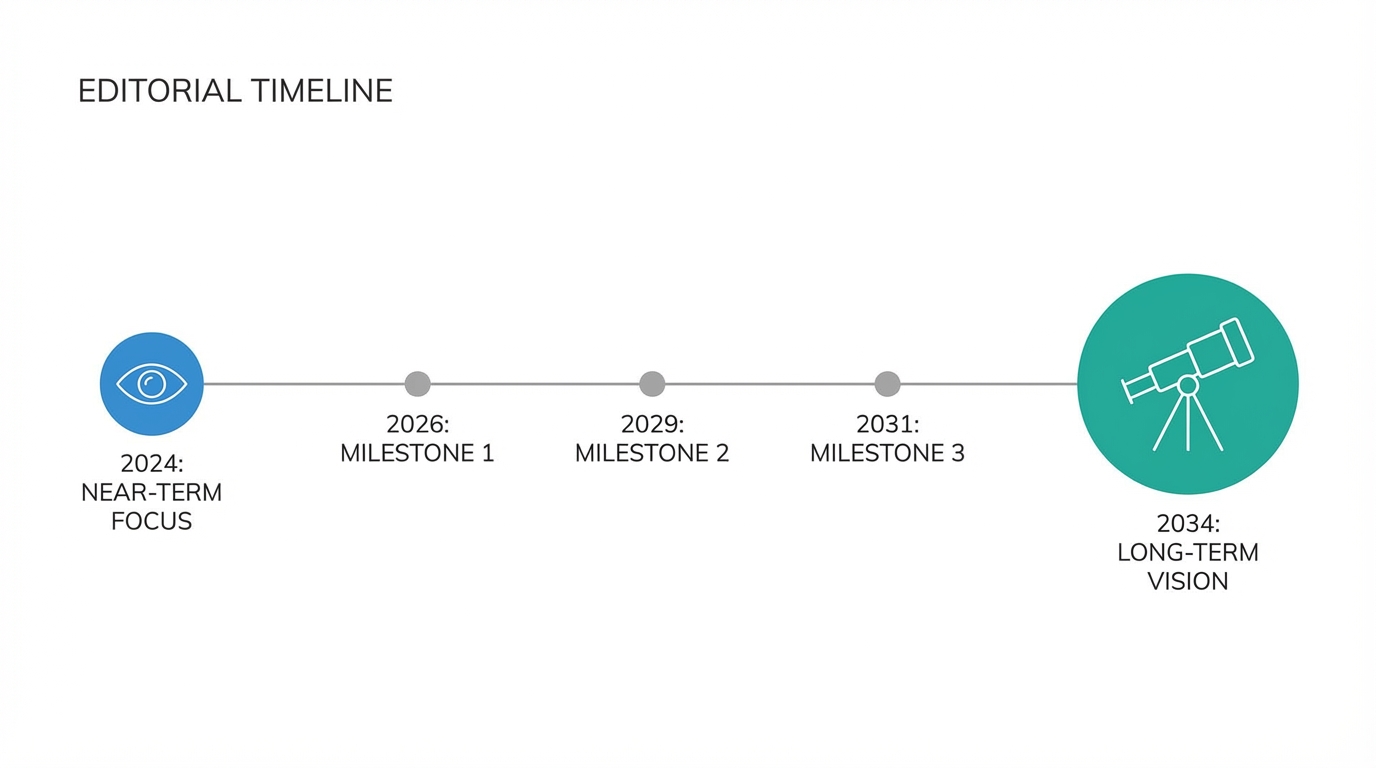
A major mistake in personal branding for founders is living entirely in the 'now.' Social media, by its nature, encourages 20-second thoughts—the quick tweet, the fleeting TikTok trend, the reactionary LinkedIn post. While this builds immediate engagement, it rarely builds long-term authority. The Gary Vee playbook suggests a pivot toward 20-year thoughts.
This means prioritizing deep focus over constant consumption. Leading founders are increasingly 'going dark' on social media consumption to focus on high-leverage inputs like Kindle books or deep-dive research. The goal is to trade the shallow noise of the feed for the distilled wisdom of decades. By sharing these deeper insights, a founder differentiates themselves from the 'influencer' who only comments on the news cycle. They become the source of the news cycle.
The 'Founder Mode' Playbook: Building Instant Trust
Communication style is the differentiator between a manager and a visionary. In what is now being called 'Founder Mode', the goal is radical transparency and directness. A prime example of this is seen in how elite startups like Owner communicate with their investors and the public.
Step 1: The Open-Book Investor Update
Instead of hiding behind vague metrics, 'Founder Mode' founders share the raw data. When Owner CEO Adam Cohen-Aslatei sends investor updates, he often includes the last three full reports. This shows the trajectory of growth, not just a snapshot. For a personal brand, this means being open about your 'churn' and your failures as much as your wins. Authenticity is the highest-converting currency in marketing. Modern founders maintain this level of transparency by using a Creator CRM to track every collaboration, negotiation, and payment in one unified dashboard.
Step 2: Tactical Empathy
Being a 'Terminator' for growth is only half the battle. The most successful personal brands integrate human empathy. If a business fails or a project misses the mark, the founder should express genuine devastation for the impact on the customers, not just the loss of revenue. This humanizes the brand and makes the audience feel like they are part of a shared journey.
Step 3: Dive into the Details
As the CEO of Twitch, Dan Clancy, famously demonstrates, effective leadership requires a 'Square Line Curve.' This means spending time at the 10,000-foot strategic level, but being willing to drop down to the 10-centimeter level of pixels, copy, and product details at a moment's notice. This level of involvement is what defines the 'Founder Mode' of communication.
Total Brand Immersion: The Musk and Trump Model

The modern era of influencer marketing strategy has moved toward total life integration. We see this with figures like Elon Musk and Donald Trump, where the brand is not a 'job'—it is an immersion. This model suggests that the founder's life, office, and family should all reflect the mission. For Musk, this is evident in the Elon Index of companies: Tesla, SpaceX, and now Neuralink.
By investing in Neuralink, for example, Musk isn't just building a medical device; he's building the next stage of human evolution. Whether you find this dystopian or visionary, the marketing authority it generates is undeniable. For a mobile app founder, this level of immersion means their social presence should feel like a behind-the-scenes look at a mission, not a polished PR feed. This is where User-Generated Content (UGC) becomes powerful. Using Stormy AI to handle post tracking and analytics, brands can monitor engagement across social platforms in real-time, finding creators who actually live and breathe the app's mission, creating content that feels like an extension of the founder's vision rather than a paid ad.
The 'Sarah’s List' Strategy for Compound Success
Not everyone needs to be the face of a brand to benefit from this playbook. There is a path of 'calculated stability' that leads to wealth without the extreme risk of solo entrepreneurship. This is often referred to as Sarah’s List—joining a company that already has stability (around 1,000 employees) but still has 10x growth potential. Examples include historical wins like Airbnb or Facebook in their mid-stages.
For individuals building their own social media authority, the 'Sarah’s List' approach can be applied to niche selection. Instead of trying to be the first in a brand-new, volatile category (like many AI startups today), it is often better to find a 'steady compounder'—a category that is growing predictably—and build your authority there. Opportunity cost is the biggest cost in branding; picking the right project is more important than how hard you work on a bad one.
Actionable Takeaways: Building Your Noble Mission
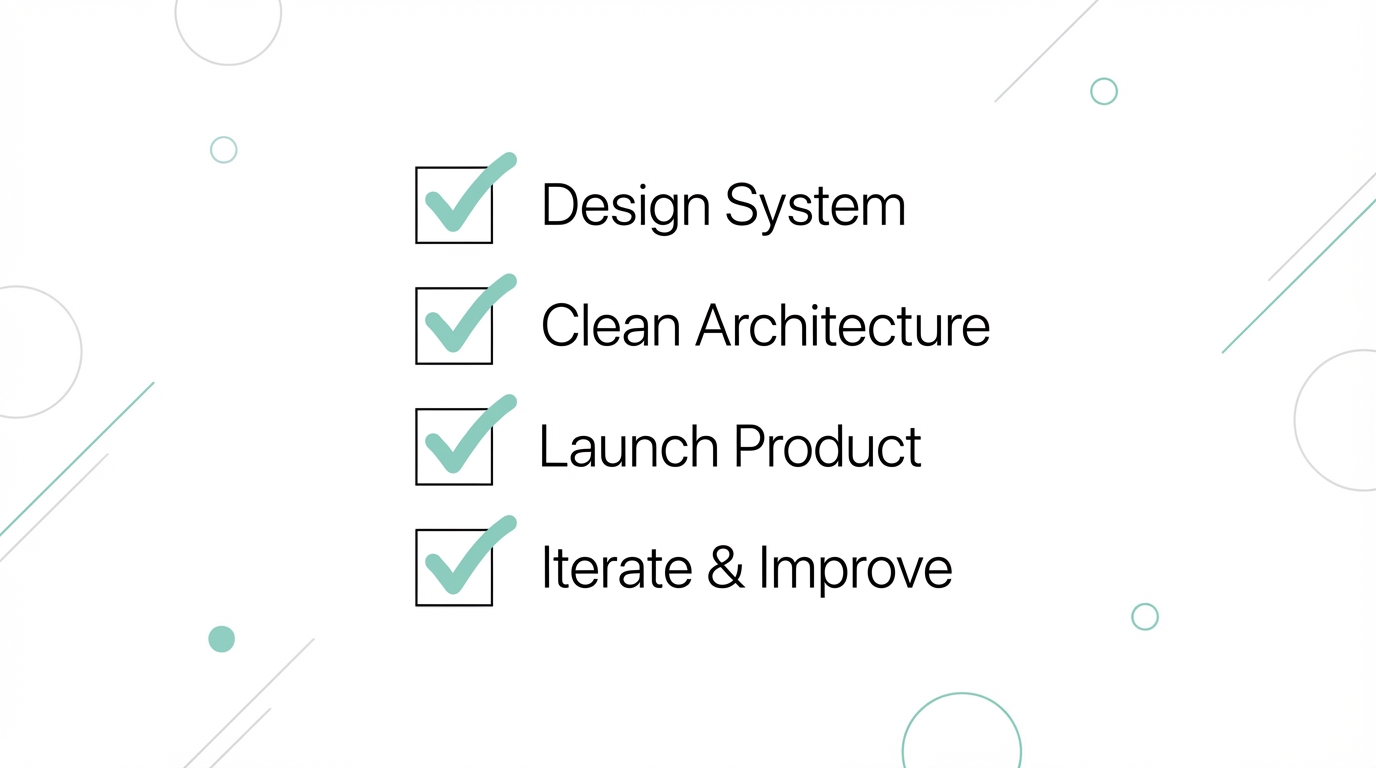
If you want to apply the Gary Vaynerchuk marketing strategy to your own career or company, start with these steps:
- Define Your 'Jets': What is the one, non-monetary goal that your wealth accumulation serves? Make it public. Make it romantic.
- Adopt the 'Lovable Loser' Framing: Identify the industry giant or the legacy problem you are trying to 'fix.' Position yourself as the underdog hero.
- Standardize Your Transparency: Start sharing 'investor updates' with your audience. Use real numbers, real failures, and real plans.
- Audit Your Consumption: Stop spending hours on the 20-second thoughts of others. Spend 20 hours a week on deep, 20-year thoughts through books and long-form research.
- Leverage UGC for Mission-Alignment: Don't just hire influencers; use Stormy AI to automate personalized outreach and follow-ups with creators who align with your 'Noble Mission.'
Building a personal brand as a founder is no longer about being the loudest person in the room. It’s about being the person with the most compelling 'Why.' When your 'Why' is a noble mission, the 'How'—the wealth, the ads, the growth—becomes something your audience actually wants to help you achieve. Whether you are running Apple Search Ads for a new mobile app or scaling a massive conglomerate, the playbook remains the same: Sell the dream, and the business will follow.