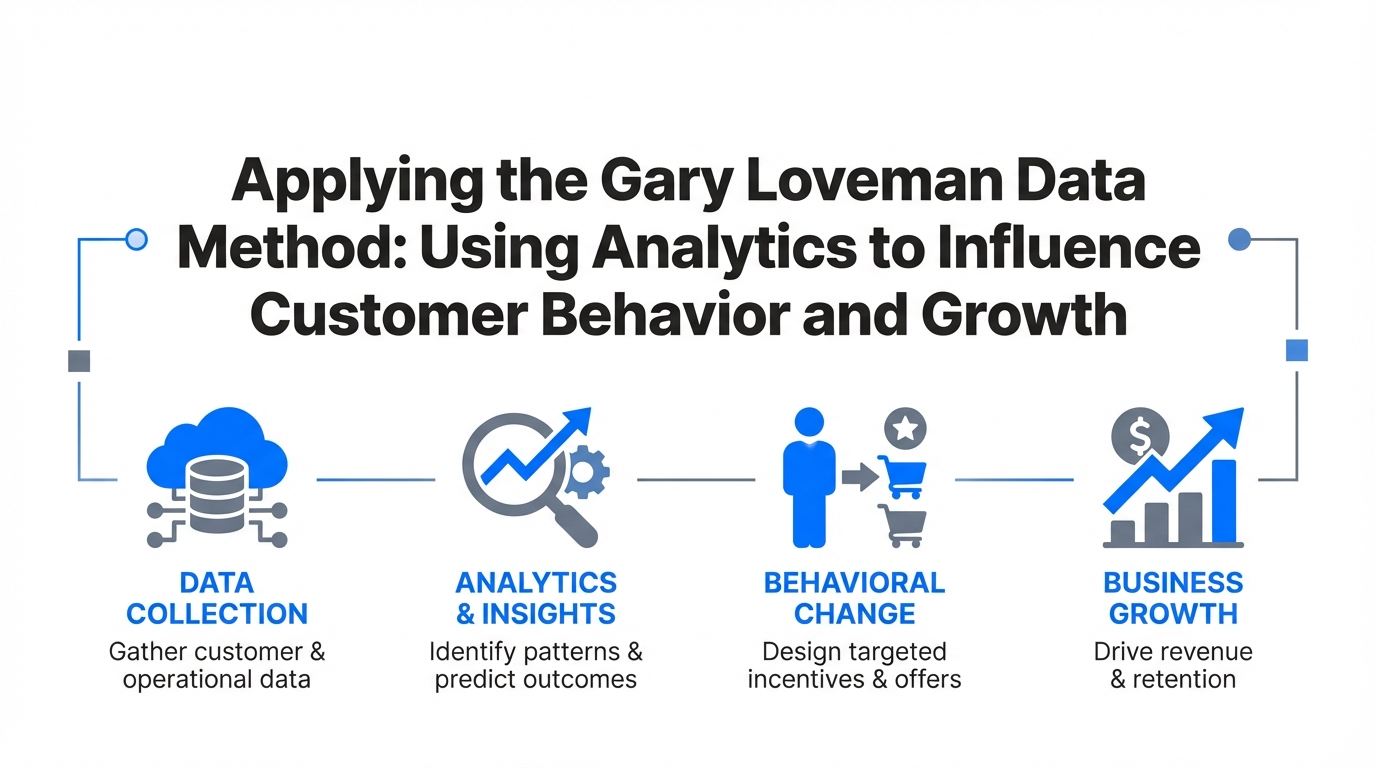
In the late 1990s, the casino industry was driven by a single, unshakeable philosophy: build the biggest, flashiest fountain, and the high rollers will come. Marketing was an exercise in intuition, gut feelings, and architectural excess. That was until a 40-year-old mathematician from Harvard, who had never run a company in his life, walked into Harrah’s Entertainment (now Caesars) and turned the entire model upside down. His name was Gary Loveman, and he didn't care about fountains. He cared about the math behind the man at the slot machine.
Loveman brought an academic rigor to the gaming world that changed the trajectory of growth marketing frameworks forever. By applying predictive analytics for business, he proved that a mathematician with a dataset was more powerful than a CEO with a hunch. This article explores how modern founders and marketers can apply the Loveman method to their own businesses, using customer behavior data to drive retention, automate upsells, and maximize lifetime value.
The Academic Pivot: From Harvard to the Strip
Before becoming the CEO of Caesars, Gary Loveman spent nine years as a faculty member at Harvard Business School. He was an expert in the use of analytics to influence customer behavior, but he lacked the "boots on the ground" management experience most boardrooms demanded. When Harrah’s invited him to join as COO, it wasn't because of his leadership pedigree; it was because they wanted his marketing analytics strategies. They gave him access to the private jet, rolled out the red carpet, and told him to make the casino his statistical playground.
Loveman’s arrival marked a shift from "hospitality as art" to "hospitality as science." He realized that a casino is essentially a giant data collection machine. Every swipe of a loyalty card, every button pressed on a slot machine, and every drink ordered was a data point. While legacy tools like Salesforce or early CRM systems were just beginning to track basic interactions, Loveman was looking at the marginal propensity to spend based on environmental variables.
The 'Moneyball' Approach to Customer Retention
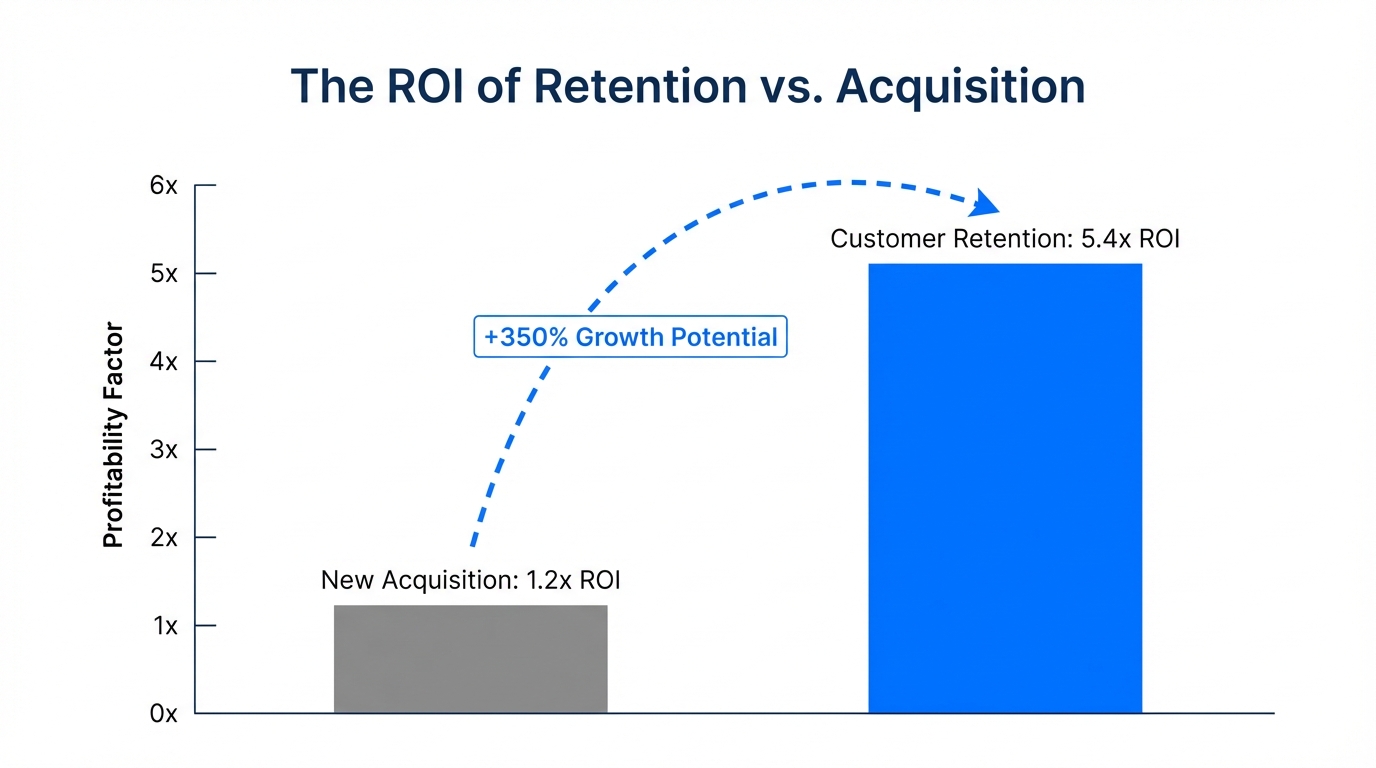
Much like Billy Beane’s Moneyball revolution in baseball, Loveman’s approach was rooted in the idea that numbers often beat intuition in marketing. In the casino world, the traditional wisdom was to spend millions on lavish suites for celebrities. Loveman’s data told a different story. He found that the real profit engine wasn't the billionaire at the baccarat table; it was the schoolteacher from the suburbs who came in twice a month to play the slots.
By analyzing customer behavior data, Loveman could predict exactly when a player was likely to leave the casino after a losing streak. To keep them at the machine, Harrah's began using real-time triggers. If a loyal customer lost a certain amount, a floor manager (notified by a data prompt) might walk up and offer them a free steak dinner or 50 dollars in free gambling credits. This wasn't a random act of kindness; it was a calculated intervention to extend the customer’s lifetime value.
"The casino is a sponge, and data is the hand that rings it out. We don't guess what the customer wants; we let their behavior tell us what they need next."
For modern startups, this means moving beyond simple email blasts and toward behavioral triggers. Whether you are running a SaaS platform or an e-commerce store on Shopify, your growth is dependent on your ability to predict the "churn moment" before it happens. Using predictive analytics for business allows you to automate these interventions at scale.
'Cherries in the Vodka': Statistical Testing in Service
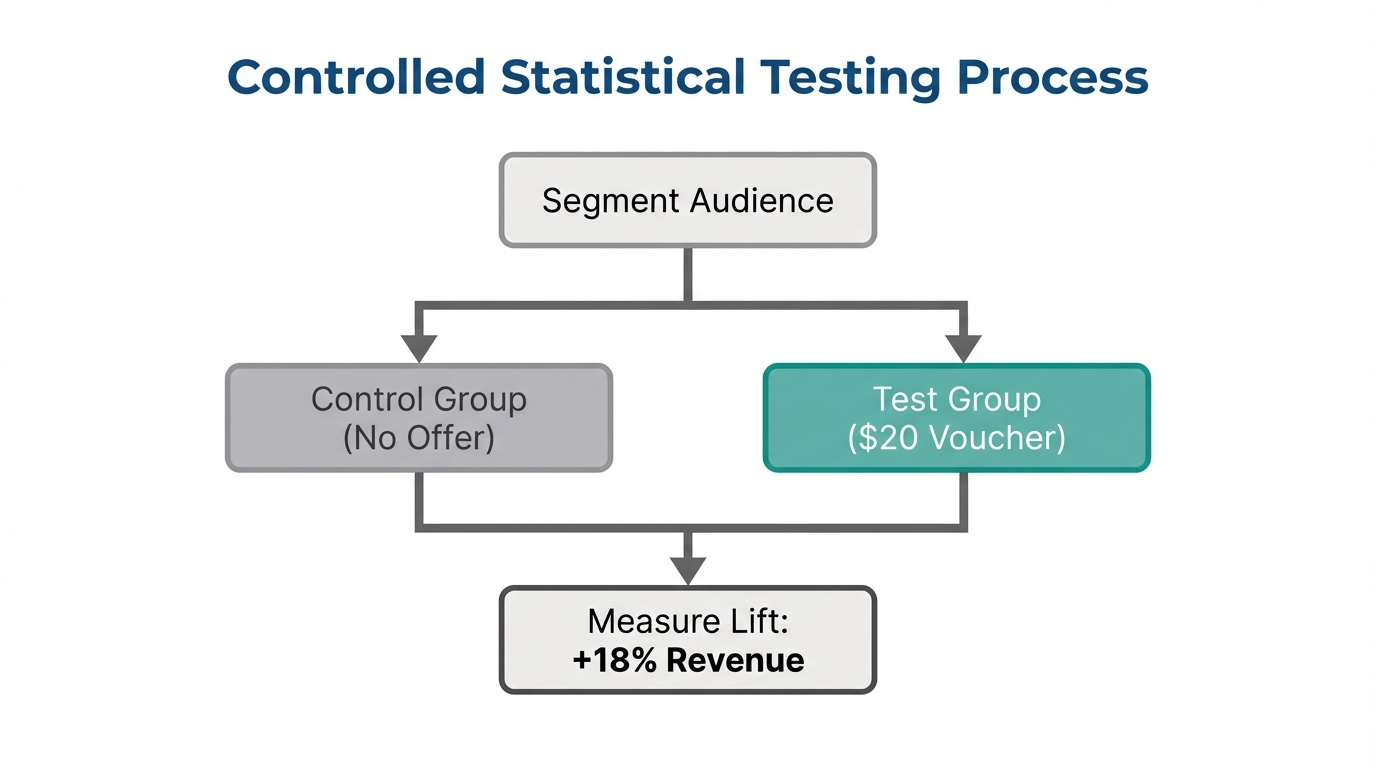
One of the most famous anecdotes of the Loveman era involves a seemingly trivial change to the beverage service. Loveman’s team ran a test: put cherries in the vodka drinks. The data returned with a startling result—slot machine sales increased by 3.3%. To the average observer, this correlation makes no sense. But to a data scientist, it didn't matter *why* it worked; it only mattered that it was statistically significant and repeatable.
This level of granular testing is the hallmark of sophisticated growth marketing frameworks. It’s about testing the environment, not just the product. In a modern context, this might look like:
- Testing the load speed of a landing page and its impact on Google Ads conversion rates.
- Analyzing how the tone of a customer support chat affects repeat purchase rates.
- Measuring the impact of personalized "welcome back" videos on mobile app re-engagement via AppsFlyer.
| Strategy Component | Old School Intuition | The Loveman Method |
|---|---|---|
| Customer Value | Focus on "Whales" | Focus on Frequency |
| Incentives | Generic Discounts | Real-time Behavioral Triggers |
| Testing | A/B split testing on copy | Environment & Variable Testing |
| Decision Making | Highest Paid Person's Opinion | Statistical Significance |
Behavioral Data: Predicting Needs and Automating Upsells
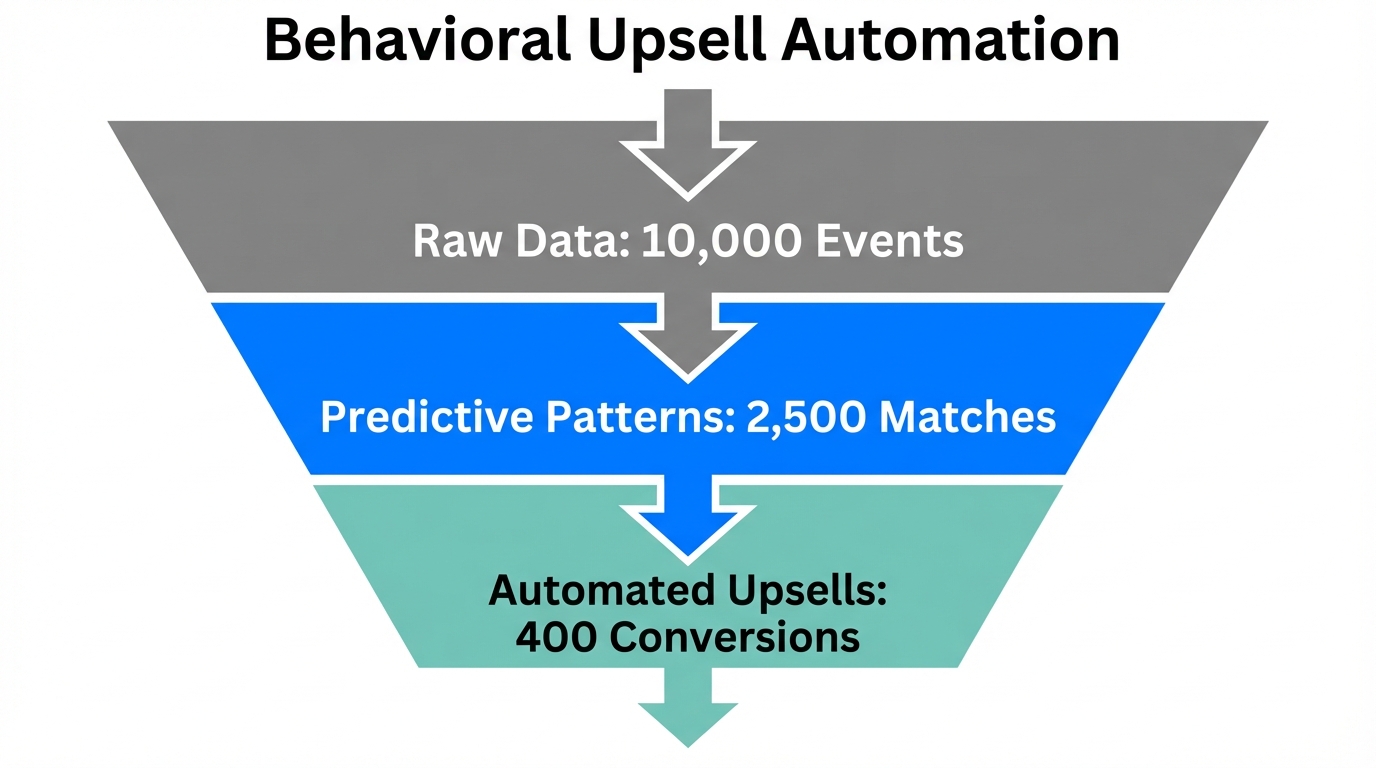
The core of Loveman's success was the Total Rewards program. It wasn't just a punch card for free rooms; it was a data-harvesting engine. If you stayed at a Harrah’s property in Las Vegas, the system knew if you preferred the buffet over the fine-dining steakhouse. The next time you booked, your offer would be specifically tailored to your past spending habits. This predictive marketing approach ensured that Harrah's had a 50% repeat rate, a figure unheard of in the volatile hospitality industry.
For marketers today, platforms like Stormy AI can help replicate this level of precision in the creator economy. Just as Loveman vetted his guests, brands must vet the creators they work with. Platforms like Stormy AI allow you to search for influencers using natural language prompts, ensuring you discover creators whose audience demographics align perfectly with your customer behavior data. Once you find the right match, the platform’s AI-powered outreach can handle the personalization, much like Loveman’s automated hotel upgrades.
When you combine marketing analytics strategies with automated outreach, you create a system that grows while you sleep. You aren't just buying ads on Meta Ads Manager and hoping for the best; you are building a talent farm of creators who act as billboards for your brand, driven by the same mathematical rigor Loveman applied to his casinos.
"The most valuable real estate you can build is the one in the consumer's mind. Data is the blueprint for that construction."
The Michelangelo Effect: The Psychology of Loyalty
Data tells you *what* happened, but psychology tells you *why*. Loveman understood that loyalty isn't just about points; it's about making the customer feel special. This is often referred to as the Michelangelo Effect—a psychological phenomenon where individuals are "sculpted" by the affirmations of those around them. When a casino (or a brand) recognizes a customer’s preferences and affirms their status, the customer begins to identify with that brand on a deeper level.
If you tell a customer they are a "Gold Member," they start to act like one. They increase their spending to maintain that identity. This is why growth marketing frameworks must include a component of identity-based rewards. It’s not just a transaction; it’s a relationship managed through a Creator CRM or a customer database that remembers the details that matter.
Step-by-Step: Setting Up a Data-Driven Loyalty Program
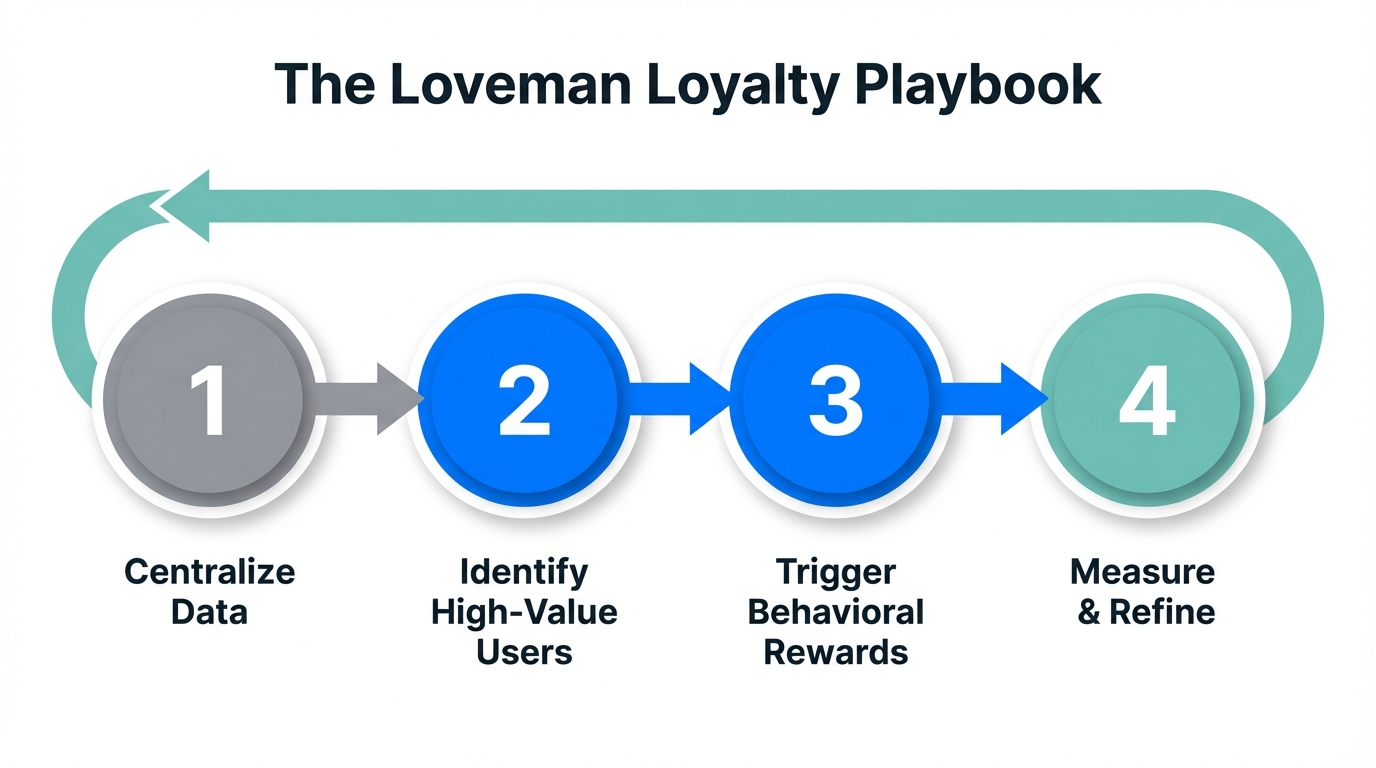
To implement the Loveman Method in your business, follow this sequential playbook to move from intuition to optimization:
- Identify Your "Slot Players": Determine which segment of your audience has the highest frequency of purchase, even if they aren't your highest-paying individual customers. Use tools like Notion or Monday.com to segment these users.
- Establish a Behavioral Baseline: Track the specific actions that lead to a second or third purchase using Mixpanel or Google Analytics. Is it a specific email they opened? A creator they followed? A feature they used?
- Create Real-Time Triggers: Set up automation that fires when a customer deviates from their baseline. If a subscriber hasn't logged in for 5 days, what is the "cherry in the vodka" intervention that brings them back?
- Quantify Every Variable: Don't just test the big things. Test the small environmental factors—shipping speed, packaging color, or the time of day an SMS is sent via Klaviyo.
- Scale Through AI: Use predictive analytics for business to automate the discovery of new growth channels. For example, use Stormy AI to find UGC creators who match the behavioral profile of your most loyal customers.
Conclusion: The Legacy of Data-Driven Growth
Gary Loveman’s transition from Harvard to Caesars proved that marketing analytics strategies are the ultimate competitive advantage. By treating every customer interaction as a data point and every service decision as a statistical test, he built a multi-billion dollar empire that prioritized customer behavior data over vanity projects.
Today, the tools have changed, but the principles remain. Whether you are using Meta Ads to find new users or sourcing creators via Stormy AI, your goal is the same: to use math to influence behavior. Stop guessing what your customers want. Start measuring what they do, and like Loveman, you might just find that the secret to growth is as simple as a cherry in a glass of vodka.