In the hyper-competitive landscape of digital products, simply being "useful" is no longer enough to guarantee success. We are living in an era where attention is the primary currency, and the most successful apps are those that don't just solve a problem, but transform the solution into an addictive experience. This shift has catapulted gamification marketing strategies to the forefront of growth hacking. By integrating elements of play—points, badges, leaderboards, and challenges—brands are turning passive users into obsessed advocates. From the language-learning streaks of Duolingo to the dopamine-hitting interfaces of modern productivity tools, the science of user engagement gamification is rewriting the rules of retention and word-of-mouth marketing.
The Psychology of Play: Why Dopamine-Driven Design Works
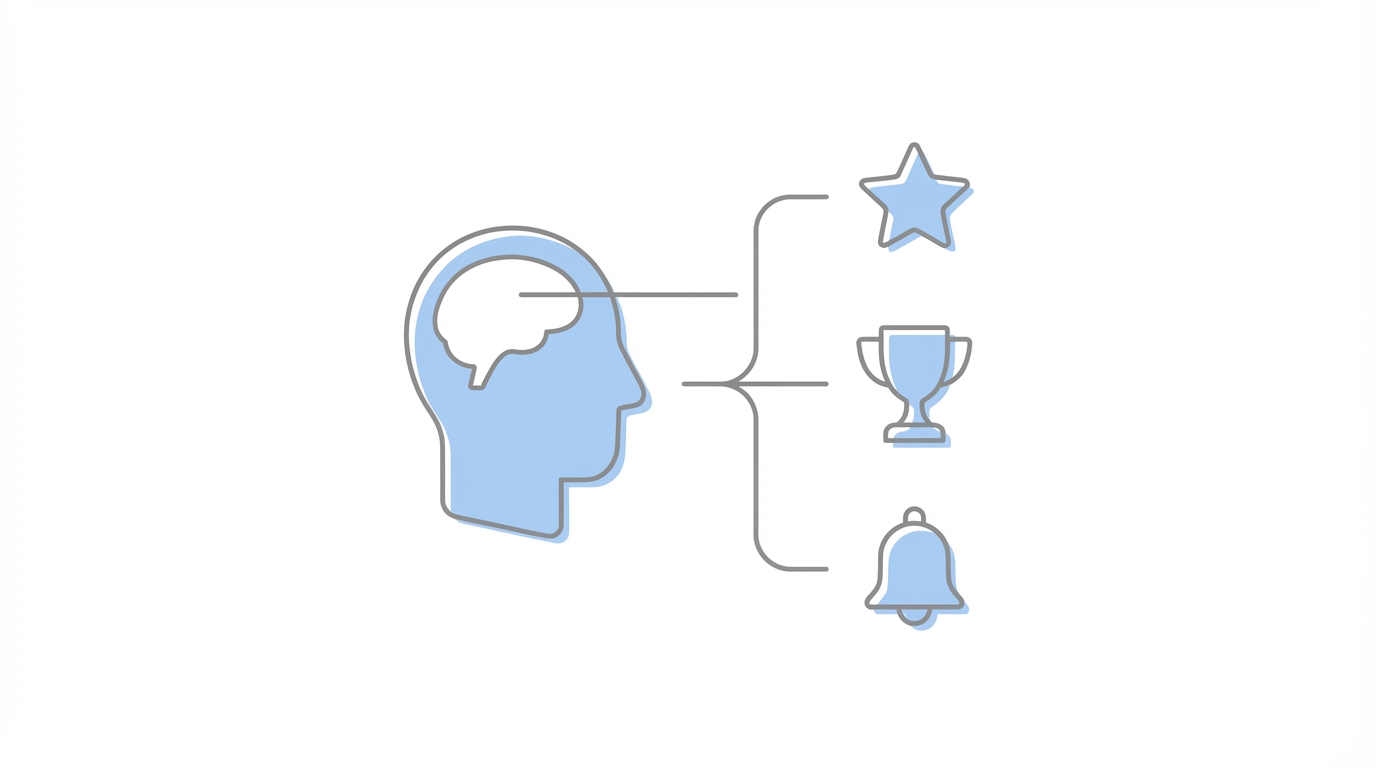
At its core, gamification isn't about making a game; it's about using the psychological triggers that make games so compelling to drive specific business behaviors. The success of apps like Duolingo or the viral Brain Rot app interface proves that users crave feedback. When a user completes a task and sees a progress bar move or a badge unlock, the brain releases dopamine, the neurotransmitter associated with reward and motivation. This creates a powerful viral growth loop: the reward makes the user feel good, which encourages them to repeat the action, eventually forming a habit.
The "Brain Rot" UI trend specifically highlights a fascinating shift in app gamification trends. It utilizes high-contrast visuals, real-time feedback, and high-intensity feedback loops to keep users engaged. Whether it is a focus mode that rewards you for staying off your phone or a learning platform that punishes you (playfully) for breaking a streak, the goal is the same: keep the user inside the ecosystem by making the alternative—leaving—feel like a loss. This loss aversion is a key component of customer loyalty programs that actually stick.
The Gamification Agency Opportunity: Auditing for Engagement

As more businesses realize that their churn rates are linked to lack of engagement, a massive opportunity has emerged for specialized consultants. A "Gamification Agency" focuses on auditing existing apps and websites to identify where user participation drops off and where mechanical rewards can be injected. This involves looking at the value ladder of a product—a framework found on platforms like Idea Browser—which structures offers in ascending levels of value and price. By gamifying the transition between these levels, agencies can significantly increase Customer Lifetime Value (CLV).
An audit might reveal that a SaaS platform has a great onboarding flow but a "dead zone" after 14 days. An agency would recommend implementing a leaderboard for power users or a challenge-based reward system to bridge that gap. By focusing on user engagement gamification, these agencies help companies move away from aggressive, annoying notifications and toward pull-based systems where users want to check the app to see their standing. This is particularly effective in niches like fitness, finance, and even safe travel apps for niche demographics.
The Playbook: Building a Reward-Based Referral System
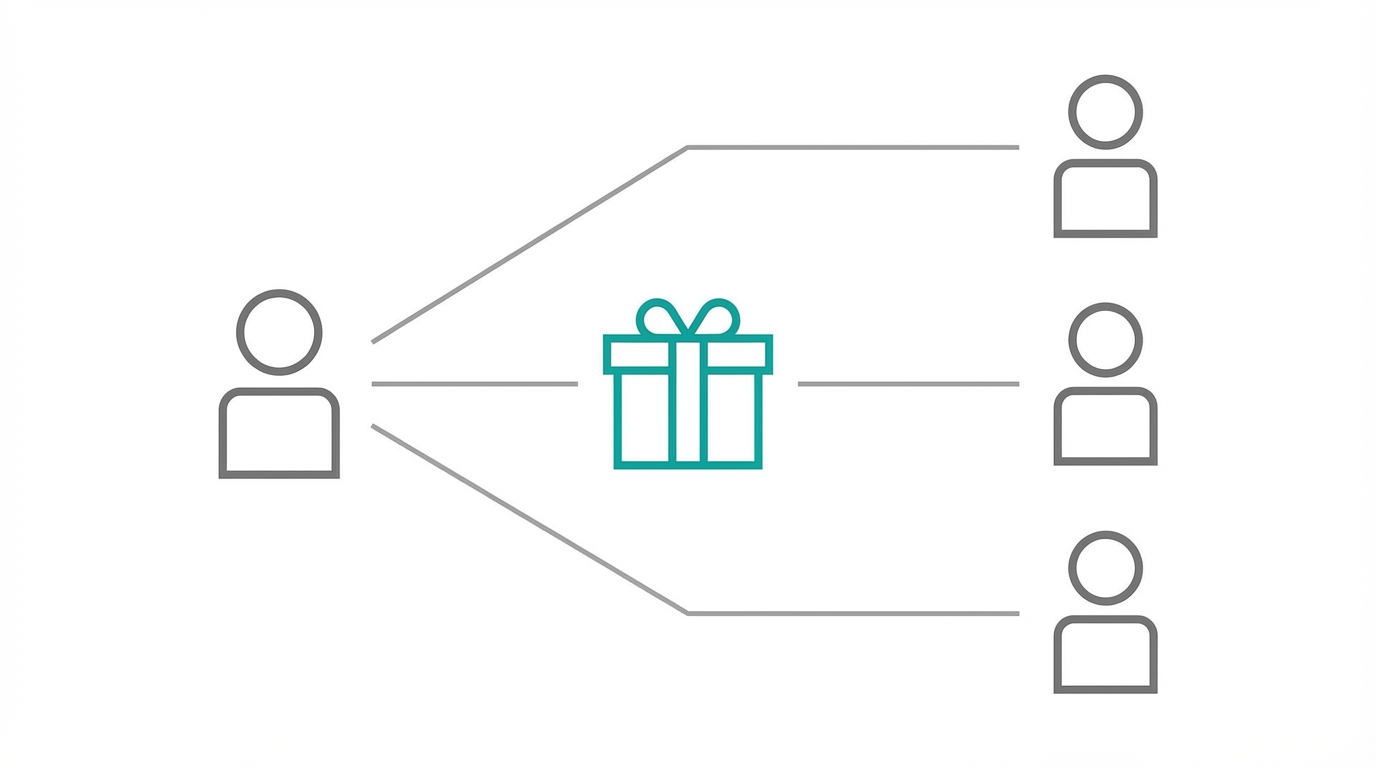
Word-of-mouth is the holy grail of marketing, but it rarely happens by accident. To turn your users into a sales force, you need a structured, gamified referral system. Follow this step-by-step guide to build a viral growth loop through referrals:
Step 1: Define the Core Action
Identify the one action that provides the most value to your ecosystem. Is it a sign-up, a first purchase, or a content share? Your reward must be tied directly to this action to ensure you aren't just driving junk traffic.
Step 2: Create Tiered Rewards
Don't just offer a flat discount. Create milestones. For 1 referral, get a "Bronze Badge." For 5 referrals, unlock a "Premium Feature." For 10, get a physical gift or exclusive access. This encourages users to keep going rather than stopping after the first win.
Step 3: Implement Social Proof (Leaderboards)
Human beings are inherently competitive. Showing a user that they are in the top 10% of referrers in their city (a tactic used by sites like HoodMaps and Nomad List to build community data) can be more motivating than a small cash incentive. This leverages the psychological principle of social proof to drive consistent participation.
Step 4: Use Mascot-Led Communication
A mascot gives your brand a personality that can "cheer" for the user. When a mascot delivers the news of a reward, it feels less like a corporate transaction and more like a personal achievement. This is why brands are increasingly investing in character-based branding to enhance their app gamification trends.
Leveraging Creators and Affiliates in the Gamified Loop
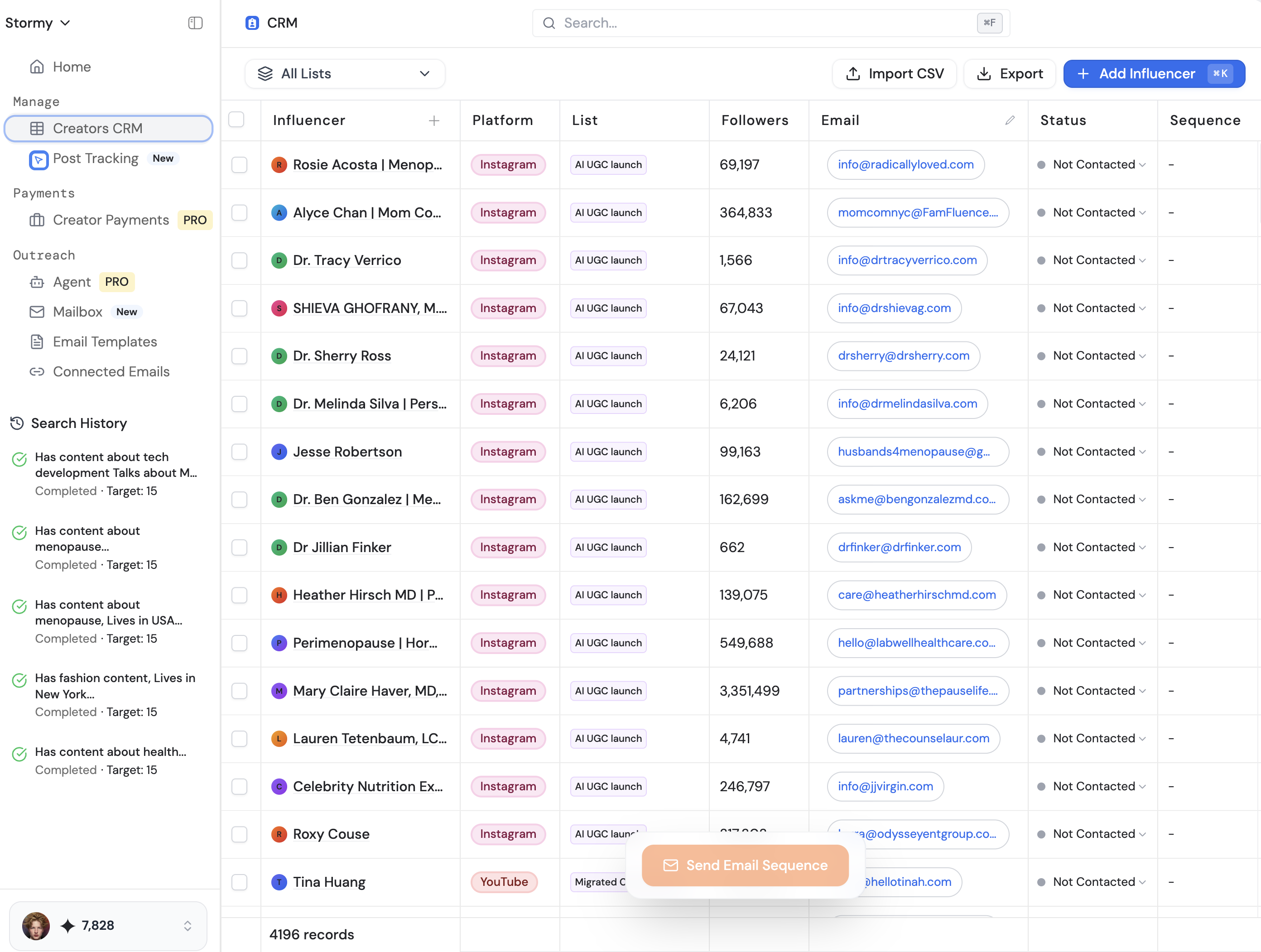
To scale a gamified system, you need to reach beyond your existing user base. This is where a three-step growth framework involving creators becomes essential. First, you must attach the right creator to your brand. While mega-influencers are tempting, micro-influencers—those with 120,000 followers or fewer—often have higher engagement and more niche authority. When sourcing these partners, platforms like Stormy AI streamline creator sourcing and outreach by letting you search across TikTok, YouTube, and Instagram with natural-language AI prompts.
Second, offer a generous affiliate percentage, often between 30% to 50% for initial cohorts, to ensure they are incentivized to promote you consistently. Finally, gamify the affiliate experience itself. Instead of just paying a commission, run monthly contests where the top-performing affiliate wins a high-value experience, such as a trip or a luxury item. This creates a "meta-game" where your promoters are as engaged as your end-users. Managing these complex relationships and tracking who is driving the most viral growth is much simpler using a creator CRM that keeps all conversations and performance data in one place.
Measuring the ROI: Metrics That Actually Matter
Gamification for the sake of "fun" is a waste of resources. To ensure your gamification marketing strategies are actually working, you must track specific KPIs. The most critical include:
- Session Length and Frequency: Are users spending more time in the app? Are they opening it more times per day?
- Churn Rate Reduction: Compare the retention of users who engage with gamified elements versus those who do not. Usually, gamified users have a significantly lower churn rate.
- Viral Coefficient: This measures how many new users each existing user brings in. A viral coefficient higher than 1.0 means exponential, viral growth.
- Task Completion Rate: If you've gamified a specific workflow (like finishing a profile), has the completion rate improved?
By using analytics tools or even modern AI creative platforms like Krea AI or Glyph AI to generate engaging visual rewards, brands can iterate on their designs in real-time. Even small changes in the visual feedback of a "like" button or a progress ring can have outsized impacts on these metrics.
The Future of Viral Growth
Gamification is no longer an optional "extra" for digital products; it is the fundamental framework of modern user experience. By understanding the dopamine-driven design of successful apps and implementing viral growth loops, businesses can move beyond the expensive cycle of paid acquisition and into the sustainable world of organic loyalty. Whether you are building a safe-travel map for women, a focus-mode app, or a customer loyalty program for a beverage brand like Olipop or La Colombe, the principles of play remain the same. Start small, reward consistently, and turn your users into the heroes of your brand story.