In the rapidly evolving digital landscape of 2025, a new term has taken center stage in the boardrooms of top-tier brands: vibe marketing. This isn't just a buzzword; it represents a fundamental shift from rigid, data-heavy spreadsheets to a more fluid, aesthetic, and community-driven approach to brand building. However, the true revolution lies in how this "vibe" is managed. We are moving away from manual campaign oversight toward agentic marketing orchestration, powered by a new generation of autonomous tools like Claude Code. This strategic evolution is allowing brands to capture lightning in a bottle—scaling the unscalable through AI-driven creator relationships.
The $24 Billion Influencer Market Shift
The scale of the creator economy has surpassed even the most optimistic projections from a few years ago. According to research from Statista, the influencer marketing industry is projected to reach a staggering $24 billion by 2025, up significantly from $21.1 billion just a year prior. This growth is being fueled by a massive injection of capital into automation; specifically, AI is expected to account for 35% of total influencer marketing investments in 2025, as reported by Artsmart.ai.
It is no longer a question of whether brands will use AI, but how deeply they will integrate it into their DNA. Currently, 73% of brands utilize AI tools for influencer discovery and ROI tracking, a trend highlighted by Torres Marketing. As we head toward 2026, Gartner predicts that 40% of enterprise applications will embed AI agents, a massive leap from the 5% adoption rate seen at the start of 2025, according to Medium. For marketers, this means the era of manual outreach is ending, replaced by agents that can think, act, and optimize in real-time.
Defining Vibe Marketing and Agentic Orchestration
At its core, vibe marketing focuses on the intangible qualities of a brand—the feelings, aesthetics, and cultural resonance that can't always be quantified by a simple click-through rate. In 2025, consumers are increasingly resistant to "over-produced" advertisements. They crave authenticity, which is where nano-influencers come in. These creators often boast a 10.3% engagement rate on platforms like TikTok, vastly outperforming celebrities who struggle to maintain even 2% engagement.
The challenge, however, is management. Running a campaign with 1,000 nano-influencers is a logistical nightmare for a human team. This is where agentic marketing orchestration changes the game. Unlike traditional automation (which follows "if-this-then-that" rules), AI agents can make autonomous decisions based on high-level goals. They don't just send emails; they analyze a creator's recent content, judge if their current "vibe" matches the brand's seasonal aesthetic, and negotiate terms—all while the marketing manager focuses on high-level strategy.
Why Claude Code Outperforms Standard Chatbots
While many marketers are familiar with ChatGPT or the standard Claude interface, Claude Code for business represents a significant architectural leap. Claude Code is a terminal-based interface that allows the AI to "see" and interact with an entire project structure rather than just a single text box. This "action-first" architecture is essential for modern marketing campaigns that require multi-step technical execution.
One of the primary advantages of Claude Code is its ability to use the Model Context Protocol (MCP). This allows the agent to interact directly with live social media APIs, databases, and third-party tools. Experts at SharedPhysics note that Claude is superior for long-context reasoning, enabling it to analyze years of historical performance data to identify seasonal trends that a human analyst or a standard chatbot might miss. Brands using these advanced AI agents report a 65% reduction in campaign launch time and a 30% boost in advertising efficiency, according to AI Align Agency.
The Power of Model Context Protocol (MCP)
The Model Context Protocol is the bridge between the AI's "brain" and the marketer's data. By using MCP servers, Claude Code can query Google Ads or Meta Ads Manager directly. Instead of a marketer exporting a CSV and uploading it to a chat window, the agent pulls the data itself. For example, using the Meta Ads MCP Server allows Claude to manage Instagram ad spend and creative iterations autonomously based on real-time performance signals.
Strategic Shift Toward Nano-Influencers
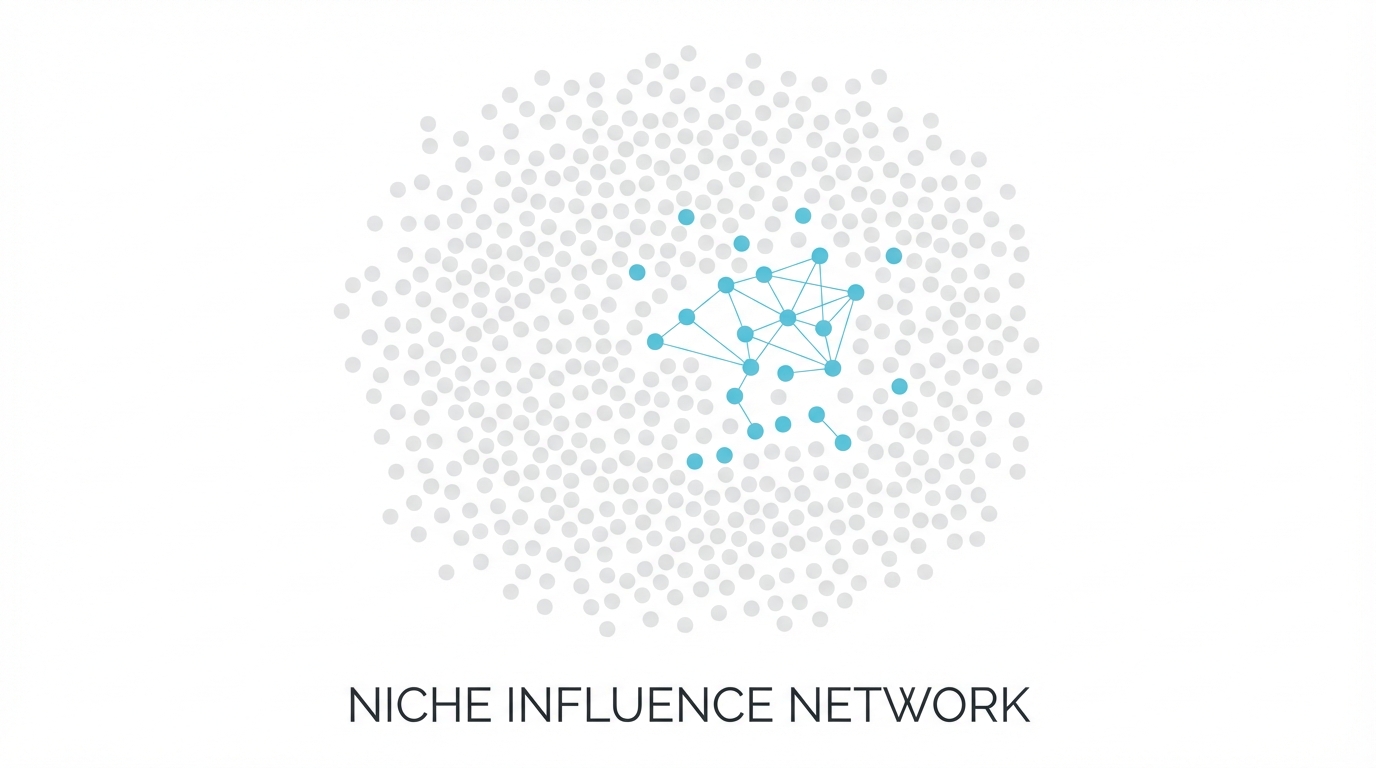
The future of vibe marketing relies on the "power of the small." While celebrity influencers offer reach, nano-influencers offer trust. To capitalize on this, marketers are deploying specialized agents to handle the heavy lifting of discovery. Tools and repositories like the Influencer Marketing Claude Skills on GitHub allow teams to build "Discovery Agents" that scan social signals to find creators before they go mainstream.
However, finding the creators is only half the battle. Vetting them for audience quality and managing the relationship requires a sophisticated infrastructure. This is where Stormy AI becomes an invaluable part of the stack. While Claude Code handles the agentic orchestration and technical data analysis, platforms like Stormy AI provide the specialized AI search engine across TikTok, Instagram, and YouTube needed to source those high-engagement creators. By combining the raw power of AI agents for influencer marketing with the specialized discovery and vetting capabilities of Stormy AI, brands can build a robust creator CRM that scales without losing the personal touch required for vibe-centric campaigns.

Your Playbook for Agentic Marketing Orchestration
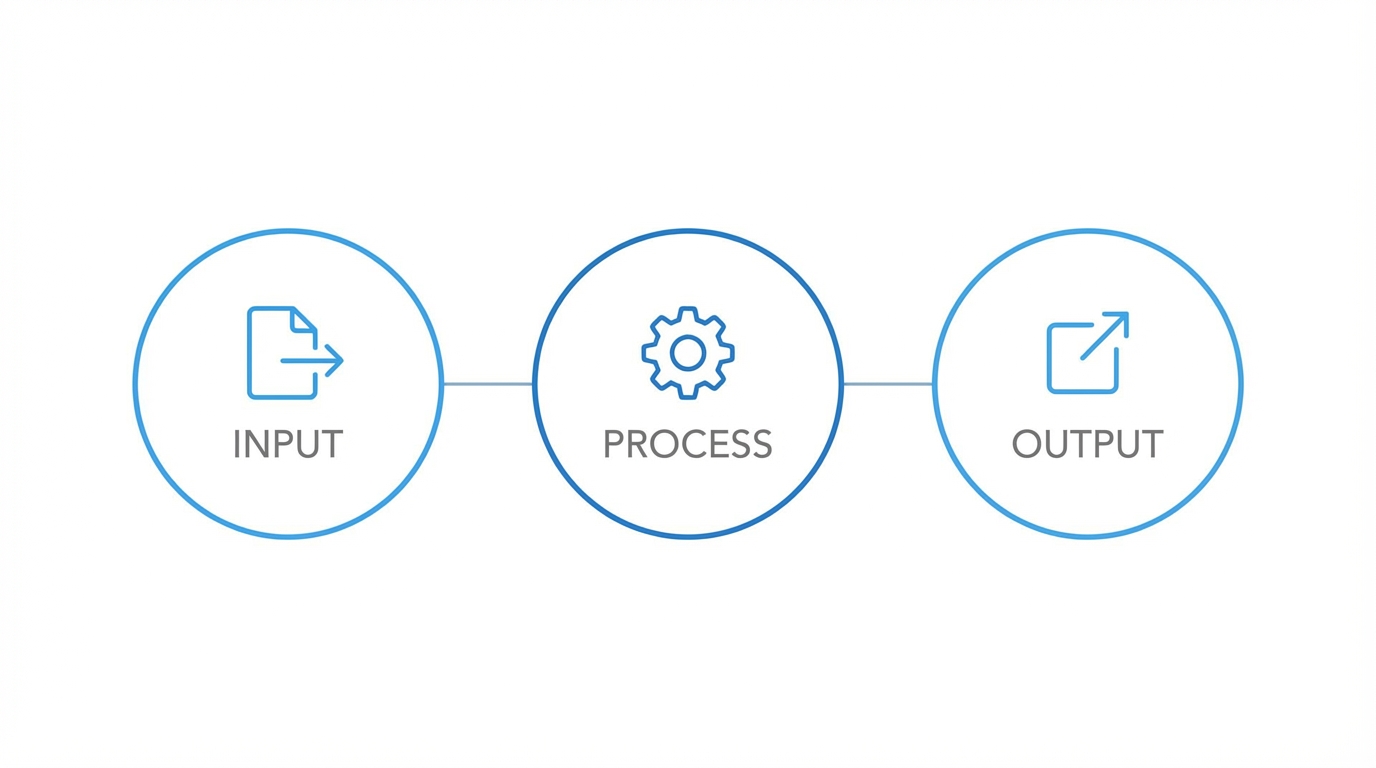
Transitioning to an agentic model requires a shift in how you structure your marketing department. Follow these steps to implement Claude Code in your influencer workflow:
Step 1: Build a Marketing Command Center
Start by creating a persistent context for your agents. In your project directory, create a CLAUDE.md file. This file should contain your brand voice guidelines, your Ideal Customer Profile (ICP), and your specific campaign goals. This ensures that every agent you spin up—whether for outreach or data analysis—operates from the same source of truth.
Step 2: Connect Live Data Streams
Integrate your agents with your actual performance data. Use the Two Octobers Guide to connect Claude to your Google Analytics MCP server. This allows your agent to see which influencer-driven traffic is actually converting into app installs or sales in real-time.
Step 3: Deploy Specialized Sub-Agents
Don't ask one agent to do everything. Use the claudecode terminal to spin up specialized sub-agents for specific tasks:
- The SEO Auditor: This agent maps influencer content back to your long-tail keywords to ensure UGC (user-generated content) supports your ASO (App Store Optimization) goals.
- The Personalization Agent: Use the Claude Code CLI to read a creator’s last 20 posts and draft hyper-personalized outreach briefs that reference specific themes, which can increase response rates by 15-25%.
- The Compliance Agent: A dedicated agent that scans every post for FTC disclosure violations, protecting your brand from legal risks.
Lessons from the Field: Case Studies
The results of this shift are already visible in major enterprises. TELUS integrated Claude across its workforce, saving over 500,000 staff hours and delivering $90 million in business benefit through automated workflows, as documented by DataStudios. Similarly, Zapier has deployed over 800 internal Claude-driven agents to automate marketing and engineering tasks, seeing an 89% adoption rate across the company, according to Zapier.
In the DTC (direct-to-consumer) space, a beauty brand recently used the "Lyra" AI agent to scale from 5 to 50 campaigns per month without increasing their headcount. By letting the agent handle the orchestration of nano-influencer communication, the brand's human team could focus entirely on creative direction and brand "vibe."
Common Mistakes and How to Avoid Them
Despite the power of AI agents, there are pitfalls that can derail a vibe marketing campaign. The most common is the "Context Death Spiral." This happens when you try to run too many disparate tasks in a single AI session, leading to hallucinations. Marketers should use the /compact command in Claude Code to summarize context or start fresh sessions for different influencer cohorts.
Another risk is the production of "AI Slop." Relying on generic, non-edited AI outputs can destroy the very "vibe" you are trying to build. Experts at Fast Company ME warn that while AI gets you 80% of the way there, the final 20% requires human obsession for quality and brand nuance. Finally, never compromise on security. Use Claude Enterprise or self-hosted MCP servers to ensure you aren't uploading sensitive customer data to public instances, a concern raised by Codonomics.
Conclusion: The Agentic Future
As we look toward the remainder of 2025 and into 2026, the brands that win will be those that master agentic marketing orchestration. By utilizing tools like Claude Code for business and leveraging the Model Context Protocol, marketers can finally bridge the gap between technical data and creative "vibe." The future of influencer marketing is not just about who has the biggest budget, but who has the smartest agents working behind the scenes to find, vet, and collaborate with the next generation of creators. Start small, build your command center, and let AI agents handle the complexity so you can focus on the vibe.