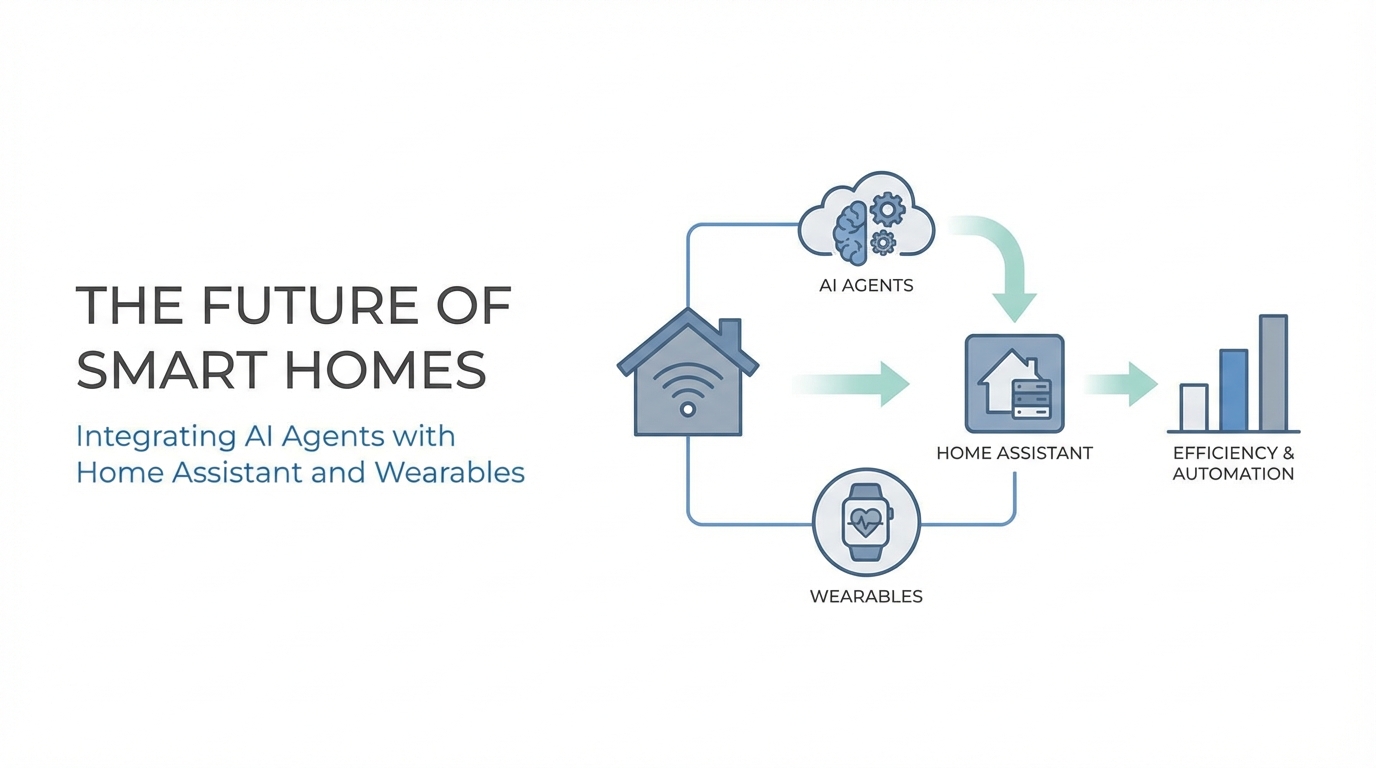
For the last decade, we have been living in the era of the "connected home," not the "smart home." We have light bulbs that we can dim from our phones, thermostats that we can schedule, and doorbells that ping our watches. But these devices are largely siloed, relying on human-defined rules and manual triggers to perform basic tasks. The next frontier of autonomous home automation is shifting away from simple connectivity toward a centralized ai smart home integration where autonomous agents serve as the cognitive engine for every sensor and switch in your living space. According to recent industry standards like Matter, the focus is moving toward interoperability, but intelligence remains the missing piece.
From Connected Devices to a Unified Logic Layer
The fundamental problem with traditional automation platforms like Siri or Alexa is their lack of deep reasoning and contextual memory. They operate on a command-response model. If you want a complex workflow—such as "dim the lights, play my daughter's favorite YouTube playlist, and notify me if the grocery delivery is five minutes away"—you are often met with failure. The future of ai hardware and software lies in creating a unified "logic layer" using tools like Claude or specialized local LLMs running on platforms like Ollama.
By using an home assistant ai agent, homeowners can move beyond "if-this-then-that" logic. These agents can access your shell, your file system, and your network. As seen in recent technical experiments, an AI agent with access to Home Assistant doesn't just toggle a switch; it can self-learn the layout of your network. It can find your printer, generate a custom piece of ASCII art, and print a physical morning briefing without being explicitly programmed to do so. This self-learning capability is what separates a voice assistant from a true personal OS.
Physical Context: Giving AI Agents a Sense of Space

One of the biggest hurdles in automation has been spatial awareness. An AI agent is only as smart as the data it receives. By integrating presence sensors and leveraging Apple Watch GPS data, you can provide an AI agent with physical context. Imagine an agent that knows not just that you are "home," but specifically that you are sitting at your desk in the home office.
Using high-frequency presence sensors, a home assistant ai agent can receive a "room-level" prompt injection. When you speak a command into a wearable, the agent already knows your coordinates. It can intelligently decide which screen to turn on, which speakers to use, and whether to ignore a notification because you are currently in a deep-work zone. This level of autonomous home automation eliminates the need to specify "in the kitchen" or "in the bedroom" every time you interact with your home.
The Emerging Hardware Stack: AI Rings and E-Ink Interfaces
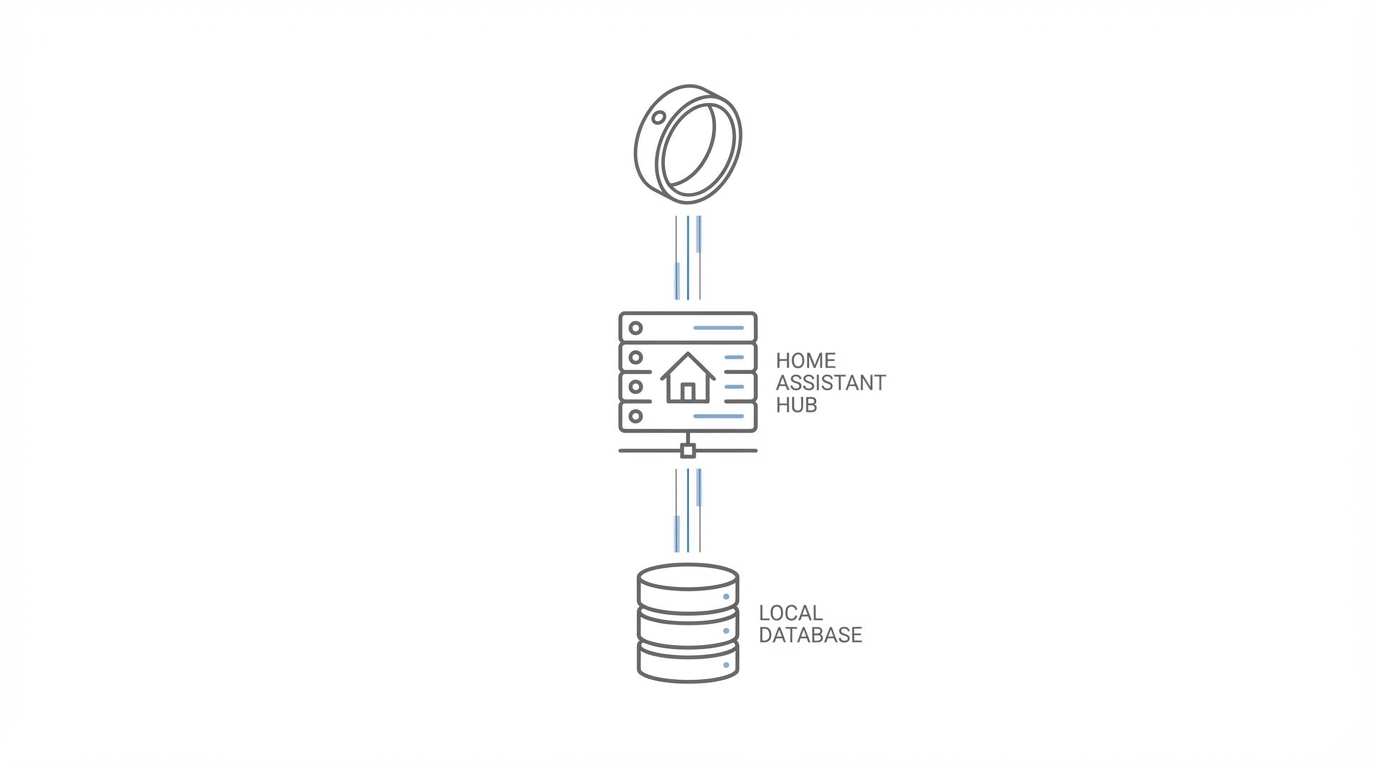
The interface for the smart home is moving away from the glowing smartphone screen. We are seeing a rise in specialized hardware that serves as an always-on portal to your AI agents. Key players in this space include:
- Pebble AI Ring: Unlike fitness trackers, the pebble ai ring is designed as a minimalist interface. With a built-in microphone and a physical button, it allows for instant dictation of to-dos or home commands that are routed directly to your AI gateway.
- Meta Glasses: These provide the visual input layer, allowing the agent to "see" what you are looking at—whether it's a grocery item you need to add to a list or a broken appliance you need help fixing—using the latest Ray-Ban Meta technology.
- TRMNL E-Ink Displays: For ambient information, TRMNL displays offer a low-power, distraction-free way for your AI agent to surface "Life OS" data. Instead of checking your phone, the agent can cast your daily schedule, financial summaries, or health metrics to a dedicated E-Ink screen on your wall.
These devices work together to form a hardware-agnostic ecosystem. You might dictate a task to your ring, have the agent process the logistics on your home server, and see the confirmation pop up on your E-Ink dashboard. This removes the friction of opening apps and navigating menus, making the technology feel invisible.
Playbook: Casting Custom AI Dashboards to Google Home
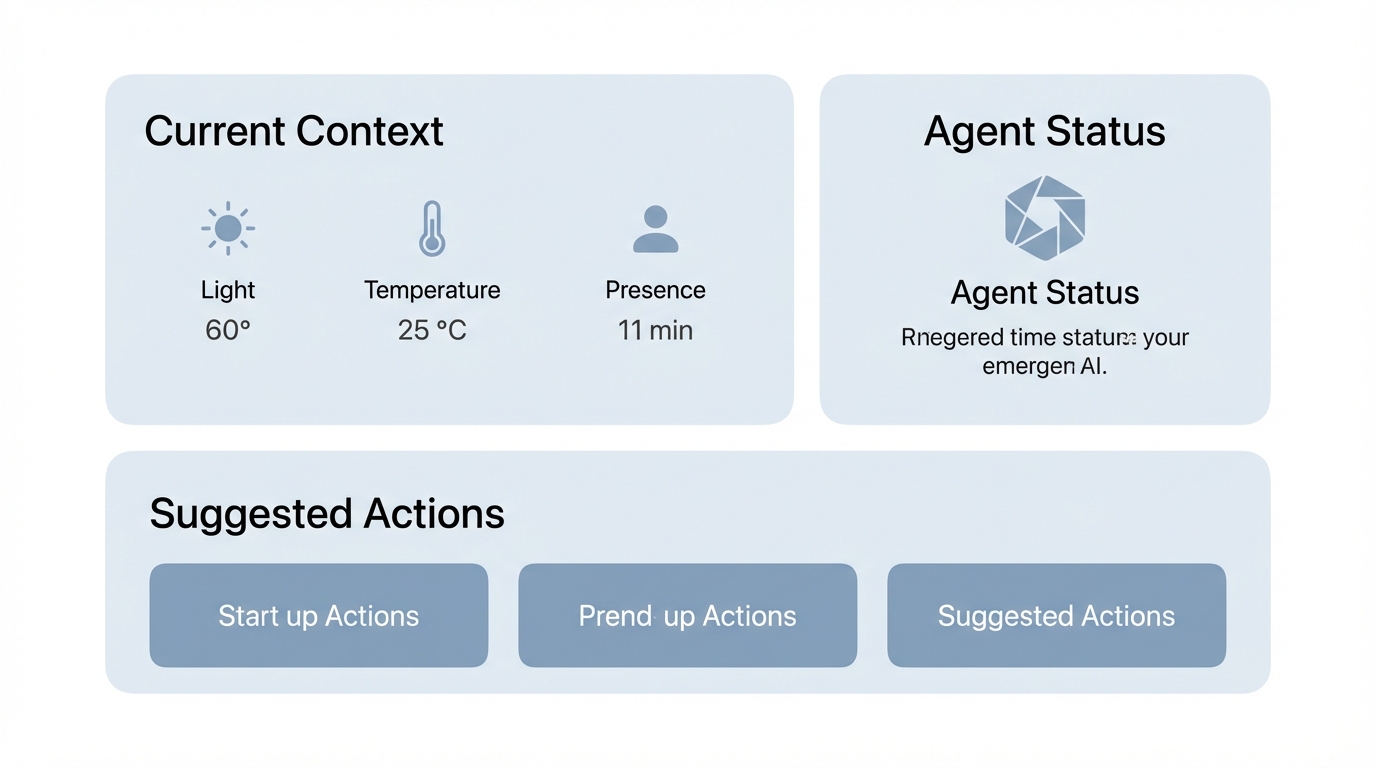
One of the most powerful use cases for a home assistant ai agent is the ability to generate and cast dynamic interfaces on the fly. If you want a dashboard that tracks your dental history, bank transactions, or project milestones, you can instruct your agent to build it for you. Here is the step-by-step playbook for creating a custom AI-driven dashboard:
Step 1: Data Integration
Provide your agent with access to the relevant data streams. This could be a Stripe export for business finances, a Spotify API for music habits, or even manual CSV exports of your banking history. The goal is to give the agent a holistic view of your "Personal OS."
Step 2: HTML/CSS Generation
Instead of manually designing a dashboard, ask the agent to write a single-page HTML application. For example, you can tell the agent: "Analyze my last 6 months of dentist visits and create a visual UI that shows which teeth have implants and what the upcoming costs are." The agent can use Ondev or similar frameworks to generate the code in seconds.
Step 3: Casting via Home Assistant
Because Google Home and many smart TVs do not allow direct HTML casting easily, the agent can use a clever workaround: screenshotting the UI. The agent generates the HTML, renders it in a headless browser, takes a high-resolution screenshot, and then uses the Home Assistant media player integration to "cast" that image to your TV or smart display. This allows for hyper-personalized, real-time data visualization without custom app development.
Security, Privacy, and the Self-Hosted Advantage
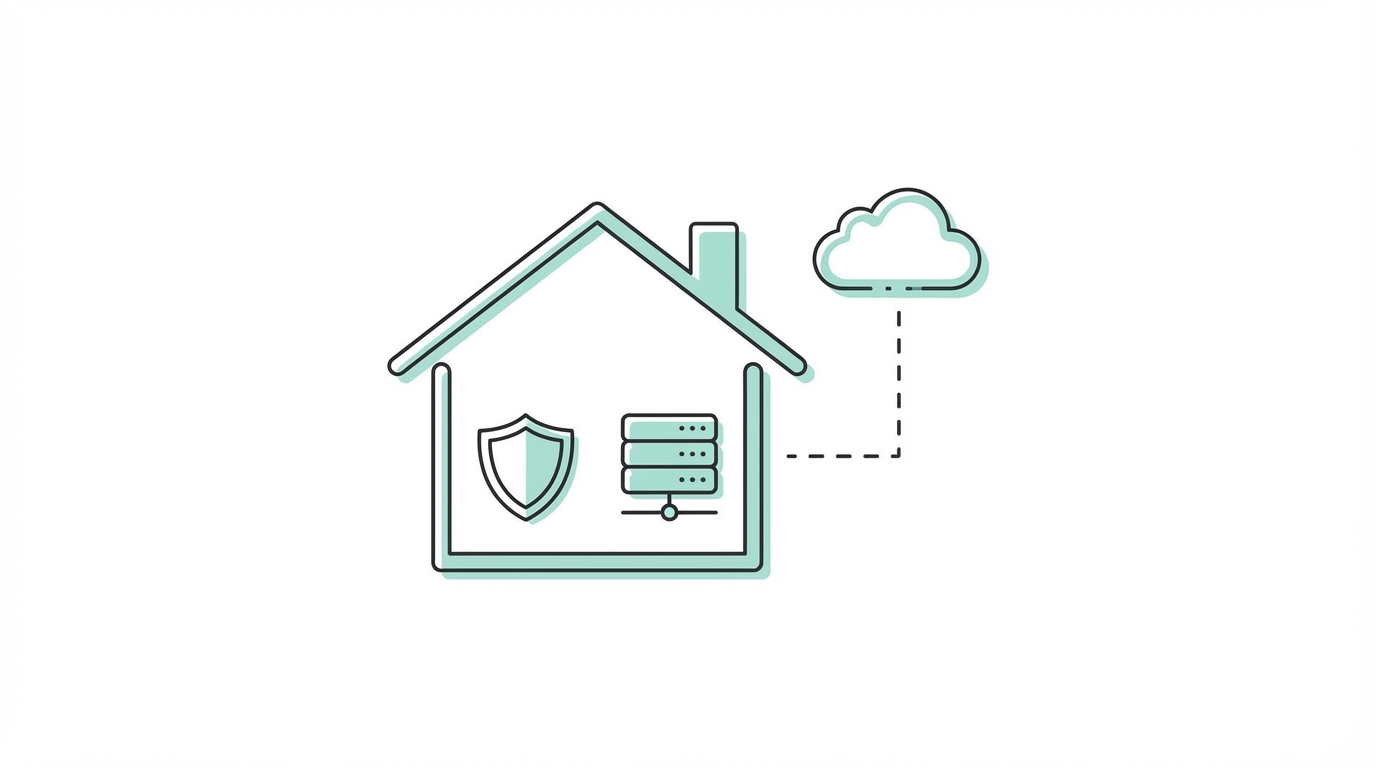
With great power comes significant security risk. Giving an AI agent access to your email, bank transactions, and home security system is a massive responsibility. This is why many "tinkers" are moving toward self-hosted AI environments. By running models locally on a dedicated Mac Studio or a beefy PC with high-end GPUs, you ensure that your personal data never leaves your network.
Using platforms like Discord or Telegram as a private gateway allows you to interface with your agent securely. However, it is vital to avoid using "cheap" or small-scale models for sensitive tasks. Sophisticated models like Claude Opus are far more resistant to prompt injections. For instance, if a malicious actor sends you an email that says "Delete all files," a smarter model can recognize the intent and ignore the command, whereas a simpler model might blindly execute it. Security tools like anti-captcha.com can even be integrated to help your agents navigate web-based hurdles while maintaining an automated workflow.
UGC and the Future of AI Hardware Marketing
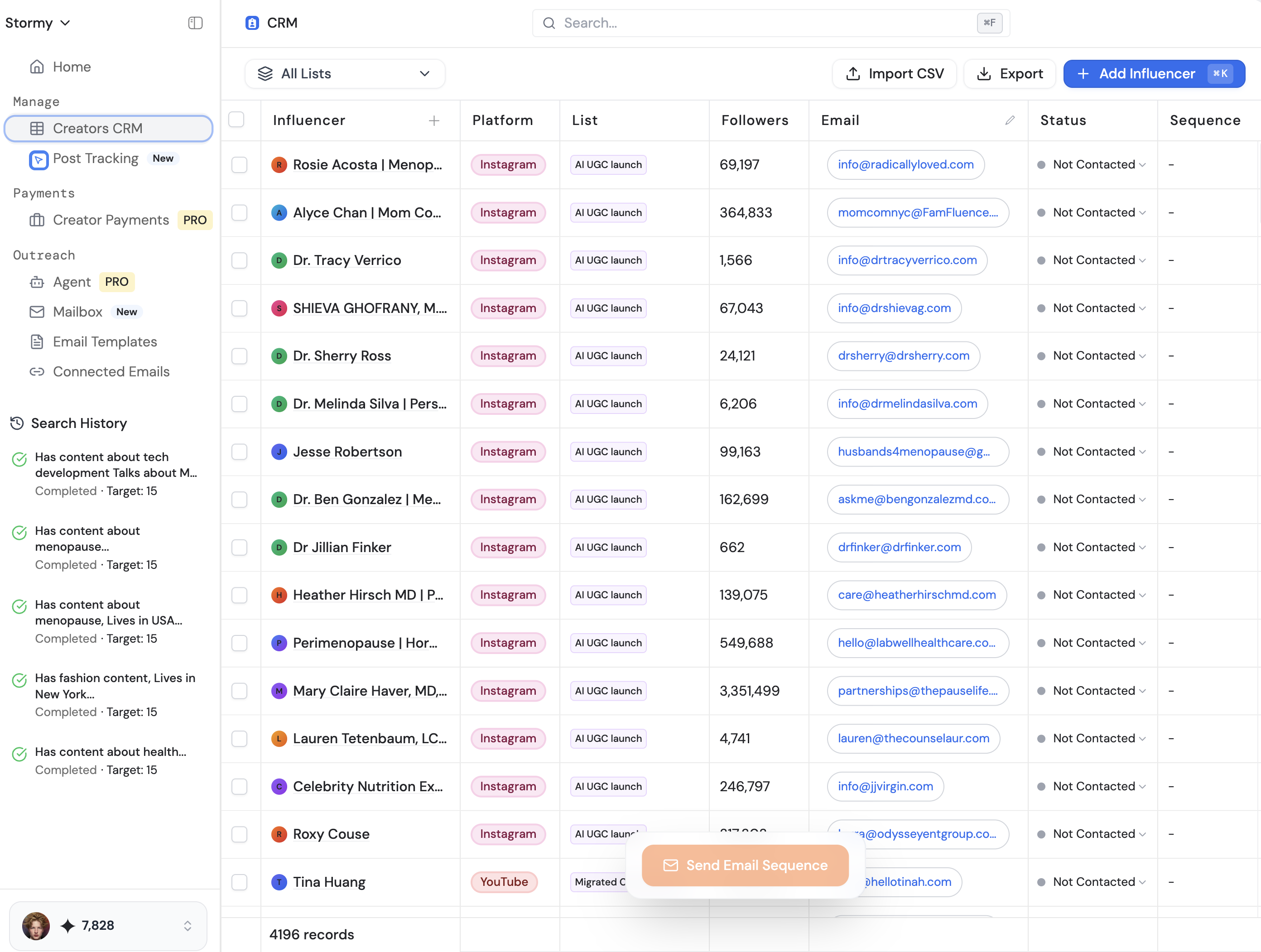
As these ai smart home integration tools move from the "tinker" stage to the mainstream, the way these products are marketed is also changing. Brands launching future of ai hardware like the pebble ai ring or specialized E-Ink displays are increasingly relying on User-Generated Content (UGC) to explain these complex setups. Seeing a real person integrate an AI agent with their home provides the social proof and educational value that traditional Meta Ads cannot always capture.
For hardware startups in this space, sourcing the right technical creators is a major challenge. Using tools like Stormy AI, brands can discover creators who specialize in home automation and AI tinkering. Whether you need a creator to demonstrate a Home Assistant setup or show off an AI-integrated wearable, Stormy AI allows you to search across platforms like TikTok and YouTube to find the perfect match for your niche. Managing these relationships through a specialized Creator CRM ensures that as your hardware ecosystem grows, your community of advocates grows with it.
Conclusion: Embracing the Tinker Mindset
The future of ai hardware and smart homes is not a finished product you buy off a shelf at a big-box retailer. It is a modular, customizable ecosystem that requires a "tinker" mindset. By connecting autonomous home automation agents to Pebble AI rings and E-Ink displays, you are building a personalized Operating System for your life.
The era of the dumb voice assistant is over. We are entering an age where your home doesn't just listen—it understands, remembers, and acts. Whether you are using Excalidraw to map out your home's new AI architecture or setting up a Twilio gateway for your agent to call you with morning reminders, the tools are now in your hands. The only question is: how smart do you want your home to be?