The Future of Sales Architecture: Why OpenClaw is Replacing Legacy SaaS in 2026
Discover why 81% of sales teams are ditching legacy SaaS for OpenClaw's Agentic Revenue Architecture in 2026 to drive 1.3x revenue growth and data sovereignty.
In 2026, the traditional Chief Revenue Officer (CRO) is no longer just a manager of people; they are the architect of a digital workforce. For years, sales departments have been held hostage by "rented" SaaS platforms that charge exorbitant monthly fees for static automation. However, a seismic shift has occurred. The rise of OpenClaw, an open-source agentic framework, has transformed how high-growth companies build their sales stacks. We are moving away from passive tools and toward Agentic Revenue Architecture—a model where companies own their infrastructure, secure their data, and deploy autonomous agents that execute the entire sales cycle from discovery to close.
Why "Rented" SaaS is Failing the Modern Enterprise
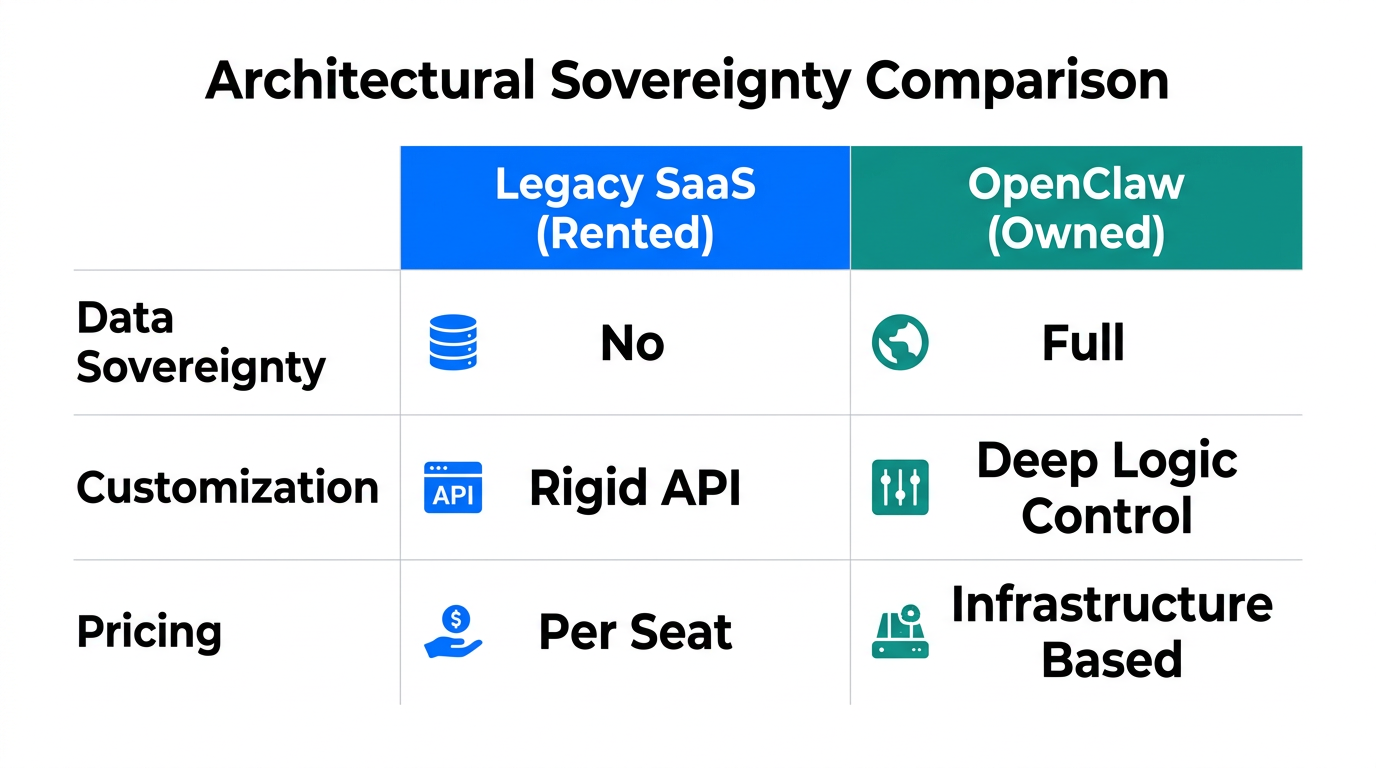
The legacy SaaS model of the early 2020s was built on a simple premise: pay a per-seat license for access to a cloud-based tool. But as we move through 2026, sales leaders have realized that this "rental" model creates two major bottlenecks: cost and data silos. According to reports from the Reddit cold email community, startup founders are successfully replacing traditional stacks costing $1,500/month with custom OpenClaw sales automation setups that run for as little as $25/month.
Beyond the cost, data sovereignty has become a non-negotiable requirement. When you use a third-party CRM or outbound tool, your proprietary lead data and communication nuances live on someone else's server. By adopting an owned architecture, teams can host their own agents locally or on private clouds, ensuring that sensitive customer interactions never leave their controlled environment. This shift is what Peter Steinberger, the creator of OpenClaw, famously summarized with his mantra: "The claw is the law."
"The claw is the law: We are moving from AI that just talks to AI that actually does things—controlling browsers, managing files, and executing commands locally."
The Statistics of the Agentic Era: 1.3x Revenue Growth
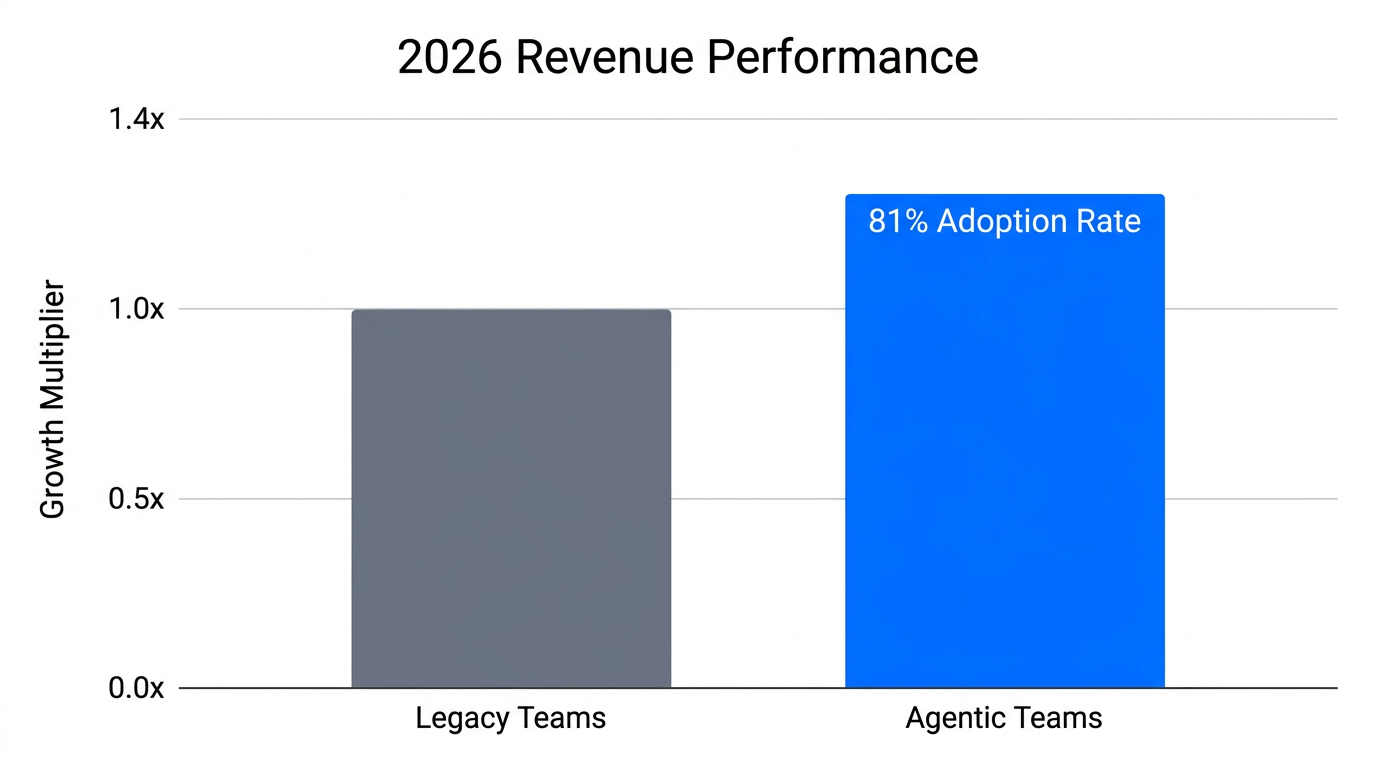
The transition to agent-led workflows isn't just a trend for early adopters; it is the new industry standard. As of early 2026, 81% of sales teams have either fully implemented or are actively experimenting with AI agents, a staggering increase from just 24% three years ago, according to research by Autobound. The financial impact is equally clear. The Salesforce State of Sales report indicates that teams utilizing AI-driven execution are 1.3x more likely to see significant revenue growth compared to those clinging to manual processes.
Understanding the "OpenClaw Moment": From Chat to Execution
What makes OpenClaw different from the chatbots of 2024? Industry experts at Flypix refer to this as the "OpenClaw Moment." It represents the point where AI escaped the chat box and gained the ability to manipulate systems. Unlike a passive LLM that simply generates text, an OpenClaw agent can control a local browser, execute shell commands, and manage complex file structures.
| Feature | Legacy Sales Tools | OpenClaw Agentic Architecture |
|---|---|---|
| Action Type | Passive/Template-based | Active Execution (Browser/System Control) |
| Cost Model | Per-seat Subscription ($1k+) | Open-source/Usage-based (~$25) |
| Data Privacy | Hosted on Vendor Servers | Local/Self-hosted (Sovereign) |
| Workflow | Linear Sequences | Autonomous Multi-Agent Swarms |
This capability allows for a new level of sales operations strategy. Instead of an SDR manually clicking through LinkedIn to find prospects, an OpenClaw agent uses its browser control module to scrape real-time data, verify it, and then execute the next step in the workflow without human intervention. The OpenClaw GitHub repository recently surpassed 264,000 stars, signaling that developers are doubling down on this "execution-first" philosophy.
Building a Multi-Agent Swarm: The New Sales Org
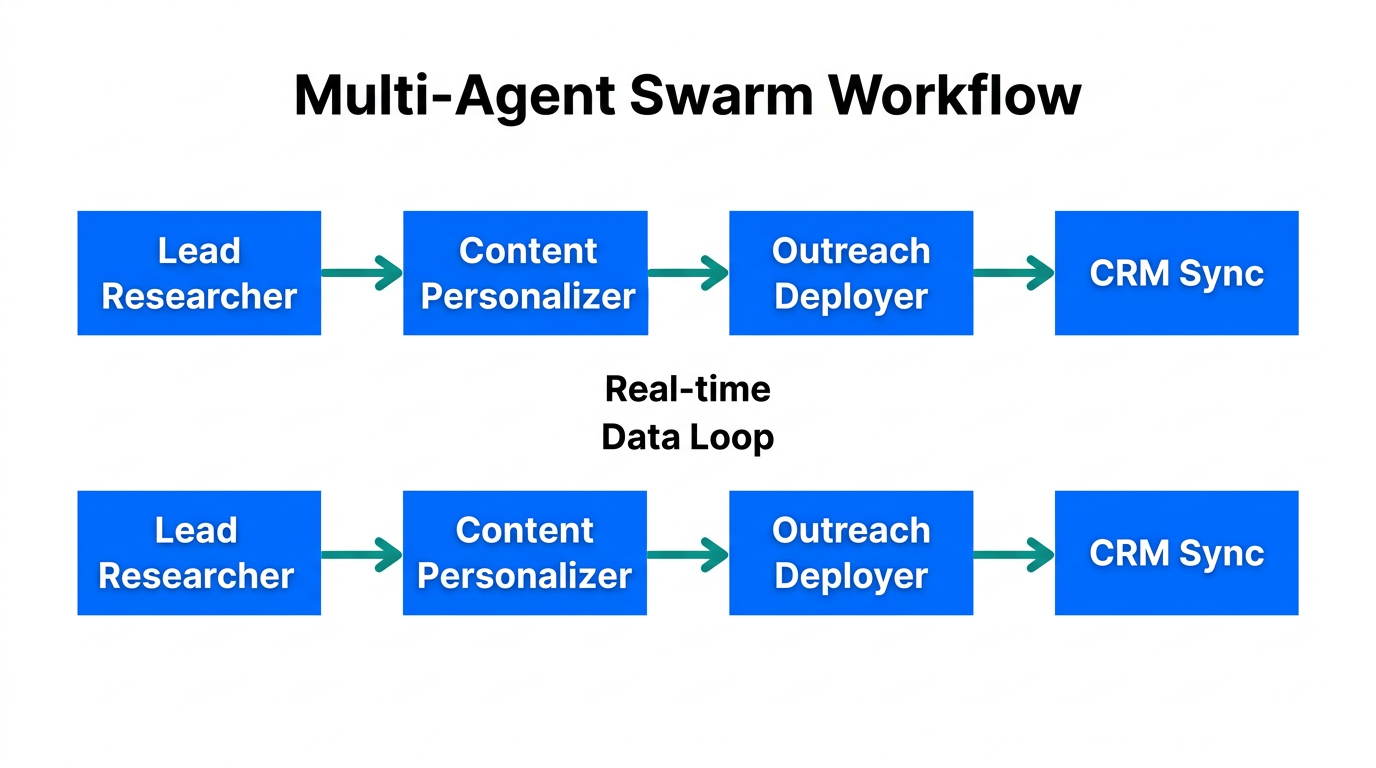
The most advanced sales organizations in 2026 no longer rely on a single "all-in-one" AI. Instead, they deploy Multi-Agent Swarms. This concept, championed by OpenAI CEO Sam Altman, involves specialized agents working in tandem. In an Agentic Revenue Architecture, the swarm typically consists of three primary roles:
- The Researcher: Constantly monitors competitor websites via automated browser control and enriches lead data by finding the latest company news.
- The Drafter: Takes the researcher’s data and writes hyper-personalized emails or LinkedIn messages that reference specific, recent events.
- The Closer/Triage: Monitors the inbox every 30 minutes, categorizes replies, and drafts responses for the human sales leader to approve and send.
"The future of sales is not a single AI bot; it's a swarm of specialized agents working together to handle the grunt work while humans focus on the relationship."
The 2026 Sales Playbook: Actionable OpenClaw Strategies
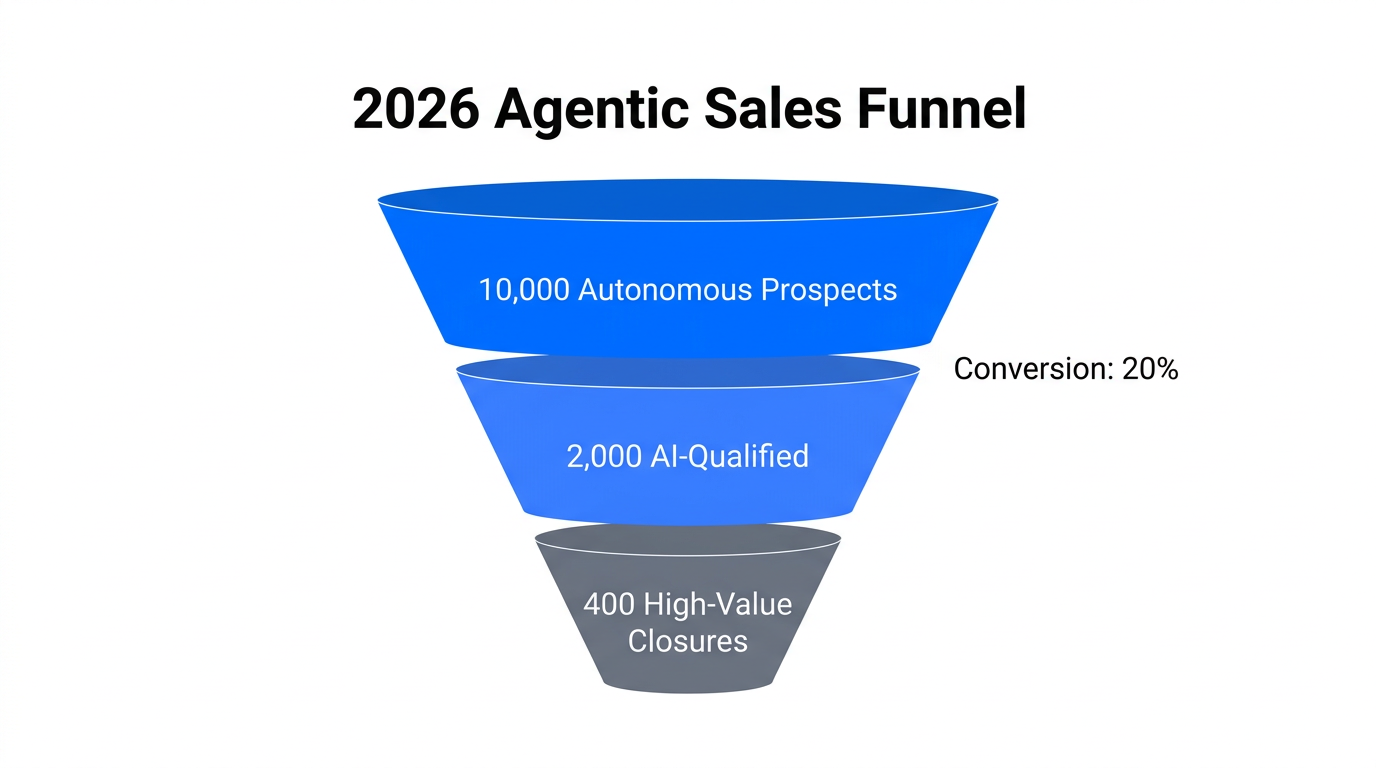
If you are ready to transition from legacy SaaS to an agentic model, here is the playbook being used by top-performing revenue teams this year:
Step 1: Automated Pipeline Reporting
Stop wasting time in CRM dashboards. Use OpenClaw to pull data from HubSpot or Salesforce at 6:00 AM daily. The agent summarizes the previous day's wins and losses in natural language and posts a briefing to Slack before your team even logs on. Tools like MarketBetter provide templates for these exact reporting agents.
Step 2: Intelligent Lead Enrichment
Pairing your agentic architecture with the right data sources is critical. For brands looking to scale through creator partnerships, platforms like Stormy AI provide the necessary high-quality creator data and demographics. Your OpenClaw agent can then "claw" these profiles to find recent video transcripts, allowing it to write outreach that feels human and informed rather than templated.
Step 3: Inbox Triage & Daily Briefings
Configure an agent to process your unread emails. Users on UCStrategies have reported agents clearing 4,000 unread emails in 48 hours—unsubscribing from noise and flagging high-priority leads. You can even set up a "Morning Brief" delivered via Telegram that summarizes your day's top priorities using Hostinger-hosted OpenClaw instances.
Navigating the Risks: Security and Token Management
While the "OpenClaw Moment" offers incredible efficiency, it is not without its pitfalls. Security analysts at Flypix warn that giving an agent full system access can be a "security nightmare" if not handled correctly. CROs must ensure their future of CRM automation includes strict sandboxing. Always run agents in isolated Docker containers and grant only read-only permissions to sensitive databases initially.
Additionally, monitor your token costs. While the software is free, running high-powered models like Claude 3.5 Opus for 24/7 web scraping can result in high API bills. For routine tasks like inbox sorting, consider using smaller, localized models or DigitalOcean-hosted instances of more efficient models like Sonnet to keep costs predictable.
Conclusion: The Era of the Agentic Revenue Organization
The shift from renting SaaS to owning an Agentic Revenue Architecture is the defining move of 2026. By leveraging OpenClaw, sales leaders are not just saving money; they are building a more resilient, scalable, and sovereign revenue engine. Whether it's through 1.3x revenue growth, autonomous inbox triage, or multi-agent swarms, the message is clear: the future of sales belongs to those who own their agents. As you build your stack, remember to combine the power of agentic execution with high-quality discovery tools like Stormy AI to ensure your agents are always working with the best possible data. The claw is the law—and in 2026, the law is execution.